

Motmot

アカエリバト 対 スズメバト

Patagioenas squamosa 対 Columbina passerina

アカエリバトとスズメバトのクイズ
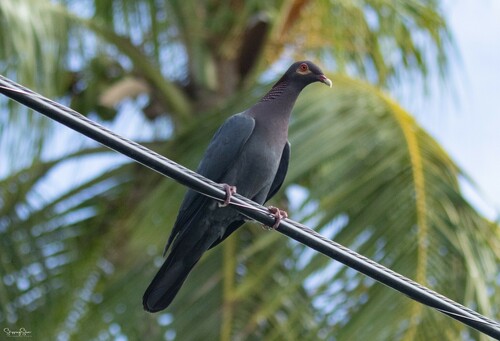
アカエリバト (Patagioenas squamosa) アカエリバト
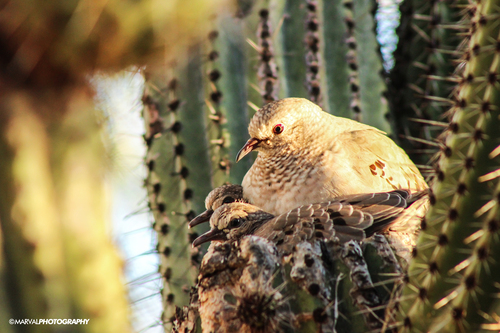
スズメバト (Columbina passerina) スズメバト

メディア

読み込み中…

要点

アカエリバトとスズメバトの間で最も信頼できるフィールドマークは、全体のサイズと構造です:アカエリバトは巨大で重い体を持つ鳩で、スレートグレーとマルーンの首を持っています。一方、スズメバトは小さく、短い尾を持ち、茶色がかっており、飛んでいるときに翼に栗色が見えます。鱗状の首と目の周りに赤い裸の皮膚を持つ鳩を見たら、それはアカエリバトです。鱗状の頭と栗色の翼のフラッシュを持つ小さな地面を探す鳥を見たら、それはスズメバトです。未熟なスズメバトと成鳥のスズメバトはどちらも飛んでいるときに栗色の一次羽を示しますが、アカエリバトは決して示しません。くちばしの色、尾の長さ、行動(樹上性対地上性)も強い手がかりです。

識別のコツ

  1. サイズは最も迅速な区別要因です: アカエリバトは巨大(鳩サイズ)、スズメバトは小さい(スズメサイズ)です。もし不明な場合は、近くの鳩や一般的な鳥と比較してスケールを確認してください。
  2. 飛行パターンと翼の色: 飛行中、すべての年齢のスズメバトは栗色の一次羽と翼の境界を示します—翼にルーファスのフラッシュを探してください。アカエリバトは翼に栗色を示しません。
  3. 尾の形と長さ: アカエリバトは長い尾を持っていますが、スズメバトの尾は非常に短く、体をほとんど超えません。
  4. くちばしの色: アカエリバトはくちばしの基部が赤く、先端が淡いです;スズメバトは黄色のくちばしに黒い先端を持っています。
  5. 目の皮膚: アカエリバトは目の周りに裸の皮膚のパッチを持っています(オスは赤、メスは黄色がかっています);スズメバトはこの特徴を欠いています。
  6. 頭と首のパターン: アカエリバトは鱗状の首とマルーンの首を持っています;スズメバトは頭と上胸に鱗状のパターンがありますが、首にはありません。
  7. 脚の色: アカエリバトは赤い脚を持っています;スズメバトの脚の色はメモにおいて特異ではありません。
  8. 止まっている姿勢: アカエリバトは木の中で直立して止まることが多く、しばしば高い位置にいます;スズメバトはほぼ常に地面にいて、しゃがんで歩いています。
  9. 羽毛の色: アカエリバトはスレートグレーでマルーンの色を持っています;スズメバトは上部が茶色で、顔がピンクがかっています。
  10. 性差: オスのスズメバトはスレートグレーの冠とピンクがかった灰色の腹を持っています;メスはより灰色で均一です。アカエリバトは裸の目の皮膚の色において微妙な性差を示します。
  11. 生息地の文脈: 森の樹冠や木の中で餌を探しているのを見たら、ほぼ確実にアカエリバトです;開けた地面にいる場合、スズメバトの可能性が高いです。
  12. 鳴き声: 柔らかく上昇する「フープ」という鳴き声を聞いたら、それはスズメバトです;アカエリバトの鳴き声はここでは説明されていません。
  13. 群れのサイズ: アカエリバトは通常一人または小さな群れでいます;スズメバトは地面でペアまたは小さな群れでいることがあります。
  14. 驚いたときの行動: アカエリバトは力強く木に飛び立ちます;スズメバトは低く飛び、すぐに地面に戻ります。
  15. 落とし穴: 未熟なスズメバトは鈍くて鱗状の頭に見えることがありますが、飛行中は常に翼に栗色を示します。アカエリバトは年齢に関係なくこれを示しません。

大きさ

サイズは最も即時の区別要因です:アカエリバトは大きな鳩で、約312gの重さがあり、長さは14〜16インチで、スズメバトよりも数倍大きいです。スズメバトはアメリカで最も小さな鳩で、長さはわずか15〜18cm(5.9〜7.1インチ)で、重さは26〜40gです。フィールドでは、アカエリバトは bulky で長い尾を持っているように見えますが、スズメバトは小さく、コンパクトで短い尾を持ち、しばしば「スズメサイズ」と表現されます。距離があっても、サイズのギャップは明白です。

羽色

行動

アカエリバトは通常、木に止まっているか、樹冠で果物を食べているのが見られ、しばしば一人または小さな群れで、警戒心が強く、驚かされるとすぐに飛び立ちます。スズメバトはほぼ常に地面にいて、開けた場所で歩いたり餌を探したりしており、近づかれると飛び立ちます。飛行は低く、直接的で、すぐに地面に戻ります。もし木の上に鳩サイズの鳥を見たら、それはほぼ確実にアカエリバトです;開けた地面を歩いている小さな鳩はスズメバトです。

生息環境

両種はカリブ海に生息していますが、好む生息地は異なります。アカエリバトは最も頻繁に熱帯雨林や森林地域で見られ、人間の集落の近くにいることもあり、一般的に木に関連しています。スズメバトは開けた乾燥した地域、畑、道路脇、低木を好み、密な森林ではめったに見られません。重複ゾーンでは、生息地の文脈が役立ちます:樹冠にいる大きな鳩はアカエリバトで、開けた地面にいる小さな鳩はスズメバトです。

声

スズメバトは柔らかく繰り返される「フープ」という鳴き声を出し、音程が上昇し、非常に明確です。アカエリバトの鳴き声は提供されたメモには説明されていないため、声はスズメバトの診断にのみ役立ちます:もし「フープ」という鳴き声を聞いたら、それはアカエリバトではありません。

より良い説明を送る

比較と同じ項目を使ってください。文章はすぐに公開されます。

The most reliable field mark between Scaly-naped Pigeon and Common Ground Dove is overall size and structure: Scaly-naped Pigeon is a massive, heavy-bodied pigeon with a slate-grey and maroon neck, while Common Ground Dove is tiny, short-tailed, and brownish, with chestnut in the wings visible in flight. If you see a dove with a scaly nape and red bare skin around the eye, it is Scaly-naped; if you see a small, ground-foraging bird with a scaly head and chestnut wing flashes in flight, it's Common Ground Dove. Immature and adult Common Ground Doves both show chestnut primaries in flight, which Scaly-naped never shows. Bill color, tail length, and behavior (arboreal vs terrestrial) are also strong clues.

  1. Size is the fastest separator: Scaly-naped Pigeon is huge (pigeon-sized), Common Ground Dove is tiny (sparrow-sized). If you are unsure, compare to nearby doves or common birds for scale.
  2. Flight pattern and wing color: In flight, Common Ground Dove of all ages shows chestnut primaries and wing borders—look for a flash of rufous in the wings. Scaly-naped Pigeon never shows chestnut in the wing.
  3. Tail shape and length: Scaly-naped Pigeon has a long tail, while Common Ground Dove's tail is very short and barely extends past the body.
  4. Bill color: Scaly-naped Pigeon has a red base to the bill with a pale tip; Common Ground Dove has a yellow bill with a black tip.
  5. Eye skin: Scaly-naped Pigeon has a bare patch of skin around the eye (red in males, yellowish in females); Common Ground Dove lacks this feature.
  6. Head and neck pattern: Scaly-naped Pigeon has a scaly-looking nape and maroon neck; Common Ground Dove has a scaly pattern on the head and upper breast, but not on the nape.
  7. Leg color: Scaly-naped Pigeon has red legs; Common Ground Dove's leg color is not distinctive in the notes.
  8. Perched posture: Scaly-naped Pigeon perches upright in trees, often high; Common Ground Dove is almost always on the ground, crouched and walking.
  9. Plumage color: Scaly-naped Pigeon is slate-grey with maroon; Common Ground Dove is brown above, with pinkish face and scaly head.
  10. Sexual dimorphism: Male Common Ground Doves have a slate-gray crown and pink-gray belly; females are grayer and more uniform. Scaly-naped Pigeon shows subtle sexual differences only in the color of the bare eye skin.
  11. Habitat context: If seen in forest canopy or feeding in trees, it's almost certainly Scaly-naped; if on open ground, likely Common Ground Dove.
  12. Vocalization: If you hear a soft, rising 'whoop' call, it's Common Ground Dove; Scaly-naped Pigeon's call is not described here.
  13. Group size: Scaly-naped Pigeon is usually alone or in small groups; Common Ground Dove may be in pairs or small flocks on the ground.
  14. Behavior when flushed: Scaly-naped Pigeon flushes powerfully into trees; Common Ground Dove flies low and quickly drops back to the ground.
  15. Pitfalls: Immature Common Ground Doves might look dull and scaly-headed, but will always show chestnut in the wing in flight. Scaly-naped Pigeon never shows this, regardless of age.

Size is the most immediate separator: Scaly-naped Pigeon is a large pigeon, weighing about 312 g and measuring 14–16 inches in length, making it several times larger than Common Ground Dove. Common Ground Dove is the smallest dove in the United States, only 15–18 cm (5.9–7.1 in) long and weighing 26–40 g. In the field, Scaly-naped Pigeon appears bulky and long-tailed, while Common Ground Dove is tiny, compact, and short-tailed, often described as 'sparrow-sized.' Even at a distance, the size gap is unmistakable.

  • Juvenile/immature/flight marks: Common Ground Dove of all ages shows chestnut primaries and wing borders in flight, a unique feature not found in Scaly-naped Pigeon. Scaly-naped Pigeon in all ages lacks chestnut in the wing and instead is uniform slate-grey with maroon neck.

  • Adult plumage: Scaly-naped Pigeon is slate-grey overall with a maroon neck and a distinctive scaly pattern on the nape. It has a red bare patch around the eye (more reddish in males, more yellow in females), and red legs and bill base. Common Ground Dove is brown above, with a scaly appearance on the head and upper breast, and a very short tail. Its bill is yellow with a black tip, and the face is pinkish. Males have a slate-gray crown and pink-gray belly, while females are grayer and more evenly colored. The wings are brown with black spots when perched, but in flight, the chestnut primaries are diagnostic.

Scaly-naped Pigeon is typically seen perched in trees or feeding on fruit in the canopy, often alone or in small groups, and is wary—quick to flush if disturbed. Common Ground Dove is almost always seen on the ground, walking or feeding in open areas, and only takes flight when approached closely. Its flight is low and direct, quickly dropping back to the ground. If you see a pigeon-sized bird up in a tree, it's almost certainly Scaly-naped; a small dove walking on open ground is Common Ground Dove.

Both species occur in the Caribbean, but their preferred habitats differ. Scaly-naped Pigeon is most often found in rainforests and wooded areas, sometimes near human settlements, and is generally associated with trees. Common Ground Dove prefers open, dry areas, fields, roadsides, and scrub, and is rarely found in dense forest. In overlap zones, habitat context can help: a large pigeon in the canopy is Scaly-naped, a tiny dove in open ground is Common Ground Dove.

Common Ground Dove gives a soft, repetitive 'whoop' call that rises in pitch and is quite distinct. Scaly-naped Pigeon's vocalizations are not described in the provided notes, so voice is only diagnostic for Common Ground Dove: if you hear the 'whoop' call, it's not Scaly-naped.

変更を破棄しますか?

保存していない編集があります。今離れると失われます。

アカエリバト · スズメバト · 苦手な鳥