

Paloma Isleña vs Columbina Común
Patagioenas squamosa frente a Columbina passerina
Juega un quiz con Paloma Isleña y Columbina Común
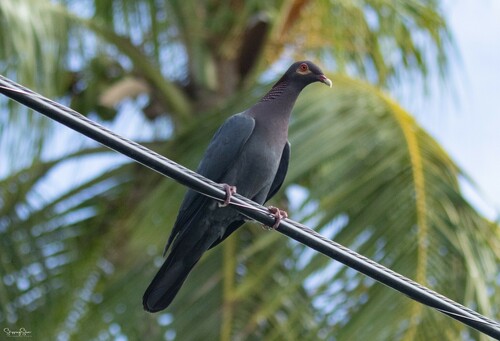 Paloma Isleña
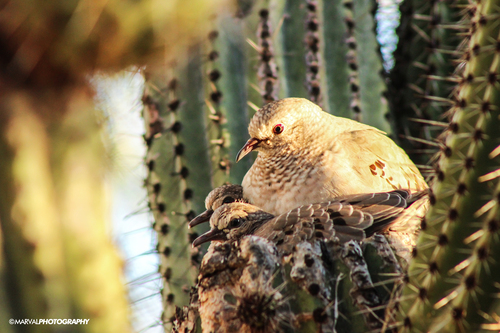 Columbina Común
En breve
La marca de campo más confiable entre la Paloma Isleña y la Columbina Común es el tamaño y la estructura general: la Paloma Isleña es una paloma masiva y de cuerpo pesado con un cuello gris pizarra y marrón, mientras que la Columbina Común es pequeña, de cola corta y marronosa, con castaño en las alas visible en vuelo. Si ves una paloma con un cuello escamoso y piel desnuda roja alrededor del ojo, es la Paloma Isleña; si ves un pequeño pájaro que busca alimento en el suelo con una cabeza escamosa y destellos de alas castañas en vuelo, es la Columbina Común. Tanto las Columbinas Comunes inmaduras como las adultas muestran primarias castañas en vuelo, lo que la Paloma Isleña nunca muestra. El color del pico, la longitud de la cola y el comportamiento (arbóreo vs terrestre) también son pistas fuertes.
Consejos de identificación
- El tamaño es el separador más rápido: La Paloma Isleña es enorme (del tamaño de una paloma), la Columbina Común es pequeña (del tamaño de un gorrión). Si no estás seguro, compáralo con palomas cercanas o aves comunes para tener una referencia de escala.
- Patrón de vuelo y color de alas: En vuelo, la Columbina Común de todas las edades muestra primarias castañas y bordes de alas—busca un destello de rufo en las alas. La Paloma Isleña nunca muestra castaño en el ala.
- Forma y longitud de la cola: La Paloma Isleña tiene una cola larga, mientras que la cola de la Columbina Común es muy corta y apenas se extiende más allá del cuerpo.
- Color del pico: La Paloma Isleña tiene una base roja en el pico con una punta pálida; la Columbina Común tiene un pico amarillo con una punta negra.
- Piel alrededor del ojo: La Paloma Isleña tiene un parche desnudo de piel alrededor del ojo (rojo en machos, amarillento en hembras); la Columbina Común carece de esta característica.
- Patrón de cabeza y cuello: La Paloma Isleña tiene un cuello que parece escamoso y un cuello marrón; la Columbina Común tiene un patrón escamoso en la cabeza y el pecho superior, pero no en el cuello.
- Color de las patas: La Paloma Isleña tiene patas rojas; el color de las patas de la Columbina Común no es distintivo en las notas.
- Postura posada: La Paloma Isleña se posa erguida en los árboles, a menudo alta; la Columbina Común está casi siempre en el suelo, agachada y caminando.
- Color del plumaje: La Paloma Isleña es gris pizarra con marrón; la Columbina Común es marrón por encima, con cara rosada y cabeza escamosa.
- Dimorfismo sexual: Los machos de la Columbina Común tienen una corona gris pizarra y un vientre rosa-grisáceo; las hembras son más grises y más uniformes. La Paloma Isleña muestra diferencias sexuales sutiles solo en el color de la piel desnuda alrededor del ojo.
- Contexto del hábitat: Si se ve en el dosel del bosque o alimentándose en los árboles, es casi seguro que es la Paloma Isleña; si está en el suelo abierto, probablemente sea la Columbina Común.
- Vocalización: Si escuchas un suave y ascendente llamado de 'whoop', es la Columbina Común; el llamado de la Paloma Isleña no se describe aquí.
- Tamaño del grupo: La Paloma Isleña suele estar sola o en pequeños grupos; la Columbina Común puede estar en parejas o pequeños bandadas en el suelo.
- Comportamiento al ser asustada: La Paloma Isleña vuela poderosamente hacia los árboles; la Columbina Común vuela bajo y rápidamente regresa al suelo.
- Trampas: Las Columbinas Comunes inmaduras pueden parecer apagadas y con cabeza escamosa, pero siempre mostrarán castaño en el ala en vuelo. La Paloma Isleña nunca muestra esto, independientemente de la edad.
Tamaño
El tamaño es el separador más inmediato: la Paloma Isleña es una paloma grande, que pesa alrededor de 312 g y mide de 14 a 16 pulgadas de longitud, lo que la hace varias veces más grande que la Columbina Común. La Columbina Común es la paloma más pequeña en los Estados Unidos, solo de 15 a 18 cm (5.9 a 7.1 in) de largo y pesa de 26 a 40 g. En el campo, la Paloma Isleña parece voluminosa y de cola larga, mientras que la Columbina Común es pequeña, compacta y de cola corta, a menudo descrita como 'del tamaño de un gorrión.' Incluso a distancia, la diferencia de tamaño es inconfundible.
Plumaje
-
Marcas juveniles/inmaduras/de vuelo: La Columbina Común de todas las edades muestra primarias castañas y bordes de alas en vuelo, una característica única que no se encuentra en la Paloma Isleña. La Paloma Isleña en todas las edades carece de castaño en el ala y en su lugar es de un gris pizarra uniforme con cuello marrón.
-
Plumaje adulto: La Paloma Isleña es gris pizarra en general con un cuello marrón y un patrón escamoso distintivo en el cuello. Tiene un parche desnudo rojo alrededor del ojo (más rojizo en machos, más amarillo en hembras), y patas y base del pico rojas. La Columbina Común es marrón por encima, con una apariencia escamosa en la cabeza y el pecho superior, y una cola muy corta. Su pico es amarillo con una punta negra, y la cara es rosada. Los machos tienen una corona gris pizarra y un vientre rosa-grisáceo, mientras que las hembras son más grises y de color más uniforme. Las alas son marrones con manchas negras cuando están posadas, pero en vuelo, las primarias castañas son diagnósticas.
Comportamiento
La Paloma Isleña se ve típicamente posada en árboles o alimentándose de frutas en el dosel, a menudo sola o en pequeños grupos, y es cautelosa—rápida para volar si se siente perturbada. La Columbina Común se ve casi siempre en el suelo, caminando o alimentándose en áreas abiertas, y solo vuela cuando se le acerca de cerca. Su vuelo es bajo y directo, regresando rápidamente al suelo. Si ves un pájaro del tamaño de una paloma en un árbol, es casi seguro que es la Paloma Isleña; una pequeña paloma caminando en el suelo abierto es la Columbina Común.
Hábitat
Ambas especies ocurren en el Caribe, pero sus hábitats preferidos difieren. La Paloma Isleña se encuentra más a menudo en selvas tropicales y áreas boscosas, a veces cerca de asentamientos humanos, y generalmente se asocia con árboles. La Columbina Común prefiere áreas abiertas y secas, campos, márgenes de caminos y matorrales, y rara vez se encuentra en bosques densos. En zonas de superposición, el contexto del hábitat puede ayudar: una gran paloma en el dosel es la Paloma Isleña, una pequeña paloma en el suelo abierto es la Columbina Común.
Voz
La Columbina Común emite un suave y repetitivo llamado de 'whoop' que asciende en tono y es bastante distintivo. Las vocalizaciones de la Paloma Isleña no se describen en las notas proporcionadas, por lo que la voz es solo diagnóstica para la Columbina Común: si escuchas el llamado de 'whoop', no es la Paloma Isleña.