

Motmot

キバラムクドリモドキ 対 コヌマムクドリモドキ

Xanthopsar flavus 対 Pseudoleistes virescens

キバラムクドリモドキとコヌマムクドリモドキのクイズ
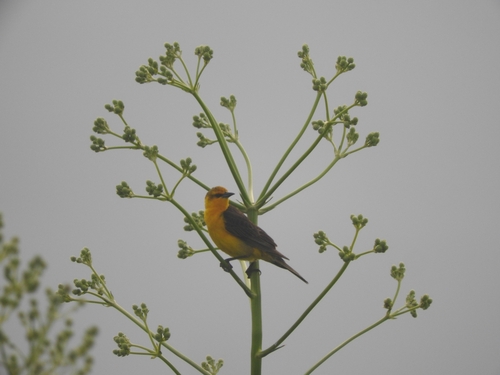
キバラムクドリモドキ (Xanthopsar flavus) キバラムクドリモドキ
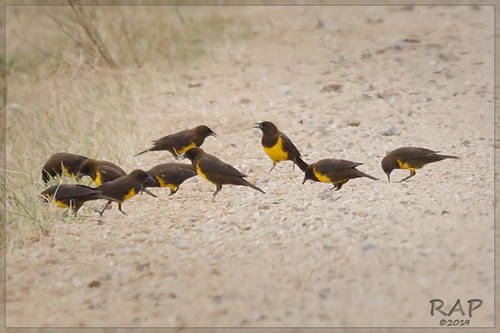
コヌマムクドリモドキ (Pseudoleistes virescens) コヌマムクドリモドキ

メディア

読み込み中…

要点

キバラムクドリモドキとコヌマムクドリモドキの間で最も信頼できるフィールドマークは、特に飛行中や幼鳥の間で、体と翼の黄色の分布と強度です。キバラムクドリモドキのオスは、頭部、腹部、尾に目を引く黄色-オレンジ色を示し、黒い上面との鋭いコントラストと黄色の肩のパッチがあります。メスと幼鳥はより鈍い色合いですが、依然として黄色の尾を示します。それに対して、コヌマムクドリモドキは全体的に深い茶色で、豊かな黄色は下胸部、腹部、そして飛行中に最も目立つ隠れた黄色の翼のパッチに制限されています。コヌマムクドリモドリはまた、はるかに大きく重く、両性は似ています。幼鳥の羽毛は、特に胸部と喉の黄色のパターンと範囲が異なります。両種は似たような開けた国に生息することがありますが、キバラムクドリモドキははるかに稀で局所的です。

識別のコツ

  1. 幼鳥の尾の色: キバラムクドリモドキの幼鳥は、コヌマムクドリモドリの幼鳥にはない特徴的なレモンイエローの尾を示します。コヌマムクドリモドリの幼鳥は、代わりに黄色がかった喉とストライプの入った黄色-茶色の胸を持っています。
  2. 成鳥オスの頭部と腹部: キバラムクドリモドキのオスは、黒い上面と尾に対して鮮やかな黄色-オレンジ色の頭部、腹部、尾を持ち、鋭く際立っています。コヌマムクドリモドリの成鳥は、これほど明るく対照的ではありません。
  3. メス/未熟な個体の混同: キバラムクドリモドキのメスは鈍い色合いですが、依然として黄色の腹部と尾を示し、茶色がかった灰色の上面と淡い腹部を持っています。コヌマムクドリモドリのメスはオスと同一で、頭部や尾に明るい黄色はありません。
  4. 飛行中の翼のパターン: キバラムクドリモドリは、飛行中に黄色のエポレット(マージナルおよび小カバー)と黄色の尾を示します。コヌマムクドリモドリは、翼の曲がりの部分(上翼カバー)で豊かな黄色のパッチと黄色の腹部を見せますが、翼と背中の残りは茶色のままです。
  5. くちばしと頭の構造: コヌマムクドリモドリは、より重く、頑丈なくちばしと頭を持つ一方、キバラムクドリモドリは全体的により細長く繊細です。
  6. 性的二形性: キバラムクドリモドリは性的二形性があり(オスはメスよりもはるかに明るい)、コヌマムクドリモドリの性別は同一です。
  7. 体のサイズ: コヌマムクドリモドリは、キバラムクドリモドリ(20 cm、約41 g)よりもはるかに大きく重い(24 cm、約80 g)です。両種が存在する場合や、サイズが既知の種に対して明らかな場合にこれを使用します。
  8. 虹彩の色: キバラムクドリモドキはオレンジ-茶色から深い赤-茶色の虹彩を持ち、コヌマムクドリモドリの虹彩は茶色です。これは微妙で、フィールドでは見えない場合があります。
  9. 足とくちばしの色: 両種は黒っぽいくちばしと足を持っているため、これでは区別できません。
  10. 背中と尾の羽毛: キバラムクドリモドキのオスは黒い上面と尾を持ち、コヌマムクドリモドリは上面と尾が茶色からオリーブ-茶色です。
  11. 腹部の黄色: コヌマムクドリモドリの黄色は、主に下胸部と腹部に制限され、キバラムクドリモドリのように頭部や尾には広がりません。
  12. 生息地の文脈: キバラムクドリモドキは稀で局所的で、散発的な湿地のある開けた草原を好み、コヌマムクドリモドリは湿地やパンパスでより一般的です。
  13. 群れの構成: キバラムクドリモドリは、他の開けた国の鳥と混合群れに参加することが多く、コヌマムクドリモドリは小さなコロニーにいることがあり、時には巣での助け手と共にいます。
  14. 止まっている時と飛んでいる時の視点: キバラムクドリモドキの黄色のエポレットは、止まっている時でも見えますが、コヌマムクドリモドリの黄色の翼のパッチは、休んでいる時にはほとんど隠れており、飛行中に最もよく見えます。
  15. 落とし穴: メスと幼鳥のキバラムクドリモドキは、鈍い羽毛のためにコヌマムクドリモドリと混同されることがありますが、常に尾の黄色(キバラムクドリモドキ)と腹部と翼のパッチのみに黄色があることを確認してください(コヌマムクドリモドリ)。

大きさ

コヌマムクドリモドリは、平均して24 cmの長さで、キバラムクドリモドキ(成鳥のオス約80 g対約42.5 g)のほぼ2倍の質量を持つため、かなり大きいです。キバラムクドリモドキは20 cmで41 gとよりコンパクトです。フィールドでは、コヌマムクドリモドリはより大きく、長い体に見え、より重い体格と相対的に大きな頭とくちばしを持っています。キバラムクドリモドキは、特に並んで見ると、明らかにより細長く繊細です。

羽色

行動

キバラムクドリモドキは、他の開けた国の種と共に、しばしば群れで採餌し、地面を探って昆虫やクモを探しているのが見られることが多いです。コヌマムクドリモドリも群れを作る種で、時にはコロニーで巣を作り、協力的な繁殖を示します。両種は地面や低い植生で採餌しますが、コヌマムクドリモドリは湿った草原やパンパスの中や近くで見られることが多く、時には巣での助け手と共に小さなグループで見られます。キバラムクドリモドキは、より乾燥した開けた草原や軽い湿地のある地域にいることが多く、しばしば混合種の群れにいます。

生息環境

両種は分布が重なっています(アルゼンチン、ブラジル、ウルグアイ、パラグアイ)が、キバラムクドリモドキははるかに稀で局所的で、開けた草原や軽い湿地のある地域を好み、時には水の近くにいますが、深い湿地ではありません。コヌマムクドリモドリはより広範囲に分布し、一般的で、湿地、パンパスの草原、湿った草地を好み、しばしばキバラムクドリモドキよりも密なまたは湿った植生の中にいます。もし本当の湿地やパンパスにいる場合、コヌマムクドリモドリの方が可能性が高いです。乾燥したまたは斑点のある草原、特に南ブラジルやウルグアイでは、キバラムクドリモドキを注意深く確認してください。

より良い説明を送る

比較と同じ項目を使ってください。文章はすぐに公開されます。

The most reliable field mark between Saffron-cowled Blackbird and Brown-and-yellow Marshbird is the distribution and intensity of yellow on the body and wings, especially in flight and among juveniles. Saffron-cowled Blackbird males show striking yellow-orange on the head, underparts, and rump, with a sharp contrast against black upperparts and a yellow shoulder patch; females and juveniles are duller but still show a yellow rump. In contrast, Brown-and-yellow Marshbird is overall deep brown with rich yellow restricted to the lower breast, belly, and a concealed yellow wing patch that is most visible in flight. The Marshbird is also much larger and heavier, and both sexes look alike. Juvenile plumages differ in the pattern and extent of yellow, especially on the breast and throat. Both species can occur in similar open country, but the Blackbird is much rarer and more localized.

  1. Juvenile rump color: Saffron-cowled Blackbird juveniles show a distinctive lemon-yellow rump, lacking in Marshbird juveniles, which instead have a yellowish throat and a streaked yellow-brown breast.
  2. Adult male head and underparts: Saffron-cowled Blackbird males have a bright yellow-orange head, underparts, and rump, sharply set off against black upperparts and tail. Marshbird adults are never this bright or contrasting.
  3. Female/immature confusion: Female Saffron-cowled Blackbird is duller but still shows a yellow underside and rump, with brownish-gray upperparts and a pale belly. Marshbird females are identical to males and lack any bright yellow on the head or rump.
  4. Wing pattern in flight: Saffron-cowled Blackbird shows yellow epaulets (marginal and lesser coverts) and a yellow rump in flight. Brown-and-yellow Marshbird flashes a rich yellow patch at the bend of the wing (upperwing coverts) and yellow belly, but the rest of the wing and back remain brown.
  5. Bill and head structure: Marshbird is bulkier with a heavier, more robust bill and head; Saffron-cowled Blackbird is more slender and delicate overall.
  6. Sexual dimorphism: Saffron-cowled Blackbird is sexually dimorphic (males much brighter than females); Marshbird sexes are identical.
  7. Body size: Marshbird is much larger and heavier (24 cm, ~80 g) than Saffron-cowled Blackbird (20 cm, ~41 g). Use this when both species are present or when size is apparent against known species.
  8. Iris color: Saffron-cowled Blackbird has an orange-brown to deep red-brown iris; Marshbird's iris is brown. This is subtle and may not be visible in the field.
  9. Leg and bill color: Both species have blackish bills and legs, so this is not helpful for separation.
  10. Plumage on back and tail: Saffron-cowled Blackbird males have black upperparts and tail; Marshbird is brown to olive-brown above and on the tail.
  11. Yellow on belly: Marshbird's yellow is mostly restricted to the lower breast and belly, not extending to the head or rump as in Saffron-cowled Blackbird.
  12. Habitat context: Saffron-cowled Blackbird is rare and local, favoring open grassland with scattered wet areas; Marshbird is more common in marshes and pampas.
  13. Flock composition: Saffron-cowled Blackbird often joins mixed flocks with other open-country birds; Marshbird may be in small colonies, sometimes with helpers at nests.
  14. Perched vs. flight views: Saffron-cowled Blackbird's yellow epaulet is visible even when perched; Marshbird's yellow wing patch is mostly concealed at rest and best seen in flight.
  15. Pitfalls: Female and juvenile Saffron-cowled Blackbirds can be confused with Marshbird due to duller plumage, but always check for yellow on the rump (Blackbird) vs. yellow only on belly and wing patch (Marshbird).

Brown-and-yellow Marshbird is significantly larger, averaging 24 cm in length and nearly double the mass of Saffron-cowled Blackbird (adult males ~80 g vs. ~42.5 g). Saffron-cowled Blackbird is more compact at 20 cm and 41 g. In the field, Marshbird will appear bulkier and longer-bodied, with a heavier build and proportionally larger head and bill. Saffron-cowled Blackbird is noticeably more slender and delicate, especially when seen side by side.

  • Juveniles: Saffron-cowled Blackbird juveniles resemble adult females but have a distinctive lemon-yellow rump. Brown-and-yellow Marshbird juveniles have a yellowish throat, a yellow and brownish striped breast, and a yellowish lower mandible, lacking the clean yellow rump of the Blackbird.
  • Adult males: Saffron-cowled Blackbird males are sharply marked: black upperparts (hindcrown, nape, back, tail), black lores, and a vivid yellow-orange head, rump, and underparts, with black undertail coverts tipped yellow. Their wings are mostly black but show a yellow epaulet (marginal and lesser coverts) even when perched. Brown-and-yellow Marshbird adults of both sexes are deep brown to olive-brown overall, with rich yellow only on the lower breast and belly, and a yellow wing patch (upperwing coverts and bend) that is mostly hidden when perched but flashes in flight.
  • Adult females: Saffron-cowled Blackbird females are much duller, with brownish-gray upperparts and a yellow underside, palest on the belly, and a brownish-gray eye-stripe. Still, they retain more yellow overall than Marshbird, especially on the rump. Marshbird females look identical to males.
  • In flight: Saffron-cowled Blackbird shows yellow epaulets and rump; Marshbird shows a broad yellow patch at the bend of the wing and yellow belly, but the rest of the upperparts remain brown.

Saffron-cowled Blackbird forages in rolling flocks, often with other open-country species, and is more likely to be seen probing the ground for insects and spiders. Brown-and-yellow Marshbird is also a flocking species, sometimes nesting colonially and exhibiting cooperative breeding. Both species forage on the ground or in low vegetation, but the Marshbird is more likely to be seen in or near marshy grasslands and pampas, sometimes in small groups with helpers at nests. Saffron-cowled Blackbird is more likely to be in drier open grassland or lightly marshy areas, often in mixed-species flocks.

Both species overlap in range (Argentina, Brazil, Uruguay, and Paraguay), but Saffron-cowled Blackbird is much rarer and more localized, preferring open grasslands and lightly marshy areas, sometimes near water but not deep marsh. Brown-and-yellow Marshbird is more widespread and common, favoring marshes, pampas grasslands, and wet meadows, often in denser or wetter vegetation than the Blackbird. If you are in a true marsh or pampas, Marshbird is more likely; in drier or patchy grassland, especially in southern Brazil or Uruguay, check carefully for Saffron-cowled Blackbird.

変更を破棄しますか?

保存していない編集があります。今離れると失われます。

キバラムクドリモドキ · コヌマムクドリモドキ · 苦手な鳥