

Motmot

ホオアカヨタカ 対 ゴマフヨタカ

Caprimulgus rufigena 対 Caprimulgus tristigma

ホオアカヨタカとゴマフヨタカのクイズ
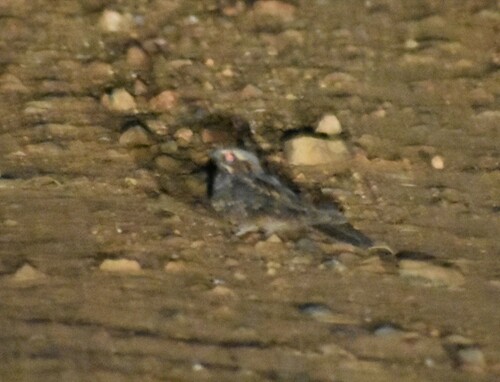
ホオアカヨタカ (Caprimulgus rufigena) ホオアカヨタカ
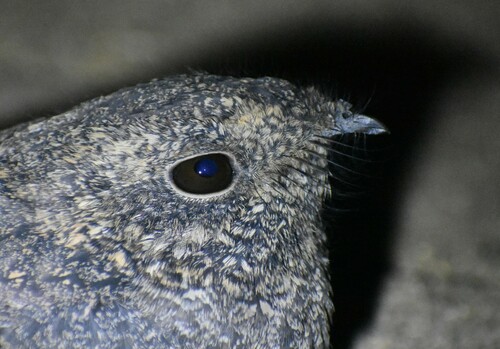
ゴマフヨタカ (Caprimulgus tristigma) ゴマフヨタカ

メディア

読み込み中…

要点

ホオアカヨタカとゴマフヨタカの間で最も信頼できるフィールドマークは、飛行中の成鳥の翼と尾の白のパターンです:オスのホオアカヨタカは、一次羽に広範囲な白と尾の角にいくつかの白を示しますが、ゴマフヨタカのオスは外側の一次羽に小さな白い斑点と外側の尾羽の白い先端しか持っていません。両種のメスは白が少なく、ゴマフヨタカのメスは尾に白が全くありません。構造的には、ゴマフヨタカは明らかに大きくて頑丈で、翼が長く尾が短く、遠くから見るとずっと暗く、はっきりとした模様が少なく見えます。両種はよくカモフラージュされていますが、ゴマフヨタカは岩の基盤に溶け込み、ホオアカヨタカは赤褐色の斑点があり、はっきりとした襟が少ないです。生息地と文脈が役立つことがあります:ゴマフヨタカは岩の突出部に強く関連しており、ホオアカヨタカは開けた地面を好み、その範囲の多くで渡り鳥です。

識別のコツ

  1. Male in flight: 一次羽と尾の白の広がりを探してください。ホオアカヨタカのオスは一次羽により広範囲な白と尾の角にいくつかの白を持っています;ゴマフヨタカのオスは外側の四つの一次羽に小さな白い斑点と外側の二つの尾羽の白い先端しか持っていません。
  2. Female in flight: ゴマフヨタカのメスは外側の一次羽に3〜4の小さな白い斑点があり、尾には白がありません;ホオアカヨタカのメスはバフ(白ではない)マークがありますが、ゴマフよりも広範囲ではありません。
  3. Perched birds: 休んでいるとき、両種は白い翼/尾の斑点を隠しますが、全体の色は異なります:ホオアカヨタカは赤褐色の斑点があり、はっきりとした襟が少ないのに対し、ゴマフヨタカは暗い灰色またはほぼ黒で、細かい淡い斑点は近くでしか見えません。
  4. General jizz: ゴマフヨタカはより大きく、翼が長く、尾が短く、岩の上でより直立して座ります。ホオアカヨタカはより小さく、コンパクトです。
  5. Habitat: ゴマフヨタカはほぼ常に岩の突出部、岩石、または石の地面で見られます;ホオアカヨタカは開けた砂地や草地を好み、岩のエリアを避けます。
  6. Camouflage: ゴマフヨタカの羽毛は岩の基盤に合わせて作られており、石の上でほぼ見えなくなります;ホオアカヨタカは落ち葉や砂の土に溶け込みます。
  7. Underparts: ゴマフヨタカは白っぽい/シナモン色の縞模様のある暗い茶色の腹部を持っています;ホオアカヨタカは下側がより淡く、赤褐色です。
  8. Size: 一緒に見たり経験があれば、ゴマフヨタカはホオアカヨタカよりも明らかに大きくて重いです。
  9. Sexual dimorphism: 両種はオスの翼/尾により多くの白を示しますが、パターンと範囲は上記のように異なります;オスを区別するために尾の白を確認してください。
  10. Juveniles: 幼鳥のための特徴的な飛行マークは記載されていません;両種の雛は非常によくカモフラージュされていますが、生息地と成鳥の関連がより良い手がかりです。
  11. Vocalization: ホオアカヨタカの歌だけが記載されています(夜の長いチャーリング);歌がないことはゴマフの診断にはなりません。
  12. Season: ホオアカヨタカは渡り鳥で、繁殖シーズン以外は南アフリカにいないことがあります;ゴマフヨタカは居住者で、強い場所への忠誠心があります。
  13. Behavior: ゴマフヨタカはしばしば露出した岩に止まり、採餌後に同じ場所に滑空します;ホオアカヨタカは開けた地面から逃げる可能性が高いです。
  14. Distance view: 遠くから見ると、ゴマフヨタカはホオアカヨタカよりもずっと暗く、模様が少ないように見えます。
  15. Pitfall: 一次羽の白は両方に存在しますが、量と尾の存在/不在が重要です—常に自信を持って識別するために、飛行中に翼と尾のパターンの両方を見るようにしてください。

大きさ

ゴマフヨタカは明らかに重く(成鳥の質量約79g [wikidata])、大きくて力強い体格で、翼が長く、比較的短い尾を持っています。ホオアカヨタカは小さく(オス48〜65g、メス46〜66g [wikipedia])、より典型的なヨタカのシルエットを持っています。フィールドでは、ゴマフヨタカは特に飛行中により大きく、長い翼を持っているように見え、ホオアカヨタカはよりコンパクトです。

羽色

行動

ゴマフヨタカは岩の止まり木に強く関連しており、しばしば岩や岩の土手に座って昆虫を短いサリーで採餌し、止まり木に戻ります。開けた岩の風景で見られる可能性が高く、冬にはあまり活発ではありません。ホオアカヨタカはアフリカ内の渡り鳥で、範囲の南部で繁殖し、岩よりも開けた地面で遭遇する可能性が高いです。両種は薄明かり/夜行性で、飛ぶ昆虫を食べますが、ゴマフヨタカの採餌スタイルは岩の地形により結びついています。

生息環境

ゴマフヨタカは岩の突出部、岩石のフィールド、石の丘に特化しており、その羽毛は優れたカモフラージュを提供します。このような生息地から離れて見つかることはほとんどありません。ホオアカヨタカは開けた地面を好み、岩のエリアに縛られていません;南アフリカで繁殖し、非繁殖シーズンに北に渡ります。生息地の文脈はしばしば強い手がかりです:裸の岩の突出部にいるヨタカはゴマフである可能性が高く、開けた砂地や草地にいるものはホオアカヨタカである可能性が高いです。

声

ホオアカヨタカのオスは繁殖シーズン中の夜に長く連続したチャーリングの歌を届け、月が隠れるか巣の交換中に止まります。ゴマフヨタカの声は提供されたメモには記載されていないため、利用可能な情報に基づいて声は信頼できる区別にはなりません。

より良い説明を送る

比較と同じ項目を使ってください。文章はすぐに公開されます。

The most reliable field mark between Rufous-cheeked Nightjar and Freckled Nightjar is the pattern of white in the wings and tail of adults in flight: male Rufous-cheeked Nightjars show extensive white on the primaries and some on the tail corners, while Freckled Nightjar males have only small white spots on the outer primaries and white tips on the outer tail feathers. Females of both species have less white, but Freckled Nightjar females lack white on the tail entirely. Structurally, Freckled Nightjar is noticeably larger and more robust, with longer wings and a shorter tail, and appears much darker and less distinctly marked at a distance. Both species are well camouflaged, but Freckled Nightjar blends into rocky substrates, while Rufous-cheeked Nightjar is paler with rufous spotting and a less distinct collar. Habitat and context can help: Freckled Nightjar is strongly associated with rocky outcrops, while Rufous-cheeked Nightjar favors open ground and is a migrant in much of its range.

  1. Male in flight: Look for the extent of white in the primaries and tail. Rufous-cheeked Nightjar males have more extensive white in the primaries and some in the tail corners; Freckled Nightjar males have only small white spots in the four outer primaries and white tips on the two outer tail feathers.
  2. Female in flight: Freckled Nightjar females have 3–4 small white spots on the outer primaries and no white in the tail; Rufous-cheeked Nightjar females have buff (not white) marks, but less extensive than in Freckled.
  3. Perched birds: At rest, both species hide their white wing/tail spots, but overall color differs: Rufous-cheeked Nightjar is paler with rufous spotting and a less distinct collar, while Freckled Nightjar is dark gray or nearly black with fine pale freckling only visible up close.
  4. General jizz: Freckled Nightjar is bulkier, with longer wings and a shorter tail, and sits more upright on rocks. Rufous-cheeked Nightjar is smaller and more compact.
  5. Habitat: Freckled Nightjar is almost always found on rocky outcrops, boulders, or stony ground; Rufous-cheeked Nightjar prefers open, sandy, or grassy ground and avoids rocky areas.
  6. Camouflage: Freckled Nightjar's plumage is tailored to rocky substrates, making it nearly invisible on stone; Rufous-cheeked Nightjar blends into leaf litter or sandy soil.
  7. Underparts: Freckled Nightjar has dark brown underparts with whitish/cinnamon barring; Rufous-cheeked Nightjar is paler and more rufous below.
  8. Size: If seen together or with experience, Freckled Nightjar is noticeably larger and heavier than Rufous-cheeked Nightjar.
  9. Sexual dimorphism: Both species show more white in the wings/tail of males, but the pattern and extent differ as above; check for white in the tail to separate males.
  10. Juveniles: No distinctive flight marks described for immatures; both species' chicks are extremely well camouflaged, but habitat and adult association are better clues.
  11. Vocalization: Only Rufous-cheeked Nightjar's song is described (long churring at night); lack of song is not diagnostic for Freckled.
  12. Season: Rufous-cheeked Nightjar is migratory and may be absent from southern Africa outside the breeding season; Freckled Nightjar is resident with strong site fidelity.
  13. Behavior: Freckled Nightjar often perches on exposed rocks and glides back to the same spot after foraging; Rufous-cheeked Nightjar is more likely to flush from open ground.
  14. Distance view: At a distance, Freckled Nightjar appears much darker and less patterned than Rufous-cheeked Nightjar.
  15. Pitfall: White in the primaries is present in both, but the amount and presence/absence in the tail is key—always try to see both wing and tail pattern in flight for confident ID.

Freckled Nightjar is significantly heavier (adult mass ~79g [wikidata]) and is described as large and powerfully built, with long wings and a relatively short tail. Rufous-cheeked Nightjar is smaller (male 48–65g, female 46–66g [wikipedia]), with a more typical nightjar silhouette. In the field, Freckled Nightjar will look bulkier and longer-winged, especially in flight, while Rufous-cheeked Nightjar is more compact.

  • Adults in flight: Male Rufous-cheeked Nightjar shows more extensive white in the primaries and some white in the tail corners; female has buff instead of white, but less extensive than in Freckled. Freckled Nightjar males have only small white spots on the four outer primaries and white tips on the two outer tail feathers; females have 3–4 small white spots on the outer primaries and no white in the tail. When perched, white spots are generally hidden in both species.
  • General coloration: Rufous-cheeked Nightjar is paler, with a dark brown body and rufous spots, and a less distinct rufous collar. Freckled Nightjar appears dark gray or nearly black at a distance, with fine white, cinnamon, and pale buff freckling visible only at close range. Underparts of Freckled Nightjar are dark brown with whitish and cinnamon barring, while Rufous-cheeked Nightjar is overall paler and more rufous-toned.
  • Juveniles: Both species' chicks are extremely well camouflaged, but Rufous-cheeked Nightjar juveniles have disruptive counter-shading down, while Freckled Nightjar chicks blend in with rocks. No distinctive juvenile upperwing pattern is described for either species.
  • Sexual dimorphism: Both species show more white in the wings/tail of males, but the pattern and extent differ as above.

Freckled Nightjar is strongly associated with rocky perches and is often seen sitting on boulders or rocky banks, foraging with short sallies for insects and gliding back to its perch. It is more likely to be seen in open, rocky landscapes, and is less active in winter. Rufous-cheeked Nightjar is an intra-African migrant, breeding in southern parts of its range, and is more likely to be encountered on open ground rather than rocks. Both species are crepuscular/nocturnal and feed on flying insects, but Freckled Nightjar's foraging style is more tied to rocky terrain.

Freckled Nightjar is a specialist of rocky outcrops, boulder fields, and stony hillsides, where its plumage provides excellent camouflage. It is rarely found away from such habitats. Rufous-cheeked Nightjar prefers open ground and is not tied to rocky areas; it breeds in southern Africa and migrates north in the non-breeding season. Habitat context is often a strong clue: a nightjar on a bare rocky outcrop is more likely Freckled, while one on open sandy or grassy ground is more likely Rufous-cheeked.

Rufous-cheeked Nightjar males deliver a long, continuous churring song at night during the breeding season, which stops when the moon is obscured or during nest exchanges. Freckled Nightjar's vocalizations are not described in the provided notes, so voice is not a reliable separator based on available information.

変更を破棄しますか?

保存していない編集があります。今離れると失われます。

ホオアカヨタカ · ゴマフヨタカ · 苦手な鳥