

Chotacabras Carirrojo vs Chotacabras Pecoso
Caprimulgus rufigena frente a Caprimulgus tristigma
Juega un quiz con Chotacabras Carirrojo y Chotacabras Pecoso
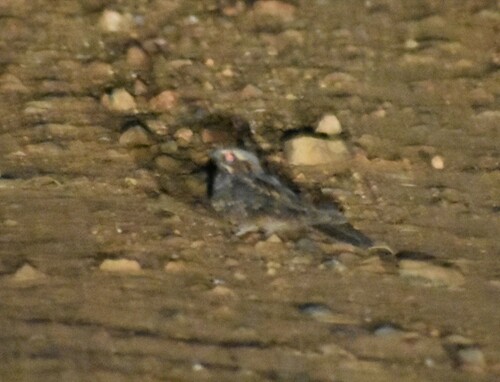 Chotacabras Carirrojo
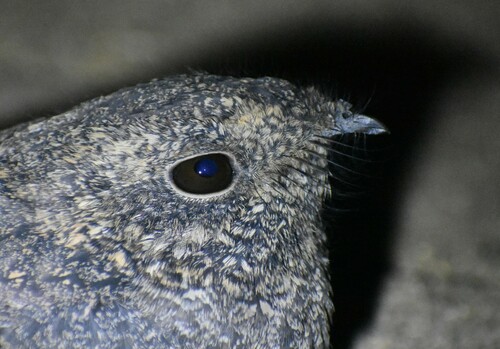 Chotacabras Pecoso
En breve
La marca de campo más confiable entre el Chotacabras Carirrojo y el Chotacabras Pecoso es el patrón de blanco en las alas y la cola de los adultos en vuelo: los machos de Chotacabras Carirrojo muestran un blanco extenso en las primarias y algo en las esquinas de la cola, mientras que los machos de Chotacabras Pecoso tienen solo pequeñas manchas blancas en las primarias externas y puntas blancas en las plumas de la cola externas. Las hembras de ambas especies tienen menos blanco, pero las hembras de Chotacabras Pecoso carecen de blanco en la cola por completo. Estructuralmente, el Chotacabras Pecoso es notablemente más grande y robusto, con alas más largas y una cola más corta, y parece mucho más oscuro y menos distintivamente marcado a distancia. Ambas especies están bien camufladas, pero el Chotacabras Pecoso se mezcla con sustratos rocosos, mientras que el Chotacabras Carirrojo es más pálido con manchas rufo y un collar menos distintivo. El hábitat y el contexto pueden ayudar: el Chotacabras Pecoso está fuertemente asociado con afloramientos rocosos, mientras que el Chotacabras Carirrojo prefiere terrenos abiertos y es un migrante en gran parte de su rango.
Consejos de identificación
- Machos en vuelo: Busca la extensión de blanco en las primarias y la cola. Los machos de Chotacabras Carirrojo tienen más blanco extenso en las primarias y algo en las esquinas de la cola; los machos de Chotacabras Pecoso tienen solo pequeñas manchas blancas en las cuatro primarias externas y puntas blancas en las dos plumas de la cola externas.
- Hembras en vuelo: Las hembras de Chotacabras Pecoso tienen 3–4 pequeñas manchas blancas en las primarias externas y no tienen blanco en la cola; las hembras de Chotacabras Carirrojo tienen marcas color canela (no blancas), pero menos extensas que en Chotacabras Pecoso.
- Aves posadas: En reposo, ambas especies ocultan sus manchas blancas en las alas/cola, pero el color general difiere: el Chotacabras Carirrojo es más pálido con manchas rufo y un collar menos distintivo, mientras que el Chotacabras Pecoso es gris oscuro o casi negro con un fino moteado pálido visible solo de cerca.
- Jizz general: El Chotacabras Pecoso es más robusto, con alas más largas y una cola más corta, y se sienta más erguido en las rocas. El Chotacabras Carirrojo es más pequeño y compacto.
- Hábitat: El Chotacabras Pecoso se encuentra casi siempre en afloramientos rocosos, rocas o terrenos pedregosos; el Chotacabras Carirrojo prefiere terrenos abiertos, arenosos o cubiertos de hierba y evita áreas rocosas.
- Camuflaje: El plumaje del Chotacabras Pecoso está adaptado a sustratos rocosos, haciéndolo casi invisible en la piedra; el Chotacabras Carirrojo se mezcla con la hojarasca o el suelo arenoso.
- Partes inferiores: El Chotacabras Pecoso tiene partes inferiores marrón oscuro con bandas blanquecinas/canela; el Chotacabras Carirrojo es más pálido y más rufo por debajo.
- Tamaño: Si se ven juntos o con experiencia, el Chotacabras Pecoso es notablemente más grande y pesado que el Chotacabras Carirrojo.
- Dimorfismo sexual: Ambas especies muestran más blanco en las alas/cola de los machos, pero el patrón y la extensión difieren como se mencionó anteriormente; verifica la presencia de blanco en la cola para separar a los machos.
- Juveniles: No se describen marcas de vuelo distintivas para los inmaduros; los polluelos de ambas especies están extremadamente bien camuflados, pero el hábitat y la asociación con los adultos son mejores pistas.
- Vocalización: Solo se describe el canto del Chotacabras Carirrojo (un largo murmullo por la noche); la falta de canto no es un diagnóstico para el Chotacabras Pecoso.
- Temporada: El Chotacabras Carirrojo es migratorio y puede estar ausente del sur de África fuera de la temporada de cría; el Chotacabras Pecoso es residente con una fuerte fidelidad al sitio.
- Comportamiento: El Chotacabras Pecoso a menudo se posa en rocas expuestas y regresa al mismo lugar después de forrajear; el Chotacabras Carirrojo es más propenso a levantarse del suelo abierto.
- Vista a distancia: A distancia, el Chotacabras Pecoso parece mucho más oscuro y menos patrón que el Chotacabras Carirrojo.
- Trampa: El blanco en las primarias está presente en ambos, pero la cantidad y la presencia/ausencia en la cola son clave; siempre intenta ver tanto el patrón de las alas como el de la cola en vuelo para una identificación confiable.
Tamaño
El Chotacabras Pecoso es significativamente más pesado (masa adulta ~79g [wikidata]) y se describe como grande y robusto, con alas largas y una cola relativamente corta. El Chotacabras Carirrojo es más pequeño (macho 48–65g, hembra 46–66g [wikipedia]), con una silueta de chotacabras más típica. En el campo, el Chotacabras Pecoso se verá más voluminoso y con alas más largas, especialmente en vuelo, mientras que el Chotacabras Carirrojo es más compacto.
Plumaje
- Adultos en vuelo: El macho de Chotacabras Carirrojo muestra un blanco más extenso en las primarias y algo de blanco en las esquinas de la cola; la hembra tiene color canela en lugar de blanco, pero menos extenso que en el Chotacabras Pecoso. Los machos de Chotacabras Pecoso tienen solo pequeñas manchas blancas en las cuatro primarias externas y puntas blancas en las dos plumas de la cola externas; las hembras tienen 3–4 pequeñas manchas blancas en las primarias externas y no tienen blanco en la cola. Cuando están posados, las manchas blancas generalmente están ocultas en ambas especies.
- Coloración general: El Chotacabras Carirrojo es más pálido, con un cuerpo marrón oscuro y manchas rufo, y un collar rufo menos distintivo. El Chotacabras Pecoso parece gris oscuro o casi negro a distancia, con un fino moteado blanco, canela y color canela visible solo a corta distancia. Las partes inferiores del Chotacabras Pecoso son marrón oscuro con bandas blanquecinas y canela, mientras que el Chotacabras Carirrojo es en general más pálido y más rufo.
- Juveniles: Los polluelos de ambas especies están extremadamente bien camuflados, pero los juveniles de Chotacabras Carirrojo tienen un plumón de contrasombre disruptivo, mientras que los polluelos de Chotacabras Pecoso se mezclan con las rocas. No se describe un patrón distintivo en el ala superior juvenil para ninguna de las especies.
- Dimorfismo sexual: Ambas especies muestran más blanco en las alas/cola de los machos, pero el patrón y la extensión difieren como se mencionó anteriormente.
Comportamiento
El Chotacabras Pecoso está fuertemente asociado con posaderos rocosos y a menudo se ve sentado en rocas o bancos rocosos, forrajeando con cortas embestidas para insectos y deslizándose de regreso a su posadero. Es más probable que se vea en paisajes abiertos y rocosos, y es menos activo en invierno. El Chotacabras Carirrojo es un migrante intraafricano, que cría en las partes del sur de su rango, y es más probable que se encuentre en terreno abierto en lugar de en rocas. Ambas especies son crepusculares/nocturnas y se alimentan de insectos voladores, pero el estilo de forrajeo del Chotacabras Pecoso está más ligado al terreno rocoso.
Hábitat
El Chotacabras Pecoso es un especialista de afloramientos rocosos, campos de rocas y laderas pedregosas, donde su plumaje proporciona un excelente camuflaje. Rara vez se encuentra lejos de tales hábitats. El Chotacabras Carirrojo prefiere terrenos abiertos y no está ligado a áreas rocosas; cría en el sur de África y migra hacia el norte en la temporada no reproductiva. El contexto del hábitat a menudo es una pista fuerte: un chotacabras en un afloramiento rocoso desnudo es más probable que sea Pecoso, mientras que uno en terreno arenoso o cubierto de hierba es más probable que sea Carirrojo.
Voz
Los machos de Chotacabras Carirrojo emiten un canto largo y continuo por la noche durante la temporada de cría, que se detiene cuando la luna está oscurecida o durante los intercambios de nidos. Las vocalizaciones del Chotacabras Pecoso no se describen en las notas proporcionadas, por lo que la voz no es un separador confiable basado en la información disponible.
Chotacabras Carirrojo · Chotacabras Pecoso · Mis aves difíciles