

Motmot

ムネアカミカドバト 対 アカメミカドバト

Ducula chalconota 対 Ducula pinon

ムネアカミカドバトとアカメミカドバトのクイズ
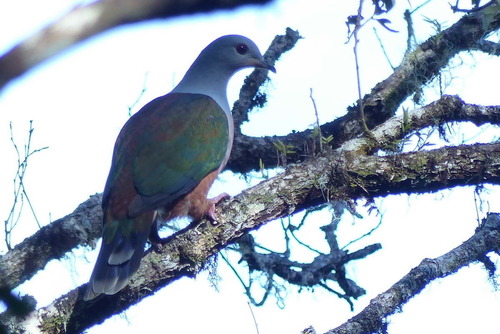
ムネアカミカドバト (Ducula chalconota) ムネアカミカドバト
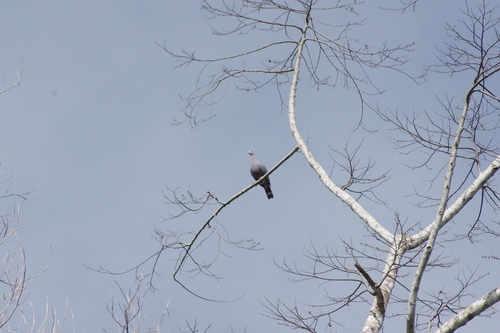
アカメミカドバト (Ducula pinon) アカメミカドバト

メディア

読み込み中…

要点

ルフェセントミカドバトとアカメミカドバトを区別する最も信頼できる方法は、ルフェセントの特徴的な羽毛に焦点を当てることです。スレートグレーの頭、金属的な緑の背中と翼、そして淡いオレンジ色の胸を持つユニークな栗色の腹部の組み合わせを探してください。ルフェセントは、青い光沢のある黒っぽい尾を持ち、一部の亜種では背中に赤紫色の虹色が見られます。アカメミカドバトはこれらの特定の色のコントラストを欠いており、一般的に色が豊かではありません。若いルフェセントミカドバトは、より淡い頭と首、そしてぼんやりとした灰色の胸を持ち、注意深く確認しないと混乱を招くことがあります。両種はサイズと形が似ていますが、ルフェセントはやや大きく、ずんぐりしています。フィールドでは、特に下部の豊かな赤褐色とワイン色のトーン、そしてアカメミカドバトには見られない金属的な上部に焦点を当ててください。

識別のコツ

  1. 幼鳥の羽毛: 幼いルフェセントミカドバトは、より淡い頭と首、そして豊かなワイン色と栗色のトーンを欠いたぼんやりとした灰色の胸を持っています。洗い流されたような頭と胸を持つ未熟なミカドバトを見たら、ルフェセントを考慮してください。
  2. 頭の色: 成鳥のルフェセントはスレートグレーの頭を示し、金属的な緑の背中と対照的です。アカメミカドバトはこの鋭いコントラストを欠き、一般的に地味です。
  3. 上部: ルフェセントの背中と翼の羽毛は金属的な緑で、青銅色と青みがかった反射があり、時には赤紫色の虹色が見られます(亜種 chalconota)。アカメミカドバトはこの金属的または虹色の効果を示しません。
  4. 尾: ルフェセントは青い光沢のある黒っぽい尾を持ち、良い光の中では目を引くことがあります。アカメミカドバトの尾はこの光沢や強度を持っているとは記述されていません。
  5. 下部: ルフェセントは淡いオレンジ色の喉と胸、ワイン色の胸、深い栗色の腹部と側面を持っています。アカメミカドバトの下部は色が豊かではなく、赤褐色や栗色のトーンを欠いています。
  6. 足と目の色: ルフェセントは赤い足と赤みがかった目を持ち、近くで見ると確認できるかもしれません。アカメミカドバトはそのような強い色を持っているとは記述されていません。
  7. 性差: メスのルフェセントはオスに似ていますが、赤みがかった虹色が少ないです。アカメミカドバトの性差は記述されていないので、その種の性差に頼らないでください。
  8. 飛行時の視点: 飛行中は、ルフェセントの金属的な上翼と青光沢のある尾を探してください。アカメミカドバトはこれらの特徴を欠き、より均一に見えます。
  9. サイズと体格: ルフェセントはやや大きく、ずんぐりしています、特にオスですが、これは直接比較がある場合にのみ有用です。
  10. 行動: ルフェセントは密林の中層で静かに座っていることが多く、森林外ではめったに見られません。アカメミカドバトは森林の端や密度の低い地域でより目立つかもしれません。
  11. 鳴き声: ゆっくりとした悲しげなハミング音や空洞の「ウー」という音を聞いたら、ルフェセントを考慮してくださいが、両種は通常静かで、声だけで確実に区別することはできません。
  12. 希少性: ルフェセントはアカメミカドバトよりもはるかに希少で、より局所的です。両方が生息する地域にいる場合、デフォルトはアカメミカドバトですが、特徴的なルフェセントの羽毛を見ない限りです。
  13. 落とし穴: 未熟なルフェセントは洗い流されたように見え、大人の豊かな色を欠いているため、アカメミカドバトと混同されることがあります。常に頭、上部、下部の色の組み合わせを確認してください。
  14. 文脈: 両種はニューギニアの森林のミカドバトですが、ルフェセントの厳格な森林内部の好みと希少性は、ハビタットが知られている場合の手がかりです。
  15. チェックリスト: どの大きなミカドバトでも、まず上部と尾に金属的な緑と青光沢があるか確認し、その後栗色の下部とスレートグレーの頭を探してください。これらの特徴が欠けている場合はアカメミカドバトを示します。

大きさ

ルフェセントミカドバトはやや大きく、オスは41〜42 cm(16〜17インチ)、メスは37〜39 cm(15インチ)に達し、両性とも約21〜22オンスの重さです。アカメミカドバトはサイズが似ていますが、通常は最大のルフェセント個体ほど頑丈でも長くもありません。実際には、サイズだけでは強力な区別にはならず、両種が並んで見られない限り、ニューギニアの森林で目立って大きく、重いミカドバトはルフェセントである可能性が高いです。

羽色

若いルフェセントミカドバトは、より淡い頭と首、そして豊かなワイン色と栗色のトーンを欠いたぼんやりとした灰色の胸で識別できます。成鳥(両性)はスレートグレーの頭、金属的な緑の背中と翼の羽毛に青銅色と青みがかった反射を持ち、青い光沢のある黒っぽい尾、淡いオレンジ色の喉と胸、ワイン色の胸、深い栗色の腹部と側面を示します。亜種 chalconota は背中とマントルに赤紫色の虹色を加えます。メスは似ていますが、赤みがかった虹色が少ないです。アカメミカドバトはこれらの特定の金属的および赤褐色のトーンを欠いており、スレートグレーの頭、金属的な緑の上部、栗色の下部の組み合わせを示しません。ルフェセントの青い光沢のある黒っぽい尾と赤い足と目も、アカメミカドバトよりも際立っています。飛行中、ルフェセントの上翼と尾のパターン(特に金属的および青光沢)は、よく見られれば特徴的です。

行動

ルフェセントミカドバトは、密林の中層で静かに座っていることが多く、森林外ではめったに見られません。通常は静かですが、驚くと空洞のノック音やスラーレッドな「ウー」という音を出します。アカメミカドバトは似たような森林の習性を持っていますが、厳密に森林に依存しているとは記述されていません。両種はイチジクや果物を食べ、一般的に目立たないですが、ルフェセントの深い森林に留まる傾向とその希少性は、遭遇する可能性を低くします。

生息環境

両種はニューギニアの森林に生息していますが、ルフェセントミカドバトは希少で厳密に森林に生息し、密な覆いを離れることはめったにありません。アカメミカドバトも森林の種ですが、希少性や森林内部に制限されているとは記述されていません。特に中層の手つかずの森林の奥深くでミカドバトに出会った場合、ルフェセントの可能性が高いですが、生息地だけでは診断にはなりません。

声

ルフェセントミカドバトは通常静かですが、鳴くときはゆっくりとした悲しげなハミング音、低い「フー」、またはスラーレッドな「ウー」のように聞こえる空洞のノック音を出します。デュエットが観察されています。アカメミカドバトは、特有の鳴き声を持っているとは記述されておらず、実際にはどちらの種もフィールドで声だけで識別される可能性は低いです。

より良い説明を送る

比較と同じ項目を使ってください。文章はすぐに公開されます。

The most reliable way to separate Rufescent Imperial-Pigeon from Pinon's Imperial-Pigeon is by focusing on the distinctive plumage of Rufescent: look for a combination of a slaty-grey head, metallic green back and wings, and a unique chestnut belly with a pale orange chest. Rufescent also shows a blackish tail with a blue gloss and, in some subspecies, reddish-purple iridescence on the mantle. Pinon's Imperial-Pigeon lacks these specific color contrasts, and is generally less richly colored. Juvenile Rufescent Imperial-Pigeons have a paler head and neck and a vaguely greyish breast, which can be a pitfall if not carefully checked. Both species are similar in size and shape, but Rufescent is slightly larger and bulkier. In the field, focus on the rich rufous and vinous tones of Rufescent, especially on the underparts, and the metallic upperparts, which Pinon's does not match.

  1. Juvenile plumage: Juvenile Rufescent Imperial-Pigeons have a paler head and neck and a vaguely greyish breast, lacking the rich vinous and chestnut tones of adults. If you see an immature imperial-pigeon with a washed-out head and breast, consider Rufescent.
  2. Head color: Adult Rufescent shows a slaty-grey head, which contrasts with the metallic green back. Pinon's lacks this sharp contrast and is generally plainer.
  3. Upperparts: Rufescent's back and wing coverts are metallic green with bronzy and bluish reflections, sometimes with reddish-purple iridescence (subspecies chalconota). Pinon's does not show this metallic or iridescent effect.
  4. Tail: Rufescent has a blackish tail with a blue gloss, which can be striking in good light. Pinon's tail is not described as having this gloss or intensity.
  5. Underparts: Rufescent has a pale orange throat and chest, vinous breast, and deep chestnut belly and flanks. Pinon's underparts are less richly colored and lack the rufous/chestnut tones.
  6. Feet and eye color: Rufescent has red feet and a reddish eye, which may be visible at close range. Pinon's is not described as having such strong colors.
  7. Sex differences: Female Rufescent is similar to the male but with less reddish iridescence. Pinon's sexual dimorphism is not described, so do not rely on sex differences for that species.
  8. Flight views: In flight, look for the metallic upperwing and blue-glossed tail of Rufescent. Pinon's lacks these features and will appear more uniform.
  9. Size and bulk: Rufescent is slightly larger and bulkier, especially the male, but this is only useful if you have a direct comparison.
  10. Behavior: Rufescent is more likely to be found deep in the forest, sitting quietly at mid-levels. Pinon's may be more visible at forest edges or in less dense areas.
  11. Vocalizations: If you hear a slow, mournful hum or a hollow 'woo', consider Rufescent, but both species are usually silent and not reliably separated by voice.
  12. Rarity: Rufescent is much rarer and more local than Pinon's. If you are in an area where both occur, the default is Pinon's unless you see the distinctive Rufescent plumage.
  13. Pitfalls: Immature Rufescent can look washed-out and lack the rich colors of adults, which may cause confusion with Pinon's. Always check for the combination of head, upperparts, and underparts color.
  14. Context: Both species are forest pigeons of New Guinea, but Rufescent's strict forest interior preference and rarity are clues if habitat is known.
  15. Checklist: For any large imperial-pigeon, first check for metallic green and blue gloss on the upperparts and tail, then look for chestnut underparts and a slaty-grey head. Absence of these features points to Pinon's.

Rufescent Imperial-Pigeon is slightly larger, with males reaching 41–42 cm (16–17 in) and females 37–39 cm (15 in), both sexes weighing around 21–22 ounces. Pinon's Imperial-Pigeon is similar in size but typically not as robust or long as the largest Rufescent individuals. In practice, size alone is not a strong separator unless both species are seen side by side, but a noticeably large, heavy imperial-pigeon in New Guinea forests is more likely to be Rufescent.

Juvenile Rufescent Imperial-Pigeons can be told by their paler head and neck and a breast that appears vaguely greyish, lacking the strong vinous and chestnut tones of adults. Adults (both sexes) of Rufescent show a slaty-grey head, metallic green back and wing coverts with bronzy and bluish reflections, a blackish tail with a blue gloss, a pale orange throat and chest, vinous breast, and deep chestnut belly and flanks. Subspecies chalconota adds reddish-purple iridescence on the mantle and back. Females are similar but with less reddish iridescence. Pinon's Imperial-Pigeon lacks these specific metallic and rufous tones, and does not show the combination of slaty-grey head, metallic green upperparts, and chestnut underparts. The blackish tail with blue gloss and the red feet and eye of Rufescent are also more pronounced than in Pinon's. In flight, the upperwing and tail pattern of Rufescent (especially the metallic and blue gloss) is distinctive if seen well.

Rufescent Imperial-Pigeon is often found sitting quietly in the mid-levels of dense forest and is rarely seen outside forested areas. It is usually silent, but when alarmed, it gives a hollow knock or slurred 'woo' sound. Pinon's Imperial-Pigeon shares similar forest habits but is not described as being as strictly forest-bound or as silent. Both species feed on figs and fruits and are generally unobtrusive, but Rufescent's tendency to remain deep in the forest and its rarity make it less likely to be encountered.

Both species occur in New Guinea forests, but Rufescent Imperial-Pigeon is described as rare and strictly forest-dwelling, rarely leaving dense cover. Pinon's Imperial-Pigeon is also a forest species but is not noted as being as rare or as restricted to the forest interior. If you encounter an imperial-pigeon deep in undisturbed forest, especially at mid-levels, Rufescent is more likely, but habitat alone is not diagnostic.

Rufescent Imperial-Pigeon is usually silent, but when it does vocalize, it produces a slow, mournful hum, a low 'hoo', or a hollow knock that can sound like a slurred 'woo'. Duetting has been observed. Pinon's Imperial-Pigeon is not described in the sources as having distinctive vocalizations, and in practice, neither species is likely to be identified by voice alone in the field.

変更を破棄しますか?

保存していない編集があります。今離れると失われます。

ムネアカミカドバト · アカメミカドバト · 苦手な鳥