

Motmot

キョウジョシギ 対 オオアジサシ

Arenaria interpres 対 Thalasseus bergii

キョウジョシギとオオアジサシのクイズ
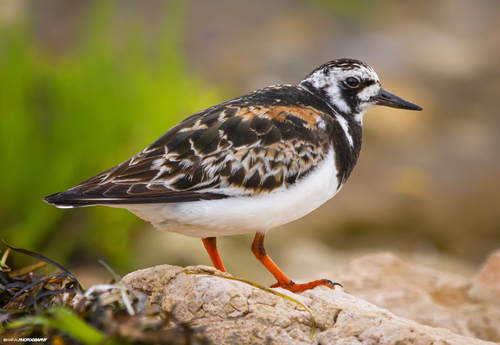
キョウジョシギ (Arenaria interpres) キョウジョシギ
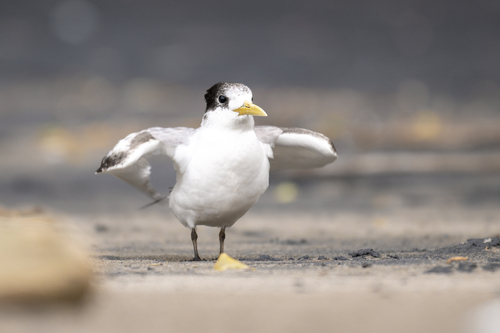
オオアジサシ (Thalasseus bergii) オオアジサシ

メディア

読み込み中…

要点

キョウジョシギとオオアジサシを区別する最も信頼できるフィールドマークは、全体的な構造とくちばしです:キョウジョシギは短い脚を持つずんぐりした海岸鳥で、短くて暗い、わずかに上向きのくちばしを持っていますが、オオアジサシははるかに大きく、長い翼を持つ海鳥で、長くてまっすぐな黄色のくちばしと、もしゃもしゃした黒い冠を持っています。飛行中、幼鳥や非繁殖期のキョウジョシギは、はっきりした白い翼帯と白い下背部と尾羽を示しますが、幼鳥のアジサシは暗い帯のある多様な上翼を持ち、キョウジョシギのハーレクイン模様は欠いています。キョウジョシギはしばしば岩や砂の岸を走り回り、ゴミをひっくり返しているのが見られますが、アジサシは通常、水上を飛んでいるか、ビーチや島に止まっています。オレンジの脚を見たら、それはキョウジョシギです;長い黄色のくちばしと黒い冠を見たら、それはアジサシです。

識別のコツ

  1. Bill shape and color: キョウジョシギは短くて暗い、わずかに上向きのくちばしを持っています;オオアジサシは長くてまっすぐな黄色(緑がかった)くちばしを持っています。これはすべての年齢と季節で見られます。
  2. Leg color: キョウジョシギの脚は明るいオレンジ色(すべての年齢、すべての季節);アジサシの脚は黒です。オレンジの脚を見たら、それはキョウジョシギです。
  3. Overall structure: キョウジョシギはずんぐりしていて短い脚を持ち、コンパクトです;アジサシは長い翼、長い尾を持ち、細身で、はるかに長い首とくちばしを持っています。飛行中、アジサシは尖った翼と浮遊感のある飛行を持ち、キョウジョシギは短くて広い翼と直接的で迅速な飛行を持っています。
  4. Crest: 成熟したオオアジサシは頭の後ろに毛羽立った黒い冠を持っています(繁殖期と非繁殖期);キョウジョシギは冠を持ちません。
  5. Plumage pattern (adults): 繁殖期のキョウジョシギはハーレクイン模様(黒、白、赤褐色、黒い胸帯と白い腹部)を持っています;アジサシは上が灰色、下が白で、白い額と黒い冠を持っています。非繁殖期のキョウジョシギは鈍いですが、まだ模様があります;アジサシは白い冠と胡椒のような冠を持ち、より淡い色になります。
  6. Juvenile/immature plumage: キョウジョシギの幼鳥は上が鱗状で、淡い頭と飛行中のはっきりした白い翼帯を持っています;アジサシの幼鳥は帯状の上翼と白い冠を持っていますが、はっきりした翼帯はありません。鱗状の淡い頭を持つ白い翼帯のある鳥を見たら、それはキョウジョシギです。
  7. Flight pattern: アジサシは長く尖った翼と深く分かれた尾を持ち、浮遊感のある滑空飛行をします;キョウジョシギは短くて広い翼と短い尾を持ち、迅速で直接的な飛行をします。
  8. White in wing and tail (in flight): キョウジョシギははっきりした白い翼帯、白い下背部、尾羽、暗い帯を持っています;アジサシはこれらを欠き、幼鳥には暗い帯がある均一な灰色の上翼を示します。
  9. Habitat and behavior: キョウジョシギはほぼ常に地面にいて、物を走り回り、ひっくり返しています;アジサシは通常、水上を飛んでいるか、他のアジサシと一緒に止まっていて、コロニー以外ではほとんど地面にいません。
  10. Size: アジサシは体重が2倍以上で、翼幅もはるかに長いです;距離がある場合や孤立した鳥では混乱が起こりやすいですが、両方が存在する場合はサイズが明らかです。
  11. Voice: キョウジョシギの鳴き声は鋭いガラガラ音です;アジサシは大きなカラスのようなまたはカモメのような鳴き声を出します。大きな「カラク」を聞いたら、それはアジサシです。
  12. Sex and seasonal variation: 両種は性的二形性がほとんどありません;雌のキョウジョシギはわずかに鈍いですが、これは微妙です。アジサシの性別は同じです。
  13. Pitfalls: ビーチの遠くにいる孤立した鳥はサイズで混乱を招くかもしれません;常にくちばし、脚の色、体の形を確認してください。未熟なアジサシは上が模様のように見えるかもしれませんが、キョウジョシギの白い翼帯とオレンジの脚が欠けています。
  14. Associations: キョウジョシギは他の小型の水鳥と混ざることがあります;アジサシは通常、他のアジサシやカモメと一緒にいます。
  15. When in doubt: くちばしの長さと色、脚の色、冠の有無に焦点を当ててください。これらは双眼鏡で遠くからでも見えます。

大きさ

キョウジョシギは小さくてずんぐりした水鳥です:22–24 cmの長さ、50–57 cmの翼幅、85–150 g。オオアジサシははるかに大きくて細身です:46–49 cmの長さ、125–130 cmの翼幅、325–397 g。アジサシは質量が2倍以上で、翼幅もはるかに長く、並んで見た場合の混乱は起こりにくいです。アジサシの長く尖った翼と長い尾は、キョウジョシギの短く広い翼と短い尾と対照的です。

羽色

行動

キョウジョシギは海岸を走り回り、石や海藻、ゴミをくちばしでひっくり返して無脊椎動物を探します。彼らは獲物を掘ったり、探ったり、叩いたりすることがあり、岩や砂の海岸で小さな群れで見られることがよくあります。オオアジサシは空中で魚を捕る鳥で、水上を飛び、魚のために潜ったり、砂州、島、ビーチの密集したコロニーで休んだりします。アジサシは地面を歩いたり走ったりすることはほとんどなく、キョウジョシギのように物をひっくり返したり、海岸で採餌することはほとんどありません。

生息環境

キョウジョシギはほぼ常に岩や砂の海岸、干潟、ビーチで見られ、水際やゴミの中にいることが多いです。オオアジサシは海岸や島で見られますが、開けた水上を飛んでいるか、砂州に止まっているか、大きな繁殖コロニーで見られる可能性がはるかに高いです。もしその鳥が岩や漂流物の中で活発に採餌しているなら、ほぼ確実にキョウジョシギです;もし海上を飛んでいるか、他のアジサシと一緒に止まっているなら、それはアジサシです。

声

キョウジョシギはスタッカートのガラガラ音とおしゃべりの警戒音を持ち、特に繁殖期に顕著です。オオアジサシはコロニーで非常に声が大きく、大きな、騒々しい、カラスのような「カラク」、巣での「コルコルコル」、飛行中の「ウェプウェプ」を出します。アジサシの鳴き声ははるかに大きく、カモメのようであり、キョウジョシギの鳴き声はより鋭く、ガラガラ音です。

より良い説明を送る

比較と同じ項目を使ってください。文章はすぐに公開されます。

The most reliable field mark to separate Ruddy Turnstone from Great Crested Tern is overall structure and bill: turnstones are short-legged, stocky shorebirds with a short, dark, slightly upturned bill, while Great Crested Terns are much larger, long-winged seabirds with a long, straight yellow bill and a shaggy black crest. In flight, juvenile and non-breeding turnstones show a bold white wingbar and white lower back and rump, while juvenile terns have a variegated upperwing with dark bars and lack the turnstone's harlequin pattern. Turnstones are often seen running on rocky or sandy shores, flipping debris, whereas terns are usually flying over water or perched on beaches and islands. If you see orange legs, it's a turnstone; if you see a long yellow bill and a black crest, it's a tern.

  1. Bill shape and color: Turnstone has a short, dark, slightly upturned bill; Great Crested Tern has a long, straight, yellow (greenish-tinged) bill. This is visible at all ages and seasons.
  2. Leg color: Turnstone legs are bright orange (all ages, all seasons); tern legs are black. If you see orange legs, it's a turnstone.
  3. Overall structure: Turnstone is stocky, short-legged, and compact; tern is long-winged, long-tailed, and slender, with a much longer neck and bill. In flight, terns have pointed wings and a buoyant flight, while turnstones have short, broad wings and a direct, rapid flight.
  4. Crest: Adult Great Crested Tern has a shaggy black crest at the rear of the head (breeding and non-breeding); turnstone never shows a crest.
  5. Plumage pattern (adults): Breeding turnstone is harlequin-patterned (black, white, reddish-brown, with a black breast band and white underparts); tern is grey above, white below, with a white forehead and black crest. Non-breeding turnstone is duller but still patterned; tern becomes paler with a white crown and peppered crest.
  6. Juvenile/immature plumage: Turnstone juveniles are scaly above, with a pale head and bold white wingbar in flight; tern juveniles have barred upperwings and a white crown, but no bold wingbar. If you see a scaly, pale-headed bird with a white wingbar, it's a turnstone.
  7. Flight pattern: Tern has long, pointed wings and a deeply forked tail, giving a buoyant, gliding flight; turnstone has short, broad wings and a short tail, with rapid, direct flight.
  8. White in wing and tail (in flight): Turnstone shows a bold white wingbar, white lower back, rump, and tail with dark bands; tern lacks these, showing uniform grey upperwings with some dark bars in juveniles.
  9. Habitat and behavior: Turnstone is almost always on the ground, running and flipping objects; tern is usually flying over water or perched with other terns, rarely on the ground except at colonies.
  10. Size: Tern is more than twice as heavy and much longer in wingspan; confusion is more likely at a distance or with lone birds, but size is obvious if both are present.
  11. Voice: Turnstone's call is a sharp rattle; tern gives loud, crow-like or gull-like calls. If you hear a loud 'kerrak', it's a tern.
  12. Sex and seasonal variation: Both species have little sexual dimorphism; female turnstones are slightly duller, but this is subtle. Tern sexes are identical.
  13. Pitfalls: Distant, lone birds on a beach may confuse by size; always check bill, leg color, and body shape. Immature terns may look patterned above, but lack the turnstone's white wingbar and orange legs.
  14. Associations: Turnstones may mix with other small waders; terns are usually with other terns or gulls.
  15. When in doubt: Focus on bill length and color, leg color, and presence or absence of a crest. These are visible even at a distance with binoculars.

Ruddy Turnstone is a small, chunky wader: 22–24 cm long, 50–57 cm wingspan, 85–150 g. Great Crested Tern is much larger and more slender: 46–49 cm long, 125–130 cm wingspan, 325–397 g. The tern is more than twice the mass and has a much longer wingspan, making confusion unlikely if seen side by side. The tern's long, pointed wings and long tail contrast with the turnstone's short, broad wings and short tail.

  • Juvenile/immature birds: Ruddy Turnstone juveniles have a pale brown head and scaly-looking upperparts due to pale fringes, with a bold white wingbar, white lower back, rump, and tail in flight. Great Crested Tern juveniles have a head pattern like winter adults (white crown, dark mask), and the upperwings are strongly patterned with grey, brown, and white, showing dark bars but not a single bold wingbar; the closed wing appears barred, not scaly.

  • Adult non-breeding: Turnstones are duller, with dark grey-brown upperparts and a dark head with little white, but still show the white wingbar and rump in flight. Terns in non-breeding plumage have a white crown and forehead, peppered black crest, and paler grey upperparts, but always retain the long yellow bill and black legs.

  • Adult breeding: Turnstones are strikingly patterned with reddish-brown upperparts, black-and-white head and breast, and white underparts. Terns have a glossy black shaggy crest, white forehead, and battleship-grey back and wings. The tern's bill is always yellowish, never dark or orange, and the legs are black, never orange.

Ruddy Turnstones forage by running along the shore, flipping stones, seaweed, and debris with their bill to find invertebrates. They may dig, probe, or hammer at prey, and are often seen in small groups on rocky or sandy coasts. Great Crested Terns are aerial fishers, flying over water and diving for fish, or resting in dense colonies on sandbars, islands, or beaches. Terns rarely walk or run on the ground and are almost never seen flipping objects or foraging on the shore like turnstones.

Turnstones are almost always found on rocky or sandy coastlines, tidal flats, and beaches, often close to the waterline and among debris. Great Crested Terns are found along coastlines and islands, but are much more likely to be seen flying over open water, perched on sandbars, or in large breeding colonies. If the bird is actively foraging among rocks or wrack, it's almost certainly a turnstone; if it's flying over the sea or perched with other terns, it's a tern.

Ruddy Turnstone has a staccato, rattling call and a chattering alarm-call, especially in the breeding season. Great Crested Tern is highly vocal at colonies, giving a loud, raucous, crow-like 'kerrak', a 'korrkorrkorr' at the nest, and a hard 'wep wep' in flight. The tern's calls are much louder and more gull-like, while the turnstone's are sharper and more rattling.

変更を破棄しますか?

保存していない編集があります。今離れると失われます。

キョウジョシギ · オオアジサシ · 苦手な鳥