

Motmot

レユニオンチュウヒ 対 ハネナガチュウヒ

Circus maillardi 対 Circus buffoni

レユニオンチュウヒとハネナガチュウヒのクイズ
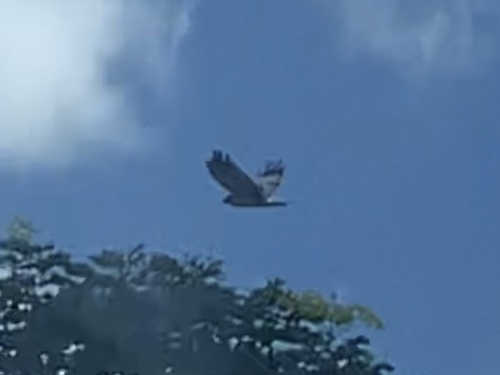
レユニオンチュウヒ (Circus maillardi) レユニオンチュウヒ
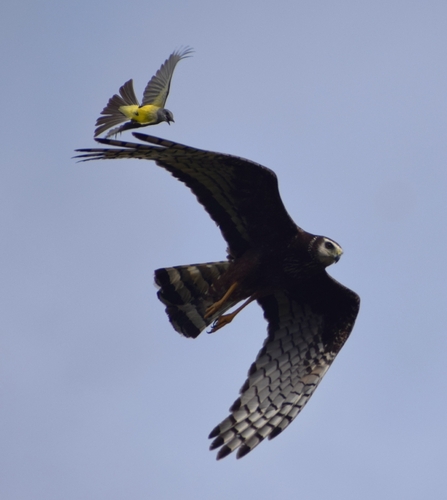
ハネナガチュウヒ (Circus buffoni) ハネナガチュウヒ

メディア

読み込み中…

要点

最も信頼できるフィールドマークは、全体の羽毛と翼のパターンであり、特に雌や幼鳥において顕著です:レユニオンチュウヒの幼鳥と雌は暗褐色で、白い尻と縞模様の尾を持っています。一方、ハネナガチュウヒは二つの異なる形態(暗色と明色)を示し、幼鳥は雌に似ていますが、より斑点の多い胸を持っています。飛行中、ハネナガチュウヒは特に長い翼と尾を持ち、スリムで長身の姿勢を示しますが、レユニオンチュウヒは森林を通り抜けるために適応したより広く丸い翼を持っています。レユニオンチュウヒの成鳥のオスは、黒っぽい頭/背中と白い腹部を持ち、ハネナガチュウヒのどの形態とも異なる際立った模様を持っています。生息地と分布も重要です:レユニオンチュウヒはレユニオン島に限定されているのに対し、ハネナガチュウヒは南アメリカの草原や湿地に広く分布しています。

識別のコツ

  1. 場所が重要です: レユニオンチュウヒはレユニオン島にのみ生息しています。南アメリカで見られるチュウヒはすべてハネナガチュウヒです。
  2. 飛行中の翼の形: ハネナガチュウヒは非常に長く狭い翼と長い尾を持ち、スリムで浮遊感のある飛行をします。レユニオンチュウヒはより広く丸い翼と短い尾を持ち、よりコンパクトで機敏に見えます。
  3. 成鳥オスの羽毛: レユニオンチュウヒのオスは、黒っぽい頭/背中、白い腹部、灰色の尾を持ち、独特です。ハネナガチュウヒのどの形態もこのパターンには一致しません。
  4. 雌/幼鳥の羽毛: レユニオンチュウヒの雌と幼鳥は暗褐色で、鮮やかな白い尻と縞模様の尾を持っています。ハネナガチュウヒの雌と幼鳥は暗色(すべて黒褐色)または明色(白い腹部)で、幼鳥はより斑点の多い胸を示します。
  5. 尻の斑点: 両種とも白い尻を持っていますが、レユニオンチュウヒの幼鳥/雌では暗褐色の体とのコントラストが特に際立っています。
  6. 尾の模様: レユニオンチュウヒの雌/幼鳥は明確に縞模様の尾を持っています。ハネナガチュウヒの幼鳥は一部に縞模様を示すことがありますが、成鳥はあまり明確に縞模様がありません。
  7. 上翼のコントラスト: ハネナガチュウヒ(明色形態)は、淡い内翼とカバーと対比する暗い一次羽を示します。レユニオンチュウヒの翼の模様は、特に雌/幼鳥においてコントラストが少ないです。
  8. 形態: ハネナガチュウヒのみが暗色と明色の両方の形態を示します。レユニオンチュウヒには明確な形態はありません。
  9. 顔の円盤: ハネナガチュウヒは顕著な顔の円盤を持っています(すべてのチュウヒと共有されています)が、これはフィールドでレユニオンチュウヒと区別するための信頼できる方法ではありません。
  10. 脚の色: ハネナガチュウヒは明るいオレンジ色の脚を持っていますが、これは遠くからはほとんど見えません。
  11. サイズ: ハネナガチュウヒはより大きく、長い翼を持っています。レユニオンチュウヒはより小さく、コンパクトです。
  12. 生息地の文脈: レユニオンチュウヒは通常、より森林の多いまたは混合した生息地にいますが、ハネナガチュウヒは開けた草原や湿地に留まります。
  13. 飛行スタイル: ハネナガチュウヒは低く四分の一を飛び、長い距離を滑空します。レユニオンチュウヒは森林の端を通り抜けたり近くで見られる可能性が高いです。
  14. 鳴き声: 通常は役に立ちませんが、レユニオンチュウヒの鳴き声は繁殖期に主に聞かれ、滅多に聞かれません。ハネナガチュウヒは飛行中に「クリークリークリー」と鳴くことがあります。
  15. 落とし穴: 幼鳥/雌のレユニオンチュウヒと暗色形態のハネナガチュウヒは、白い尻を持つ暗色に見えることがあります。サイズ、翼の形、尾の長さを確認して区別してください。

大きさ

ハネナガチュウヒは全体的に大きく、長さは46〜60 cm、翼幅は120〜155 cmです [wikipedia]。レユニオンチュウヒは小さく、長さは42〜55 cmです [wikipedia]。この違いは、フィールドでハネナガチュウヒの相対的に長い翼と尾によって最も明らかであり、特に飛行中により細長く、スリムな外観を与えます。レユニオンチュウヒはよりコンパクトで広翼であり、森林生息地への適応を反映しています。

羽色

行動

レユニオンチュウヒは森林を通り抜けるために適応しており、木の間で狩りを行い、機敏さのために広く丸い翼を使用します。閉じた樹冠を避けることが多いですが、在来または劣化した森林、低木地、さらには耕作された畑で見られる可能性が高いです。ハネナガチュウヒは典型的なオープンカントリーチュウヒで、草原や湿地の上を低く飛び、浮遊感のある滑空飛行と長く狭い翼を持っています。その狩りのスタイルは、オープングラウンドの上を長く低くパトロールすることに依存しており、チュウヒの典型的なスタイルです。

生息環境

レユニオンチュウヒはレユニオン島に特有であり、そこでは開けた風景や劣化した森林から低木地、牧草地、耕作された畑まで幅広い生息地に見られますが、アカシアの森林では1200 m以上にはほとんど生息しません。ハネナガチュウヒは南アメリカ全体に広く分布し、大陸全体の草原や湿地に生息しています。レユニオンの外や広大な開けた草原/湿地で見られた場合、ほぼ確実にハネナガチュウヒです。

声

両種は一般的に静かです。レユニオンチュウヒは繁殖期以外はほとんど無音で、繁殖期にはおしゃべりな脅威の鳴き声、悲鳴の求愛の鳴き声、食事に関連する笑い声を発します。ハネナガチュウヒもあまり鳴かず、飛行中に速い「クリークリークリー」や静かな下降する「スリル」と呼ぶことがあります。実際には、フィールドでの鳴き声は診断的であることは稀です。

より良い説明を送る

比較と同じ項目を使ってください。文章はすぐに公開されます。

The most reliable field mark is the overall plumage and wing pattern, especially in females and immatures: Réunion Harrier immatures and females are dark brown with a white rump and barred tail, while Long-winged Harrier shows two distinct morphs (dark and light), with juveniles resembling females but having a more speckled chest. In flight, Long-winged Harrier is notably longer-winged and longer-tailed, with a slimmer, rangier jizz, while Réunion Harrier has broader, rounder wings adapted for maneuvering through forests. Adult males of Réunion Harrier are strikingly patterned with a blackish head/back and white underparts, unlike any Long-winged Harrier morph. Habitat and range are also key: Réunion Harrier is restricted to Réunion Island, while Long-winged Harrier is widespread in South American grasslands and wetlands.

  1. Location is key: Réunion Harrier is only found on Réunion Island; any harrier seen in South America is Long-winged Harrier.
  2. Wing shape in flight: Long-winged Harrier has very long, narrow wings and a long tail, giving it a rangy, buoyant flight. Réunion Harrier has broader, more rounded wings and a shorter tail, appearing more compact and agile.
  3. Adult male plumage: Réunion Harrier males are unique with a blackish head/back, white underparts, and grey tail. No Long-winged Harrier morph matches this pattern.
  4. Female/immature plumage: Réunion Harrier females and immatures are dark brown with a crisp white rump and barred tail. Long-winged Harrier females and juveniles are either dark (all blackish-brown below) or light (white underparts), with juveniles showing a more speckled chest.
  5. Rump patch: Both species show a white rump, but it is especially striking on Réunion Harrier immatures/females due to the contrast with the dark brown body.
  6. Tail pattern: Réunion Harrier females/immatures have a clearly barred tail; Long-winged Harrier juveniles may show some barring, but adults are less distinctly barred.
  7. Upperwing contrast: Long-winged Harrier (light morph) shows dark primaries contrasting with paler inner wing and coverts; Réunion Harrier's wing pattern is less contrasting, especially in females/immatures.
  8. Morphs: Only Long-winged Harrier shows both dark and light morphs. Réunion Harrier does not have distinct morphs.
  9. Facial disc: Long-winged Harrier has a pronounced facial disc (shared with all Circus harriers), but this is not a reliable separation from Réunion Harrier in the field.
  10. Leg color: Long-winged Harrier has bright orange legs, but this is rarely visible at a distance.
  11. Size: Long-winged Harrier is larger and longer-winged; Réunion Harrier is smaller and more compact.
  12. Habitat context: Réunion Harrier is usually in more wooded or mixed habitats, while Long-winged Harrier sticks to open grassland and wetland.
  13. Flight style: Long-winged Harrier quarters low and glides for long stretches; Réunion Harrier is more likely to be seen maneuvering through or near forest edges.
  14. Vocalizations: Not usually helpful, but Réunion Harrier's calls are mostly during breeding and rarely heard; Long-winged Harrier may give a 'klee-klee-klee' in flight.
  15. Pitfalls: Immature/female Réunion Harrier and dark morph Long-winged Harrier can both appear dark with a white rump; check for size, wing shape, and tail length to separate them.

Long-winged Harrier is larger overall, with a length of 46–60 cm and a wingspan of 120–155 cm [wikipedia]. Réunion Harrier is smaller, at 42–55 cm in length [wikipedia]. The difference is most apparent in the field by the Long-winged Harrier's proportionally longer wings and tail, giving it a more elongated, rangy appearance, especially in flight. Réunion Harrier is more compact and broad-winged, reflecting its adaptation to forested habitats.

  • Juveniles/Immatures: Réunion Harrier immatures and females are dark brown overall with a conspicuous white rump and a barred tail. Long-winged Harrier juveniles resemble females but have a more speckled chest; their overall coloration depends on morph: dark morphs are all blackish-brown below, while light morphs have white underparts.
  • Adult males: Réunion Harrier males are distinctive with a blackish head and back, white streaks, white underparts and underwings, a grey tail, and grey/black wings with a white leading edge. Long-winged Harrier males do not show this pattern; instead, light morphs have white underparts and streaked grey/brown upperparts, while dark morphs are uniformly dark below.
  • Upperwing pattern: Réunion Harrier (all ages) shows broader, rounded wings with less contrast between coverts and primaries than Long-winged Harrier. Long-winged Harrier (especially light morph) shows darker primaries contrasting with paler inner wing and a generally longer, narrower wing shape.
  • Rump and tail: Both species have a white rump, but Réunion Harrier's is especially crisp against the dark brown body in immatures/females. Long-winged Harrier's tail is longer and less obviously barred except in juveniles.

Réunion Harrier is adapted for maneuvering through forests and hunts between trees, using broad, rounded wings for agility. It often avoids closed canopies but is more likely to be seen in native or degraded forests, shrubland, and even cultivated fields. Long-winged Harrier is a classic open-country harrier, quartering low over grasslands and wetlands with a buoyant, gliding flight and long, narrow wings. Its hunting style is more typical of Circus harriers, relying on long, low patrols over open ground.

Réunion Harrier is endemic to Réunion Island and is found in a wide range of habitats there, from open landscapes and degraded forests to shrublands, pastures, and cultivated fields, but rarely above 1200 m in Acacia forests. Long-winged Harrier is widespread across South America, inhabiting grasslands and wetlands throughout the continent. If seen outside Réunion or in extensive open grassland/wetland, it is almost certainly Long-winged Harrier.

Both species are generally quiet. Réunion Harrier is mostly silent except during breeding, when it gives a chattering threat call, a wailing courtship call, and chuckling food-associated calls. Long-winged Harrier is also not very vocal, but may call in flight with a fast 'klee-klee-klee' or a quieter, descending 'thrill.' In practice, vocalizations are rarely diagnostic in the field.

変更を破棄しますか?

保存していない編集があります。今離れると失われます。

レユニオンチュウヒ · ハネナガチュウヒ · 苦手な鳥