

Reunion Harrier vs Long-winged Harrier
Circus maillardi contro Circus buffoni
Fai un quiz con Reunion Harrier e Long-winged Harrier
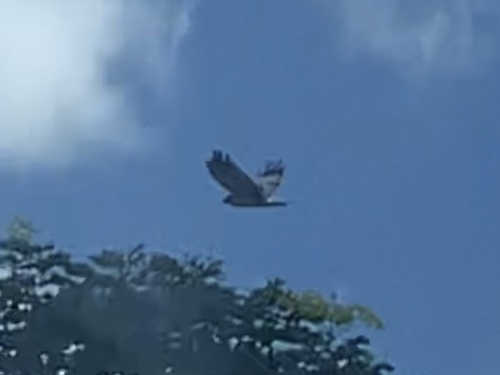 Reunion Harrier
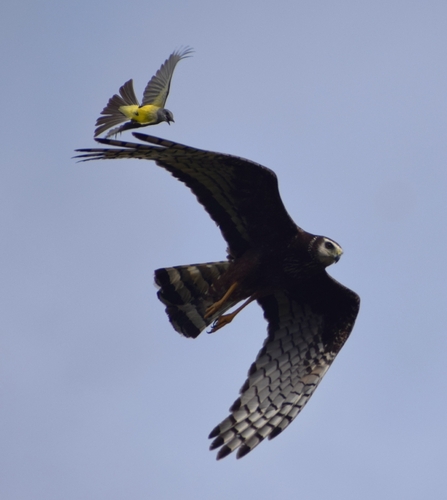 Long-winged Harrier
In breve
Il segno distintivo più affidabile è il piumaggio complessivo e il modello delle ali, specialmente nelle femmine e negli immaturi: le femmine e gli immaturi del Réunion Harrier sono di un marrone scuro con un sopracciglio bianco e una coda barrata, mentre il Long-winged Harrier mostra due morfologie distinte (scura e chiara), con i giovani che somigliano alle femmine ma hanno un petto più maculato. In volo, il Long-winged Harrier ha ali e coda notevolmente più lunghe, con un aspetto più snello e slanciato, mentre il Réunion Harrier ha ali più larghe e rotonde adattate per manovrare attraverso le foreste. I maschi adulti del Réunion Harrier hanno un piumaggio sorprendentemente caratteristico con una testa/schiena nerastre e parti inferiori bianche, a differenza di qualsiasi morfologia del Long-winged Harrier. L'habitat e l'areale sono anche fondamentali: il Réunion Harrier è limitato all'isola di Réunion, mentre il Long-winged Harrier è diffuso nelle praterie e nelle zone umide del Sud America.
Consigli di identificazione
- La posizione è fondamentale: Il Réunion Harrier si trova solo sull'isola di Réunion; qualsiasi harrier visto in Sud America è un Long-winged Harrier.
- Forma dell'ala in volo: Il Long-winged Harrier ha ali molto lunghe e strette e una coda lunga, conferendogli un volo slanciato e galleggiante. Il Réunion Harrier ha ali più larghe e rotonde e una coda più corta, apparendo più compatto e agile.
- Piumaggio del maschio adulto: I maschi del Réunion Harrier sono unici con una testa/schiena nerastre, parti inferiori bianche e una coda grigia. Nessuna morfologia del Long-winged Harrier corrisponde a questo modello.
- Piumaggio delle femmine/immauri: Le femmine e gli immaturi del Réunion Harrier sono di un marrone scuro con un sopracciglio bianco netto e una coda barrata. Le femmine e i giovani del Long-winged Harrier sono o scuri (tutti marrone scuro sotto) o chiari (parti inferiori bianche), con i giovani che mostrano un petto più maculato.
- Macchia del sopracciglio: Entrambe le specie mostrano un sopracciglio bianco, ma è particolarmente evidente negli immaturi/femmine del Réunion Harrier a causa del contrasto con il corpo marrone scuro.
- Modello della coda: Le femmine/immauri del Réunion Harrier hanno una coda chiaramente barrata; i giovani del Long-winged Harrier possono mostrare alcune barre, ma gli adulti sono meno distintamente barrati.
- Contrasto delle ali superiori: Il Long-winged Harrier (morfologia chiara) mostra primarie scure in contrasto con ali interne e copritrici più chiare; il modello dell'ala del Réunion Harrier è meno contrastante, specialmente nelle femmine/immauri.
- Morfologie: Solo il Long-winged Harrier mostra sia morfologie scure che chiare. Il Réunion Harrier non ha morfologie distinte.
- Disco facciale: Il Long-winged Harrier ha un disco facciale pronunciato (condiviso con tutti gli harrier del genere Circus), ma questo non è un modo affidabile per separarlo dal Réunion Harrier sul campo.
- Colore delle gambe: Il Long-winged Harrier ha gambe di un arancione brillante, ma questo è raramente visibile a distanza.
- Dimensioni: Il Long-winged Harrier è più grande e ha ali più lunghe; il Réunion Harrier è più piccolo e più compatto.
- Contesto dell'habitat: Il Réunion Harrier si trova solitamente in habitat più boschivi o misti, mentre il Long-winged Harrier si attiene a praterie aperte e zone umide.
- Stile di volo: Il Long-winged Harrier vola basso e plana per lunghe distanze; il Réunion Harrier è più probabile che venga visto manovrare attraverso o vicino ai bordi delle foreste.
- Vocalizzazioni: Non sono solitamente utili, ma i richiami del Réunion Harrier si sentono principalmente durante la riproduzione e raramente; il Long-winged Harrier può emettere un 'klee-klee-klee' in volo.
- Trappole: L'immaturo/femmina del Réunion Harrier e il morfo scuro del Long-winged Harrier possono entrambi apparire scuri con un sopracciglio bianco; controlla le dimensioni, la forma delle ali e la lunghezza della coda per separarli.
Taglia
Il Long-winged Harrier è più grande nel complesso, con una lunghezza di 46–60 cm e un'apertura alare di 120–155 cm [wikipedia]. Il Réunion Harrier è più piccolo, con una lunghezza di 42–55 cm [wikipedia]. La differenza è più evidente sul campo grazie alle ali e alla coda proporzionalmente più lunghe del Long-winged Harrier, conferendogli un aspetto più allungato e slanciato, specialmente in volo. Il Réunion Harrier è più compatto e ha ali più larghe, riflettendo la sua adattamento agli habitat forestali.
Piumaggio
- Giovani/Immauri: Gli immaturi e le femmine del Réunion Harrier sono di un marrone scuro complessivo con un sopracciglio bianco evidente e una coda barrata. I giovani del Long-winged Harrier somigliano alle femmine ma hanno un petto più maculato; la loro colorazione complessiva dipende dalla morfologia: le morfologie scure sono tutte marrone scuro sotto, mentre le morfologie chiare hanno parti inferiori bianche.
- Maschi adulti: I maschi del Réunion Harrier sono distintivi con una testa e una schiena nerastre, strisce bianche, parti inferiori e sottoali bianche, una coda grigia e ali grigie/nerastre con un bordo bianco. I maschi del Long-winged Harrier non mostrano questo modello; invece, le morfologie chiare hanno parti inferiori bianche e parti superiori striate di grigio/marrone, mentre le morfologie scure sono uniformemente scure sotto.
- Modello delle ali superiori: Il Réunion Harrier (tutte le età) mostra ali più larghe e rotonde con meno contrasto tra le copritrici e le primarie rispetto al Long-winged Harrier. Il Long-winged Harrier (soprattutto la morfologia chiara) mostra primarie più scure in contrasto con ali interne più chiare e una forma dell'ala generalmente più lunga e stretta.
- Sopracciglio e coda: Entrambe le specie hanno un sopracciglio bianco, ma quello del Réunion Harrier è particolarmente netto contro il corpo marrone scuro negli immaturi/femmine. La coda del Long-winged Harrier è più lunga e meno ovviamente barrata, tranne che nei giovani.
Comportamento
Il Réunion Harrier è adattato per manovrare attraverso le foreste e caccia tra gli alberi, utilizzando ali larghe e rotonde per l'agilità. Spesso evita le chiome chiuse ma è più probabile che venga visto in foreste native o degradate, in terreni arbustivi e persino in campi coltivati. Il Long-winged Harrier è un classico harrier di campagna aperta, volando basso sopra praterie e zone umide con un volo galleggiante e ali lunghe e strette. Il suo stile di caccia è più tipico degli harrier del genere Circus, basandosi su pattugliamenti lunghi e bassi su terreni aperti.
Habitat
Il Réunion Harrier è endemico dell'isola di Réunion e si trova in una vasta gamma di habitat lì, da paesaggi aperti e foreste degradate a terreni arbustivi, pascoli e campi coltivati, ma raramente sopra i 1200 m nelle foreste di Acacia. Il Long-winged Harrier è diffuso in tutto il Sud America, abitante delle praterie e delle zone umide in tutto il continente. Se visto al di fuori di Réunion o in ampie praterie/zona umida aperta, è quasi certamente un Long-winged Harrier.
Voce
Entrambe le specie sono generalmente silenziose. Il Réunion Harrier è per lo più silenzioso tranne durante la riproduzione, quando emette un richiamo di minaccia chiacchierante, un richiamo di corteggiamento lamentoso e richiami associati al cibo. Anche il Long-winged Harrier non è molto vocale, ma può chiamare in volo con un veloce 'klee-klee-klee' o un 'thrill' discendente più silenzioso. In pratica, le vocalizzazioni sono raramente diagnostiche sul campo.
Reunion Harrier · Long-winged Harrier · I miei uccelli difficili