

Motmot

コビトウ 対 ヨーロッパヒメウ

Microcarbo pygmaeus 対 Gulosus aristotelis

コビトウとヨーロッパヒメウのクイズ
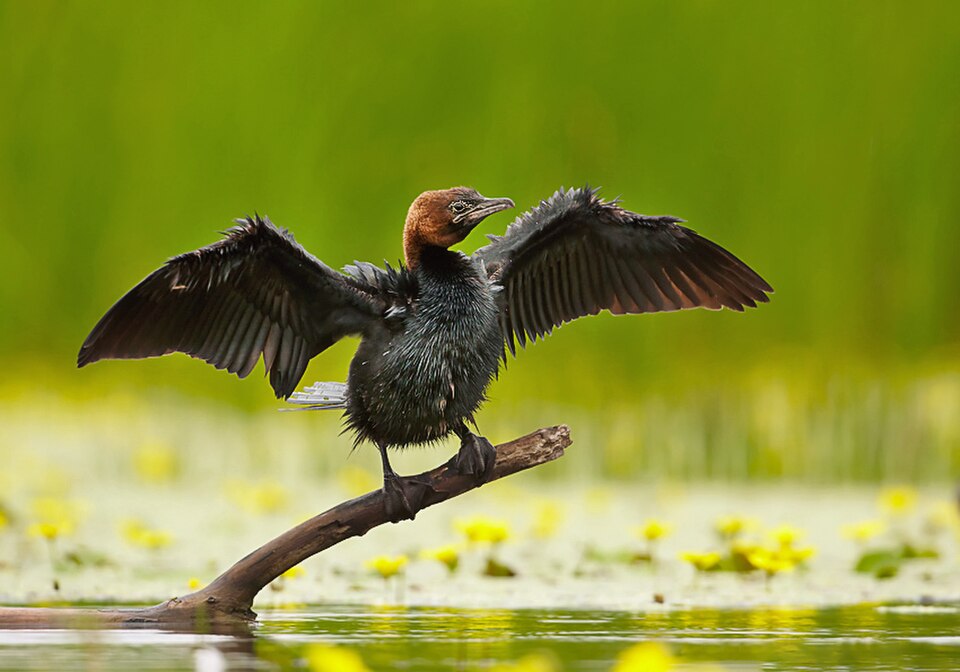
コビトウ (Microcarbo pygmaeus) コビトウ
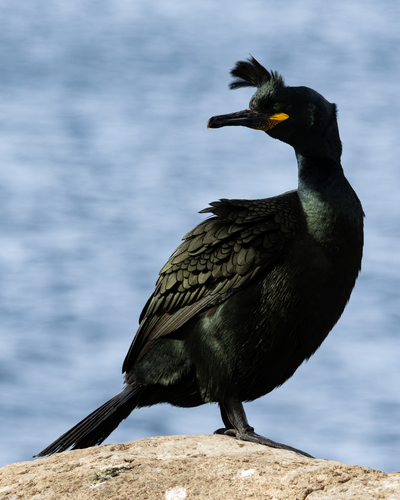
ヨーロッパヒメウ (Gulosus aristotelis) ヨーロッパヒメウ

メディア

読み込み中…

要点

コビトウとヨーロッパヒメウの最も信頼できるフィールドマークは全体の構造です:コビトウは明らかに小さく、よりコンパクトで、著しく長い尾と短くて太いくちばしを持っています。一方、ヨーロッパヒメウは大きく、スリムで、長くて細いくちばしと成鳥には緑がかった光沢を示します。幼鳥や未成熟の鳥は特に混乱を招くことがありますが、コビトウの相対的に長い尾と黄色の喉の斑点がないことが重要です。飛行中、コビトウは短い首と長い尾に見え、ヒメウはよりスリムで尖ったくちばしを持っているように見えます。生息地も役立ちます:コビトウは湖や川の内陸に生息し、ヒメウは厳密に沿岸に生息しています。

識別のコツ

  1. サイズと構造: コビトウは明らかに小さく、よりコンパクトで、ヨーロッパヒメウよりも相対的に長い尾と短い首を持っています。これは、止まっているときや飛行中に最も明らかです。
  2. くちばしの形: コビトウは短くて太いくちばしを持ち、ヨーロッパヒメウは長くて細く、より尖ったくちばしを持っています。くちばしの形はすべての年齢で信頼できるフィールドマークです。
  3. 尾の長さ: コビトウの尾は明らかに長く、くさび形で、止まっているときには折りたたまれた翼を大きく超えて伸びることがよくあります。ヒメウの尾は短く、より四角いです。
  4. 喉の斑点: ヨーロッパヒメウは、幼鳥であっても常にくちばしの基部に黄色の喉の斑点を示します。コビトウはすべての年齢で顔や喉に黄色がありません。
  5. 羽毛の光沢: 成鳥のヒメウは、特に繁殖期に金属的な緑の光沢を持っています。コビトウはマットな暗褐色から黒で、緑がかった光沢はありません。
  6. 冠羽: 繁殖期には、成鳥のヒメウは頭頂に小さな冠羽を示します。コビトウには冠羽はありません。
  7. 下部(幼鳥): 幼鳥のヒメウは下部が暗いですが、コビトウの幼鳥はより均一な茶色から黒のトーンです。
  8. 止まり方: コビトウは水の近くの木や密な植生にしばしば止まります。ヒメウはほとんど常に岩や崖に止まり、木にはめったに止まりません。
  9. 生息地: コビトウは湖、湿地、遅い川の内陸に生息し、ヒメウは厳密に沿岸に生息し、岩の多い海岸や崖にいます。内陸での目撃はほぼ常にコビトウです。
  10. 飛行の特徴: 飛行中のコビトウは短い首、長い尾、コンパクトに見えます。ヒメウは長い首、スリムで、よく見える場合はより尖ったくちばしと黄色の喉の斑点を示します。
  11. 関連性: コビトウは淡水生息地でしばしばサギ、コウノトリ、ハクチョウと一緒に見られます。ヒメウは通常、沿岸で他の海鳥と一緒にいます。
  12. 季節的文脈: 冬に沿岸の崖や岩の島で見られた場合、両方の可能性がありますが、生息地と構造は信頼できます。どの季節でも内陸では、ヒメウは非常に可能性が低いです。
  13. カワウとの混同: 両種はカワウよりも小さく、軽いですが、ヒメウはカワウとコビトウの両方よりもスリムで、くちばしが細いです。
  14. 群れの行動: コビトウはしばしば群れで狩りをし、止まりますが、時には他の水鳥と一緒にいます。ヒメウは岩の上でより孤立しているか、小さな群れでいます。
  15. 落とし穴: 未成熟のヒメウは鈍く暗く見えることがありますが、黄色の喉の斑点とスリムで長いくちばしは常に存在します。コビトウは顔に黄色を示したり、長くて細いくちばしを持ったりすることはありません。

大きさ

コビトウはヨーロッパヒメウよりもはるかに小さく、軽い体型です。コビトウの長さは64〜78 cmです [wikipedia]、一方、ヨーロッパヒメウは68〜78 cmです [wikipedia]が、ヒメウはより大きく、翼幅が長い(95〜110 cm)です。フィールドでは、コビトウは明らかによりコンパクトで、より細長くなく、短い首と全体的に小さな体重を持っています。ヒメウの長くてスリムな体と首、長くて細いくちばしは、二つが並んで見られたときに明らかです。

羽色

行動

コビトウはしばしば内陸の水の近くの木や密な植生に止まり、時には群れで、サギやコウノトリと一緒に見られることが多いです。群れで狩りをし、人間によって変えられた湿地に適応しています。ヨーロッパヒメウは厳密に沿岸で、ほぼ常に岩の多い海岸、崖、または海で見られ、木にはめったに止まりません。ヒメウはしばしば岩や低い崖に座り、内陸で見られる可能性は低いです。両種は魚を捕るために潜りますが、コビトウは淡水生息地で見られる可能性が高く、水の上に止まっています。

生息環境

生息地は強力な区別要因です:コビトウは内陸の湖、遅い川、湿地、時には木や低木のある水田や洪水地域に生息し、山岳地帯、寒冷地、乾燥地域を避けます。冬以外は沿岸に生息することはほとんどなく、その場合は河口やバリア湖を好みます。ヨーロッパヒメウは厳密に海洋/沿岸の種であり、西部および南部ヨーロッパ、西南アジア、北アフリカの岩の多い海岸、島、海崖で繁殖し、越冬します。内陸には生息していません。内陸でコビトウを見た場合、それはほぼ確実にヒメウではありません。

より良い説明を送る

比較と同じ項目を使ってください。文章はすぐに公開されます。

The most reliable field mark between Pygmy Cormorant and European Shag is overall structure: Pygmy Cormorant is distinctly smaller and more compact, with a notably longer tail and shorter, stubbier bill, while European Shag is larger, slimmer, and shows a longer, thinner bill and a greenish sheen in adults. Juvenile and immature birds can be especially confusing, but the Pygmy Cormorant's proportionally long tail and lack of a yellow throat patch are key. In flight, the Pygmy Cormorant looks short-necked and long-tailed, while the Shag appears sleeker with a more pointed bill. Habitat can help: Pygmy Cormorant is found inland on lakes and rivers, while Shag is strictly coastal.

  1. Size and structure: Pygmy Cormorant is distinctly smaller, more compact, and has a proportionally longer tail and shorter neck than European Shag. This is most obvious when perched or in flight.
  2. Bill shape: Pygmy Cormorant has a short, stubby bill; European Shag has a longer, thinner, more pointed bill. Bill shape is a reliable field mark at all ages.
  3. Tail length: Pygmy Cormorant's tail is noticeably longer and wedge-shaped, often extending well past the folded wings when perched. Shag's tail is shorter and more squared-off.
  4. Throat patch: European Shag always shows a yellow throat patch at the base of the bill, even in juveniles. Pygmy Cormorant lacks any yellow on the face or throat at all ages.
  5. Plumage gloss: Adult Shags have a metallic green sheen to their plumage, especially in breeding season, sometimes called 'green cormorant.' Pygmy Cormorant is matte dark brown-black with no greenish gloss.
  6. Crest: In breeding season, adult Shags show a small crest on the crown. Pygmy Cormorant never has a crest.
  7. Underparts (juveniles): Juvenile Shags have darker underparts, while Pygmy Cormorant juveniles are more uniformly brownish-black.
  8. Perching behavior: Pygmy Cormorant often perches in trees or dense vegetation near water. Shag almost always perches on rocks or cliffs, rarely in trees.
  9. Habitat: Pygmy Cormorant is found inland on lakes, marshes, and slow rivers; Shag is strictly coastal, on rocky shores and cliffs. Inland sightings are almost always Pygmy Cormorant.
  10. Flight jizz: Pygmy Cormorant in flight looks short-necked, long-tailed, and compact. Shag is longer-necked, slimmer, and shows a more pointed bill and yellow throat patch if seen well.
  11. Associations: Pygmy Cormorant is often seen with herons, egrets, and spoonbills in freshwater habitats. Shag is usually with other seabirds on the coast.
  12. Seasonal context: If seen in winter on a coastal cliff or rocky island, both are possible, but habitat and structure remain reliable. Inland in any season, Shag is extremely unlikely.
  13. Confusion with Great Cormorant: Both species are smaller and lighter than Great Cormorant, but Shag is slimmer and has a thinner bill than both Great and Pygmy Cormorant.
  14. Group behavior: Pygmy Cormorant often hunts and perches in groups, sometimes with other waterbirds. Shag is more solitary or in small groups on rocks.
  15. Pitfalls: Immature Shags may appear dull and dark, but the yellow throat patch and slimmer, longer bill are always present. Pygmy Cormorant never shows yellow on the face or a long, thin bill.

Pygmy Cormorant is much smaller and lighter-built than European Shag. Pygmy Cormorant measures 64–78 cm in length [wikipedia], while European Shag is 68–78 cm long [wikipedia], but the Shag is bulkier with a longer wingspan (95–110 cm). In the field, Pygmy Cormorant appears noticeably more compact and less elongated, with a shorter neck and smaller overall bulk. The Shag's longer, slimmer body and neck, and longer, thinner bill, are apparent when the two are seen side by side.

  • Juveniles/immatures: Both species are dark overall, but juvenile Shags have darker underparts, while Pygmy Cormorant juveniles lack the yellow throat patch and have a more uniform brownish-black tone. No distinctive upperwing pattern is noted for either species in the sources, so structure and bare part color are more useful for young birds.
  • Adults: Pygmy Cormorant is matte dark brown-black overall with no green sheen and lacks any yellow on the face. European Shag adults have a metallic green-tinged sheen (especially in breeding plumage) and a yellow throat patch at all ages. Breeding Shags also show a small crest, absent in Pygmy Cormorant. Tail feathers differ: Pygmy Cormorant's tail is longer and more wedge-shaped, while Shag's is shorter and more squared-off.
  • Flight: Pygmy Cormorant in flight looks short-necked and long-tailed, with no obvious pale or yellow on the face. Shag in flight is longer-necked, slimmer, and shows a yellow throat patch if seen well.

Pygmy Cormorant often perches in trees or dense vegetation near inland waters, sometimes in groups, and is frequently seen with herons and egrets. It hunts in groups and is adapted to human-altered wetlands. European Shag is strictly coastal, almost always seen on rocky shores, cliffs, or at sea, and rarely perches in trees. Shags often sit on rocks or low cliffs and are less likely to be seen inland. Both species dive for fish, but Pygmy Cormorant is more likely to be seen in freshwater habitats and perched above water.

Habitat is a strong separator: Pygmy Cormorant is found on inland lakes, slow rivers, marshes, and sometimes rice fields or flooded areas with trees and shrubs, avoiding mountainous, cold, or dry regions. It is rarely coastal except in winter, and then prefers estuaries or barrier lakes. European Shag is strictly a marine/coastal species, breeding and wintering on rocky coasts, islands, and sea cliffs of western and southern Europe, southwest Asia, and north Africa. It is not found inland. If you see a cormorant inland, it is almost certainly not a Shag.

変更を破棄しますか?

保存していない編集があります。今離れると失われます。

コビトウ · ヨーロッパヒメウ · 苦手な鳥