

Motmot

ムジボウシノドフサハチドリ 対 シロハラシロメジリハチドリ

Heliomaster constantii 対 Lampornis hemileucus

ムジボウシノドフサハチドリとシロハラシロメジリハチドリのクイズ
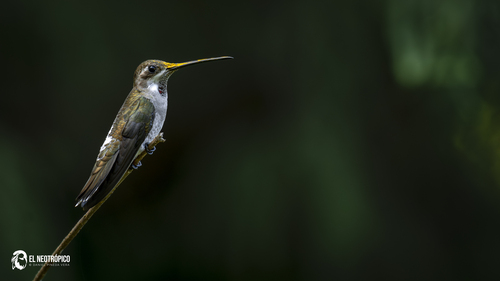
ムジボウシノドフサハチドリ (Heliomaster constantii) ムジボウシノドフサハチドリ
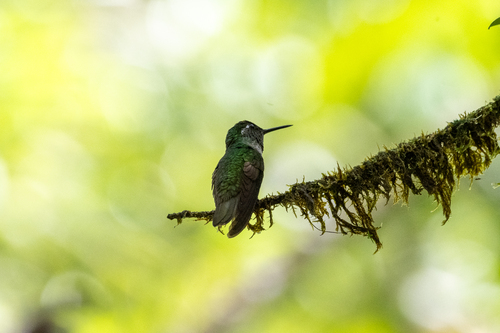
シロハラシロメジリハチドリ (Lampornis hemileucus) シロハラシロメジリハチドリ

メディア

読み込み中…

要点

ムジボウシノドフサハチドリとシロハラシロメジリハチドリの最も信頼できるフィールドマークは腹部です:ムジボウシノドフサハチドリは白い腹部と目立つ白い口ひげを持つ茶色がかった灰色の腹部を示し、シロハラシロメジリハチドリは側面に緑の斑点がある鮮やかな白い腹部と青紫色(オス)または白/緑の斑点(メス)の喉を持っています。くちばしの形と長さも異なります:ムジボウシノドフサハチドリは目立って長く、ほぼ真っ直ぐな黒いくちばしを持ち、シロハラシロメジリハチドリのくちばしは短く中程度の長さです。両種は白い眼後帯を持っていますが、ムジボウシノドフサハチドリの白い尾羽の筋と大きなサイズも役立ちます。未成熟の鳥は難しいことがありますが、ムジボウシノドフサハチドリの未成熟個体はすすけた茶色の喉を持ち、シロハラシロメジリハチドリの幼鳥は緑の羽に錆びた縁取りを示します。これらの特徴、特に腹部とくちばしの構造は、あなたの最良のフィールド分離ツールです。

識別のコツ

  1. Underparts color: ムジボウシノドフサハチドリは常に白い腹部を持つ茶色がかった灰色の腹部を示し、シロハラシロメジリハチドリは側面に緑の斑点がある清潔な白い腹部を持っています。これはすべての年齢と性別に対して最も一貫したフィールドマークです。
  2. Bill length and shape: ムジボウシノドフサハチドリのくちばしは長くほぼ真っ直ぐで、シロハラシロメジリハチドリの中程度の長さの黒いくちばしよりも目立って長いです。これを明確な側面ビューがあるときに使用してください。
  3. Gorget color (adult males): ムジボウシノドフサハチドリのオスは明るい金属的な赤から紫がかった赤のゴルゲットを持ち、シロハラシロメジリハチドリのオスは青紫色のゴルゲットを持っています。メスでは、ムジボウシノドフサハチドリの喉はすすけた黒っぽい色で、シロハラシロメジリハチドリの喉は白で緑の斑点があります。
  4. White moustache: ムジボウシノドフサハチドリは目の下に広い白い口ひげの帯を持ち、これはシロハラシロメジリハチドリの顔のマーキングよりも目立ちます。
  5. White rump streak: ムジボウシノドフサハチドリは、良い光の中または飛行中に見える広い白い尾羽の筋を示し、シロハラシロメジリハチドリはこの特徴を欠いています。
  6. Face and crown: シロハラシロメジリハチドリのオスはきらめく緑の顔と頭を持ち、ムジボウシノドフサハチドリの頭は金属的ではなく、顔はくすんでいます。
  7. Tail pattern: ムジボウシノドフサハチドリの尾は、すすけた端を持つ青銅色の中央羽と、外側の羽の黒っぽい部分に白い内側の縁があります。シロハラシロメジリハチドリの尾は青銅色で、外側の羽の端近くにすすけた灰色の帯があります。
  8. Juvenile/immature marks: 未成熟のムジボウシノドフサハチドリは、灰色がかった白い羽の縁を持つすすけた茶色の喉を持っています。幼鳥のシロハラシロメジリハチドリは緑の羽に錆びた縁取りを示し、若いオスは鈍い青銅色のゴルゲットを持っています。これらのマークは、晩夏/秋または繁殖シーズン外で確認するのが最適です。
  9. Size impression: ムジボウシノドフサハチドリは大きくて重く、より頑丈な外見と長いくちばし/尾を持っています。これは微妙ですが、他のハチドリと一緒に見たときに役立つことがあります。
  10. White post-ocular stripe: 両種は目の後ろに白い帯を持っているため、このマークだけでは診断にはなりません。
  11. Flank tufts: ムジボウシノドフサハチドリは脇に大きな白い羽の房を持ち、止まっているときに見えることがあります。
  12. Undertail coverts: ムジボウシノドフサハチドリの尾羽の下覆羽は淡い灰色で広い白い先端を持ち、シロハラシロメジリハチドリのものはそのようには記述されていません。
  13. Sex differences: 両種は似たようなオス/メスのパターンを示しますが、シロハラシロメジリハチドリのメスは緑の斑点のある白い喉を持ち、ムジボウシノドフサハチドリのメスはオスに似ていますが鈍いです。
  14. Range context: パナマでは、シロハラシロメジリハチドリのみが期待されます。メキシコでは、ムジボウシノドフサハチドリのみです。コスタリカでは、すべてのマークを注意深く確認してください。
  15. Habitat context: コスタリカまたはパナマの高地の森にいる場合、シロハラシロメジリハチドリの方が可能性が高いです。コスタリカの北部などの開けたまたは多様な生息地では、ムジボウシノドフサハチドリの方が可能性が高いです。

大きさ

ムジボウシノドフサハチドリは明らかに大きくて重い(オス約7.4 g、メス約7.2 g、長さ11–13 cm)で、シロハラシロメジリハチドリ(オス約6.2 g、メス約5.1 g、長さ10–11 cm)と比較されます [wikipedia][wikidata]。ムジボウシノドフサハチドリは特に長いくちばしと尾のために、より頑丈で細長く見えます。フィールドでは、このサイズの違いは微妙ですが、両種が一緒に見られるときや他のハチドリと比較すると目立つことがあります。

羽色

行動

両種は行動において典型的なハチドリですが、ムジボウシノドフサハチドリの大きなサイズと長いくちばしは、その採餌スタイルをより意図的で、より小さく迅速なシロハラシロメジリハチドリと比較してやや鈍く見せるかもしれません。フィールド分離のための情報源には特に顕著な行動の違いは記載されていません。

生息環境

ムジボウシノドフサハチドリはメキシコからコスタリカまで分布し、シロハラシロメジリハチドリはコスタリカとパナマに限定されています [wikipedia]。コスタリカでは、両種が分布を重ねることがありますが、シロハラシロメジリハチドリは高地の森林地域でより可能性が高く、ムジボウシノドフサハチドリはより広い標高と生息地で見られます。しかし、分布が重なる場所では生息地だけでは診断にはなりません。

より良い説明を送る

比較と同じ項目を使ってください。文章はすぐに公開されます。

The most reliable field mark between Plain-capped Starthroat and White-bellied Mountain-gem is the underparts: Starthroat shows brownish-gray underparts with a white belly and a prominent white moustache, while Mountain-gem has crisp white underparts with green speckling along the sides and a blue-violet (male) or white/green-speckled (female) throat. Bill shape and length also differ: Starthroat has a notably long, almost straight black bill, while Mountain-gem's bill is shorter and medium-length. Both species have a white post-ocular stripe, but Starthroat's white rump streak and larger size are also helpful. Immature birds can be tricky, but Starthroat immatures have a sooty brown throat, while Mountain-gem juveniles show rusty fringes on green feathers. These features, especially underparts and bill structure, are your best field separation tools.

  1. Underparts color: Plain-capped Starthroat always shows brownish-gray underparts with a white belly, while White-bellied Mountain-gem has clean white underparts with green speckling along the sides. This is the most consistent field mark for all ages and sexes.
  2. Bill length and shape: Starthroat's bill is long and almost straight, noticeably longer than Mountain-gem's medium-length black bill. Use this when you have a clear side view.
  3. Gorget color (adult males): Starthroat males have a bright metallic red to purplish red gorget; Mountain-gem males have a blue-violet gorget. In females, Starthroat's throat is sooty to blackish, while Mountain-gem's is white with green speckles.
  4. White moustache: Starthroat has a broad white moustache stripe below the eye, which is more pronounced than any facial markings on Mountain-gem.
  5. White rump streak: Starthroat shows a wide white streak on the rump, visible in good light or in flight; Mountain-gem lacks this feature.
  6. Face and crown: Mountain-gem males have a glittering green face and crown, while Starthroat's crown is less metallic and the face is dusky.
  7. Tail pattern: Starthroat's tail has bronze green central feathers with dusky ends and blackish on the outer feathers with white inner edges. Mountain-gem's tail is bronzy with dusky gray bands near the end of the outer feathers.
  8. Juvenile/immature marks: Immature Starthroat has a sooty brown throat with grayish white feather margins. Juvenile Mountain-gem shows rusty fringes on green feathers, and young males have a dull bronze gorget. These marks are best checked in late summer/fall or outside the breeding season.
  9. Size impression: Starthroat is larger and heavier, with a more robust look and longer bill/tail. This is subtle but can help when seen with other hummingbirds.
  10. White post-ocular stripe: Both species have a white stripe behind the eye, so this mark alone is not diagnostic.
  11. Flank tufts: Starthroat has a large tuft of white feathers on the flanks, which can be visible when perched.
  12. Undertail coverts: Starthroat's undertail coverts are pale gray with wide white tips, while Mountain-gem's are not described as such.
  13. Sex differences: Both species show similar male/female patterns, but Mountain-gem females have a white throat with green speckles, while Starthroat females are similar to males but duller.
  14. Range context: In Panama, only Mountain-gem is expected. In Mexico, only Starthroat. In Costa Rica, check all marks carefully.
  15. Habitat context: If in highland forest in Costa Rica or Panama, Mountain-gem is more likely; in open or varied habitats, especially north of Costa Rica, Starthroat is more likely.

Plain-capped Starthroat is distinctly larger and heavier (males ~7.4 g, females ~7.2 g, length 11–13 cm) compared to White-bellied Mountain-gem (males ~6.2 g, females ~5.1 g, length 10–11 cm) [wikipedia][wikidata]. The Starthroat appears more robust and elongated, especially due to its long bill and tail. In the field, this size difference is subtle but can be noticeable when both species are seen together or with reference to other hummingbirds.

  • Juvenile/Immature: Plain-capped Starthroat immatures have a dark sooty brown throat with grayish white feather margins, lacking the metallic gorget of adults. White-bellied Mountain-gem juveniles of both sexes show rusty fringes on green feathers, and young males have a dull bronze gorget. These juvenile features are most useful in the non-breeding season or late summer/fall.
  • Adult males: Starthroat males have a sooty to blackish chin and a gorget that is bright metallic red to purplish red, with brownish-gray underparts and a white belly. Mountain-gem males have a glittering green face and crown, blue-violet gorget, and white underparts with green speckles along the sides.
  • Adult females: Both species' females are similar to their respective males but less vibrant. Starthroat females share the same basic pattern as males. Mountain-gem females have a less glittering face/crown and a white throat with green speckles.
  • Tail and rump: Starthroat has a wide white rump streak and central tail feathers that are bronze green with dusky ends; outer tail feathers have blackish ends and white inner edges. Mountain-gem's tail is bronzy with dusky gray bands near the end of the outer feathers, and uppertail coverts are bronzy.
  • Facial marks: Both have a white post-ocular stripe, but Starthroat adds a broad white moustache and more dusky on the face.

Both species are typical hummingbirds in behavior, but Starthroat's larger size and longer bill may make its feeding style appear slightly more deliberate and less agile compared to the smaller, quicker Mountain-gem. No distinctive behavioral differences are noted in the sources for field separation.

Plain-capped Starthroat ranges from Mexico to Costa Rica, while White-bellied Mountain-gem is restricted to Costa Rica and Panama [wikipedia]. In Costa Rica, both may overlap in range, but Mountain-gem is more likely in higher elevation forested areas, while Starthroat can be found in a broader range of elevations and habitats. However, habitat alone is not diagnostic where ranges overlap.

変更を破棄しますか?

保存していない編集があります。今離れると失われます。

ムジボウシノドフサハチドリ · シロハラシロメジリハチドリ · 苦手な鳥