

Motmot

フエコチドリ 対 メダイチドリ

Charadrius melodus 対 Anarhynchus mongolus

フエコチドリとメダイチドリのクイズ
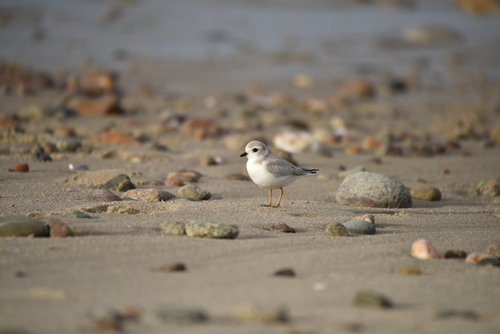
フエコチドリ (Charadrius melodus) フエコチドリ
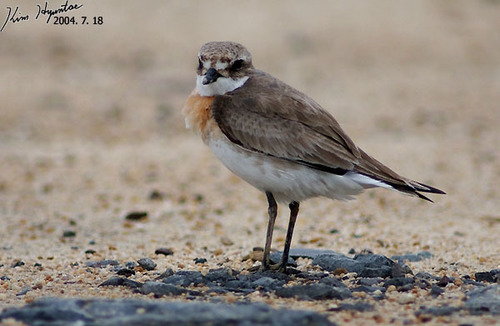
メダイチドリ (Anarhynchus mongolus) メダイチドリ

メディア

読み込み中…

要点

フエコチドリとメダイチドリを区別する最も信頼できる方法は脚の色です:フエコチドリは明るい黄色オレンジの脚を示し、メダイチドリは常に暗い(黒から灰色の)脚を持っています。繁殖羽では、フエコチドリは1本の狭い黒い胸帯と黒い額のバーを持ち、一方メダイチドリのオスは広い栗色の胸、栗色の額と後頭部、そして黒いマスクを持っています。非繁殖期や未成熟の鳥はより難しいですが、フエコチドリはより淡く、ずんぐりした体型で、短くて太いオレンジと黒のくちばしを持ち、メダイチドリは脚が長く、くちばしも長く、しばしば頭に赤褐色のヒントを示します。構造とジズも役立ちます:フエコチドリはコンパクトで丸い頭を持ち、メダイチドリは脚が長く、より細長いです。両種は砂浜に現れることがありますが、その範囲はめったに重なりません。

識別のコツ

  1. Leg Color (all ages/seasons): フエコチドリは常に明るい黄色オレンジの脚を持ち、メダイチドリは常に暗い(黒から灰色の)脚を持っています。これは、視認可能な場合に最も信頼できるフィールドマークです。
  2. Bill Color and Shape (all ages): フエコチドリは短くて太いくちばしを持ち、オレンジ色で黒い先端があります。メダイチドリは長くてスリムな全黒のくちばしを持っています。くちばしの色は特に近くで見ると有用です。
  3. Breast Band (breeding adults): フエコチドリは1本の狭い黒い胸帯を示します(オスは太く、メスは薄いか壊れていることがあります);メダイチドリの繁殖オスは広い栗色の胸帯を持っています。非繁殖期や幼鳥のメダイチドリは栗色を欠きますが、フエコチドリの帯は常に黒です(存在する場合)。
  4. Forehead and Head Pattern (breeding adults): フエコチドリは目から目までの額に黒いバーがあります。メダイチドリの繁殖オスは栗色の額と後頭部を持ち、目の周りに黒いマスクがあります。非繁殖期や幼鳥のメダイチドリは頭にかすかな赤褐色の洗いが見られることがありますが、鋭い黒いバーは決してありません。
  5. Leg Length and Structure (all ages): フエコチドリはコンパクトで、短い脚と丸い頭を持っています。メダイチドリは脚が長く、より細長く、背が高く立っています。この違いは両種が並んでいるときに最も明らかですが、孤立した鳥にも役立ちます。
  6. Upperparts Color (all ages): フエコチドリは淡い砂色または鈍い灰色/カーキ色で、淡い砂に溶け込んでいます。メダイチドリは繁殖羽の時期に特に上面がより灰色がかっています。
  7. Underparts (all ages): 両種は白い腹部を持っていますが、フエコチドリは下部がより清潔な白で1本の帯を持ち、メダイチドリの繁殖オスは大きな栗色の領域を持っています;非繁殖期や幼鳥のメダイチドリは似たように見えることがありますが、通常はわずかに暗いです。
  8. Flight/Upperwing Pattern: どちらの種にも特異な上翼のパターンは記載されていないため、飛行中の区別は構造と脚の色に依存します。
  9. Jizz (all ages): フエコチドリはずんぐりしていて丸い頭を持ち、短い首と太いくちばしを持っています。メダイチドリはより直立で、脚が長く、くちばしも長く、より水平な姿勢を持っています。
  10. Habitat/Range: フエコチドリは北アメリカにのみ生息しています;メダイチドリは旧世界の種で、シベリアで繁殖し、アジア/オーストラリアで越冬します。範囲外の記録は非常にまれで、漂流の可能性を考慮する必要があります。
  11. Sex Differences (フエコチドリ): 繁殖期には、オスのフエコチドリはメスよりも太い黒い胸帯とより目立つ黒い額のバーを持っています。メダイチドリのメスはオスよりも鈍いですが、繁殖羽では栗色を示します。
  12. Nonbreeding/Juvenile Pitfalls: 両種は非繁殖期や幼鳥の羽毛でより地味になります。羽毛が subdued のときは、脚の色、くちばしの形、構造に焦点を当ててください。
  13. Voice: メダイチドリは飛行中に硬いトリルを出しますが、これは利用可能な情報に基づいてフエコチドリとの強い区別にはなりません。
  14. Context: 北アメリカのビーチでオレンジ色の脚を持つ小さく淡いチドリに出会った場合、それはほぼ確実にフエコチドリです。アジアまたはオーストラリアで、長い脚を持ち、暗い脚のチドリで、長い黒いくちばしを持つものはおそらくメダイチドリです。
  15. Common Pitfalls: 非繁殖期の鳥における胸帯の存在または不在のみに頼らないでください;常に脚の色とくちばしの形を確認し、特に地味な羽毛の個体では注意してください。

大きさ

フエコチドリは体重約55gの小型のスズメサイズのチドリです。メダイチドリはわずかに大きく、脚が長いですが、正確な体重は情報源に記載されていません。直接比較すると、メダイチドリはより細長く見え、脚とくちばしが長いため、より高く立っています。しかし、サイズだけでは、両者が並んでいない限り信頼できません。

羽色

行動

両種はオープンな砂浜で走っては止まる技術を使って餌を探します。メダイチドリはオオメダイチドリよりも少ないステップと短いポーズを取ると説明されていますが、これはフエコチドリとの区別には役立ちません。フエコチドリはしばしばより意図的で、より活動的でないように見え、より細長く、迅速に動くメダイチドリと比較されます。両種は警戒心が強く、接近されるとすぐに飛び立ちます。

生息環境

フエコチドリは北アメリカの沿岸の砂や砂利のビーチで繁殖し、餌を探します。特に五大湖、アトランティック、メキシコ湾の沿岸で見られます。メダイチドリはシベリアの北東部の裸の沿岸平原で繁殖し、東アジアと南東アジア、オーストラリアの砂浜で越冬します。両者は砂浜で見られることがありますが、その範囲は重ならず、稀な漂流者としてのみ見られます。北アメリカで見られた場合、暗い脚を持つ鳥はフエコチドリである可能性は低く、アジアまたはオーストラリアでは淡いオレンジ色の脚を持つチドリはメダイチドリである可能性は低いです。

声

メダイチドリは飛行中に硬いトリルを出します。提供された情報源にはフエコチドリの特異な声は記載されていないため、声はここでの信頼できる区別にはなりません。

より良い説明を送る

比較と同じ項目を使ってください。文章はすぐに公開されます。

The most reliable way to separate Piping Plover from Siberian Sand Plover is by leg color: Piping Plover shows bright yellow-orange legs, while Siberian Sand Plover always has dark (black to grey) legs. In breeding plumage, Piping Plover has a single narrow black breast band and a black forehead bar, whereas Siberian Sand Plover males have a broad chestnut breast, chestnut forehead and nape, and a black mask. Nonbreeding and immature birds are trickier, but Piping Plover remains paler and stockier, with a short, stubby orange-and-black bill, while Siberian Sand Plover is longer-legged, longer-billed, and often shows a hint of rufous on the head. Structure and jizz are also useful: Piping Plover is compact and round-headed, while Siberian Sand Plover is leggier and more elongated. Both species can appear on sandy beaches, but their ranges rarely overlap.

  1. Leg Color (all ages/seasons): Piping Plover always has bright yellow-orange legs; Siberian Sand Plover always has dark (black to grey) legs. This is the single most reliable field mark when visible.
  2. Bill Color and Shape (all ages): Piping Plover has a short, stubby bill that is orange with a black tip. Siberian Sand Plover has a longer, slimmer, all-black bill. Bill color is especially useful in close views.
  3. Breast Band (breeding adults): Piping Plover shows a single, narrow black breast band (thicker in males, thinner or broken in females); Siberian Sand Plover breeding males have a broad chestnut breast band. Nonbreeding and juvenile Siberian Sand Plovers lack chestnut, but Piping Plover's band is always black (if present).
  4. Forehead and Head Pattern (breeding adults): Piping Plover has a black bar across the forehead from eye to eye. Siberian Sand Plover breeding males have a chestnut forehead and nape, plus a black mask through the eye. Nonbreeding/juvenile Siberian Sand Plovers may show a faint rufous wash on the head, but never a sharp black bar.
  5. Leg Length and Structure (all ages): Piping Plover is compact, with short legs and a round head. Siberian Sand Plover is longer-legged, more elongated, and stands taller. This difference is most obvious when both species are side by side, but still useful for lone birds.
  6. Upperparts Color (all ages): Piping Plover is pale sand-colored or dull gray/khaki above, blending in with pale sand. Siberian Sand Plover is generally greyer above, especially in breeding plumage.
  7. Underparts (all ages): Both species have white underparts, but Piping Plover is cleaner white below with a single band, while Siberian Sand Plover breeding males have a large chestnut area; in nonbreeding/juvenile, Siberian Sand Plover may appear similar but is usually slightly duskier.
  8. Flight/Upperwing Pattern: No distinctive upperwing patterns are noted for either species, so flight separation relies on structure and leg color if visible.
  9. Jizz (all ages): Piping Plover appears stocky and round-headed, with a short neck and stubby bill. Siberian Sand Plover is more upright, longer-legged, and longer-billed, with a more horizontal stance.
  10. Habitat/Range: Piping Plover is found only in North America; Siberian Sand Plover is an Old World species, breeding in Siberia and wintering in Asia/Australia. Out-of-range records are extremely rare and should be scrutinized for vagrancy.
  11. Sex Differences (Piping Plover): In breeding season, male Piping Plovers have a thicker black breast band and more prominent black forehead bar than females. Siberian Sand Plover females are duller than males but still show chestnut in breeding plumage.
  12. Nonbreeding/Juvenile Pitfalls: Both species become plainer in nonbreeding and juvenile plumage. Focus on leg color, bill shape, and structure when plumage is subdued.
  13. Voice: Siberian Sand Plover gives a hard trill in flight, but this is not a strong separator from Piping Plover based on available information.
  14. Context: If you encounter a small, pale plover with orange legs on a North American beach, it is almost certainly a Piping Plover. A longer-legged, dark-legged plover with a longer black bill in Asia or Australia is likely Siberian Sand Plover.
  15. Common Pitfalls: Do not rely solely on breast band presence or absence in nonbreeding birds; always check leg color and bill shape, especially in dull-plumaged individuals.

Piping Plover is a small, sparrow-sized plover with a body mass around 55 g [wikidata]. Siberian Sand Plover is slightly larger and longer-legged, though precise mass is not given in the sources. In direct comparison, Siberian Sand Plover appears more elongated and stands taller due to its longer legs and bill. However, size alone is unreliable unless both are side by side.

  • Juvenile/Nonbreeding: Piping Plover juveniles and nonbreeding adults are pale sand-colored above with a faint or absent breast band and maintain yellow-orange legs. Siberian Sand Plover juveniles and nonbreeding birds lack the chestnut tones of breeding males, but may show a faint rufous wash on the head; their legs are always dark and their bill is black. Both lack strong head or breast markings in winter, but Piping Plover remains paler and more washed-out overall.
  • Breeding Adult: Piping Plover has a single, narrow black breast band (thicker in males), a black bar across the forehead, and an orange bill with a black tip. Siberian Sand Plover breeding males have a broad chestnut breast, chestnut forehead and nape, a black eye mask, and a black bill. Females are duller but still show some chestnut.
  • Flight/Upperwing: No distinctive age-specific upperwing patterns are described for either species in the sources provided, so separation in flight relies on overall structure and leg color if visible.

Both species forage on open sandy beaches using a run-and-pause technique. Siberian Sand Plover is described as taking fewer steps and shorter pauses than Greater Sand Plover, but this is not a useful field mark for separating it from Piping Plover. Piping Plover often appears more deliberate and less active than the more elongated, brisk-moving Siberian Sand Plover. Both species are wary and quick to flush if approached.

Piping Plover breeds and feeds on coastal sand and gravel beaches in North America, especially in the Great Lakes, Atlantic, and Gulf coasts. Siberian Sand Plover breeds on bare coastal plains in northeastern Siberia and winters on sandy beaches in East and Southeast Asia and Australia. While both can be found on sandy beaches, their ranges do not overlap except as rare vagrants. If seen in North America, a bird with dark legs is unlikely to be Piping Plover; in Asia or Australia, a pale, orange-legged plover is unlikely to be Siberian Sand Plover.

Siberian Sand Plover has a hard trill as its flight call. No distinctive vocalization is described for Piping Plover in the sources provided, so voice is not a reliable separator here.

変更を破棄しますか?

保存していない編集があります。今離れると失われます。

フエコチドリ · メダイチドリ · 苦手な鳥