

Piping Plover vs Siberian Sand-Plover
Charadrius melodus contro Anarhynchus mongolus
Fai un quiz con Piping Plover e Siberian Sand-Plover
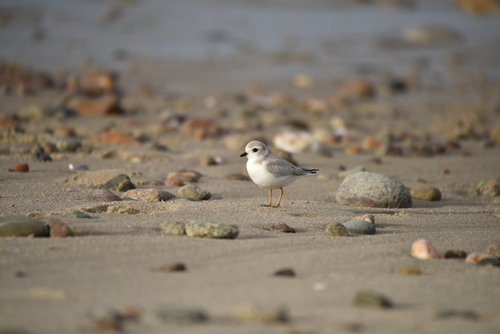 Piping Plover
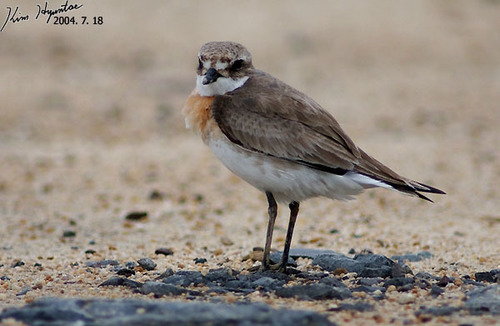 Siberian Sand-Plover
In breve
Il modo più affidabile per separare il Piping Plover dal Siberian Sand-Plover è il colore delle gambe: il Piping Plover mostra gambe di un brillante giallo-arancio, mentre il Siberian Sand-Plover ha sempre gambe scure (nere o grigie). In abito nuziale, il Piping Plover ha una singola striscia nera stretta sul petto e una barra nera sulla fronte, mentre i maschi del Siberian Sand-Plover hanno un ampio petto castano, fronte e nuca castane, e una maschera nera. Gli uccelli non in riproduzione e immaturi sono più difficili da distinguere, ma il Piping Plover rimane più chiaro e tozzo, con un becco corto e tozzo arancio e nero, mentre il Siberian Sand-Plover ha gambe più lunghe, un becco più lungo e spesso mostra un accenno di ruggine sulla testa. Anche la struttura e il jizz sono utili: il Piping Plover è compatto e con testa rotonda, mentre il Siberian Sand-Plover è più slanciato e allungato. Entrambe le specie possono apparire su spiagge sabbiose, ma i loro areali raramente si sovrappongono.
Consigli di identificazione
- Leg Color (all ages/seasons): Il Piping Plover ha sempre gambe di un brillante giallo-arancio; il Siberian Sand-Plover ha sempre gambe scure (nere o grigie). Questo è il segno di campo più affidabile quando visibile.
- Bill Color and Shape (all ages): Il Piping Plover ha un becco corto e tozzo di colore arancio con una punta nera. Il Siberian Sand-Plover ha un becco più lungo, più snello e completamente nero. Il colore del becco è particolarmente utile in viste ravvicinate.
- Breast Band (breeding adults): Il Piping Plover mostra una singola striscia nera stretta sul petto (più spessa nei maschi, più sottile o interrotta nelle femmine); i maschi in riproduzione del Siberian Sand-Plover hanno una larga striscia castana sul petto. Gli esemplari non in riproduzione e i giovanili del Siberian Sand-Plover non hanno il castano, ma la striscia del Piping Plover è sempre nera (se presente).
- Forehead and Head Pattern (breeding adults): Il Piping Plover ha una barra nera sulla fronte da occhio a occhio. I maschi in riproduzione del Siberian Sand-Plover hanno una fronte e una nuca castane, oltre a una maschera nera attraverso l'occhio. Gli esemplari non in riproduzione/giovanili del Siberian Sand-Plover possono mostrare una leggera sfumatura ruggine sulla testa, ma mai una barra nera netta.
- Leg Length and Structure (all ages): Il Piping Plover è compatto, con gambe corte e una testa rotonda. Il Siberian Sand-Plover ha gambe più lunghe, è più allungato e sta più in alto. Questa differenza è più evidente quando entrambe le specie sono affiancate, ma è comunque utile per gli uccelli solitari.
- Upperparts Color (all ages): Il Piping Plover è di colore sabbia pallido o grigio/khaki opaco sopra, mimetizzandosi con la sabbia chiara. Il Siberian Sand-Plover è generalmente più grigio sopra, specialmente in abito nuziale.
- Underparts (all ages): Entrambe le specie hanno parti inferiori bianche, ma il Piping Plover è di un bianco più pulito sotto con una singola striscia, mentre i maschi in riproduzione del Siberian Sand-Plover hanno una grande area castana; negli esemplari non in riproduzione/giovanili, il Siberian Sand-Plover può apparire simile ma è solitamente leggermente più scuro.
- Flight/Upperwing Pattern: Non sono notati schemi distintivi delle ali superiori per nessuna delle due specie, quindi la separazione in volo si basa sulla struttura e sul colore delle gambe se visibile.
- Jizz (all ages): Il Piping Plover appare tozzo e con testa rotonda, con un collo corto e un becco tozzo. Il Siberian Sand-Plover è più eretto, con gambe più lunghe e un becco più lungo, con una postura più orizzontale.
- Habitat/Range: Il Piping Plover si trova solo in Nord America; il Siberian Sand-Plover è una specie del Vecchio Mondo, che nidifica in Siberia e sverna in Asia/Australia. Le segnalazioni fuori areale sono estremamente rare e dovrebbero essere esaminate per vagabondaggio.
- Sex Differences (Piping Plover): Durante la stagione di riproduzione, i maschi di Piping Plover hanno una striscia nera sul petto più spessa e una barra nera sulla fronte più prominente rispetto alle femmine. Le femmine del Siberian Sand-Plover sono più opache rispetto ai maschi ma mostrano comunque del castano in abito nuziale.
- Nonbreeding/Juvenile Pitfalls: Entrambe le specie diventano più semplici in abito non riproduttivo e giovanile. Concentrati sul colore delle gambe, sulla forma del becco e sulla struttura quando il piumaggio è attenuato.
- Voice: Il Siberian Sand-Plover emette un trillo forte in volo, ma questo non è un forte separatore dal Piping Plover basato sulle informazioni disponibili.
- Context: Se incontri un piccolo Plover pallido con gambe arancioni su una spiaggia nordamericana, è quasi certamente un Piping Plover. Un Plover con gambe lunghe e scure e un becco nero più lungo in Asia o Australia è probabilmente un Siberian Sand-Plover.
- Common Pitfalls: Non fare affidamento esclusivamente sulla presenza o assenza della striscia sul petto negli uccelli non in riproduzione; controlla sempre il colore delle gambe e la forma del becco, specialmente negli individui con piumaggio opaco.
Taglia
Il Piping Plover è un piccolo Plover delle dimensioni di un passero con una massa corporea di circa 55 g [wikidata]. Il Siberian Sand-Plover è leggermente più grande e con gambe più lunghe, anche se la massa precisa non è fornita nelle fonti. In un confronto diretto, il Siberian Sand-Plover appare più allungato e sta più in alto a causa delle sue gambe e del suo becco più lunghi. Tuttavia, la dimensione da sola non è affidabile a meno che entrambi non siano affiancati.
Piumaggio
- Juvenile/Nonbreeding: I giovanili e gli adulti non in riproduzione del Piping Plover sono di colore sabbia pallido sopra con una striscia sul petto debole o assente e mantengono gambe giallo-arancio. I giovanili e gli uccelli non in riproduzione del Siberian Sand-Plover mancano delle tonalità castane dei maschi in riproduzione, ma possono mostrare una leggera sfumatura ruggine sulla testa; le loro gambe sono sempre scure e il loro becco è nero. Entrambi mancano di forti segni sulla testa o sul petto in inverno, ma il Piping Plover rimane più chiaro e più sbiadito nel complesso.
- Breeding Adult: Il Piping Plover ha una singola striscia nera stretta sul petto (più spessa nei maschi), una barra nera sulla fronte e un becco arancio con una punta nera. I maschi in riproduzione del Siberian Sand-Plover hanno un ampio petto castano, fronte e nuca castane, una maschera nera sugli occhi e un becco nero. Le femmine sono più opache ma mostrano comunque un po' di castano.
- Flight/Upperwing: Non sono descritti schemi distintivi delle ali superiori specifici per età per nessuna delle due specie nelle fonti fornite, quindi la separazione in volo si basa sulla struttura generale e sul colore delle gambe se visibile.
Comportamento
Entrambe le specie si nutrono su spiagge sabbiose aperte utilizzando una tecnica di corsa e pausa. Il Siberian Sand-Plover è descritto come che compie meno passi e pause più brevi rispetto al Corriere di Leschenault, ma questo non è un segno di campo utile per separarlo dal Piping Plover. Il Piping Plover appare spesso più deliberato e meno attivo rispetto al più allungato e veloce Siberian Sand-Plover. Entrambe le specie sono diffidenti e pronte a volare via se si avvicinano.
Habitat
Il Piping Plover nidifica e si nutre su spiagge costiere di sabbia e ghiaia in Nord America, specialmente nei Grandi Laghi, nell'Atlantico e nelle coste del Golfo. Il Siberian Sand-Plover nidifica su pianure costiere nude nel nord-est della Siberia e sverna su spiagge sabbiose nell'Asia orientale e sud-orientale e in Australia. Anche se entrambe possono essere trovate su spiagge sabbiose, i loro areali non si sovrappongono se non come vagabondi rari. Se visto in Nord America, un uccello con gambe scure è improbabile che sia un Piping Plover; in Asia o Australia, un Plover pallido con gambe arancioni è improbabile che sia un Siberian Sand-Plover.
Voce
Il Siberian Sand-Plover ha un trillo forte come richiamo in volo. Non è descritta alcuna vocalizzazione distintiva per il Piping Plover nelle fonti fornite, quindi la voce non è un separatore affidabile qui.
Piping Plover · Siberian Sand-Plover · I miei uccelli difficili