

Chorlitejo Silbador vs Chorlitejo Siberiano
Charadrius melodus frente a Anarhynchus mongolus
Juega un quiz con Chorlitejo Silbador y Chorlitejo Siberiano
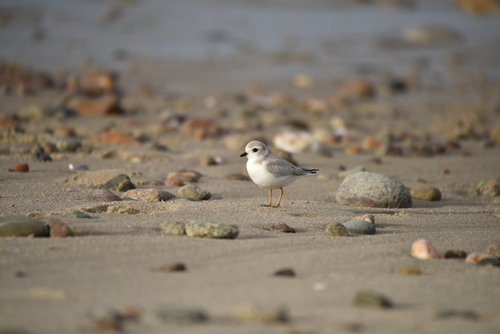 Chorlitejo Silbador
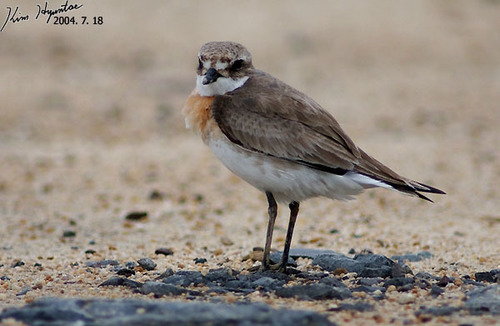 Chorlitejo Siberiano
En breve
La forma más confiable de separar el Chorlitejo Silbador del Chorlitejo Siberiano es por el color de las patas: el Chorlitejo Silbador muestra patas de un brillante color amarillo-naranja, mientras que el Chorlitejo Siberiano siempre tiene patas oscuras (negras a grises). En plumaje de cría, el Chorlitejo Silbador tiene una sola banda negra estrecha en el pecho y una barra negra en la frente, mientras que los machos del Chorlitejo Siberiano tienen un amplio pecho castaño, frente y nuca castañas, y una máscara negra. Las aves no reproductoras e inmaduras son más complicadas, pero el Chorlitejo Silbador sigue siendo más pálido y robusto, con un pico corto y grueso de color naranja y negro, mientras que el Chorlitejo Siberiano tiene patas más largas, pico más largo y a menudo muestra un indicio de rufo en la cabeza. La estructura y el comportamiento también son útiles: el Chorlitejo Silbador es compacto y de cabeza redonda, mientras que el Chorlitejo Siberiano es más esbelto y alargado. Ambas especies pueden aparecer en playas de arena, pero sus rangos rara vez se superponen.
Consejos de identificación
- Color de las patas (todas las edades/estaciones): El Chorlitejo Silbador siempre tiene patas de un brillante color amarillo-naranja; el Chorlitejo Siberiano siempre tiene patas oscuras (negras a grises). Esta es la marca de campo más confiable cuando es visible.
- Color y forma del pico (todas las edades): El Chorlitejo Silbador tiene un pico corto y grueso que es naranja con una punta negra. El Chorlitejo Siberiano tiene un pico más largo, más delgado y completamente negro. El color del pico es especialmente útil en vistas cercanas.
- Banda en el pecho (adultos reproductores): El Chorlitejo Silbador muestra una sola banda negra estrecha en el pecho (más gruesa en los machos, más delgada o rota en las hembras); los machos reproductores del Chorlitejo Siberiano tienen una amplia banda castaña en el pecho. Los Chorlitejos Siberianos no reproductores y juveniles carecen de castaño, pero la banda del Chorlitejo Silbador siempre es negra (si está presente).
- Frente y patrón de la cabeza (adultos reproductores): El Chorlitejo Silbador tiene una barra negra a través de la frente de ojo a ojo. Los machos reproductores del Chorlitejo Siberiano tienen una frente y nuca castañas, además de una máscara negra a través del ojo. Los Chorlitejos Siberianos no reproductores/juveniles pueden mostrar un leve tono rufo en la cabeza, pero nunca una barra negra marcada.
- Longitud y estructura de las patas (todas las edades): El Chorlitejo Silbador es compacto, con patas cortas y cabeza redonda. El Chorlitejo Siberiano tiene patas más largas, es más alargado y se mantiene más alto. Esta diferencia es más obvia cuando ambas especies están una al lado de la otra, pero sigue siendo útil para aves solitarias.
- Color de las partes superiores (todas las edades): El Chorlitejo Silbador es de color arena pálido o gris/caqui apagado por encima, mezclándose con la arena pálida. El Chorlitejo Siberiano es generalmente más gris por encima, especialmente en plumaje de cría.
- Partes inferiores (todas las edades): Ambas especies tienen partes inferiores blancas, pero el Chorlitejo Silbador es más blanco limpio por debajo con una sola banda, mientras que los machos reproductores del Chorlitejo Siberiano tienen una gran área castaña; en no reproductores/juveniles, el Chorlitejo Siberiano puede parecer similar pero generalmente es ligeramente más oscuro.
- Patrón de vuelo/parte superior del ala: No se observan patrones distintivos en la parte superior del ala para ninguna de las especies, por lo que la separación en vuelo depende de la estructura y el color de las patas si son visibles.
- Comportamiento (todas las edades): El Chorlitejo Silbador parece robusto y de cabeza redonda, con un cuello corto y pico grueso. El Chorlitejo Siberiano es más erguido, con patas más largas y pico más largo, con una postura más horizontal.
- Hábitat/Rango: El Chorlitejo Silbador se encuentra solo en América del Norte; el Chorlitejo Siberiano es una especie del Viejo Mundo, que cría en Siberia y pasa el invierno en Asia/Australia. Los registros fuera de su rango son extremadamente raros y deben ser examinados por vagancia.
- Diferencias de sexo (Chorlitejo Silbador): En la temporada de cría, los machos de Chorlitejo Silbador tienen una banda negra en el pecho más gruesa y una barra negra en la frente más prominente que las hembras. Las hembras del Chorlitejo Siberiano son más apagadas que los machos pero aún muestran castaño en plumaje de cría.
- Trampas de no reproducción/juveniles: Ambas especies se vuelven más simples en plumaje no reproductor y juvenil. Concéntrese en el color de las patas, la forma del pico y la estructura cuando el plumaje esté atenuado.
- Voz: El Chorlitejo Siberiano emite un trino fuerte en vuelo, pero esto no es un separador fuerte del Chorlitejo Silbador según la información disponible.
- Contexto: Si encuentra un pequeño chorlitejo pálido con patas naranjas en una playa de América del Norte, casi seguramente es un Chorlitejo Silbador. Un chorlitejo con patas más largas y oscuras con un pico negro más largo en Asia o Australia probablemente sea un Chorlitejo Siberiano.
- Trampas comunes: No confíe únicamente en la presencia o ausencia de la banda en el pecho en aves no reproductoras; siempre verifique el color de las patas y la forma del pico, especialmente en individuos con plumaje apagado.
Tamaño
El Chorlitejo Silbador es un chorlitejo pequeño, del tamaño de un gorrión, con una masa corporal de alrededor de 55 g [wikidata]. El Chorlitejo Siberiano es ligeramente más grande y tiene patas más largas, aunque no se proporciona una masa precisa en las fuentes. En comparación directa, el Chorlitejo Siberiano parece más alargado y se mantiene más alto debido a sus patas y pico más largos. Sin embargo, el tamaño por sí solo no es confiable a menos que ambos estén uno al lado del otro.
Plumaje
- Juvenil/No reproductor: Los juveniles y adultos no reproductores del Chorlitejo Silbador son de color arena pálido por encima con una banda en el pecho tenue o ausente y mantienen patas de color amarillo-naranja. Los juveniles y aves no reproductoras del Chorlitejo Siberiano carecen de los tonos castaños de los machos reproductores, pero pueden mostrar un leve tono rufo en la cabeza; sus patas son siempre oscuras y su pico es negro. Ambos carecen de marcas fuertes en la cabeza o el pecho en invierno, pero el Chorlitejo Silbador sigue siendo más pálido y más deslavado en general.
- Adulto reproductor: El Chorlitejo Silbador tiene una sola banda negra estrecha en el pecho (más gruesa en los machos), una barra negra en la frente y un pico naranja con punta negra. Los machos reproductores del Chorlitejo Siberiano tienen un amplio pecho castaño, frente y nuca castañas, una máscara negra alrededor del ojo y un pico negro. Las hembras son más apagadas pero aún muestran algo de castaño.
- Vuelo/Parte superior del ala: No se describen patrones distintivos en la parte superior del ala específicos de la edad para ninguna de las especies en las fuentes proporcionadas, por lo que la separación en vuelo depende de la estructura general y el color de las patas si son visibles.
Comportamiento
Ambas especies forrajean en playas de arena abiertas utilizando una técnica de correr y pausar. Se describe que el Chorlitejo Siberiano da menos pasos y hace pausas más cortas que el Chorlitejo Mongol, pero esta no es una marca de campo útil para separarlo del Chorlitejo Silbador. El Chorlitejo Silbador a menudo parece más deliberado y menos activo que el Chorlitejo Siberiano, que es más alargado y se mueve más rápido. Ambas especies son cautelosas y rápidas para volar si se acercan.
Hábitat
El Chorlitejo Silbador cría y se alimenta en playas de arena y grava costeras en América del Norte, especialmente en los Grandes Lagos, la costa atlántica y la costa del Golfo. El Chorlitejo Siberiano cría en llanuras costeras desnudas en el noreste de Siberia y pasa el invierno en playas de arena en Asia Oriental y Sudeste y Australia. Aunque ambas pueden encontrarse en playas de arena, sus rangos no se superponen excepto como vagantes raros. Si se ve en América del Norte, es poco probable que un ave con patas oscuras sea un Chorlitejo Silbador; en Asia o Australia, es poco probable que un chorlitejo pálido con patas naranjas sea un Chorlitejo Siberiano.
Voz
El Chorlitejo Siberiano tiene un trino fuerte como su llamado de vuelo. No se describe ninguna vocalización distintiva para el Chorlitejo Silbador en las fuentes proporcionadas, por lo que la voz no es un separador confiable aquí.
Chorlitejo Silbador · Chorlitejo Siberiano · Mis aves difíciles