
Motmot

コアオバト 対 キアシアオバト

Treron vernans 対 Treron phoenicopterus

コアオバトとキアシアオバトのクイズ
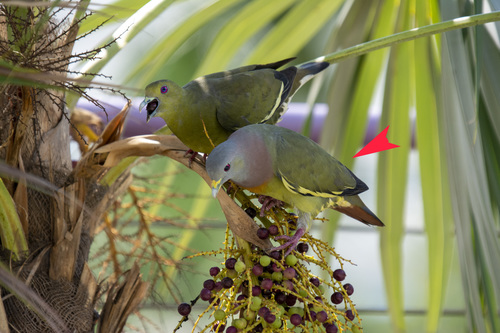
コアオバト (Treron vernans) コアオバト
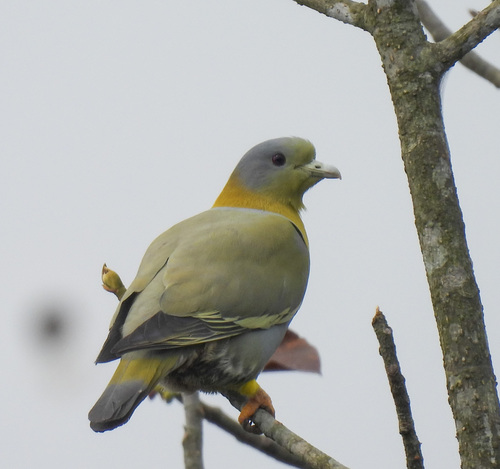
キアシアオバト (Treron phoenicopterus) キアシアオバト

メディア

読み込み中…

要点

コアオバトとキアシアオバトの最も信頼できるフィールドマークは、オスのコアオバトの独特なピンクの首とオレンジの胸であり、キアシアオバトには決して見られません。飛行中、すべての年齢のコアオバトは翼に明確な黄色のバーを示しますが、キアシアオバトにはこの特徴がありません。メスと幼鳥はより難しいです:両者は緑がかっていますが、コアオバトは小さく、黄色がかった腹と顔を持ち、キアシアオバトはより大きく、目を引く黄色の脚と足を持っています。脚をよく見ることができれば、キアシアオバトの明るい黄色が診断的です。両者は緑色の鳩ですが、その分布は東南アジアの一部でのみ重なっているため、場所が助けになります。構造と微妙な羽毛の違いは、クラシックなオスのコアオバトが存在しない場合でも、同定を確実にすることができます。

識別のコツ

  1. オスのコアオバトのピンクの首とオレンジの胸はユニークです: ピンクの首とオレンジの下胸を持つ鳩を見たら、それはオスのコアオバトです。キアシアオバトは首や胸にこれらの色を示しません。
  2. 翼に黄色のバー(飛行中): すべての年齢と性別のコアオバトは、飛行中に翼に黄色のバーを示します(黄色の縁取りのある三次羽から)。キアシアオバトはこのバーを示さず、翼はより均一に緑色です。
  3. 脚の色(止まっている鳥): キアシアオバトは明るい黄色または黄色がかったオレンジの脚と足を持ち、止まっているときに非常に目立ち、よく見れば診断的です。コアオバトの脚はピンクまたは赤みがかっており、決して黄色ではありません。
  4. サイズと構造: キアシアオバトは大きくてがっしりしており、体と尾が長いです。コアオバトは小さく、よりコンパクトで軽いです。
  5. メスと幼鳥の混同: メスと幼鳥のコアオバトは緑がかっており、黄色がかった腹、喉、顔を持ち、緑がかった冠と後頭部があります。幼鳥は上面が大人よりも灰色がかっています。キアシアオバトのメスと幼鳥は、上面と下面がより均一な緑色で、常に黄色の脚を持っています。
  6. 尾の模様: コアオバトは灰色の尾を持ち、黒い端帯と栗色の上尾羽覆いがあります。キアシアオバトの尾はあまり明確にマークされていません。
  7. 頭の色: オスのコアオバトは灰色の頭を持ち、メスのコアオバトは緑がかった冠と後頭部を持っています。キアシアオバトの成鳥は青灰色または灰色がかった冠と後頭部を持ち、黄色がかった緑の額と喉を持っています。
  8. 生息地と分布: インドや西東南アジアにいる場合、特に乾燥したまたはより森林の多い生息地では、キアシアオバトの方が可能性が高いです。マレー半島、大スンダ列島、またはフィリピンでは、特に庭や都市公園では、コアオバトがデフォルトです。
  9. 行動: 両種はしばしば小さな群れで見られ、果物を食べるため、行動は強い区別要因ではありません。
  10. くちばしの色: コアオバトのくちばしは白、淡い青緑または灰色です。キアシアオバトのくちばしの色はここでは診断的ではありません。
  11. 声: 両者は静かですが、コアオバトは三音節の口笛を鳴らし、最後にクーという音を出すことがありますが、信頼できるフィールドマークではありません。
  12. 性的二形性: コアオバトだけが強い性的二形性を示し(オスはピンク/オレンジ、メスは緑がかっています)、キアシアオバトは二形性が少なく、両性が似ています。
  13. 落とし穴: 幼鳥のコアオバトはキアシアオバトのメスに非常に似て見えることがありますが、サイズ、黄色の翼のバー(飛行中)、脚の色を確認してください。
  14. マークが失敗した場合: 脚が見えない場合や鳥が暗い場所にいる場合は、サイズ、飛行中の翼のバー、胸や首のピンク/オレンジのヒントに焦点を当ててください。
  15. 地域の豊富さ: 東南アジアの都市公園や庭では、コアオバトはしばしば豊富で近づきやすいですが、キアシアオバトはより都市化されていない森林の多い環境で見られる可能性が高いです。

大きさ

キアシアオバトは明らかに大きく、約33 cmの長さに達しますが、コアオバトは中型で25〜30 cmです。このサイズの違いは直接比較で明らかで、キアシアオバトはよりがっしりしており、尾が長く見えます。コアオバトはキアシアオバトに比べて軽量(105〜160 g)です(ここでは指定されていませんが、属内で一貫して大きく重いと説明されています)。

羽色

行動

両種は通常、小さな群れやフロックで見られ、しばしば木の果物を食べています。コアオバトは開けた場所、庭、都市公園で見られる可能性が高く、キアシアオバトはしばしば森林や森林の端の生息地にいます。両者は近づきやすく、特に臆病ではありません。フィールドで診断的な主要な行動の違いはありません。

生息環境

コアオバトは東南アジア全域に広がり、低地の森林、森林の端、マングローブ、庭、プランテーション、さらには都市公園を好みます。キアシアオバトはインド亜大陸と東南アジアの一部で一般的で、通常は森林の生息地、森林の端、林に生息していますが、密集した都市地域ではあまり見られません。インドや西東南アジアにいる場合、キアシアオバトの方が可能性が高く、マレー半島、大スンダ列島、またはフィリピンでは、コアオバトが優勢です。

声

両種は一般的に静かであまり声を出しません。コアオバトは三音節の口笛の呼び声を出し、最後にクーという音を出すことがあり、時には「クラック クラック」という音を出しますが、持続的なクー音で知られているわけではありません。キアシアオバトの呼び声はここでは詳細に説明されていませんが、分離のための主要なフィールドマークではありません。

より良い説明を送る

比較と同じ項目を使ってください。文章はすぐに公開されます。

The most reliable field mark between Pink-necked and Yellow-footed Green-Pigeon is the male Pink-necked’s unique pink neck and orange breast, which is never shown by Yellow-footed. In flight, Pink-necked of all ages shows a distinct yellow bar across the wing, while Yellow-footed lacks this feature. Females and immatures are trickier: both are greenish, but Pink-necked is smaller and has a yellowish belly and face, while Yellow-footed is bulkier with striking yellow legs and feet. If you see the legs well, Yellow-footed’s bright yellow is diagnostic. Both are green pigeons, but their ranges overlap only in parts of Southeast Asia, so location can help. Structure and subtle plumage differences can clinch the ID even when the classic male Pink-necked is not present.

  1. Male Pink-necked’s pink neck and orange breast are unique: If you see a pigeon with a pink neck and orange lower breast, it is a male Pink-necked. Yellow-footed never shows these colors on the neck or breast.
  2. Yellow bar across the wing (in flight): All ages and sexes of Pink-necked show a yellow bar across the wing (from yellow-edged tertials) in flight. Yellow-footed never shows this bar; its wings are more uniformly green.
  3. Leg color (perched birds): Yellow-footed has bright yellow or yellow-orange legs and feet, very obvious when perched and diagnostic if seen well. Pink-necked’s legs are pink or reddish, never yellow.
  4. Size and structure: Yellow-footed is larger and bulkier, with a longer body and tail. Pink-necked is smaller, more compact, and lighter.
  5. Female and immature confusion: Female and juvenile Pink-necked are greenish with a yellowish belly, throat, and face, and a greenish crown/nape. Juveniles are greyer above. Yellow-footed females and immatures are more uniform green above and below, and always have yellow legs.
  6. Tail pattern: Pink-necked has a grey tail with a black terminal band and chestnut uppertail coverts. Yellow-footed’s tail is less distinctly marked.
  7. Head color: Male Pink-necked has a grey head; female Pink-necked has a greenish crown and nape. Yellow-footed adults have a bluish-grey or greyish crown and nape, and a yellowish-green forehead and throat.
  8. Habitat and range: If in India or western Southeast Asia, especially in drier or more wooded habitats, Yellow-footed is more likely. In the Malay Peninsula, Greater Sundas, or the Philippines, especially in gardens or urban parks, Pink-necked is the default.
  9. Behavior: Both species are often in small flocks and feed on fruit, so behavior is not a strong separator.
  10. Bill color: Pink-necked’s bill is white, pale blue-green or grey; Yellow-footed’s bill color is not diagnostic here.
  11. Voice: Both are quiet, but Pink-necked may give a tri-syllabic whistle ending in a coo; not a reliable field mark.
  12. Sexual dimorphism: Only Pink-necked shows strong sexual dimorphism (males with pink/orange, females greenish); Yellow-footed is less dimorphic, with both sexes similar.
  13. Pitfalls: Immature Pink-necked can look very similar to Yellow-footed females, but check for size, yellow wing bar (in flight), and leg color.
  14. When marks fail: If you cannot see the legs or the bird is in poor light, focus on size, wing bar in flight, and any hint of pink/orange on the breast or neck.
  15. Local abundance: In urban parks and gardens in Southeast Asia, Pink-necked is often abundant and approachable; Yellow-footed is more likely in less urban, wooded settings.

Yellow-footed Green-Pigeon is noticeably larger, reaching about 33 cm in length, while Pink-necked is medium-sized at 25–30 cm. This size difference is apparent in direct comparison, with Yellow-footed looking bulkier and longer-tailed. Pink-necked is also lighter in weight (105–160 g) compared to Yellow-footed (not specified here, but consistently described as larger and heavier in the genus).

  • Juvenile/Immature/Female: Both species are greenish, but Pink-necked (especially females and juveniles) is smaller, with a yellowish belly, throat, and face, and a greenish crown and nape. Juvenile Pink-necked are greyer above than adults. Yellow-footed is more uniform green above, but the most striking feature is its bright yellow or yellow-orange legs and feet, visible when perched or sometimes in flight.
  • Adult Male: Male Pink-necked is unmistakable with a grey head, pink neck and upper breast, and orange lower breast, plus a yellow bar across the wing in flight. Yellow-footed males lack any pink or orange on the neck or breast, instead showing a bluish-grey crown/nape, yellowish-green forehead/throat, and a broad yellow or olive-yellow collar.
  • Wing Pattern (all ages): Pink-necked shows a yellow bar across the wing (from yellow-edged tertials) in flight, which Yellow-footed lacks. Both have green wings, but Yellow-footed’s are more uniform without the yellow bar.
  • Tail: Pink-necked has a grey tail with a black terminal band and chestnut uppertail coverts; Yellow-footed’s tail is less distinctly marked.

Both species are usually seen in small groups or flocks, often feeding on fruit in trees. Pink-necked is more likely to be seen in open areas, gardens, and city parks, while Yellow-footed is often in wooded or forest-edge habitats. Both can be approachable and are not particularly shy. No major behavioral differences are diagnostic in the field.

Pink-necked Green-Pigeon is widespread in Southeast Asia, favoring lowland forests, forest edges, mangroves, gardens, plantations, and even urban parks. Yellow-footed Green-Pigeon is common in the Indian subcontinent and parts of Southeast Asia, usually in wooded habitats, forest edges, and groves, but less often in dense urban areas. If you are in India or western Southeast Asia, Yellow-footed is more likely; in the Malay Peninsula, Greater Sundas, or the Philippines, Pink-necked predominates.

Both species are generally quiet and not very vocal. Pink-necked Green-Pigeon produces a tri-syllabic whistling call ending in a coo, and sometimes a rasping "krrak krrak"; it is not known for persistent cooing. Yellow-footed’s calls are not described in detail here, but are not a primary field mark for separation.

変更を破棄しますか?

保存していない編集があります。今離れると失われます。

コアオバト · キアシアオバト · 苦手な鳥