

Motmot

コアオバト 対 ムネアカアオバト

Treron vernans 対 Treron bicinctus

コアオバトとムネアカアオバトのクイズ
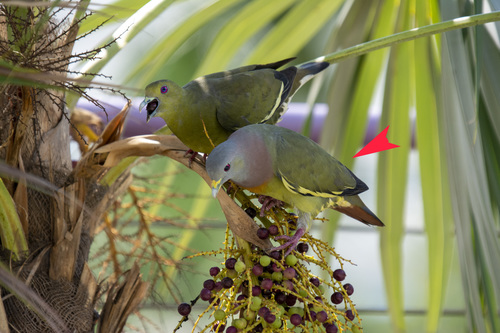
コアオバト (Treron vernans) コアオバト
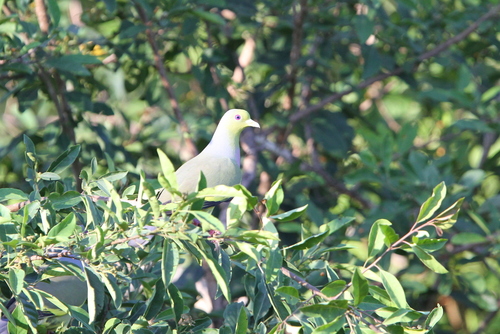
ムネアカアオバト (Treron bicinctus) ムネアカアオバト

メディア

読み込み中…

要点

コアオバトとムネアカアオバトの最も信頼できるフィールドマークは、オスの頭部と胸部の色彩です:オスのコアオバトは灰色の頭とピンクがかった首を持ち、オスのムネアカアオバトは頭に灰色がなく、ライラックとオレンジの胸部バンドを示します。飛行中、コアオバトは翼に黄色のバーを示します(黄色の縁取りのある三次羽から)、ムネアカアオバトにはこれがありません。雌と幼鳥はより難しいですが、コアオバトの雌は緑がかった冠と黄色がかった顔を持ち、ムネアカアオバトの雌は下部が黄色で、黄色がかった緑の冠を持っています。両種は中型の緑色の鳩ですが、ムネアカアオバトは平均して重いです。生息地の重複は東南アジアで可能ですが、コアオバトはより都市部や沿岸部に多く、ムネアカアオバトは森林地域を好みます。フィールドでの鳴き声は特に区別がつくものではありませんが、コアオバトは全体的に声が少ないです。

識別のコツ

  1. Male head and breast color: オスのコアオバトは灰色の頭とピンクがかった首/上胸、オレンジの下胸を持ち、オスのムネアカアオバトは黄色がかった緑の冠を持ち、頭に灰色がなく、胸部の広いオレンジバンドの上に狭いライラックバンドがあります。これは成鳥のオスにとって最も信頼できるマークです。
  2. Female face and crown: 雌のコアオバトは緑がかった冠と黄色がかった顔/喉を示し、雌のムネアカアオバトは黄色がかった緑の冠を持ちますが、下部は明るい黄色で、オレンジ/ライラックの胸部バンドがありません。
  3. Wing pattern in flight: コアオバト(すべての年齢)は飛行中に翼に黄色のバーを示します(黄色の縁取りのある三次羽から)、特に飛行中に目立ちます;ムネアカアオバトにはこの黄色の翼バーがありません。
  4. Tail and uppertail coverts: コアオバトは栗色の上尾羽覆いを持ち、ムネアカアオバトのそれは青銅色で、下尾羽覆いはシナモン色です(雌には緑がかった斑点があります)。
  5. Upper tail color in females: ムネアカアオバトの雌は中央の尾羽がスレートグレーで、よく見えると微妙ですが役立つマークです。
  6. Juvenile plumage: 両種の幼鳥は雌に似ていますが、コアオバトの幼鳥は上部がより灰色がかっています。ムネアカアオバトの幼鳥にはユニークな上翼パターンは記載されていません;コアオバトの黄色の縁取りのある三次羽(飛行中に黄色のバーを作る)は、若い鳥でも見えるかもしれませんが、これは成鳥で確認するのが最良です。
  7. Bill and leg color: コアオバトは白、淡い青緑、または灰色のくちばしとピンク/赤みがかった脚を持ち、ムネアカアオバトのくちばし/脚の色は、情報源では特に目立つものとして強調されていません。
  8. Size: ムネアカアオバトは重い(175 g対コアオバトの最大160 g)ですが、体長は似ています;サイズは直接比較しない限り、強いフィールドマークにはなりません。
  9. Habitat context: コアオバトは都市部、沿岸部、開けた生息地で一般的で、しばしば庭やプランテーションにいます;ムネアカアオバトはより厳密に森林の鳥で、都市部にはほとんどいません。
  10. Behavior: ムネアカアオバトは地面で餌を食べたり、枝に沿ってゆっくり歩いたりするのが見られるかもしれません;コアオバトは開けた場所で群れで見られる可能性が高いです。
  11. Vocalization: 鳴き声はフィールドで信頼性のある区別ができません;両者とも一般的に静かです。
  12. Sexual dimorphism: 両種は性的二形性がありますが、オスの頭部と胸部の色彩は、性別がわかっているときにそれらを分ける最も迅速な方法です。
  13. No maroon on wing: ムネアカアオバトは翼にマルーンがありませんが、コアオバトにもありません;このマークは他のトレロン種を分けるのにより役立ちます。
  14. Overlap and range: インド亜大陸や深い森林にいる場合、ムネアカアオバトの方が可能性が高いです;都市部の東南アジアでは、コアオバトがデフォルトです。
  15. Pitfalls: 幼鳥と雌の鳥は最も混同されやすいです;顔、冠、下部の色に焦点を当て、飛行中のコアオバトの黄色の翼バーを探してください。

大きさ

ムネアカアオバトは重い(平均成鳥の質量約175 g [wikidata])で、コアオバト(105–160 g [wikipedia])よりも重いですが、両者は中型の鳩です。体長は似ており(コアオバト:25–30 cm)、サイズだけでは強いフィールドマークにはなりません。構造は情報源では診断的に強調されていません。

羽色

行動

両種は木の中で静かに餌を探し、しばしばペアや小さな群れで行動します。ムネアカアオバトは枝に沿ってゆっくりとした動きが特徴で、時には地面で餌を食べます。コアオバトは開けた場所、庭、都市環境でより頻繁に見られ、大きな群れで見られることもあります。飛行スタイルは鳩に典型的で、速く直接的で、定期的な羽ばたきがあります。オスのムネアカアオバトは繁殖期に戦っているのが見られることがあり、翼で叩き合ったり、つついたりします。

生息環境

コアオバトは東南アジアで一般的で、特に低地や沿岸地域に多く、庭、プランテーション、都市環境に適応しています。森林の端やマングローブでよく見られ、密集した森林の奥深くにはほとんどいません。ムネアカアオバトは森林の生息地を好み、テライ、下ヒマラヤ、ウエスタンおよびイースタン・ガーツ、スリランカの森林など、一般的に1,500 m以下の地域に生息しています。その範囲はインド亜大陸から東南アジアに広がりますが、コアオバトよりも都市部には少なく、森林により結びついています。タイ、マレーシア、インドネシアの一部で重複が可能ですが、文脈が役立ちます:都市公園や沿岸の庭はコアオバトを好み、内陸の森林はムネアカアオバトを好みます。

声

どちらの種も特に声が大きくありません。コアオバトは一般的に静かで、主に共同の休息所や食べ物が見つかったときに鳴きます;その鳴き声は三音節の口笛で、クーで終わるか、ざらざらした「クラック クラック」です。ムネアカアオバトは低く抑えられた変調されたさまよい口笛の連続を出します。実際には、鳴き声は分離のための最も信頼できるフィールドマークではありません。

より良い説明を送る

比較と同じ項目を使ってください。文章はすぐに公開されます。

The most reliable field mark between Pink-necked and Orange-breasted Green-Pigeons is the male's head and breast coloration: male Pink-necked has a grey head and pinkish neck, while male Orange-breasted lacks grey on the head and shows a lilac and orange breast band. In flight, Pink-necked shows a yellow bar across the wing (from yellow-edged tertials), which Orange-breasted lacks. Females and immatures are trickier, but Pink-necked females have a greenish crown and yellowish face, while Orange-breasted females are yellow below with a yellowish-green crown. Both species are medium-sized green pigeons, but Orange-breasted is heavier on average. Habitat overlap is possible in Southeast Asia, but Pink-necked is more urban and coastal, while Orange-breasted prefers forested areas. Calls are not especially distinctive in the field, but Pink-necked is less vocal overall.

  1. Male head and breast color: Male Pink-necked has a grey head and pinkish neck/upper breast, with orange lower breast; male Orange-breasted has a yellowish-green crown, no grey on the head, and a narrow lilac band above a broad orange band on the breast. This is the most reliable mark for adult males.
  2. Female face and crown: Female Pink-necked shows a greenish crown and yellowish face/throat; female Orange-breasted has a yellowish-green crown but is bright yellow below, lacking the orange/lilac breast bands.
  3. Wing pattern in flight: Pink-necked (all ages) shows a yellow bar across the wing (from yellow-edged tertials), especially visible in flight; Orange-breasted lacks this yellow wing bar.
  4. Tail and uppertail coverts: Pink-necked has chestnut uppertail coverts; Orange-breasted's are bronzed, and its undertail coverts are cinnamon (with greenish spots in females).
  5. Upper tail color in females: Orange-breasted females have central tail feathers slaty grey, a subtle but useful mark when seen well.
  6. Juvenile plumage: Both species' juveniles resemble females, but Pink-necked juveniles are greyer above, which may help if seen closely.
  7. Bill and leg color: Pink-necked has a white, pale blue-green, or grey bill and pink/reddish legs; Orange-breasted's bill/leg color is not highlighted as distinctive in the sources.
  8. Size: Orange-breasted is heavier (175 g vs. up to 160 g for Pink-necked), but length is similar; size is only useful with direct comparison.
  9. Habitat context: Pink-necked is common in urban, coastal, and open habitats, often in gardens and plantations; Orange-breasted is more strictly a forest bird, rarely urban.
  10. Behavior: Orange-breasted may be seen feeding on the ground or slowly walking along branches; Pink-necked is more likely to be seen in flocks in open areas.
  11. Vocalization: Calls are not reliably separable in the field; both are generally quiet.
  12. Sexual dimorphism: Both species are sexually dimorphic, but the male's head and breast coloration is the quickest way to separate them when sex is known.
  13. No maroon on wing: Orange-breasted lacks maroon on the wing, but so does Pink-necked; this mark is more useful to separate other Treron species.
  14. Overlap and range: If in the Indian subcontinent or deep forest, Orange-breasted is more likely; in urban Southeast Asia, Pink-necked is the default.
  15. Pitfalls: Immature and female birds are most easily confused; focus on face, crown, and underpart color, and look for the yellow wing bar in flight for Pink-necked.

Orange-breasted Green-Pigeon is heavier (average adult mass ~175 g [wikidata]) than Pink-necked Green-Pigeon (105–160 g [wikipedia]), though both are medium-sized pigeons. Length is similar (Pink-necked: 25–30 cm), so size alone is not a strong field mark unless birds are side-by-side. Structure is not highlighted as diagnostic in the sources.

  • Juvenile/immature birds: Both species' juveniles resemble adult females, but Pink-necked juveniles are greyer above. No unique upperwing pattern for immatures is described for Orange-breasted; Pink-necked's yellow-edged tertials (creating a yellow bar in flight) may be visible even in young birds, but this is best confirmed in adults.

  • Adult males: Pink-necked males have a grey head, pinkish neck/upper breast, and orange lower breast, with a yellow bar across the wing in flight. Orange-breasted males lack grey on the head, have a yellowish-green crown, a lilac band on the upper breast, and a broader orange band below. Both have green wings, but Orange-breasted lacks maroon on the wing and does not show the yellow wing bar.

  • Adult females: Pink-necked females are smaller, with a yellowish belly, throat, and face, and a greenish crown and nape. Orange-breasted females are yellow below, lack the orange/lilac breast bands, and have a yellowish-green crown. Their undertail coverts are cinnamon with greenish spots (vs. chestnut uppertail coverts in Pink-necked). Upper tail in Orange-breasted females has central feathers slaty grey.

  • Tail: Both have grey tails with a broad subterminal dark band, but Pink-necked has chestnut uppertail coverts, while Orange-breasted's are bronzed.

Both species forage quietly in trees, often in pairs or small groups. Orange-breasted is noted for slow, deliberate movement along branches and sometimes feeds on the ground. Pink-necked is more often seen in open areas, gardens, and urban environments, sometimes in larger flocks. Flight style is typical for pigeons: fast and direct with regular wingbeats. Male Orange-breasted Green-Pigeons may be seen fighting during breeding season, slapping with wings and pecking.

Pink-necked Green-Pigeon is common in Southeast Asia, especially in lowland and coastal areas, and adapts well to gardens, plantations, and urban settings. It is often found at forest edges and in mangroves, rarely deep in dense forest. Orange-breasted Green-Pigeon prefers forested habitats, including the Terai, lower Himalayas, Western and Eastern Ghats, and Sri Lankan forests, generally below 1,500 m. Its range extends from the Indian subcontinent into Southeast Asia, but it is less urban and more tied to forest than Pink-necked. Overlap is possible in Thailand, Malaysia, and parts of Indonesia, but context can help: city parks and coastal gardens favor Pink-necked; interior forests favor Orange-breasted.

Neither species is especially vocal. Pink-necked Green-Pigeon is generally quiet, calling mainly at communal roosts or when food is found; its call is a tri-syllabic whistle ending in a coo, or a rasping 'krrak krrak'. Orange-breasted Green-Pigeon gives a low, subdued series of modulated wandering whistles. In practice, calls are not the most reliable field marks for separation.

変更を破棄しますか?

保存していない編集があります。今離れると失われます。

コアオバト · ムネアカアオバト · 苦手な鳥