

Motmot

セアカモズモドキ 対 ユカタンモズモドキ

Vireo philadelphicus 対 Vireo magister

セアカモズモドキとユカタンモズモドキのクイズ
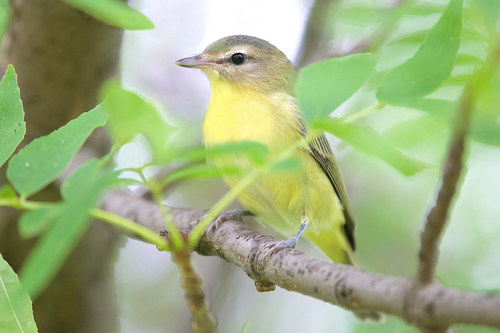
セアカモズモドキ (Vireo philadelphicus) セアカモズモドキ
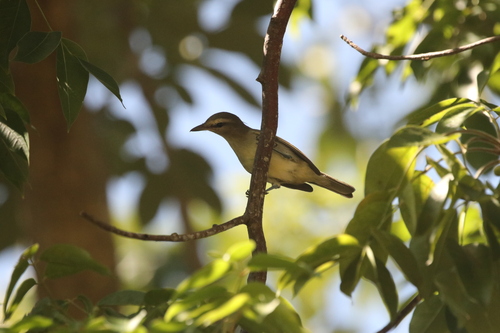
ユカタンモズモドキ (Vireo magister) ユカタンモズモドキ

メディア

読み込み中…

要点

フィラデルフィアモズモドキとユカタンモズモドキを区別する最も信頼できるフィールドマークは、腹部の色と範囲です。フィラデルフィアモズモドキは、特に胸と腹部で明確に黄色い腹部を示しますが、ユカタンモズモドキは下側がはるかに淡く、バフィホワイトから白っぽい腹部で、側面にはわずかにオリーブ色または灰色がかった洗いがかかっています。フィラデルフィアモズモドキは、目を通る暗い、より対照的なライン(暗いロア)と明るい白いスーペルシリウムを持っていますが、ユカタンモズモドキのロアは淡い茶色がかった灰色で、顔により溶け込んでいます。両種は翼のバーと目のリングが欠けていますが、ユカタンモズモドキは一般的に大きくてがっしりしており、より重いくちばしと長い尾を持っています。これらの違いは、成鳥と幼鳥の両方で一貫しており、止まっているときと飛んでいるときの両方で見ることができます。

識別のコツ

  1. 腹部の色: フィラデルフィアモズモドキは常に明るい黄色の腹部を示し、特に胸と腹部で、ユカタンモズモドキは淡いバフィホワイトから白っぽい下側で、側面にはわずかにオリーブ色または灰色がかった洗いがあります。これはすべての年齢と季節において最も信頼できるフィールドマークです。
  2. 顔のパターン: フィラデルフィアモズモドキは目を通る強い暗いライン(暗いロア)と鮮明な白いスーペルシリウムを持ち、高コントラストの顔を作ります。ユカタンモズモドキのロアは茶色がかった灰色で顔に溶け込み、あまり明確でない淡い茶色がかった白いスーペルシリウムを持っています。このマークはすべての羽毛で使用してください。
  3. 上面の色: フィラデルフィアモズモドキはオリーブブラウンで、灰色の冠を持っています。ユカタンモズモドキはオリーブ色の色合いを持つ暗い灰色がかった茶色で、時には一部の亜種で明るいオリーブ色の尾羽を持っています。鳥が上面が均一に暗い灰色がかった茶色に見える場合は、ユカタンモズモドキを疑ってください。
  4. くちばしの構造: ユカタンモズモドキは、顎の基部が淡い灰色のより重く、がっしりしたくちばしを持っていますが、フィラデルフィアモズモドキのくちばしはがっしりしていますが、比率的により繊細です。フィールドでのくちばしの色はあまり対照的ではありませんが、近くで見ると役立つことがあります。
  5. サイズと体格: ユカタンモズモドキは大きくてがっしりしており、尾が長く、体格が重いです。フィラデルフィアモズモドキは小さくてコンパクトです。これを使用するのは、スケール感や直接比較ができるときだけです。
  6. 足の色: 両種は青灰色から青みがかった足と足を持っているため、これは有用な区別にはなりません。
  7. 翼のバーと目のリング: 両種は翼のバーと目のリングが欠けているため、これらの特徴を使って区別しないでください。
  8. 幼鳥/未成熟の羽毛: 両種に特有の年齢別の上翼パターンや飛行マークは記載されていないため、飛行中や止まっている鳥の翼のパターンに頼らないでください。
  9. 生息地と範囲: カナダや北部アメリカで移動中の場合、フィラデルフィアモズモドキが期待されます。ユカタン半島やグランドケイマンにいる場合、ユカタンモズモドキがデフォルトです。これらの地域から離れると、特にテキサスではユカタンモズモドキは非常にまれで、注意深く調査する必要があります。
  10. 声: フィラデルフィアモズモドキの歌は、明確で間隔のある音のシリーズです。ユカタンモズモドキの声はここでは記載されていないため、声に頼って区別しないでください。
  11. 性別と季節: 両種は両性において似た羽毛を持ち、年間を通じて性別と季節は同定に影響しません。
  12. 亜種の変異: 一部のユカタンモズモドキの亜種(例:stilesi、caymanensis)は、より明るいオリーブ色や淡い腹部を示すことがありますが、フィラデルフィアモズモドキの明るい黄色には一致しません。
  13. 文脈的手がかり: 周囲の鳥のコミュニティや生息地を考慮してください。フィラデルフィアモズモドキは他の温帯のモズモドキやウグイスと一緒に見られることが多いですが、ユカタンモズモドキは熱帯の種と一緒にいる可能性が高いです。
  14. 一般的な落とし穴: 最大の間違いは、悪い光や色あせたユカタンモズモドキで黄色のトーンを過大評価することです。常に顔のパターンの鮮明さと下部の黄色の真の範囲を確認してください。
  15. 疑わしい場合: 腹部が明確に黄色でなく、顔に鋭い暗いロアが欠けている場合は、ユカタンモズモドキに傾いてください。特に鳥が大きくて重いくちばしに見える場合はそうです。

大きさ

ユカタンモズモドキはフィラデルフィアモズモドキよりも明らかに大きくて重いです。ユカタンモズモドキは約15 cmの長さで、体重は約15.4 g(最大25 gまで)で、全体的にがっしりした鳥です。フィラデルフィアモズモドキは小さくてより繊細ですが、その正確な体重はここでは指定されていません。フィールドでは、ユカタンモズモドキの大きなサイズ、長い尾、より重くがっしりしたくちばしが、二つが並んで見られるときや経験を通じて明らかになります。距離や直接比較が難しい場合は、羽毛と顔のパターンに頼ってください。

羽色

両種に特有の年齢別の上翼パターンや幼鳥の飛行マークは記載されていないため、体と顔の羽毛に焦点を当ててください。すべての年齢のフィラデルフィアモズモドキはオリーブブラウンの上面、灰色の冠、そして明確に黄色い腹部を示し、目を通る鋭い暗いライン(暗いロア)と鮮明な白いスーペルシリウムを持っています。ユカタンモズモドキは、年齢や亜種に関係なく、上面が暗い灰色がかった茶色でオリーブ色の色合いを持っていますが、腹部ははるかに淡いです—中央はバフィホワイトから白で、側面にはわずかにオリーブ色または灰色がかった洗いがあります。スーペルシリウムは淡い茶色がかった白で、あまり鮮明に定義されておらず、ロアは茶色がかった灰色で、顔に溶け込んでいます。両種は翼のバーと目のリングが欠けています。ユカタンモズモドキの亜種は微妙な違いを示すことがあります(例:明るいオリーブ色の尾羽や淡い腹部)が、フィラデルフィアモズモドキの明るい黄色には一致しません。

行動

両種は木や低木で餌を探し、典型的なモズモドキのスタイルで葉の中を慎重に移動します。フィラデルフィアモズモドキは時々ホバリングしたり、昆虫を捕まえたりしますが、ユカタンモズモドキの餌の取り方はあまり具体的には記載されていませんが、似ている可能性があります。両種は直接比較した場合、フィールドで診断的な独自の行動特性を持っていません。

生息環境

フィラデルフィアモズモドキはカナダ全土の落葉樹林や混合林の端で繁殖し、東部および中央アメリカで移動中に最も遭遇する可能性があります。ユカタンモズモドキはユカタン半島、ベリーズ、ホンジュラス、グランドケイマンの沿岸および低地の生息地に見られ、範囲の北側ではまれな迷鳥です。テキサスや移動中以外のアメリカで見られた場合、ユカタンモズモドキは非常にまれです。したがって、文脈と場所は強力な手がかりです。フィラデルフィアモズモドキは温帯北アメリカで期待され、ユカタンモズモドキは新熱帯区で期待されます。

声

フィラデルフィアモズモドキの歌は、3〜5音のシリーズ("weeezh weeezh weeezh")で、アカメモズモドキに似ていますが、間隔が長く、わずかに高い音です。これらのメモにはユカタンモズモドキの声の記述はありませんので、声に頼って区別しないでください。

より良い説明を送る

比較と同じ項目を使ってください。文章はすぐに公開されます。

The most reliable field mark to separate Philadelphia Vireo from Yucatan Vireo is the color and extent of the underparts: Philadelphia Vireo shows distinctly yellow underparts, especially on the breast and belly, while Yucatan Vireo is much paler below, with buffy white to whitish underparts and only a faint olive or grayish wash on the flanks. Philadelphia Vireo also has a darker, more contrasting line through the eye (dark lores) and a brighter white supercilium, whereas Yucatan Vireo’s lores are paler brownish-gray and blend more into the face. Both species lack wing bars and eye rings, but Yucatan Vireo is generally larger and bulkier, with a heavier bill and longer tail. These differences are consistent in adults and immatures, and are visible both perched and in flight.

  1. Underparts color: Philadelphia Vireo always shows bright yellow underparts, especially on the breast and belly, while Yucatan Vireo is pale buffy white to white below, with only a faint olive or grayish wash on the flanks. This is the single most reliable field mark for all ages and seasons.
  2. Facial pattern: Philadelphia Vireo has a strong dark line through the eye (dark lores) and a crisp white supercilium, creating a high-contrast face. Yucatan Vireo’s lores are brownish gray and blend into the face, with a less distinct, pale brownish white supercilium. Use this mark in all plumages.
  3. Upperparts color: Philadelphia Vireo is olive-brown above with a gray crown; Yucatan Vireo is darker gray-brown with an olive tinge, sometimes with a brighter olive rump in some subspecies. If the bird appears more uniformly dark gray-brown above, suspect Yucatan Vireo.
  4. Bill structure: Yucatan Vireo has a heavier, stouter gray bill with a paler base to the mandible, while Philadelphia Vireo’s bill is stout but more delicate in proportion. Bill color is not highly contrasting in the field but can help with close views.
  5. Size and bulk: Yucatan Vireo is larger and bulkier, with a longer tail and heavier build. Philadelphia Vireo is smaller and more compact. Use this only when you have a good sense of scale or direct comparison.
  6. Leg color: Both species have blue-gray to bluish legs and feet, so this is not a useful separator.
  7. Wing bars and eye ring: Both species lack wing bars and eye rings, so do not use these features to separate them.
  8. Juvenile/immature plumage: No distinctive age-specific upperwing or flight marks are described for either species, so do not rely on wing pattern in flight or perched birds.
  9. Habitat and range: If you are in Canada or the northern US during migration, Philadelphia Vireo is expected; if in the Yucatan Peninsula or Grand Cayman, Yucatan Vireo is the default. Away from these areas, especially in Texas, Yucatan Vireo is extremely rare and should be scrutinized carefully.
  10. Voice: Philadelphia Vireo’s song is a series of clear, spaced notes; Yucatan Vireo’s voice is not described here, so do not rely on vocalizations for separation.
  11. Sex and season: Both species have similar plumage in both sexes and throughout the year, so sex and season do not affect identification.
  12. Subspecies variation: Some Yucatan Vireo subspecies (e.g., stilesi, caymanensis) may show brighter olive or paler underparts, but none match the Philadelphia Vireo’s bright yellow below.
  13. Contextual clues: Consider the surrounding bird community and habitat—Philadelphia Vireo is often found with other temperate vireos and warblers, while Yucatan Vireo is more likely with tropical species.
  14. Common pitfalls: The biggest mistake is overestimating yellow tones in poor light or on faded Yucatan Vireos—always check for the sharpness of the facial pattern and the true extent of yellow below.
  15. When in doubt: If the underparts are not distinctly yellow and the face lacks a sharp dark lore, lean toward Yucatan Vireo, especially if the bird appears large and heavy-billed.

Yucatan Vireo is noticeably larger and heavier than Philadelphia Vireo. The Yucatan Vireo measures about 15 cm in length and has a body mass around 15.4 g (with a range up to 25 g), making it a bulkier bird overall. Philadelphia Vireo is smaller and more delicate, though its exact mass is not specified here. In the field, Yucatan Vireo’s larger size, longer tail, and heavier, stouter bill are evident when the two are seen side by side or with experience. If size is difficult to judge due to distance or lack of direct comparison, rely on plumage and facial pattern.

There are no distinctive age-specific upperwing patterns or juvenile flight marks described for either species, so focus on body and facial plumage. Philadelphia Vireo of all ages shows olive-brown upperparts, a gray crown, and notably yellow underparts, with a sharp dark line through the eye (dark lores) and a crisp white supercilium. Yucatan Vireo, regardless of age or subspecies, is darker gray-brown above with an olive tinge, but its underparts are much paler—buffy white to white centrally, with only a faint olive or grayish wash on the flanks. The supercilium is pale brownish white and less sharply defined, and the lores are brownish gray, blending into the face rather than standing out as a dark line. Both species lack wing bars and eye rings. Subspecies of Yucatan Vireo may show subtle differences (e.g., brighter olive rump or paler underparts), but none approach the Philadelphia Vireo’s bright yellow below.

Both species forage in trees and shrubs, moving methodically through foliage in typical vireo fashion. Philadelphia Vireo sometimes hovers or sallies for insects, while Yucatan Vireo’s foraging style is less specifically described but is likely similar. Neither species has a unique behavioral trait that is diagnostic in the field when compared directly.

Philadelphia Vireo breeds in the edges of deciduous and mixed woods across Canada, and is most likely to be encountered during migration in the eastern and central US. Yucatan Vireo is found in coastal and lowland habitats in the Yucatan Peninsula, Belize, Honduras, and Grand Cayman, and is only a rare vagrant north of its range. If seen in Texas or the US outside migration, Yucatan Vireo is extremely rare. Thus, context and location are strong clues: Philadelphia Vireo is expected in temperate North America, Yucatan Vireo in the Neotropics.

Philadelphia Vireo’s song is a series of three to five notes ("weeezh weeezh weeezh"), similar to Red-eyed Vireo but with longer pauses and slightly higher pitch. There is no vocal description for Yucatan Vireo in these notes, so voice is not a reliable separator between these two in the field.

変更を破棄しますか?

保存していない編集があります。今離れると失われます。

セアカモズモドキ · ユカタンモズモドキ · 苦手な鳥