

Motmot

セアカモズモドキ 対 チャボウシウタイモズモドキ

Vireo philadelphicus 対 Vireo leucophrys

セアカモズモドキとチャボウシウタイモズモドキのクイズ
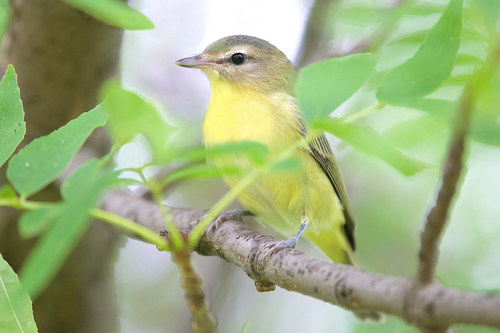
セアカモズモドキ (Vireo philadelphicus) セアカモズモドキ
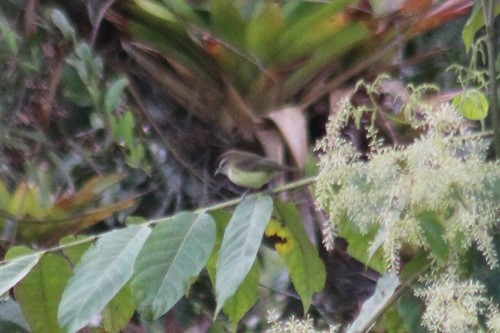
チャボウシウタイモズモドキ (Vireo leucophrys) チャボウシウタイモズモドキ

メディア

読み込み中…

要点

フィラデルフィアモズモドキとチャボウシウタイモズモドキの最も信頼できる区別は、腹部の色です:フィラデルフィアモズモドキは全体的に明らかに黄色味を帯びた腹部を示し、チャボウシウタイモズモドキは喉と上胸部が灰白色で、下腹部には淡い黄色のみがあります。両種は翼帯を欠き、白いスーパーシリウムを持っていますが、フィラデルフィアモズモドキは灰色の冠と暗いロアを持ち、チャボウシウタイモズモドキは茶色またはオリーブブラウンの冠とロアに暗い斑点があります。構造的な違いは微妙ですが、チャボウシウタイモズモドキは平均してわずかに大きく、重いです。フィールドでは、下部の黄色の強度と範囲、そして冠の色に焦点を当てることで、最も迅速に区別できます。

識別のコツ

  1. Underpart Color: フィラデルフィアモズモドキは全体的に明るい黄色の腹部を示し、特に胸部と腹部で、チャボウシウタイモズモドキは喉と上胸部が灰白色で、下腹部には淡い黄色のみがあります。これは成鳥と幼鳥の最も信頼できるフィールドマークです。
  2. Crown Color: フィラデルフィアモズモドキは灰色の冠を持ち、オリーブブラウンの上面と対照的です。チャボウシウタイモズモドキは常に茶色またはオリーブブラウンの冠を持ち、いくつかの亜種ではより暗くまたはすすけた色になることがありますが、決して灰色にはなりません。これはすべての年齢で一貫しています。
  3. Lores and Face Pattern: フィラデルフィアモズモドキは目を通る暗い線(暗いロア)と大胆な白いスーパーシリウムを持っています。チャボウシウタイモズモドキはロアに暗い斑点、目の後ろに暗い筋、灰白色の耳羽を持っています。チャボウシウタイモズモドキの全体的な顔のパターンは、フィラデルフィアモズモドキよりもより拡散しており、鋭くマークされていません。
  4. Supercilium: 両種は白いスーパーシリウムを持っていますが、フィラデルフィアのものは通常より大胆で、暗いロアと灰色の冠によって際立っていますが、チャボウシウタイモズモドキのものは茶色の冠に対して対照が少ないです。
  5. Wing Bars and Eye Ring: 両種は翼帯と目のリングを欠いているため、これらは区別に役立ちません。
  6. Upperparts: フィラデルフィアモズモドキは主にオリーブブラウンの上面を持ち、チャボウシウタイモズモドキは灰色がかったオリーブから茶色がかったオリーブグリーンで、時には翼の覆羽に黄色い縁があります。微妙ですが、チャボウシウタイモズモドキはわずかに緑がかっているか、鈍い色に見えることがあります。
  7. Bill and Legs: 両種は頑丈なくちばしと青灰色の脚を持っているため、フィールドでの区別には役立ちません。
  8. Size: チャボウシウタイモズモドキはわずかに大きく重いですが、これは直接比較なしでは診断的ではありません。
  9. Behavior: 両種は樹冠で積極的に採餌しますが、チャボウシウタイモズモドキは混成種の群れに加わり、餌を取る際に逆さまになる可能性が高いです。フィラデルフィアモズモドキは昆虫のためにホバリングしたり、急降下したりすることがあり、より孤独またはペアで見られます。
  10. Habitat and Range: 北アメリカでは、フィラデルフィアモズモドキは移動と繁殖期に期待され、特にカナダと北部アメリカで見られます。チャボウシウタイモズモドキはメキシコからボリビアまでの山地の森林に生息しています。中央または南アメリカの高地で見られた場合、チャボウシウタイモズモドキの方がはるかに可能性が高いです。
  11. Vocalizations: フィラデルフィアモズモドキの歌は明確で間隔のあるフレーズのシリーズです;チャボウシウタイモズモドキは急いだ、さえずる歌を歌います。呼び声は異なりますが、両者は他のモズモドキに混乱を招くほど似ていることがあります。
  12. Subspecies Variation: チャボウシウタイモズモドキは冠と背中の色にかなりの亜種の変異を示しますが、すべての形態はフィラデルフィアモズモドキよりも下部の黄色が少なく、冠が茶色いです。中央または南アメリカでバードウォッチングをする際は、地域の変異に注意してください。
  13. Juvenile/Immature Plumage: どちらの種にも特有の幼鳥または未成熟の上翼や飛行マークは記載されていないため、若い鳥でも腹部の色と冠に焦点を当ててください。
  14. Pitfalls: 明るい光や影はフィラデルフィアモズモドキの黄色の腹部をより淡く見せることがあり、チャボウシウタイモズモドキは一部の光でより黄色く見えることがありますが、チャボウシウタイモズモドキの喉と上胸部は常に灰白色であり、明るい黄色にはなりません。
  15. When in Doubt: 鳥が灰色の冠と全体的に明るい黄色の腹部を持っている場合、それはフィラデルフィアモズモドキです。冠が茶色で喉が白っぽいまたは灰色の場合、それはチャボウシウタイモズモドキです。

大きさ

チャボウシウタイモズモドキはわずかに大きく、体長は11.5〜12.5 cm、体重は12〜13.5 gです。フィラデルフィアモズモドキはメモに正確な測定が記載されていませんが、小さなモズモドキとして説明されており、一般的に他の北アメリカのモズモドキと同じくらいの大きさで、チャボウシウタイモズモドキよりもわずかに小さい可能性があります。手に取ったり、長時間観察したりすると、チャボウシウタイモズモドキは少しずんぐりした印象を与えるかもしれませんが、大きさだけでは重複や観察者のバイアスのために強いフィールドマークにはなりません。

羽色

どちらの種にも年齢特有の上翼や飛行マークは記載されていないため、成鳥と一般的なフィールドマークに焦点を当ててください。フィラデルフィアモズモドキの成鳥は上面がオリーブブラウンで、灰色の冠、暗いロア、大胆な白いスーパーシリウムを持ち、腹部は特に胸部と腹部で明るい黄色です。チャボウシウタイモズモドキの成鳥(すべての亜種)はオリーブブラウンから茶色の冠(決して灰色ではない)、白いスーパーシリウム、ロアに暗い斑点、灰白色の耳羽を持っています。彼らの上面は灰色がかったオリーブから茶色がかったオリーブグリーンで、翼の覆羽に黄色い縁があります。喉と上胸部は灰白色で、下腹部には淡い黄色が制限されています。両種は翼帯と目のリングを欠いています。チャボウシウタイモズモドキの亜種の変異は冠と背中の色に影響を与えますが、すべての形態はフィラデルフィアモズモドキよりも下部の黄色が少なく、冠が茶色または暗いです。

行動

両種は樹木で昆虫を採餌し、しばしば樹冠を移動し、時には混成種の群れに加わります。フィラデルフィアモズモドキは昆虫のためにホバリングしたり、急降下したりすることがあり、移動前にベリーを食べることが知られています。チャボウシウタイモズモドキはしばしば逆さまになって獲物を採取し、混成群れで頻繁に見られます。行動は強い区別要因ではありませんが、チャボウシウタイモズモドキは他の熱帯の群れを作る種と一緒に見られる可能性が高いです。

生息環境

フィラデルフィアモズモドキはカナダ全土の落葉樹林や混合林の端で繁殖し、メキシコや中央アメリカに移動し、稀に西ヨーロッパに漂流します。チャボウシウタイモズモドキはメキシコから中央アメリカ、ボリビアまで生息し、山地や丘陵の森林を好みます。北アメリカではフィラデルフィアモズモドキが期待される種ですが、中央および南アメリカの山地の森林ではチャボウシウタイモズモドキがはるかに可能性が高いです。重複は移動中またはチャボウシウタイモズモドキの範囲の北端でのみ可能です。

声

フィラデルフィアモズモドキは3〜5音のシリーズを歌い、weeezh weeezh weeezhという音で、アカメモズモドキに似ていますが、より長い間隔と高い音があります。チャボウシウタイモズモドキの歌は短く甘いさえずりで、ヒガシウタイモズモドキを思わせるもので、シルキーで急いだ質感と変動するパターンがあります。その呼び声は、喘息のような下降するzreeEEEEwです。歌は混乱を招くほど似ていることがありますが、フィラデルフィアモズモドキはフレーズベースであり、チャボウシウタイモズモドキの歌はよりさえずりが強く急いでいます。

より良い説明を送る

比較と同じ項目を使ってください。文章はすぐに公開されます。

The most reliable separation between Philadelphia Vireo and Brown-capped Vireo is the underpart color: Philadelphia Vireo shows distinctly yellower underparts throughout, while Brown-capped Vireo has a grayish white throat and upper breast with only pale yellow on the lower underparts. Both species lack wing bars and have a white supercilium, but Philadelphia Vireo has a grey crown and dark lores, whereas Brown-capped Vireo features a brown or olive-brown crown and a dusky spot on the lores. Structural differences are subtle, but Brown-capped Vireo is slightly larger and heavier on average. In the field, focus on the intensity and extent of yellow below and the crown color for the quickest separation.

  1. Underpart Color: Philadelphia Vireo shows bright yellow underparts throughout, especially on the breast and belly, while Brown-capped Vireo has grayish white on the throat and upper breast with only pale yellow on the lower underparts. This is the most reliable field mark for adults and immatures.
  2. Crown Color: Philadelphia Vireo has a grey crown, contrasting with the olive-brown upperparts. Brown-capped Vireo always has a brown or olive-brown crown, which may be darker or more sooty in some subspecies, but never grey. This is consistent across all ages.
  3. Lores and Face Pattern: Philadelphia Vireo has a dark line through the eye (dark lores) and a bold white supercilium. Brown-capped Vireo has a dusky spot on the lores, a dusky streak behind the eye, and grayish white ear coverts. The overall face pattern of Brown-capped is more diffuse and less sharply marked than Philadelphia.
  4. Supercilium: Both species have a white supercilium, but Philadelphia's is typically bolder and set off by the darker lores and grey crown, whereas Brown-capped's is less contrasting against the brown crown.
  5. Wing Bars and Eye Ring: Both lack wing bars and eye rings, so these are not helpful for separation.
  6. Upperparts: Philadelphia Vireo is mainly olive-brown above; Brown-capped Vireo is grayish olive to brownish olive-green, sometimes with yellow edges on the wing coverts. Subtle, but Brown-capped may appear slightly greener or duller.
  7. Bill and Legs: Both have stout bills and blue-grey legs, so these are not useful for separation in the field.
  8. Size: Brown-capped Vireo is slightly larger and heavier, but this is rarely diagnostic without direct comparison.
  9. Behavior: Both species forage actively in the canopy, but Brown-capped is more likely to join mixed-species flocks and hang upside down while feeding. Philadelphia may hover or sally for insects and is more solitary or in pairs.
  10. Habitat and Range: In North America, Philadelphia Vireo is expected in migration and breeding season, especially in Canada and the northern US. Brown-capped Vireo is a resident of montane forests from Mexico to Bolivia. If seen in Central or South American highlands, Brown-capped is far more likely.
  11. Vocalizations: Philadelphia Vireo's song is a series of clear, spaced phrases; Brown-capped Vireo gives a hurried, warbled song. Calls differ, but both can be confusingly similar to other vireos.
  12. Subspecies Variation: Brown-capped Vireo shows considerable subspecific variation in crown and back color, but all forms have less yellow below and a browner crown than Philadelphia Vireo. Watch for local variation if birding in Central or South America.
  13. Juvenile/Immature Plumage: No distinctive juvenile or immature upperwing or flight marks are described for either species, so focus on underpart color and crown even in young birds.
  14. Pitfalls: Bright light or shadow can make Philadelphia Vireo's yellow underparts appear paler, and Brown-capped Vireo can look yellower in some lights, but the throat and upper breast of Brown-capped always remain grayish white, not bright yellow.
  15. When in Doubt: If the bird has a grey crown and bright yellow underparts throughout, it's Philadelphia Vireo. If the crown is brown and the throat is whitish or grayish, it's Brown-capped Vireo.

Brown-capped Vireo is marginally larger, measuring 11.5–12.5 cm in length and weighing 12–13.5 g. Philadelphia Vireo is not given a precise measurement in the notes, but is described as a small vireo and is generally similar in size to other North American vireos, likely slightly smaller than Brown-capped. In hand or with prolonged views, Brown-capped may appear a bit bulkier, but size alone is not a strong field mark due to overlap and observer bias.

No age-specific upperwing or flight marks are described for either species, so focus on adult and general field marks. Philadelphia Vireo adults are olive-brown above with a grey crown, dark lores, and a bold white supercilium; underparts are bright yellow, especially on the breast and belly. Brown-capped Vireo adults (all subspecies) have an olive-brown to brown crown (never grey), a white supercilium, a dusky spot on the lores, and grayish white ear coverts. Their upperparts are grayish olive to brownish olive-green, with yellow edges on the wing coverts. The throat and upper breast are grayish white, with pale yellow restricted to the lower underparts. Both species lack wing bars and eye rings. Subspecies variation in Brown-capped Vireo affects crown and back color, but all show less yellow below and a browner or darker crown than Philadelphia Vireo.

Both species forage for insects in trees, often moving through the canopy and sometimes joining mixed-species flocks. Philadelphia Vireo may hover or sally for insects and is known to eat berries before migration. Brown-capped Vireo often hangs upside down to glean prey and is frequently seen in mixed flocks. Behavior is not a strong separator, but Brown-capped is more likely to be seen in the company of other tropical flocking species.

Philadelphia Vireo breeds in the edges of deciduous and mixed woods across Canada and migrates to Mexico and Central America, only rarely reaching western Europe as a vagrant. Brown-capped Vireo is resident from Mexico through Central America to Bolivia, favoring montane and foothill forests. In North America, Philadelphia Vireo is the expected species; in Central and South American montane forests, Brown-capped Vireo is far more likely. Overlap is possible only in migration or at the northern edge of Brown-capped's range.

Philadelphia Vireo sings a series of three to five notes, weeezh weeezh weeezh, similar to Red-eyed Vireo but with longer pauses and higher notes. Brown-capped Vireo's song is a short, sweet warble, reminiscent of Warbling Vireo, with a silky, hurried quality and variable pattern. Its call is a wheezing, descending zreeEEEEw. Songs can be confusingly similar, but Philadelphia Vireo is more phrase-based and Brown-capped's song is more warbled and hurried.

変更を破棄しますか?

保存していない編集があります。今離れると失われます。

セアカモズモドキ · チャボウシウタイモズモドキ · 苦手な鳥