

Motmot

ウナジロヒメウソ 対 コシアカヒメウソ

Sporophila pileata 対 Sporophila hypochroma

ウナジロヒメウソとコシアカヒメウソのクイズ
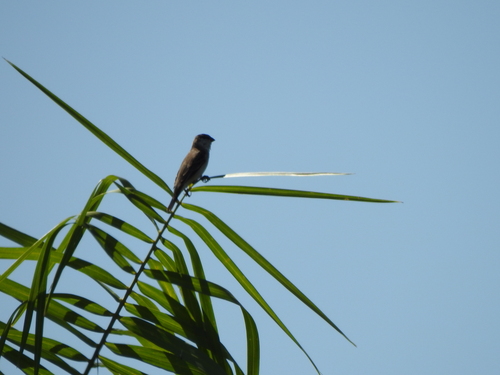
ウナジロヒメウソ (Sporophila pileata) ウナジロヒメウソ
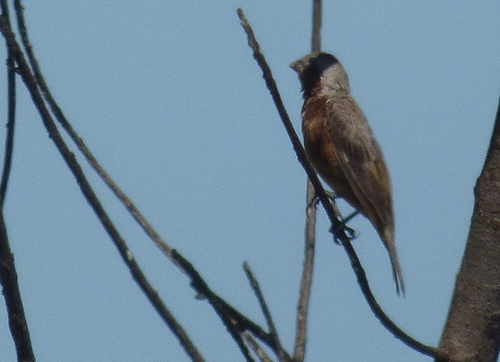
コシアカヒメウソ (Sporophila hypochroma) コシアカヒメウソ

メディア

読み込み中…

要点

ウナジロヒメウソとコシアカヒメウソの最も信頼できるフィールドマークは、オスの頭部と腹部の色彩です:オスのウナジロヒメウソは黒い帽子と淡い腹部を示し、オスのコシアカヒメウソは灰色の「ヘルメット」と豊かな栗色の顔、尾、腹部を持っています。両種の両性は、折りたたまれた翼の一次羽の基部に小さな白い斑点を示しますが、その範囲と文脈はわずかに異なります。雌と幼鳥はより難しいですが、ウナジロヒメウソは下側が冷たく淡い傾向があり、コシアカヒメウソは暖かく、よりバフまたは栗色です。両者は小さく、短いくちばしの種子食べ鳥であるため、繁殖期外や未成熟の鳥に特に注意を払うことが重要です。

識別のコツ

  1. Adult male head pattern: ウナジロヒメウソは目まで続くはっきりとした黒い帽子を持ち、オフホワイトの顔と灰色がかったピンクの後頭部があります;コシアカヒメウソは灰色の冠と後頭部(「ヘルメット」)を持ち、豊かな栗色の顔があります。これは繁殖期のオスにおける最も良いマークです。
  2. Adult male underparts: ウナジロヒメウソのオスは下側が淡く、白っぽい腹部を持っています;コシアカヒメウソのオスは喉から腹部まで深い栗色です。下に栗色が見えるオスはコシアカヒメウソです。
  3. Adult male rump and back: コシアカヒメウソのオスは目立つ栗色の下背部と尾を持ち、灰色がかった上背部と対照的です;ウナジロヒメウソのオスは上面が灰色がかったピンクで、ルフスや栗色はありません。
  4. Female and juvenile upperparts: ウナジロヒメウソの雌/幼鳥は上面がオリーブブラウンで、冷たく灰色がかっています;コシアカヒメウソは砂色または暖かい茶色で、しばしば淡いバフの額と眉斑を持っています。コシアカヒメウソの暖かく「ルフス」なトーンを探してください。
  5. Female and juvenile underparts: ウナジロヒメウソはオーカー・バフで白っぽい腹部を持っています;コシアカヒメウソは暖かいバフで、喉と腹部が最も淡いですが、一般的にはウナジロヒメウソよりもリッチです。違いは微妙ですが、良い光の中では役立つことがあります。
  6. Wing pattern (all ages): 両者は折りたたまれた翼の一次羽の基部に小さな白い斑点を示します;ウナジロヒメウソでは、風切羽と三次羽が非常に淡いシナモンブラウンの縁取りを持ち、コシアカヒメウソでは三次羽が黒で灰色の縁取りがあり、翼の残りはより暗い茶色です。これは微妙ですが、直接比較に役立つかもしれません。
  7. Tail pattern: コシアカヒメウソのオスは外羽に灰色の縁取りがあるほぼ黒い尾を持っています;ウナジロヒメウソのオスは灰色がかった茶色の上尾羽と黒っぽい尾を持っていますが、灰色の縁取りはありません。これは小さなマークです。
  8. Bill color: 両者は暗いくちばしを持っていますが、雌のコシアカヒメウソは完全に黒っぽいのではなく、暗い角色を示すことがあります。常に見えるわけではありません。
  9. Leg color: 両者は暗いですが、両種のオスは黒っぽいです;雌のコシアカヒメウソは完全に黒っぽいのではなく、暗い色合いを持つことがあります。
  10. Iris color: 両種は暗い茶色の虹彩を持っています;分離には役立ちません。
  11. Structure and size: 両者は小さく、短いくちばしで、全体的な形は似ています。構造は役立ちません。
  12. Habitat and range: 両者は範囲と生息地で広く重なっています;分離には使用しないでください。
  13. Seasonal context: コシアカヒメウソは渡り鳥ですが、詳細は不明です。繁殖期外に見られた場合は、雌/未成熟の識別に特に注意してください。
  14. Plumage pitfalls: 両性の幼鳥は成鳥の雌に似ており、全体的なトーンの微妙な違い(ウナジロヒメウソは冷たく淡い、コシアカヒメウソは暖かくバフ色)によって最もよく分けられ、見える場合はコシアカヒメウソのバフの眉斑の存在によって分けられます。
  15. White primary patch: 両性およびすべての年齢の両種は、折りたたまれた翼の一次羽の基部に小さな白い斑点を示します。これはこれら二つの間では診断的ではありませんが、欠如は両方を除外します。

大きさ

両種は最小のSporophilaの中で、長さ約10 cm、体重は7.6–10 g(ウナジロヒメウソ)または約9.7 g(コシアカヒメウソ、測定された若いオス)です。くちばしのサイズと形は似ており、短く、太く、丸いです。サイズはフィールドでの信頼できる分離要因ではありません。

羽色

行動

診断的な行動の違いは記載されていません。両者は典型的な小さな種子食べ鳥であり、草原や開けた国で止まっているか、採餌しているのが見られる可能性があります。コシアカヒメウソは渡り鳥として知られていますが、移動の詳細は不明です。

生息環境

両種は範囲と生息地で広く重なり、アルゼンチン、ブラジル、パラグアイ、ウルグアイ、そしておそらくボリビア(ウナジロヒメウソ)またはボリビアで確認された(コシアカヒメウソ)場所で発生します。両者は開けた国と草原の生息地を利用します。生息地は信頼できる分離要因ではありません。

より良い説明を送る

比較と同じ項目を使ってください。文章はすぐに公開されます。

The most reliable field mark between Pearly-bellied and Rufous-rumped Seedeaters is the male's head and underpart coloration: male Pearly-bellied shows a black cap and pale underparts, while male Rufous-rumped has a gray 'helmet' and rich chestnut face, rump, and underparts. Both sexes of both species show a small white patch at the base of the primaries on the folded wing, but the extent and context differ slightly. Females and juveniles are more challenging, but Pearly-bellied tends to be colder and paler below, while Rufous-rumped is warmer and more buff or chestnut. Both are tiny, short-billed seedeaters, so careful attention to subtle plumage and head pattern is essential, especially outside the breeding season or with immature birds.

  1. Adult male head pattern: Pearly-bellied has a sharply defined black cap down to the eye, with an off-white face and grayish-pink nape; Rufous-rumped has a gray crown and nape ('helmet') with a rich chestnut face. This is the single best mark in breeding males.
  2. Adult male underparts: Pearly-bellied males are pale below, with a whitish belly; Rufous-rumped males are deep chestnut from throat to belly. If you see a male with any chestnut below, it's Rufous-rumped.
  3. Adult male rump and back: Rufous-rumped males have a conspicuous chestnut lower back and rump, contrasting with grayish upper back; Pearly-bellied males are grayish-pink above with no rufous or chestnut.
  4. Female and juvenile upperparts: Pearly-bellied females/juveniles are olive-brown above, colder and grayer; Rufous-rumped are sandy or warm brown, often with a paler buff forehead and supercilium. Look for a warmer, more 'rufous' tone in Rufous-rumped.
  5. Female and juvenile underparts: Pearly-bellied is ochre-buff with a whitish belly; Rufous-rumped is warm buff, palest on the throat and belly but generally richer than Pearly-bellied. The difference is subtle but can be useful in good light.
  6. Wing pattern (all ages): Both show a small white patch at the base of the primaries on the folded wing; in Pearly-bellied, the coverts and tertials are edged very pale cinnamon-brown, while in Rufous-rumped, tertials are black with gray edges and the rest of the wing is darker brown. This is subtle but may help in direct comparison.
  7. Tail pattern: Rufous-rumped males have a mostly blackish tail with gray edges on the outer feathers; Pearly-bellied males have grayish brown uppertail coverts and a blackish tail, but without the gray edges. This is a minor mark.
  8. Bill color: Both have dark bills, but female Rufous-rumped may show a dark horn color rather than fully blackish. Not always visible.
  9. Leg color: Both are dark, but males of both species are blackish; female Rufous-rumped may be dusky rather than fully blackish.
  10. Iris color: Both species have dark brown irises; not a separator.
  11. Structure and size: Both are tiny, short-billed, and similar in overall shape. Structure is not helpful.
  12. Habitat and range: Both overlap extensively in range and habitat; do not use for separation.
  13. Seasonal context: Rufous-rumped is migratory, but details are unclear. If seen outside the breeding season, be extra cautious with female/immature IDs.
  14. Plumage pitfalls: Juveniles of both sexes resemble adult females and are best separated by subtle differences in overall tone (colder and paler in Pearly-bellied, warmer and buffier in Rufous-rumped) and, if visible, the presence of a buff supercilium in Rufous-rumped.
  15. White primary patch: Both sexes and all ages of both species show a small white patch at the base of the primaries on the folded wing. This is not diagnostic between these two, but absence would rule out both.

Both species are among the smallest Sporophila, about 10 cm in length and weighing 7.6–10 g (Pearly-bellied) or around 9.7 g (Rufous-rumped, young male measured). Bill size and shape are similar: short, thick, and rounded. Size is not a reliable separator in the field.

  • Juveniles and Females: Both resemble each other, with olive-brown (Pearly-bellied) or sandy/warm brown (Rufous-rumped) upperparts and buffy underparts. Pearly-bellied females/juveniles are colder-toned above and paler, more whitish on the belly; Rufous-rumped are warmer, with a sandy or buff tone and a paler buff supercilium sometimes present. Both show a small white patch at the base of the primaries, but the rest of the wing is darker brown in Rufous-rumped, with sandy edges to tertials, versus paler cinnamon-brown edges in Pearly-bellied.

  • Adult Males: Pearly-bellied males have a distinctive black cap extending to the eye, off-white face, grayish-pink nape and upperparts, and pale underparts with a whitish belly. Their wings are blackish with pale cinnamon-brown edges and a white primary patch. Rufous-rumped males have a gray crown and nape ('helmet'), chestnut face, lower back, rump, and underparts, and a blackish tail with gray-edged outer feathers. Their wings are blackish with a white primary patch and gray-edged tertials. The chestnut coloration is unique to Rufous-rumped; Pearly-bellied never shows this rich rufous or chestnut.

  • In Flight: Both show a small white patch at the base of the primaries, but the overall impression is colder and paler in Pearly-bellied, warmer and richer in Rufous-rumped.

No diagnostic behavioral differences are described. Both are typical small seedeaters, likely to be seen perched or foraging in grasslands or open country. Rufous-rumped is noted as migratory, but movement details are unclear.

Both species overlap broadly in range and habitat, occurring in Argentina, Brazil, Paraguay, Uruguay, and possibly Bolivia (Pearly-bellied) or confirmed in Bolivia (Rufous-rumped). Both use open country and grassland habitats. Habitat is not a reliable separator.

変更を破棄しますか?

保存していない編集があります。今離れると失われます。

ウナジロヒメウソ · コシアカヒメウソ · 苦手な鳥