

Pearly-bellied Seedeater vs Rufous-rumped Seedeater
Sporophila pileata contro Sporophila hypochroma
Fai un quiz con Pearly-bellied Seedeater e Rufous-rumped Seedeater
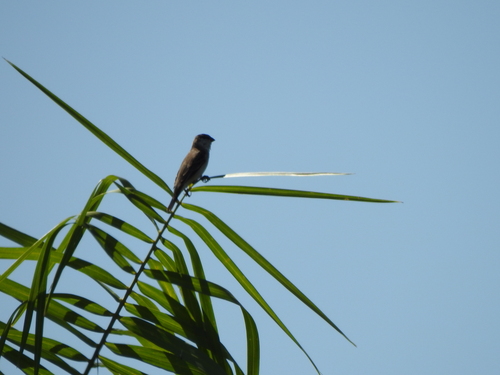 Pearly-bellied Seedeater
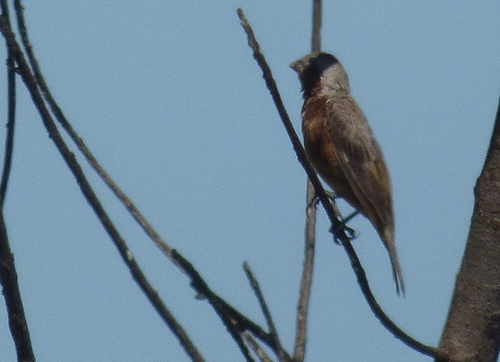 Rufous-rumped Seedeater
In breve
Il segno distintivo più affidabile tra Pearly-bellied Seedeater e Rufous-rumped Seedeater è la colorazione della testa e delle parti inferiori del maschio: il maschio Pearly-bellied mostra un cappello nero e parti inferiori chiare, mentre il maschio Rufous-rumped ha un 'elmo' grigio e un volto, un sopracciglio e parti inferiori di un ricco castano. Entrambi i sessi di entrambe le specie mostrano una piccola macchia bianca alla base delle primarie sull'ala ripiegata, ma l'estensione e il contesto differiscono leggermente. Le femmine e i giovani sono più difficili da identificare, ma Pearly-bellied tende ad essere più freddo e pallido sotto, mentre Rufous-rumped è più caldo e più buffo o castano. Entrambi sono piccoli seedeater con becco corto, quindi è essenziale prestare attenzione ai dettagli sottili del piumaggio e del modello della testa, specialmente al di fuori della stagione riproduttiva o con uccelli immaturi.
Consigli di identificazione
- Modello della testa del maschio adulto: Pearly-bellied ha un cappello nero ben definito fino all'occhio, con un volto bianco sporco e una nuca grigio-rosa; Rufous-rumped ha una corona e una nuca grigia ('elmo') con un volto di un ricco castano. Questo è il segno migliore nei maschi in riproduzione.
- Parti inferiori del maschio adulto: I maschi Pearly-bellied sono chiari sotto, con una pancia bianca; i maschi Rufous-rumped sono di un castano profondo dalla gola alla pancia. Se vedi un maschio con qualsiasi castano sotto, è Rufous-rumped.
- Rump e schiena del maschio adulto: I maschi Rufous-rumped hanno una parte bassa della schiena e un rump castano molto evidenti, in contrasto con la parte superiore grigia; i maschi Pearly-bellied sono grigio-rosa sopra senza rufous o castano.
- Parti superiori delle femmine e dei giovani: Le femmine/giovani Pearly-bellied sono di un marrone oliva sopra, più freddi e grigi; i Rufous-rumped sono di un marrone sabbioso o caldo, spesso con una fronte e un supercilium più chiari. Cerca un tono più caldo e 'rufous' nei Rufous-rumped.
- Parti inferiori delle femmine e dei giovani: Pearly-bellied è di un buff ocra con una pancia bianca; Rufous-rumped è di un buff caldo, più chiaro sulla gola e sulla pancia ma generalmente più ricco di Pearly-bellied. La differenza è sottile ma può essere utile in buona luce.
- Modello dell'ala (tutte le età): Entrambi mostrano una piccola macchia bianca alla base delle primarie sull'ala ripiegata; in Pearly-bellied, le copritrici e le terziali sono bordate di un molto chiaro marrone cannella, mentre in Rufous-rumped, le terziali sono nere con bordi grigi e il resto dell'ala è di un marrone più scuro. Questo è sottile ma può aiutare nel confronto diretto.
- Modello della coda: I maschi Rufous-rumped hanno una coda per lo più nerastra con bordi grigi sulle piume esterne; i maschi Pearly-bellied hanno copritrici della coda grigio-marroni e una coda nerastra, ma senza i bordi grigi. Questo è un segno minore.
- Colore del becco: Entrambi hanno becchi scuri, ma la femmina Rufous-rumped può mostrare un colore corneo scuro piuttosto che completamente nerastro. Non sempre visibile.
- Colore delle zampe: Entrambi sono scuri, ma i maschi di entrambe le specie sono nerastri; la femmina Rufous-rumped può essere scura piuttosto che completamente nerastra.
- Colore dell'iride: Entrambe le specie hanno iridi marroni scure; non è un separatore.
- Struttura e dimensioni: Entrambi sono piccoli, con becco corto e simili nella forma generale. La struttura non è utile.
- Habitat e distribuzione: Entrambi sovrappongono ampiamente la loro distribuzione e habitat; non usarli per la separazione.
- Contesto stagionale: Rufous-rumped è migratorio, ma i dettagli non sono chiari. Se visti al di fuori della stagione riproduttiva, sii particolarmente cauto con le identificazioni di femmine/immaturi.
- Trappole del piumaggio: I giovani di entrambi i sessi somigliano alle femmine adulte e sono meglio separati da differenze sottili nel tono generale (più freddo e pallido in Pearly-bellied, più caldo e buffo in Rufous-rumped) e, se visibile, dalla presenza di un supercilium buff in Rufous-rumped.
- Macchia primaria bianca: Entrambi i sessi e tutte le età di entrambe le specie mostrano una piccola macchia bianca alla base delle primarie sull'ala ripiegata. Questo non è diagnostico tra questi due, ma l'assenza escluderebbe entrambi.
Taglia
Entrambe le specie sono tra le più piccole Sporophila, circa 10 cm di lunghezza e pesano 7.6–10 g (Pearly-bellied) o circa 9.7 g (Rufous-rumped, giovane maschio misurato). La dimensione e la forma del becco sono simili: corto, spesso e arrotondato. La dimensione non è un separatore affidabile sul campo.
Piumaggio
-
Giovani e Femmine: Entrambi si somigliano, con parti superiori di un marrone oliva (Pearly-bellied) o marrone sabbioso/caldo (Rufous-rumped) e parti inferiori di un buff. Le femmine/giovani Pearly-bellied sono più fredde sopra e più chiare, più bianche sulla pancia; i Rufous-rumped sono più caldi, con un tono sabbioso o buffo e un supercilium buff più chiaro a volte presente. Entrambi mostrano una piccola macchia bianca alla base delle primarie, ma il resto dell'ala è di un marrone più scuro in Rufous-rumped, con bordi sabbiosi alle terziali, rispetto ai bordi più chiari marrone cannella in Pearly-bellied.
-
Maschi Adulti: I maschi Pearly-bellied hanno un cappello nero distintivo che si estende fino all'occhio, un volto bianco sporco, una nuca e parti superiori grigio-rosa, e parti inferiori chiare con una pancia bianca. Le loro ali sono nerastre con bordi di un chiaro marrone cannella e una macchia primaria bianca. I maschi Rufous-rumped hanno una corona e una nuca grigia ('elmo'), un volto castano, una parte bassa della schiena, un rump e parti inferiori castane, e una coda nerastra con piume esterne bordate di grigio. Le loro ali sono nerastre con una macchia primaria bianca e terziali bordate di grigio. La colorazione castana è unica per Rufous-rumped; Pearly-bellied non mostra mai questo ricco rufous o castano.
-
In Volo: Entrambi mostrano una piccola macchia bianca alla base delle primarie, ma l'impressione generale è più fredda e pallida in Pearly-bellied, più calda e ricca in Rufous-rumped.
Comportamento
Non sono descritte differenze comportamentali diagnostiche. Entrambi sono tipici piccoli seedeater, probabilmente visibili appollaiati o a foraggiare in praterie o in campagna aperta. Rufous-rumped è noto come migratorio, ma i dettagli sui movimenti non sono chiari.
Habitat
Entrambe le specie sovrappongono ampiamente la loro distribuzione e habitat, presenti in Argentina, Brasile, Paraguay, Uruguay e possibilmente Bolivia (Pearly-bellied) o confermati in Bolivia (Rufous-rumped). Entrambi utilizzano habitat di campagna aperta e praterie. L'habitat non è un separatore affidabile.
Pearly-bellied Seedeater · Rufous-rumped Seedeater · I miei uccelli difficili