

Semillero Capirotado vs Semillero Culirrufo
Sporophila pileata frente a Sporophila hypochroma
Juega un quiz con Semillero Capirotado y Semillero Culirrufo
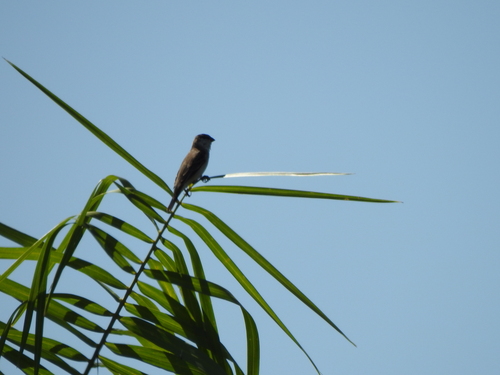 Semillero Capirotado
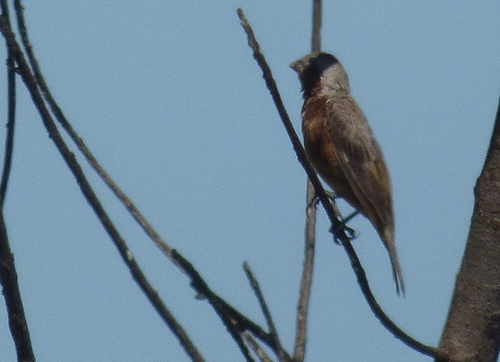 Semillero Culirrufo
En breve
La marca de campo más confiable entre Semillero Capirotado y Semillero Culirrufo es la coloración de la cabeza y las partes inferiores del macho: el macho Semillero Capirotado muestra una capucha negra y partes inferiores pálidas, mientras que el macho Semillero Culirrufo tiene un 'casco' gris y una cara, rabadilla y partes inferiores de castaño rico. Ambos sexos de ambas especies muestran una pequeña mancha blanca en la base de las primarias en el ala plegada, pero la extensión y el contexto difieren ligeramente. Las hembras y los juveniles son más desafiantes, pero el Semillero Capirotado tiende a ser más frío y pálido por debajo, mientras que el Semillero Culirrufo es más cálido y más castaño o beige. Ambos son pequeños, con picos cortos, por lo que es esencial prestar atención cuidadosa a los sutiles patrones de plumaje y cabeza, especialmente fuera de la temporada de cría o con aves inmaduras.
Consejos de identificación
- Patrón de cabeza del macho adulto: El Semillero Capirotado tiene una capucha negra bien definida hasta el ojo, con una cara de color blanco sucio y una nuca grisácea-rosada; el Semillero Culirrufo tiene una corona y nuca grises ('casco') con una cara de castaño rico. Esta es la mejor marca en machos en cría.
- Partes inferiores del macho adulto: Los machos Semillero Capirotado son pálidos por debajo, con un vientre blanquecino; los machos Semillero Culirrufo son de castaño profundo desde la garganta hasta el vientre. Si ves un macho con cualquier castaño por debajo, es Semillero Culirrufo.
- Rabadilla y espalda del macho adulto: Los machos Semillero Culirrufo tienen una rabadilla y parte baja de la espalda de castaño conspicuo, contrastando con la parte superior de la espalda grisácea; los machos Semillero Capirotado son grisáceos-rosados arriba sin castaño ni rufous.
- Partes superiores de hembras y juveniles: Las hembras/juveniles de Semillero Capirotado son de color oliva-marrón arriba, más frías y más grises; los Semilleros Culirrufo son de color marrón arenoso o cálido, a menudo con una frente y supercilio de color beige más pálido. Busca un tono más cálido y 'rufous' en el Semillero Culirrufo.
- Partes inferiores de hembras y juveniles: El Semillero Capirotado es de color beige-ocre con un vientre blanquecino; el Semillero Culirrufo es de color beige cálido, más pálido en la garganta y el vientre pero generalmente más rico que el Semillero Capirotado. La diferencia es sutil pero puede ser útil en buena luz.
- Patrón de alas (todas las edades): Ambos muestran una pequeña mancha blanca en la base de las primarias en el ala plegada; en el Semillero Capirotado, las cobertoras y terciarias están bordeadas de un muy pálido marrón canela, mientras que en el Semillero Culirrufo, las terciarias son negras con bordes grises y el resto del ala es de un marrón más oscuro. Esto es sutil pero puede ayudar en la comparación directa.
- Patrón de la cola: Los machos Semillero Culirrufo tienen una cola mayormente negruzca con bordes grises en las plumas exteriores; los machos Semillero Capirotado tienen cobertoras de la cola de color marrón grisáceo y una cola negruzca, pero sin los bordes grises. Esta es una marca menor.
- Color del pico: Ambos tienen picos oscuros, pero la hembra Semillero Culirrufo puede mostrar un color de cuerno oscuro en lugar de completamente negruzco. No siempre es visible.
- Color de las patas: Ambos son oscuros, pero los machos de ambas especies son negruzcos; la hembra Semillero Culirrufo puede ser oscura en lugar de completamente negruzca.
- Color del iris: Ambas especies tienen iris de color marrón oscuro; no es un separador.
- Estructura y tamaño: Ambos son pequeños, con picos cortos y similares en forma general. La estructura no es útil.
- Hábitat y rango: Ambos se superponen extensamente en rango y hábitat; no se debe usar para separación.
- Contexto estacional: El Semillero Culirrufo es migratorio, pero los detalles no están claros. Si se ve fuera de la temporada de cría, ten cuidado adicional con las identificaciones de hembras/inmaduros.
- Trampas de plumaje: Los juveniles de ambos sexos se asemejan a las hembras adultas y se separan mejor por diferencias sutiles en el tono general (más frías y pálidas en Semillero Capirotado, más cálidas y beige en Semillero Culirrufo) y, si es visible, la presencia de un supercilio beige en Semillero Culirrufo.
- Mancha blanca en las primarias: Ambos sexos y todas las edades de ambas especies muestran una pequeña mancha blanca en la base de las primarias en el ala plegada. Esto no es diagnóstico entre estos dos, pero la ausencia descartaría a ambos.
Tamaño
Ambas especies están entre las más pequeñas de Sporophila, aproximadamente 10 cm de longitud y pesando 7.6–10 g (Semillero Capirotado) o alrededor de 9.7 g (Semillero Culirrufo, macho joven medido). El tamaño y la forma del pico son similares: cortos, gruesos y redondeados. El tamaño no es un separador confiable en el campo.
Plumaje
-
Juveniles y Hembras: Ambos se asemejan entre sí, con partes superiores de color oliva-marrón (Semillero Capirotado) o marrón arenoso/cálido (Semillero Culirrufo) y partes inferiores beige. Las hembras/juveniles de Semillero Capirotado son de tono más frío arriba y más pálidas, más blanquecinas en el vientre; los Semilleros Culirrufo son más cálidos, con un tono arenoso o beige y un supercilio beige más pálido a veces presente. Ambos muestran una pequeña mancha blanca en la base de las primarias, pero el resto del ala es de un marrón más oscuro en el Semillero Culirrufo, con bordes arenosos en las terciarias, frente a bordes más pálidos de marrón canela en el Semillero Capirotado.
-
Machos Adultos: Los machos Semillero Capirotado tienen una capucha negra distintiva que se extiende hasta el ojo, cara de color blanco sucio, nuca y partes superiores grisáceo-rosadas, y partes inferiores pálidas con un vientre blanquecino. Sus alas son negruzcas con bordes de un pálido marrón canela y una mancha blanca en las primarias. Los machos Semillero Culirrufo tienen una corona y nuca grises ('casco'), cara de castaño, parte baja de la espalda, rabadilla y partes inferiores, y una cola negruzca con plumas exteriores de bordes grises. Sus alas son negruzcas con una mancha blanca en las primarias y terciarias con bordes grises. La coloración castaña es única del Semillero Culirrufo; el Semillero Capirotado nunca muestra este rico rufous o castaño.
-
En Vuelo: Ambos muestran una pequeña mancha blanca en la base de las primarias, pero la impresión general es más fría y pálida en el Semillero Capirotado, más cálida y rica en el Semillero Culirrufo.
Comportamiento
No se describen diferencias de comportamiento diagnósticas. Ambos son típicos pequeños semilleros, probablemente vistos posados o forrajeando en praderas o campos abiertos. Se nota que el Semillero Culirrufo es migratorio, pero los detalles de movimiento no están claros.
Hábitat
Ambas especies se superponen ampliamente en rango y hábitat, ocurriendo en Argentina, Brasil, Paraguay, Uruguay y posiblemente Bolivia (Semillero Capirotado) o confirmadas en Bolivia (Semillero Culirrufo). Ambos utilizan hábitats de campo abierto y pradera. El hábitat no es un separador confiable.
Semillero Capirotado · Semillero Culirrufo · Mis aves difíciles