

Motmot

アカクロムクドリモドキ 対 ビュラックムクドリモドキ

Icterus spurius 対 Icterus bullockii

アカクロムクドリモドキとビュラックムクドリモドキのクイズ
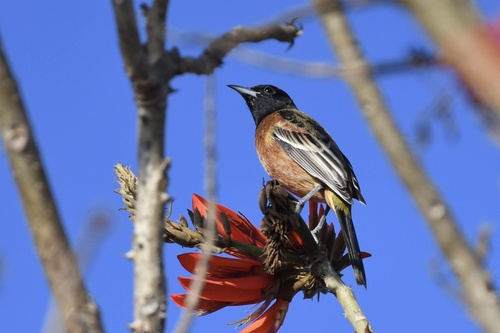
アカクロムクドリモドキ (Icterus spurius) アカクロムクドリモドキ
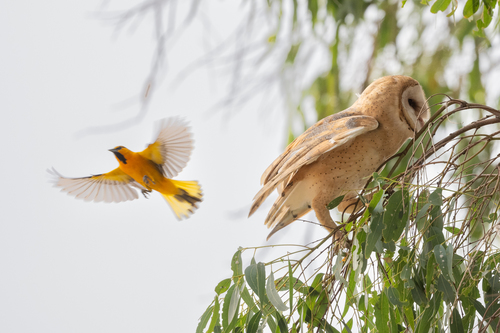
ビュラックムクドリモドキ (Icterus bullockii) ビュラックムクドリモドキ

メディア

読み込み中…

要点

オーチャードムクドリモドキとビュラックムクドリモドキの間で最も信頼できるフィールドマークは、成鳥オスの腹部の色です:オーチャードムクドリモドキのオスは深い栗色(またはメキシコ亜種ではオーカー)を示し、ビュラックムクドリモドキのオスは明るいオレンジまたは黄色オレンジです。未熟な鳥と雌はより難しいですが、オーチャードムクドリモドキは全体的に小さく、オリーブ色/黄色が強いのに対し、ビュラックムクドリモドキの雌と若鳥は大きく、上面は灰色がかり、下面は鈍い黄色です。飛行中または静止中のオーチャードムクドリモドキは、特に小柄でコンパクトで、翼幅が短く、コントラストの少ない羽毛を持っています。黄味がかったムクドリモドキに直面した場合、サイズ、くちばしの色、翼と頭の模様の微妙な違いが重要になります。

識別のコツ

  1. Adult male underparts: オーチャードムクドリモドキのオスは深い栗色(またはオーカー)の腹部を持ち、オレンジ色ではありません;ビュラックムクドリモドリモドキのオスはオレンジまたは黄色オレンジです。これは繁殖羽毛における最も信頼できるマークです。
  2. Head pattern in adult males: ビュラックムクドリモドキのオスは目から黒い冠までの太い黒いラインと黒い喉の斑点を持ち、オーチャードムクドリモドリモドキのオスは黒いアイラインがなく、平坦な黒い頭と喉を持っています。
  3. Female and juvenile upperparts: オーチャードムクドリモドリモドキの雌と幼鳥は上面がオリーブグリーンです;ビュラックムクドリモドリモドキはオリーブ色の冠を持つ灰褐色です。この違いは微妙ですが、良い光の下では見えます。
  4. Female and juvenile underparts: オーチャードムクドリモドリモドキは下面が明るい黄色で、ビュラックムクドリモドリモドキは鈍い黄色で、時には灰色がかった洗いがかかっています。
  5. Throat patch in females: 一部の古いビュラックムクドリモドリモドキの雌は小さな暗い喉の斑点を示しますが、オーチャードムクドリモドリモドキの初年度のオスの完全な黒いビブはありません。オーチャードムクドリモドリモドキの雌は暗い喉を持ちません。
  6. Bill color in young birds: 幼鳥のビュラックムクドリモドリモドキはピンクがかったまたは白っぽいくちばしを持ち、オーチャードムクドリモドリモドキの幼鳥は下顎の基部に青灰色がある黒いくちばしを持っています。
  7. Wing bars and coverts: 両方とも白い翼のバーを持っていますが、ビュラックムクドリモドリモドキの翼の斑点はより目立ち、特に成鳥のオスで顕著です。幼鳥のビュラックムクドリモドリモドキは新鮮で暗い翼の覆い羽を持っています。
  8. Size and shape: オーチャードムクドリモドリモドキは明らかに小さく、よりコンパクトで、尾と翼幅が短いです。ビュラックムクドリモドリモドキは長く、より重く、尾が長くて四角いです。
  9. Flight style: オーチャードムクドリモドリモドキはしばしば低く飛び、地面に近いか、樹冠の下で飛びます;ビュラックムクドリモドリモドキはそうする可能性が低いです。
  10. Habitat and range: 繁殖シーズン中、オーチャードムクドリモドリモドキは米国東部と中央部に見られ、ビュラックムクドリモドリモドキは西部に見られます。範囲外の記録は注意深く調査する必要があります。
  11. Courtship behavior: 雌のオーチャードムクドリモドリモドキによるお辞儀、シーソー、翼をはためかせるディスプレイは、ビュラックムクドリモドリモドキには記載されていません。
  12. Sexual dimorphism in immatures: 両種の幼鳥は成鳥の雌に似ていますが、ビュラックムクドリモドリモドキは若い鳥での性的二形性が少ないです;オーチャードムクドリモドリモドキの初年度のオスは黒いビブとロアを示すことがあります。
  13. Tail color: ビュラックムクドリモドリモドキの成鳥オスはジェットブラックの尾を持ち、オーチャードムクドリモドリモドキの尾は黒ですが、羽毛の残りとそれほど対照的ではありません。
  14. Face pattern: ビュラックムクドリモドリモドキの成鳥オスは目を引く黒いアイラインを持ち、オーチャードムクドリモドリモドキは年齢や性別に関係なくそれを持ちません。
  15. Vocalizations: 聞こえた場合、ビュラックムクドリモドリモドキの歌はボルチモアムクドリモドリモドキよりも速くて粗いですが、これらのメモに基づいてオーチャードムクドリモドリモドキからの信頼できる分離要因ではありません。

大きさ

オーチャードムクドリモドキは北アメリカで最も小さなイケテリッドで、長さ15〜18 cm(5.9〜7.1インチ)、重さ16〜28 g(0.6〜1.0オンス)、翼幅は約25 cm(9.8インチ)です [wikipedia]。ビュラックムクドリモドキは明らかに大きく、長さ17〜19 cm(6.7〜7.5インチ)、重さ28〜43 g(1.0〜1.5オンス)、翼幅は31 cm(12.2インチ)です [wikipedia]。フィールドでは、ビュラックムクドリモドキは体が長く、尾も長く見え、その大きな体重は通常、並べて見たときや既知の基準と一緒に見たときに明らかです。

羽色

行動

オーチャードムクドリモドキは低く飛ぶ傾向があり、地面に近いか、樹冠のすぐ下を飛びます。ビュラックムクドリモドキは低い飛行の好みが記載されておらず、キャノピーの高い位置で見られることがあります。両種はペンダント状の巣を編みますが、ビュラックムクドリモドキの巣はしばしばより深く、目立ちます。オーチャードムクドリモドリモドキはしばしば緩いコロニーで巣を作りますが、ビュラックムクドリモドリモドキはより孤立しているか、散発的なペアで見られます。オーチャードムクドリモドリモドキの雌の求愛行動にはお辞儀、シーソー、翼をはためかせることが含まれ、ビュラックムクドリモドリモドキには記載されていません。両種は活発な採餌者ですが、オーチャードムクドリモドリモドキは低い場所や半開放的な場所で餌を食べているのが見られる可能性が高いです。

生息環境

オーチャードムクドリモドキは落葉樹のある半開放的な地域で繁殖し、しばしば水(湖、川)の近くに見られ、北アメリカ東部とメキシコの一部に分布しています。ビュラックムクドリモドリモドキは北アメリカ西部の鳥で、河川林、開けた森林、時には都市公園で繁殖しますが、一般的には大平原の西側に見られます。重複は中央テキサスと南部大平原を除いて最小限です。ミシシッピ川の東側にいる場合、ビュラックムクドリモドキは稀です;ロッキー山脈の西側にいる場合、オーチャードムクドリモドリモドキは稀です。両種はメキシコと中央アメリカで冬を過ごしますが、繁殖範囲がほとんどの場合の最良の手がかりです。

声

両種は歌い、両性とも声を出します。ビュラックムクドリモドキの歌はボルチモアムクドリモドキに似ていますが、より速くて粗いです。オーチャードムクドリモドリモドキの歌はここでは記載されていません。呼び声はこれらのメモに基づいて信頼できる分離要因ではありません。

より良い説明を送る

比較と同じ項目を使ってください。文章はすぐに公開されます。

The most reliable field mark between Orchard and Bullock's Orioles is the adult male's underpart color: Orchard Oriole males show deep chestnut (or ochre in the Mexican subspecies), while Bullock's Oriole males are bright orange or yellow-orange below. Immature and female birds are trickier, but Orchard Oriole is smaller and more olive/yellow overall, while Bullock's Oriole females and young are larger, grayer above, and have a duller yellow below. In flight or at rest, Orchard Oriole is notably more petite and compact, with a shorter wingspan and less contrasty plumage. When faced with a yellowish oriole, size, bill color, and subtle differences in wing and head pattern become key.

  1. Adult male underparts: Orchard Oriole males have deep chestnut (or ochre) underparts, never orange; Bullock's males are orange or yellow-orange below. This is the single most reliable mark in breeding plumage.
  2. Head pattern in adult males: Bullock's Oriole males have a bold black line from the eye to the black crown and a black throat patch; Orchard Oriole males lack the black eye-line and have a plain black head and throat.
  3. Female and juvenile upperparts: Orchard Oriole females and juveniles are olive-green above; Bullock's are gray-brown with an olive crown. This difference is subtle but visible in good light.
  4. Female and juvenile underparts: Orchard Oriole is brighter yellow below, Bullock's is duller yellow, sometimes with a grayish wash.
  5. Throat patch in females: Some older Bullock's females show a small dark throat patch, but never the full black bib of Orchard Oriole first-year males. Orchard Oriole females lack any dark throat.
  6. Bill color in young birds: Juvenile Bullock's have a pinkish or whitish bill, while Orchard Oriole juveniles have a dark bill with some blue-gray at the base of the lower mandible.
  7. Wing bars and coverts: Both have white wing bars, but Bullock's Oriole's wing patch is more prominent, especially in adult males. Juvenile Bullock's have fresh, dark wing coverts.
  8. Size and shape: Orchard Oriole is noticeably smaller and more compact, with a shorter tail and wingspan. Bullock's is longer, bulkier, and has a longer, squarer tail.
  9. Flight style: Orchard Oriole often flies low, close to the ground or below treetop level; Bullock's is less likely to do so.
  10. Habitat and range: In the breeding season, Orchard Oriole is found in the east and central US, Bullock's in the west. Out-of-range records should be scrutinized carefully.
  11. Courtship behavior: Bowing, seesawing, and wing-fluttering displays by females are described only for Orchard Oriole.
  12. Sexual dimorphism in immatures: Both species' juveniles resemble adult females, but Bullock's shows less sexual dimorphism in young birds; Orchard Oriole first-year males may show a black bib and lores.
  13. Tail color: Bullock's adult males have a jet black tail; Orchard Oriole's tail is black but does not contrast as sharply with the rest of the plumage.
  14. Face pattern: Bullock's adult males have a striking black eye-line; Orchard Oriole never does, in any age or sex.
  15. Vocalizations: If heard, Bullock's Oriole's song is faster and harsher than Baltimore Oriole, but song is not a reliable separator from Orchard Oriole based on these notes.

Orchard Oriole is the smallest icterid in North America, measuring 15–18 cm (5.9–7.1 in) in length, weighing 16–28 g (0.6–1.0 oz), and with a wingspan of about 25 cm (9.8 in) [wikipedia]. Bullock's Oriole is distinctly larger: 17–19 cm (6.7–7.5 in) long, 28–43 g (1.0–1.5 oz), and a wingspan of 31 cm (12.2 in) [wikipedia]. In the field, Bullock's appears longer-bodied and longer-tailed, and its greater bulk is usually apparent when seen side by side or with a known reference.

  • Juvenile and female/immature birds: Orchard Oriole females and juveniles are olive-green above and yellowish below, with white wing bars. Bullock's Oriole females and juveniles are gray-brown above, with duller yellow underparts and an olive crown; their wings are darker, and juveniles have fresh wing coverts and a paler (pinkish or whitish) bill. Bullock's females may show a small dark throat patch (older birds), but never the black eye-line of adult males. Orchard Oriole first-year males are yellow-greenish with a black bib and lores, but lack the strong orange or black contrasts of Bullock's.

  • Adult males: Orchard Oriole males are unique among North American orioles for their deep chestnut (or ochre in I. s. fuertesi) underparts, shoulder, and rump, with the rest of the plumage black. Bullock's Oriole males are strikingly orange or yellow-orange on the underparts, breast, and face, with a black back, wings, and tail, a black throat patch, and a black eye-line extending to the crown. Both species have white wing bars, but Bullock's has a more prominent white wing patch.

  • Bill color: Orchard Oriole's bill is pointed and black with some blue-gray at the base of the lower mandible. Bullock's Oriole's bill is also pointed and black, but the base of the lower mandible is bluish-gray, and juveniles may have a pinkish or whitish bill.

Orchard Orioles tend to fly low, swooping close to the ground or just below treetop level. Bullock's Orioles do not have a noted preference for low flight and may be seen higher in the canopy. Both species weave pendant nests, but Bullock's nests are often deeper and more conspicuous. Orchard Orioles often nest in loose colonies, while Bullock's are more solitary or in scattered pairs. Courtship displays in Orchard Oriole females include bowing, seesawing, and wing-fluttering, which are not described for Bullock's. Both species are active foragers, but Orchard Oriole is more likely to be seen feeding low or in semi-open areas.

Orchard Oriole breeds in semi-open areas with deciduous trees, often near water (lakes, streams), and is found in eastern North America and parts of Mexico. Bullock's Oriole is a bird of western North America, breeding in riparian woodlands, open forests, and sometimes in urban parks, but generally west of the Great Plains. Overlap is minimal except in central Texas and the southern Great Plains. If you are east of the Mississippi, Bullock's is rare; if west of the Rockies, Orchard is rare. Both winter in Mexico and Central America, but their breeding ranges are the best clue in most cases.

Both species sing, and both sexes are vocal. Bullock's Oriole's song is similar to Baltimore Oriole but faster and harsher. Orchard Oriole's song is not described here. Calls are not reliably separable based on these notes.

変更を破棄しますか?

保存していない編集があります。今離れると失われます。

アカクロムクドリモドキ · ビュラックムクドリモドキ · 苦手な鳥