

Motmot

アカハシチャツグミ 対 メキシココマツグミ

Catharus aurantiirostris 対 Turdus rufopalliatus

アカハシチャツグミとメキシココマツグミのクイズ
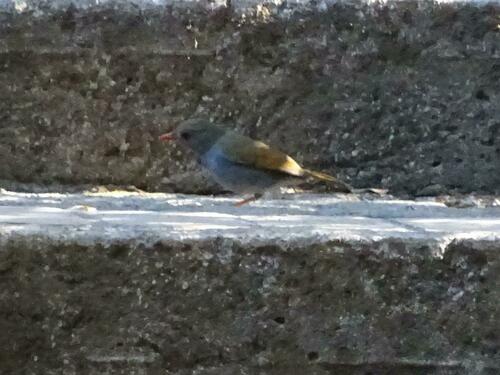
アカハシチャツグミ (Catharus aurantiirostris) アカハシチャツグミ
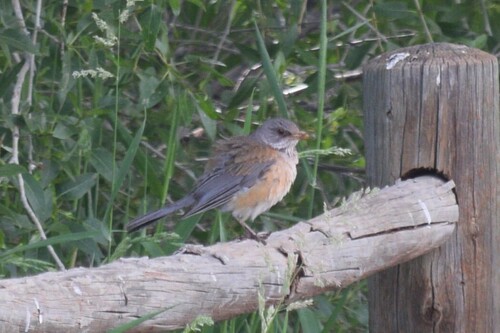
メキシココマツグミ (Turdus rufopalliatus) メキシココマツグミ

メディア

読み込み中…

要点

アカハシチャツグミとメキシココマツグミを区別する最も信頼性の高いフィールドマークは、全体のサイズとくちばしの色です:アカハシチャツグミは非常に小さく、スリムで、明確に長くて強いオレンジ色のくちばしを持っていますが、コマツグミは大きく、体が重く、黄色いくちばしを持っています。すべての羽色において、コマツグミはそのルフォスの背中と灰色の翼との間に際立ったコントラストを示しますが、アカハシチャツグミはより均一にオリーブブラウンからルフォスで、コマツグミの大胆なパターンが欠けています。幼鳥のアカハシチャツグミは茶色でバフの斑点がありますが、幼鳥のコマツグミはバフの斑点と暗い横縞を示します。両種はルフォスの色調を示すことがありますが、これらの色の分布とコントラストがフィールドでの区別の鍵となります。常に鳥の構造とくちばしの色を最初に考慮し、その後コマツグミの淡い灰色の頭とオレンジ色の栗色の側面と、アカハシチャツグミのより地味で muted な色調を確認してください。

識別のコツ

  1. Size and Structure: メキシココマツグミはアカハシチャツグミよりもはるかに大きく、がっしりとしています。もし鳥がコマツグミのサイズかスズメより大きく見えるなら、それはおそらくコマツグミです。アカハシチャツグミは明らかに小さく、よりスリムです。
  2. Bill Color: アカハシチャツグミは長くて強いオレンジ色のくちばしを持っており(時には一部の亜種ではオレンジレッド)、メキシココマツグミは黄色いくちばしを持っています。くちばしの色は良い光の中で迅速かつ信頼性の高いチェックです。
  3. Head Pattern: メキシココマツグミは黒いロアと黄色いアイリングを持つ淡い灰色の頭を示します。アカハシチャツグミは薄いオレンジ色のアイリングを持つ灰褐色の顔を持ち、コマツグミの鋭いコントラストと黒いロアが欠けています。
  4. Back and Wing Contrast: コマツグミは淡い灰色の翼と尾に対して鈍い栗色(ルフォス)の背中と肩羽を持っています。アカハシチャツグミはより均一なオリーブブラウンからルフォスで、背中、尾、翼、尾に最も強いルフォスがありますが、コマツグミの明確な色の分離はありません。
  5. Underparts: メキシココマツグミは暗い縞模様のある白い喉、オレンジ色の栗色の胸と側面、白い腹と肛門を持っています。アカハシチャツグミは白っぽい喉が淡い灰色の腹部に暗くなり、コマツグミの大胆なオレンジと白のコントラストが欠けています。
  6. Juvenile Plumage: 幼鳥のアカハシチャツグミは茶色でバフの斑点とモザイク模様があり、平坦で柔らかいエッジに見えます。幼鳥のコマツグミは上にバフの斑点、下に強い暗い横縞を示し、よりパターン化され、コントラストが強く見えます。
  7. Leg Color: アカハシチャツグミは茶色がかったオレンジ色の足と足を持っています;コマツグミの足はあまり明確に色付けされていませんが、アカハシチャツグミのようにオレンジ色ではありません。
  8. Tail: コマツグミの尾は長くて頑丈で、全体のサイズに合っていますが、アカハシチャツグミの尾は相対的に短くてスリムです。
  9. Sex Differences: 両種は性別間で似た羽色を持っていますが、雌のコマツグミは雄よりもわずかに鈍いです;これはフィールドで診断的であることは稀です。
  10. Subspecies Variation: 一部のアカハシチャツグミの亜種は頭部と翼によりルフォスまたは灰色を示しますが、いずれもコマツグミの鋭い灰色/ルフォスのコントラストには一致しません。コマツグミの亜種は背中の色の強度が異なる場合がありますが、常に重要なパターンを保持します。
  11. Habitat Context: 密な陰のある下層植生やアリの群れを追っているのが見られた場合は、アカハシチャツグミを疑ってください。開けた森林、庭、または高い場所に止まっている場合は、コマツグミの可能性が高いです。
  12. Behavior: アカハシチャツグミはより隠れがちで、しばしば低く隠れています;コマツグミはより大胆で、時にはオープンで採餌します。
  13. Eye-ring: 両方ともアイリングがありますが、アカハシチャツグミのものは薄くオレンジ色で、コマツグミのものは黄色で淡い灰色の頭に対してより明白です。
  14. Voice: 現在の情報源では診断的ではありませんが、コマツグミは通常、アカハシチャツグミの静かな呼び声に比べて、より大きく、よりメロディックな歌を持っています。
  15. Geographic Range: メキシココマツグミはメキシコと隣接するアメリカの国境地帯に特有です;アカハシチャツグミはメキシコから南アメリカ北部にかけて分布しています。重複は限られていますが、迷鳥の可能性があります。

大きさ

アカハシチャツグミはメキシココマツグミよりもかなり小さく、軽量(約27g)です。一方、メキシココマツグミは頑丈なツグミで、72〜85gの重さがあり、長さは21.5〜25.5cmに達します。コマツグミはコマツグミと同じサイズで、コンパクトでスリムなアカハシチャツグミよりもはるかにがっしりとしており、翼が長いように見えます。フィールドでは、コマツグミのサイズと長い尾は、二つが並んで見られたり、馴染みのあるツグミと比較されたりするとすぐに明らかになります。

羽色

幼鳥のアカハシチャツグミは主に茶色でバフの斑点とモザイク模様があり、腹部に強いパターンが欠けています。対照的に、幼鳥のメキシココマツグミは成鳥に似ていますが、上にバフの斑点と横縞を加え、下に暗いモザイク模様と横縞を持ち、よりパターン化され、コントラストが強く見えます。成鳥のアカハシチャツグミはオリーブブラウンで、頭、背中、尾、翼に最も強いルフォスの色合いがあり、薄いオレンジ色のアイリングを持つ灰褐色の顔、白っぽい喉が淡い灰色の腹部に変わります。彼らはかなり均一で、鋭い色の境界がありません。成鳥のコマツグミは黒いロアを持つ淡い灰色の頭、黄色いアイリング、淡い灰色の翼と尾、鈍い栗色の背中と肩羽を持っています。彼らの喉と首の側面は暗い縞模様のある白で、胸と側面はオレンジ色の栗色で、白い腹と肛門と鋭く対比しています。コマツグミの大胆な色のブロックと強いコントラスト、特に灰色の翼に対するルフォスの背中とオレンジ色の栗色の側面は、アカハシチャツグミのよりブレンドされた色調には一致しません。両種の亜種の変異はルフォスの強度に影響を与えることがありますが、コマツグミは常によりパターン化された外観を示します。

行動

両種は地面の上または近くで採餌し、しばしば森林の下層で見られます。アカハシチャツグミは密な下草の中で落ち葉をひっくり返しているのが見られることが多く、時にはアリの群れを追います。メキシココマツグミは大きいため、しばしばよりオープンに餌を食べ、時には庭やエッジで見られ、芝生の上を跳ねたり、木の高いところに止まったりすることがあります。コマツグミの動きはより頑丈で意図的ですが、アカハシチャツグミはより迅速で隠れがちです。

生息環境

アカハシチャツグミは密な森林の下層、茂み、低木のある地域を好み、通常はより湿ったり陰のある環境に生息しています。メキシココマツグミはよりオープンな森林、森林のエッジ、庭、時には都市公園で見られることが多く、特にメキシコの範囲ではそうです。両者は一部のエッジの生息地で重複することがありますが、コマツグミは密なカバーにあまり依存せず、半オープンまたは人間が改変した地域で見られる可能性が高いです。

より良い説明を送る

比較と同じ項目を使ってください。文章はすぐに公開されます。

The most reliable field mark to separate Orange-billed Nightingale-Thrush from Rufous-backed Robin is overall size and bill color: the nightingale-thrush is much smaller and slimmer, with a distinctly long, strong orange bill, while the robin is larger and heavier-bodied with a yellow bill. In all plumages, the robin shows a striking contrast between its rufous back and gray wings, whereas the nightingale-thrush is more uniformly olive-brown to rufous, lacking the robin’s bold patterning. Juvenile nightingale-thrushes are brown with buff flecking, while juvenile robins show buffy stippling and dark barring below. Both species can show rufous tones, but the distribution and contrast of these colors are key for field separation. Always consider the bird's structure and bill color first, then check for the robin’s pale gray head and orange-chestnut flanks versus the nightingale-thrush’s plainer, more muted tones.

  1. Size and Structure: Rufous-backed Robin is much larger and bulkier than Orange-billed Nightingale-Thrush. If the bird appears robin-sized or larger than a sparrow, it is likely a robin. Nightingale-thrushes are noticeably smaller and more slender.
  2. Bill Color: Orange-billed Nightingale-Thrush has a long, strong, orange bill (sometimes orange-red in some subspecies), while Rufous-backed Robin has a yellow bill. Bill color is a quick and reliable check in good light.
  3. Head Pattern: Rufous-backed Robin shows a pale gray head with black lores and a yellow eye-ring. Orange-billed Nightingale-Thrush has a grayish brown face with a thin orange eye-ring, lacking the robin’s sharp contrast and black lores.
  4. Back and Wing Contrast: The robin has a dull chestnut (rufous) back and scapulars sharply set off against pale gray wings and tail. The nightingale-thrush is more uniform olive-brown to rufous, with rufous strongest on the back, rump, wings, and tail, but without the robin’s clear color separation.
  5. Underparts: Rufous-backed Robin has a white throat with dark streaks, orange-chestnut breast and flanks, and a white belly and vent. Orange-billed Nightingale-Thrush has a whitish throat darkening to pale gray underparts, lacking the robin’s bold orange and white contrast.
  6. Juvenile Plumage: Juvenile nightingale-thrushes are brown with buff flecking and mottling, appearing plain and soft-edged. Juvenile robins show buffy stippling above and strong dark barring below, making them look more patterned and contrasty.
  7. Leg Color: Nightingale-thrush has brownish orange legs and feet; robin’s legs are less distinctly colored but not as orange as the nightingale-thrush’s.
  8. Tail: Robin’s tail is longer and more robust, matching its overall size, while nightingale-thrush’s tail is proportionally shorter and slimmer.
  9. Sex Differences: Both species have similar plumage between sexes, but female robins are slightly duller than males; this is rarely diagnostic in the field.
  10. Subspecies Variation: Some nightingale-thrush subspecies show more rufous or gray on the head and wings, but none match the robin’s sharp gray/rufous contrast. Robin subspecies may vary in back color intensity but always retain the key pattern.
  11. Habitat Context: If seen in dense, shaded understory or following army ants, suspect nightingale-thrush. If in open woodland, gardens, or perched high, robin is more likely.
  12. Behavior: Nightingale-thrush is more furtive, often low and hidden; robin is bolder, sometimes foraging in the open.
  13. Eye-ring: Both have eye-rings, but nightingale-thrush’s is thin and orange, robin’s is yellow and more obvious against the pale gray head.
  14. Voice: Not diagnostic with current sources, but robins typically have louder, more melodious songs compared to the nightingale-thrush’s quieter calls.
  15. Geographic Range: Rufous-backed Robin is endemic to Mexico and adjacent U.S. borderlands; Orange-billed Nightingale-Thrush ranges from Mexico to northern South America. Overlap is limited, but vagrants are possible.

Orange-billed Nightingale-Thrush is significantly smaller and lighter (about 27 g) than Rufous-backed Robin, which is a robust thrush weighing 72–85 g and reaching 21.5–25.5 cm in length. The robin is similar in size to an American Robin, appearing much bulkier and longer-winged than the compact, slender nightingale-thrush. In the field, the robin’s size and longer tail are immediately obvious when the two are seen side by side or compared to familiar thrushes.

Juvenile Orange-billed Nightingale-Thrushes are mostly brown with buff flecking and mottling, lacking strong patterning on the underparts. Juvenile Rufous-backed Robins, by contrast, resemble adults but add buffy stippling and streaks above and dark mottling and barring below, making them look more patterned and contrasty. Adult nightingale-thrushes are olive-brown with a rufous tinge strongest on the crown, back, rump, wings, and tail, a grayish brown face with a thin orange eye-ring, and a whitish throat fading to pale gray underparts. They are rather uniform, with no sharp color breaks. Adult robins have a pale gray head with black lores, a yellow eye-ring, pale gray wings and tail, and a dull chestnut back and scapulars. Their throat and neck sides are white with dark streaks, and their breast and flanks are orange-chestnut, sharply contrasting with a white belly and vent. The robin’s bold color blocks and strong contrasts, especially the rufous back against gray wings and the orange-chestnut flanks, are not matched by the nightingale-thrush’s more blended tones. Subspecies variation in both species can affect rufous intensity, but the robin always shows a more patterned appearance.

Both species forage on or near the ground, often in the forest understory. Orange-billed Nightingale-Thrush is more likely to be seen flipping leaf litter in dense undergrowth, sometimes following army ant swarms. Rufous-backed Robin, being larger, often feeds more openly, sometimes in gardens or edges, and may be seen hopping on lawns or perching higher in trees. The robin’s movements are more robust and deliberate, while the nightingale-thrush is quicker and more furtive.

Orange-billed Nightingale-Thrush favors dense forest understory, thickets, and shrubby areas, typically in more humid or shaded environments. Rufous-backed Robin is more often found in open woodlands, forest edges, gardens, and sometimes urban parks, especially in its Mexican range. While both can overlap in some edge habitats, the robin is less tied to dense cover and more likely to be seen in semi-open or human-modified areas.

変更を破棄しますか?

保存していない編集があります。今離れると失われます。

アカハシチャツグミ · メキシココマツグミ · 苦手な鳥