

Orange-billed Nightingale-Thrush vs Rufous-backed Robin
Catharus aurantiirostris contro Turdus rufopalliatus
Fai un quiz con Orange-billed Nightingale-Thrush e Rufous-backed Robin
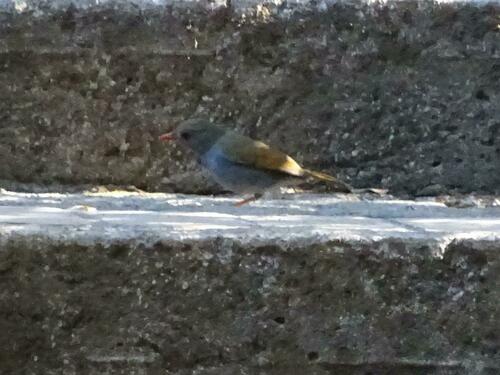 Orange-billed Nightingale-Thrush
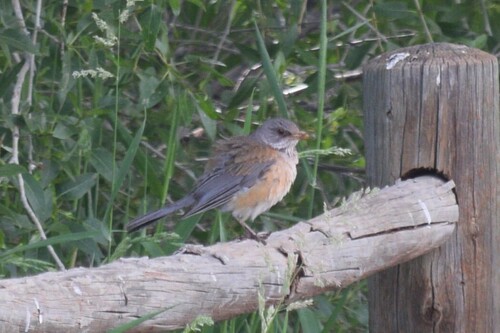 Rufous-backed Robin
In breve
Il segno di campo più affidabile per separare l'Orange-billed Nightingale-Thrush dal Rufous-backed Robin è la dimensione complessiva e il colore del becco: il nightingale-thrush è molto più piccolo e snello, con un becco arancione lungo e robusto, mentre il robin è più grande e con un corpo più pesante con un becco giallo. In tutte le livree, il robin mostra un contrasto sorprendente tra il suo dorso rufoso e le ali grigie, mentre il nightingale-thrush è più uniformemente di colore oliva-marrone a rufoso, privo del motivo audace del robin. I nightingale-thrush juvenili sono marroni con macchie color crema, mentre i robin juvenili mostrano maculature color crema e barre scure sotto. Entrambe le specie possono mostrare toni rufosi, ma la distribuzione e il contrasto di questi colori sono fondamentali per la separazione sul campo. Considera sempre prima la struttura dell'uccello e il colore del becco, poi controlla la testa grigia chiara del robin e i fianchi arancione-castagna rispetto ai toni più semplici e attenuati del nightingale-thrush.
Consigli di identificazione
- Size and Structure: Il Rufous-backed Robin è molto più grande e robusto rispetto all'Orange-billed Nightingale-Thrush. Se l'uccello appare delle dimensioni di un robin o più grande di un passero, è probabile che sia un robin. I nightingale-thrush sono notevolmente più piccoli e più snelli.
- Bill Color: L'Orange-billed Nightingale-Thrush ha un becco lungo, forte e arancione (a volte arancio-rosso in alcune sottospecie), mentre il Rufous-backed Robin ha un becco giallo. Il colore del becco è un controllo rapido e affidabile in buona luce.
- Head Pattern: Il Rufous-backed Robin mostra una testa grigia chiara con lore nere e un anello oculare giallo. L'Orange-billed Nightingale-Thrush ha un volto marrone grigiastro con un sottile anello oculare arancione, privo del contrasto netto e delle lore nere del robin.
- Back and Wing Contrast: Il robin ha un dorso castano opaco (rufoso) e scapolari nettamente distinti rispetto alle ali e alla coda grigie chiare. Il nightingale-thrush è più uniforme di colore oliva-marrone a rufoso, con il rufoso più forte sul dorso, sul croup, sulle ali e sulla coda, ma senza la chiara separazione dei colori del robin.
- Underparts: Il Rufous-backed Robin ha una gola bianca con striature scure, un petto e fianchi arancione-castagna, e una pancia e un ventriglio bianchi. L'Orange-billed Nightingale-Thrush ha una gola biancastra che scurisce a grigio chiaro sotto, privo del contrasto audace di arancione e bianco del robin.
- Juvenile Plumage: I nightingale-thrush juvenili sono marroni con macchie color crema e marmorizzazione, apparendo semplici e dai bordi morbidi. I robin juvenili mostrano maculature color crema sopra e forti barre scure sotto, facendoli apparire più motivati e contrastati.
- Leg Color: Il nightingale-thrush ha zampe e piedi arancio-marroni; le zampe del robin sono meno distintamente colorate ma non così arancioni come quelle del nightingale-thrush.
- Tail: La coda del robin è più lunga e robusta, corrispondente alla sua dimensione complessiva, mentre la coda del nightingale-thrush è proporzionalmente più corta e snella.
- Sex Differences: Entrambe le specie hanno una livrea simile tra i sessi, ma le femmine di robin sono leggermente più opache dei maschi; questo è raramente diagnostico sul campo.
- Subspecies Variation: Alcune sottospecie di nightingale-thrush mostrano più rufoso o grigio sulla testa e sulle ali, ma nessuna corrisponde al netto contrasto grigio/rufoso del robin. Le sottospecie di robin possono variare nell'intensità del colore del dorso ma mostrano sempre il motivo chiave.
- Habitat Context: Se visto in un sottobosco denso e ombreggiato o seguendo formiche soldato, sospetta il nightingale-thrush. Se in boschi aperti, giardini o appollaiato in alto, è più probabile che sia un robin.
- Behavior: Il nightingale-thrush è più furtivo, spesso basso e nascosto; il robin è più audace, a volte cerca cibo in modo aperto.
- Eye-ring: Entrambi hanno anelli oculari, ma quello del nightingale-thrush è sottile e arancione, mentre quello del robin è giallo e più evidente contro la testa grigia chiara.
- Voice: Non diagnostico con le fonti attuali, ma i robin hanno tipicamente canti più forti e melodiosi rispetto ai richiami più silenziosi del nightingale-thrush.
- Geographic Range: Il Rufous-backed Robin è endemico del Messico e delle terre di confine degli Stati Uniti adiacenti; l'Orange-billed Nightingale-Thrush si estende dal Messico al nord del Sud America. L'overlap è limitato, ma sono possibili vagabondi.
Taglia
L'Orange-billed Nightingale-Thrush è significativamente più piccolo e leggero (circa 27 g) rispetto al Rufous-backed Robin, che è un robusto tordo che pesa 72–85 g e raggiunge i 21,5–25,5 cm di lunghezza. Il robin è simile in dimensioni a un American Robin, apparendo molto più robusto e con ali più lunghe rispetto al nightingale-thrush compatto e snello. Sul campo, la dimensione del robin e la sua coda più lunga sono immediatamente evidenti quando i due sono visti fianco a fianco o confrontati con tordi familiari.
Piumaggio
I nightingale-thrush juvenili sono per lo più marroni con macchie color crema e marmorizzazione, privi di un forte motivo sulle parti inferiori. I Rufous-backed Robins juvenili, al contrario, somigliano agli adulti ma aggiungono maculature color crema e striature sopra e marmorizzazione scura e barre sotto, facendoli apparire più motivati e contrastati. Gli adulti nightingale-thrush sono di colore oliva-marrone con una sfumatura rufosa più forte sulla corona, sul dorso, sul croup, sulle ali e sulla coda, un volto marrone grigiastro con un sottile anello oculare arancione, e una gola biancastra che sfuma in parti inferiori grigie chiare. Sono piuttosto uniformi, senza interruzioni di colore nette. Gli adulti robin hanno una testa grigia chiara con lore nere, un anello oculare giallo, ali e coda grigie chiare, e un dorso castano opaco e scapolari. La loro gola e i lati del collo sono bianchi con striature scure, e il loro petto e fianchi sono arancione-castagna, in netto contrasto con una pancia e un ventriglio bianchi. I blocchi di colore audaci del robin e i forti contrasti, specialmente il dorso rufoso contro le ali grigie e i fianchi arancione-castagna, non sono eguagliati dai toni più sfumati del nightingale-thrush. La variazione delle sottospecie in entrambe le specie può influenzare l'intensità rufosa, ma il robin mostra sempre un aspetto più motivato.
Comportamento
Entrambe le specie cercano cibo sul terreno o nelle vicinanze, spesso nel sottobosco della foresta. L'Orange-billed Nightingale-Thrush è più probabile che venga visto a girare la lettiera di foglie in una vegetazione densa, a volte seguendo sciami di formiche soldato. Il Rufous-backed Robin, essendo più grande, spesso si nutre più apertamente, a volte in giardini o ai margini, e può essere visto saltellare sui prati o appollaiarsi più in alto sugli alberi. I movimenti del robin sono più robusti e deliberati, mentre il nightingale-thrush è più veloce e furtivo.
Habitat
L'Orange-billed Nightingale-Thrush predilige il sottobosco denso della foresta, i cespugli e le aree arbustive, tipicamente in ambienti più umidi o ombreggiati. Il Rufous-backed Robin si trova più spesso in boschi aperti, ai margini delle foreste, nei giardini e a volte nei parchi urbani, specialmente nella sua area messicana. Anche se entrambe le specie possono sovrapporsi in alcuni habitat di margine, il robin è meno legato a coperture dense ed è più probabile che venga visto in aree semiaperte o modificate dall'uomo.
Orange-billed Nightingale-Thrush · Rufous-backed Robin · I miei uccelli difficili