

Zorzalito Piquigualdo vs Zorzal Dorsirrufo
Catharus aurantiirostris frente a Turdus rufopalliatus
Juega un quiz con Zorzalito Piquigualdo y Zorzal Dorsirrufo
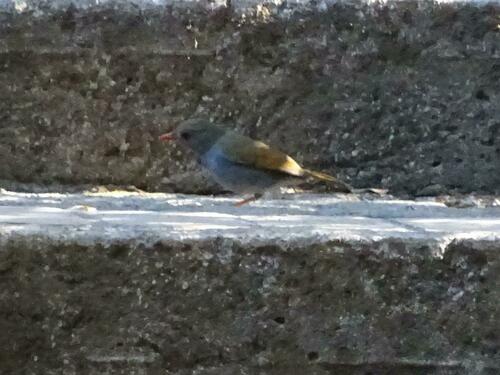 Zorzalito Piquigualdo
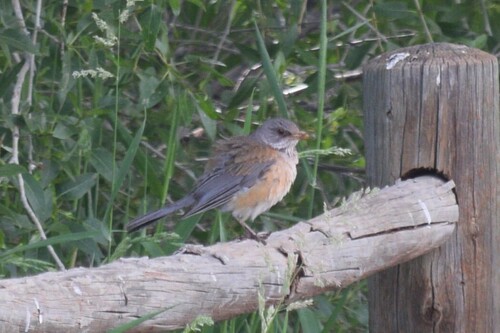 Zorzal Dorsirrufo
En breve
La marca de campo más confiable para separar al Zorzalito Piquigualdo del Zorzal Dorsirrufo es el tamaño general y el color del pico: el zorzalito es mucho más pequeño y delgado, con un pico naranja largo y fuerte, mientras que el zorzal es más grande y robusto con un pico amarillo. En todos los plumajes, el zorzal muestra un contraste llamativo entre su espalda rufosa y sus alas grises, mientras que el zorzalito es más uniformemente de color oliva-marrón a rufoso, careciendo del patrón audaz del zorzal. Los zorzalitos juveniles son marrones con manchas color crema, mientras que los zorzales juveniles muestran moteado color crema y bandas oscuras por debajo. Ambas especies pueden mostrar tonos rufosos, pero la distribución y el contraste de estos colores son clave para la separación en el campo. Siempre considera primero la estructura del ave y el color del pico, luego verifica la cabeza gris pálido del zorzal y los flancos naranja-castaño frente a los tonos más simples y apagados del zorzalito.
Consejos de identificación
- Tamaño y Estructura: El Zorzal Dorsirrufo es mucho más grande y robusto que el Zorzalito Piquigualdo. Si el ave parece del tamaño de un zorzal o más grande que un gorrión, es probable que sea un zorzal. Los zorzalitos son notablemente más pequeños y delgados.
- Color del Pico: El Zorzalito Piquigualdo tiene un pico largo, fuerte y naranja (a veces naranja-rojo en algunas subespecies), mientras que el Zorzal Dorsirrufo tiene un pico amarillo. El color del pico es una verificación rápida y confiable en buena luz.
- Patrón de la Cabeza: El Zorzal Dorsirrufo muestra una cabeza gris pálido con loretes negros y un anillo ocular amarillo. El Zorzalito Piquigualdo tiene una cara marrón grisácea con un delgado anillo ocular naranja, careciendo del fuerte contraste y loretes negros del zorzal.
- Contraste de Espalda y Alas: El zorzal tiene una espalda y escapulares castaño apagado (rufoso) que se destacan nítidamente contra alas y cola gris pálido. El zorzalito es más uniforme de color oliva-marrón a rufoso, con el rufoso más fuerte en la espalda, rabadilla, alas y cola, pero sin la clara separación de color del zorzal.
- Partes Inferiores: El Zorzal Dorsirrufo tiene una garganta blanca con rayas oscuras, un pecho y flancos naranja-castaño, y un vientre y vent rectos blancos. El Zorzalito Piquigualdo tiene una garganta blanquecina que se oscurece a partes inferiores gris pálido, careciendo del audaz contraste naranja y blanco del zorzal.
- Plumaje Juvenil: Los zorzalitos juveniles son marrones con manchas color crema y moteado, apareciendo simples y con bordes suaves. Los zorzales juveniles muestran moteado color crema arriba y fuertes bandas oscuras por debajo, haciéndolos parecer más patrones y contrastantes.
- Color de las Piernas: El zorzalito tiene piernas y pies de color naranja marrón; las piernas del zorzal son menos distintivas en color pero no tan naranjas como las del zorzalito.
- Cola: La cola del zorzal es más larga y robusta, coincidiendo con su tamaño general, mientras que la cola del zorzalito es proporcionalmente más corta y delgada.
- Diferencias de Sexo: Ambas especies tienen plumaje similar entre sexos, pero las hembras de zorzal son ligeramente más apagadas que los machos; esto rara vez es diagnóstico en el campo.
- Variación de Subespecies: Algunas subespecies de zorzalito muestran más rufoso o gris en la cabeza y alas, pero ninguna coincide con el agudo contraste gris/rufoso del zorzal. Las subespecies de zorzal pueden variar en la intensidad del color de la espalda, pero siempre retienen el patrón clave.
- Contexto de Hábitat: Si se ve en un sotobosque denso y sombreado o siguiendo hormigas legionarias, sospecha del zorzalito. Si está en un bosque abierto, jardines o posado alto, es más probable que sea un zorzal.
- Comportamiento: El zorzalito es más furtivo, a menudo bajo y escondido; el zorzal es más audaz, a veces forrajeando a la vista.
- Anillo Ocular: Ambos tienen anillos oculares, pero el del zorzalito es delgado y naranja, el del zorzal es amarillo y más obvio contra la cabeza gris pálido.
- Voz: No es diagnóstico con las fuentes actuales, pero los zorzales suelen tener canciones más fuertes y melodiosas en comparación con los llamados más silenciosos del zorzalito.
- Rango Geográfico: El Zorzal Dorsirrufo es endémico de México y las tierras fronterizas adyacentes de EE. UU.; el Zorzalito Piquigualdo se extiende desde México hasta el norte de Sudamérica. La superposición es limitada, pero los vagabundos son posibles.
Tamaño
El Zorzalito Piquigualdo es significativamente más pequeño y ligero (alrededor de 27 g) que el Zorzal Dorsirrufo, que es un robusto zorzal que pesa entre 72 y 85 g y alcanza de 21.5 a 25.5 cm de longitud. El zorzal es similar en tamaño a un Zorzal Americano, apareciendo mucho más robusto y con alas más largas que el compacto y delgado zorzalito. En el campo, el tamaño del zorzal y su cola más larga son inmediatamente obvios cuando los dos se ven uno al lado del otro o se comparan con zorzales familiares.
Plumaje
Los Zorzalitos Piquigualdo juveniles son mayormente marrones con manchas color crema y moteado, careciendo de un fuerte patrón en las partes inferiores. Los Zorzales Dorsirrufo juveniles, en contraste, se asemejan a los adultos pero añaden moteado color crema y rayas arriba y moteado oscuro y bandas por debajo, haciéndolos parecer más patrones y contrastantes. Los zorzalitos adultos son de color oliva-marrón con un tinte rufoso más fuerte en la corona, espalda, rabadilla, alas y cola, una cara marrón grisácea con un delgado anillo ocular naranja, y una garganta blanquecina que se desvanece a partes inferiores gris pálido. Son bastante uniformes, sin cortes de color agudos. Los zorzales adultos tienen una cabeza gris pálido con loretes negros, un anillo ocular amarillo, alas y cola gris pálido, y una espalda y escapulares castaño apagado. Su garganta y lados del cuello son blancos con rayas oscuras, y su pecho y flancos son naranja-castaño, contrastando nítidamente con un vientre y vent rectos blancos. Los bloques de color audaces y los fuertes contrastes del zorzal, especialmente la espalda rufosa contra las alas grises y los flancos naranja-castaño, no son igualados por los tonos más mezclados del zorzalito. La variación de subespecies en ambas especies puede afectar la intensidad rufosa, pero el zorzal siempre muestra una apariencia más patrón.
Comportamiento
Ambas especies forrajean en o cerca del suelo, a menudo en el sotobosque del bosque. El Zorzalito Piquigualdo es más probable que se vea volteando la hojarasca en la densa maleza, a veces siguiendo enjambres de hormigas legionarias. El Zorzal Dorsirrufo, siendo más grande, a menudo se alimenta más abiertamente, a veces en jardines o bordes, y puede verse saltando en céspedes o posándose más alto en los árboles. Los movimientos del zorzal son más robustos y deliberados, mientras que el zorzalito es más rápido y furtivo.
Hábitat
El Zorzalito Piquigualdo prefiere el sotobosque denso del bosque, matorrales y áreas arbustivas, típicamente en entornos más húmedos o sombreados. El Zorzal Dorsirrufo se encuentra más a menudo en bosques abiertos, bordes de bosque, jardines y a veces parques urbanos, especialmente en su rango mexicano. Aunque ambos pueden superponerse en algunos hábitats de borde, el zorzal está menos atado a la cobertura densa y es más probable que se vea en áreas semi-abiertas o modificadas por humanos.
Zorzalito Piquigualdo · Zorzal Dorsirrufo · Mis aves difíciles