

Motmot

ハシビロガモ 対 ギンパラ

Spatula clypeata 対 Lonchura malacca

ハシビロガモとギンパラのクイズ
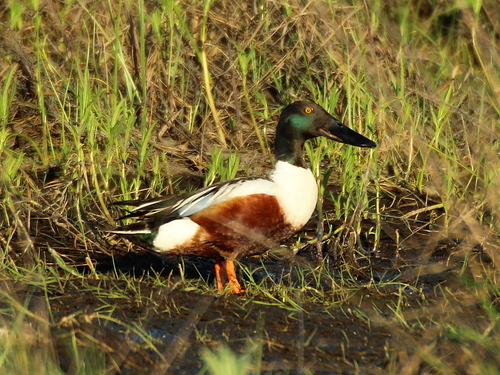
ハシビロガモ (Spatula clypeata) ハシビロガモ
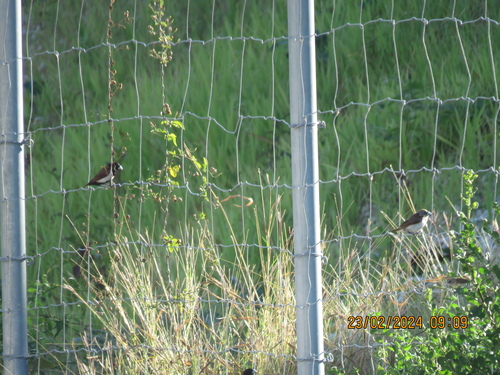
ギンパラ (Lonchura malacca) ギンパラ

メディア

読み込み中…

要点

ハシビロガモとギンパラを分ける最も信頼できる方法は、それぞれの構造の劇的な違いによるものです。ハシビロガモは大きく、幅広い体を持つカモで、巨大なシャベル状のくちばしを持っています。一方、ギンパラは小さく、コンパクトなフィンチで、短い円錐形のくちばしを持っています。飛んでいるときや止まっているとき、ギンパラの年齢に関わらず、ハシビロガモの淡い青色の前羽や巨大なくちばしは決して見られません。幼鳥のギンパラは成鳥の鋭い黒と栗色の模様が欠けていますが、それでもそのサイズとくちばしの形はハシビロガモとは完全に異なります。もし不安な場合は、まずくちばしの形と全体のサイズに注目し、その後ハシビロガモの独特な青色の前羽やギンパラの鮮やかな三色の成鳥の羽毛を確認してください。

識別のコツ

  1. Bill Shape: ハシビロガモは巨大で平らなシャベル状のくちばしを持ち、カモの中では独特で、ギンパラの短い円錐形のくちばしとは決して一致しません。これはすべての年齢と羽毛で確認できます。
  2. Size: ハシビロガモはフルサイズのカモ(44–52 cm)で、非常に小さなギンパラ(11.5 cm)よりもはるかに大きいです。距離があっても、ハシビロガモの体格は明らかです。
  3. Wing Pattern in Flight: すべての年齢と性別のハシビロガモは、飛んでいるときに淡い青色の前羽を示し、白と緑で縁取られています。ギンパラは青や緑のない、無地の暗褐色の飛翔羽を持ち、白からクリーム色の下羽カバーがあります。
  4. Juvenile/Immature Plumage: 幼鳥のギンパラは上面が暖かい茶色で、下面がバフ色で、成鳥の黒い頭と栗色の背中が欠けていますが、羽に青色は見られず、フィンチのくちばしを持っています。幼鳥のハシビロガモは、灰色の前羽と大きなシャベル状のくちばしを持つまだらの茶色です。
  5. Adult Male Plumage: 繁殖期のオスのハシビロガモは、暗緑色の頭、白い胸、栗色の側面、黒いくちばしを持っています。成鳥のギンパラは、黒い頭と胸、白い腹/側面、栗色の背中を持つ鮮やかな三色の羽毛です。
  6. Female/Eclipse Plumage: メスとエクリプスのオスのハシビロガモはまだらの茶色ですが、常に青色の前羽と大きなくちばしを示します。メスのギンパラは成鳥のオスに似ていますが、上尾羽カバーの縁が淡い色をしており、くちばしは小さく円錐形のままです。
  7. Leg Color: ハシビロガモは明るいオレンジ色の脚を持ち、ギンパラは灰色の脚と足を持っています。
  8. Feeding Behavior: ハシビロガモは水面で食物をフィルターするために、くちばしを左右に振りながら水面で食べます。ギンパラは種を食べ、しばしば草や葦に止まっているか、種を食べていますが、決して水面で食べることはありません。
  9. Habitat: ハシビロガモは開けた水や湿地に生息し、ギンパラは水の近くの草地や葦の生えた場所にいますが、決して泳ぎません。
  10. Flight Style: ハシビロガモは安定した直線的なカモの飛行をし、ギンパラは素早く跳ねるようなフィンチの飛行をします。
  11. Group Size: 両方とも群れでいることがありますが、ハシビロガモの群れは水上にあり、ギンパラの群れは植生の中にいます。
  12. Context: 泳いでいるか食べているのが見られた場合、それはハシビロガモです。草の茎にしがみついているか、種を食べているのが見られた場合、それはギンパラです。
  13. Bill Color: ハシビロガモのくちばしは暗色(オス)またはオレンジ色の縁がある灰色(メス)で、ギンパラのくちばしは淡い青灰色です。
  14. Rump Color: ギンパラは赤褐色の尻と上尾羽カバーを持ち、ハシビロガモは持っていません。
  15. Mistaken Identity: エクリプスや幼鳥の羽毛であっても、ハシビロガモのサイズ、くちばし、青色の前羽はギンパラとは決して一致しません。幼鳥のギンパラは他のギンパラと混同されることがありますが、ハシビロガモとは混同されません。

大きさ

ハシビロガモははるかに大きく、長さ44–52 cm、体重500–800 gで、ギンパラの小さな長さ11.5 cmと質量12.6 gと比較されます。ハシビロガモはフルサイズのカモで、他の水鳥と一緒に見られることが多いですが、ギンパラは小さなスズメサイズのフィンチです。このサイズの違いは、直接の視界で明らかで、特に飛んでいるときや他の鳥の近くに止まっているときにスケールとして特に顕著です。

羽色

行動

ハシビロガモは水面で食物をフィルターするために、大きなくちばしを左右に振りながら泳いでいるのがよく見られるダブリングカモです。彼らは他のカモよりも社交的ではありませんが、小さな群れを形成します。ギンパラは種を食べるフィンチで、通常は草や葦に止まっているか、種を食べている群れで見られます。ギンパラは泳いだりダブリングしたりせず、開けた水面で見られることはほとんどありません。彼らの飛行は小さなフィンチに典型的な素早く跳ねるもので、ハシビロガモは安定した直線的なカモの飛行をします。

生息環境

ハシビロガモは湿地、湖、浅い湿地に生息し、特に無脊椎動物が豊富な泥底のものに生息しています。彼らは北半球全体で広く分布し、移動や冬に見られます。ギンパラは水の近くの暖かい草地に生息し、葦原、稲作地、湿地の端などに生息しますが、カモのように開けた水を利用することはありません。導入された範囲では、ギンパラは農業地域や草地の湿地でよく見られますが、常に陸鳥として、決して水鳥としては見られません。

より良い説明を送る

比較と同じ項目を使ってください。文章はすぐに公開されます。

The most reliable way to separate Northern Shoveler from Tricoloured Munia is by their dramatically different structure: the shoveler is a large, broad-bodied duck with a huge, spatulate bill, while the munia is a small, compact finch with a short, conical bill. In flight or perched, no age of munia ever shows the shoveler’s pale blue forewing or massive bill. Juvenile munias lack the adult’s sharp black-and-chestnut pattern, but even then, their size and bill shape are completely different from any shoveler. If you’re unsure, focus first on bill shape and overall size, then check for the shoveler’s unique blue forewing or the munia’s crisp tricolored adult plumage.

  1. Bill Shape: Northern Shoveler has a huge, flat, spatulate bill, unique among ducks and never matched by the short, conical finch bill of the Tricoloured Munia. This is visible at all ages and in all plumages.
  2. Size: Shovelers are full-sized ducks (44–52 cm), much larger than the tiny munia (11.5 cm). Even at a distance, the shoveler’s bulk is obvious.
  3. Wing Pattern in Flight: All ages and sexes of shoveler show a pale blue forewing in flight, bordered by white and green. Munias have plain dark brown flight feathers with no blue or green, and white to cream underwing coverts.
  4. Juvenile/Immature Plumage: Juvenile munias are warm brown above and buff below, lacking the adult’s black head and chestnut back, but still show no blue in the wing and have a finch bill. Juvenile shovelers are mottled brown with a grey forewing and a large spatulate bill.
  5. Adult Male Plumage: Breeding male shoveler has a dark green head, white breast, chestnut flanks, and black bill. Adult munia is sharply tricolored: black head and breast, white belly/flanks, chestnut back.
  6. Female/Eclipse Plumage: Female and eclipse male shovelers are mottled brown but always show the blue forewing and large bill. Female munias look like adult males but with paler uppertail covert fringes; bill remains small and conical.
  7. Leg Color: Shovelers have bright orange-red legs; munias have grey legs and feet.
  8. Feeding Behavior: Shovelers dabble and filter-feed on water, swinging their bills side to side. Munias feed on seeds, often perched on grasses or reeds, never dabbling.
  9. Habitat: Shovelers are found on open water or marshes; munias are in grassy or reedy areas near water but never swim.
  10. Flight Style: Shovelers have steady, direct duck flight; munias have quick, bounding finch flight.
  11. Group Size: Both can be in flocks, but shoveler flocks are on water, munia flocks are in vegetation.
  12. Context: If seen swimming or dabbling, it is a shoveler. If seen clinging to grass stems or feeding on seeds, it is a munia.
  13. Bill Color: Shoveler’s bill is dark (male) or grey with orange edges (female); munia’s bill is pale bluish-grey.
  14. Rump Color: Munias have a reddish-maroon rump and uppertail coverts; shovelers do not.
  15. Mistaken Identity: Even in eclipse or juvenile plumage, the shoveler’s size, bill, and blue forewing are never matched by munia. Juvenile munias can be confused with other munias but not with shovelers.

Northern Shoveler is vastly larger, measuring 44–52 cm in length and weighing 500–800 g, compared to the Tricoloured Munia’s tiny 11.5 cm length and 12.6 g mass. The shoveler is a full-sized duck, often seen with other waterfowl, while the munia is a small, sparrow-sized finch. This size difference is obvious in any direct view and is especially apparent in flight or when perched near other birds for scale.

  • Juveniles/Immatures: Juvenile Tricoloured Munias are warm brown above and buff below, lacking the adult’s black head and chestnut back, but still show no blue or green in the wing and never have a spatulate bill. Juvenile Northern Shovelers (especially females and eclipse males) are mottled brown, with a grey forewing and a large, broad bill with orange tones on the edges. In flight, even eclipse or female shovelers show a pale blue forewing, a feature absent in all munias.

  • Adult Breeding: Adult male Northern Shovelers have an iridescent dark green head, white breast, chestnut flanks, and a pale blue forewing patch bordered by white and green in flight. Females are mottled brown but still show the blue forewing and the huge bill. Adult Tricoloured Munias are sharply marked: black from head to breast, white belly and flanks, and warm chestnut upperparts, with dark brown flight feathers and a reddish-maroon rump. The bill is pale bluish-grey and conical.

  • Eclipse/Nonbreeding: Male shovelers in eclipse resemble females but always retain the blue forewing. Munias do not have an eclipse plumage; adults retain their tricolored pattern year-round.

Northern Shovelers are dabbling ducks, often seen swimming on open water, swinging their large bills side to side to filter food from the water’s surface. They are less gregarious than some ducks but still form small flocks. Tricoloured Munias are seed-eating finches, typically seen in flocks perched on grasses or reeds, or feeding on seeds. Munias do not swim or dabble and are rarely seen on open water. Their flight is quick and bounding, typical of small finches, while shovelers have steady, direct duck flight.

Northern Shovelers are found on marshes, lakes, and shallow wetlands, especially those with muddy bottoms rich in invertebrates. They are widespread across the Northern Hemisphere in migration and winter. Tricoloured Munias inhabit warm, grassy areas near water, such as reedbeds, rice fields, and marsh edges, but do not use open water like ducks. In the introduced range, munias are often seen in agricultural areas and grassy wetlands, but always as landbirds, not waterfowl.

変更を破棄しますか?

保存していない編集があります。今離れると失われます。

ハシビロガモ · ギンパラ · 苦手な鳥