

Mestolone vs Tricolored Munia
Spatula clypeata contro Lonchura malacca
Fai un quiz con Mestolone e Tricolored Munia
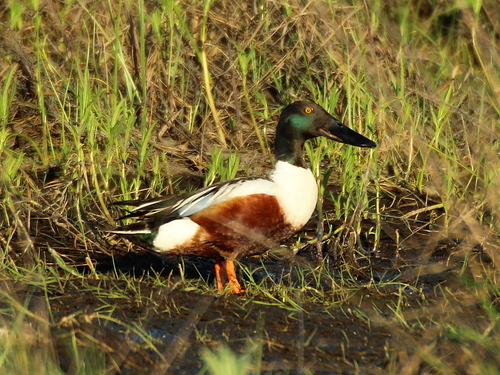 Mestolone
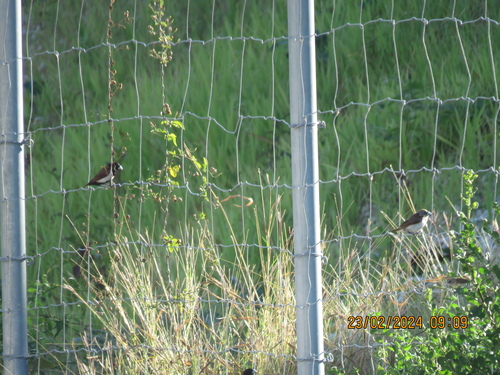 Tricolored Munia
In breve
Il modo più affidabile per separare il Mestolone dal Tricolored Munia è la loro struttura drammaticamente diversa: il mestolone è un'anatra grande e dal corpo largo con un enorme becco spatolato, mentre il munia è un piccolo fringillide compatto con un becco corto e conico. In volo o posato, nessuna età di munia mostra mai l'ala anteriore blu pallido del mestolone o il suo becco massiccio. I munia juvenili mancano del motivo nero e castano dell'adulto, ma anche in quel caso, la loro dimensione e forma del becco sono completamente diverse da qualsiasi mestolone. Se non sei sicuro, concentrati prima sulla forma del becco e sulla dimensione complessiva, poi controlla l'unica ala anteriore blu del mestolone o il piumaggio adulto tricolore nitido del munia.
Consigli di identificazione
- Bill Shape: Il Mestolone ha un enorme becco piatto e spatolato, unico tra le anatre e mai eguagliato dal becco corto e conico del Tricolored Munia. Questo è visibile a tutte le età e in tutti i piumaggi.
- Size: I mestoloni sono anatre di dimensioni complete (44–52 cm), molto più grandi del piccolo munia (11,5 cm). Anche a distanza, il volume del mestolone è ovvio.
- Wing Pattern in Flight: Tutte le età e i sessi del mestolone mostrano un'ala anteriore blu pallido in volo, bordata di bianco e verde. I munia hanno piume di volo marrone scuro uniforme senza blu o verde, e copritrici sottoala bianche o crema.
- Juvenile/Immature Plumage: I munia juvenili sono marrone caldo sopra e beige sotto, privi della testa nera e del dorso castano dell'adulto, ma non mostrano blu nell'ala e hanno un becco da fringillide. I mestoloni juvenili sono marrone maculato con un'ala anteriore grigia e un grande becco spatolato.
- Adult Male Plumage: Il maschio adulto in riproduzione del mestolone ha una testa verde scuro, un petto bianco, fianchi castani e un becco nero. Il munia adulto è nettamente tricolore: testa e petto neri, ventre/fianchi bianchi, dorso castano.
- Female/Eclipse Plumage: Le femmine e i maschi in eclipse del mestolone sono marrone maculato ma sempre mostrano l'ala anteriore blu e il grande becco. Le femmine di munia assomigliano ai maschi adulti ma con frange delle copritrici della coda più chiare; il becco rimane piccolo e conico.
- Leg Color: I mestoloni hanno zampe rosso-arancio brillante; i munia hanno zampe e piedi grigi.
- Feeding Behavior: I mestoloni si nutrono e filtrano il cibo dall'acqua, muovendo i loro becchi da un lato all'altro. I munia si nutrono di semi, spesso posati su erbe o canne, mai dabbling.
- Habitat: I mestoloni si trovano in acque aperte o paludi; i munia sono in aree erbose o canneti vicino all'acqua ma non nuotano mai.
- Flight Style: I mestoloni hanno un volo d'anatra costante e diretto; i munia hanno un volo rapido e saltellante.
- Group Size: Entrambi possono trovarsi in stormi, ma gli stormi di mestoloni sono sull'acqua, mentre gli stormi di munia sono nella vegetazione.
- Context: Se visti nuotare o nutrirsi, è un mestolone. Se visti aggrappati a steli d'erba o a nutrirsi di semi, è un munia.
- Bill Color: Il becco del mestolone è scuro (maschio) o grigio con bordi arancioni (femmina); il becco del munia è grigio-bluastro pallido.
- Rump Color: I munia hanno un posteriore rosso-marrone e copritrici della coda; i mestoloni no.
- Mistaken Identity: Anche in piumaggio eclipse o giovanile, la dimensione, il becco e l'ala anteriore blu del mestolone non sono mai eguagliati dal munia. I munia juvenili possono essere confusi con altri munia ma non con i mestoloni.
Taglia
Il Mestolone è di gran lunga più grande, misurando 44–52 cm di lunghezza e pesando 500–800 g, rispetto alla lunghezza di 11,5 cm e alla massa di 12,6 g del Tricolored Munia. Il mestolone è un'anatra di dimensioni complete, spesso vista con altre anatre acquatiche, mentre il munia è un piccolo fringillide delle dimensioni di un passero. Questa differenza di dimensione è ovvia in qualsiasi vista diretta ed è particolarmente evidente in volo o quando è posato vicino ad altri uccelli per scala.
Piumaggio
-
Juveniles/Immatures: I munia juvenili Tricolored sono marrone caldo sopra e beige sotto, privi della testa nera e del dorso castano dell'adulto, ma non mostrano blu o verde nell'ala e non hanno mai un becco spatolato. I Mestoloni juvenili (soprattutto femmine e maschi in eclipse) sono marrone maculato, con un'ala anteriore grigia e un grande becco largo con toni arancioni sui bordi. In volo, anche i mestoloni in eclipse o femmine mostrano un'ala anteriore blu pallido, una caratteristica assente in tutti i munia.
-
Adult Breeding: I maschi adulti di Mestolone hanno una testa verde scuro iridescente, un petto bianco, fianchi castani e una macchia blu pallido sull'ala anteriore bordata di bianco e verde in volo. Le femmine sono marrone maculato ma mostrano ancora l'ala anteriore blu e il grande becco. I munia adulti Tricolored sono nettamente marcati: neri dalla testa al petto, ventre e fianchi bianchi, e parti superiori castane calde, con piume di volo marrone scuro e un posteriore rosso-marrone. Il becco è grigio-bluastro pallido e conico.
-
Eclipse/Nonbreeding: I maschi di mestolone in eclipse assomigliano alle femmine ma mantengono sempre l'ala anteriore blu. I munia non hanno un piumaggio eclipse; gli adulti mantengono il loro motivo tricolore tutto l'anno.
Comportamento
I Mestoloni sono anatre dabbling, spesso viste nuotare in acque aperte, muovendo i loro grandi becchi da un lato all'altro per filtrare il cibo dalla superficie dell'acqua. Sono meno gregari di alcune anatre ma formano comunque piccoli stormi. I Tricolored Munias sono fringillidi che si nutrono di semi, tipicamente visti in stormi posati su erbe o canne, o a nutrirsi di semi. I munia non nuotano né si nutrono in modo dabbling e sono raramente visti in acque aperte. Il loro volo è rapido e saltellante, tipico dei piccoli fringillidi, mentre i mestoloni hanno un volo d'anatra costante e diretto.
Habitat
I Mestoloni si trovano in paludi, laghi e zone umide poco profonde, specialmente quelle con fondali fangosi ricchi di invertebrati. Sono diffusi nell'emisfero settentrionale durante la migrazione e l'inverno. I Tricolored Munias abitano aree erbose calde vicino all'acqua, come canneti, campi di riso e bordi di paludi, ma non utilizzano acque aperte come le anatre. Nella loro area introdotta, i munia sono spesso visti in aree agricole e zone umide erbose, ma sempre come uccelli di terra, non acquatici.