

Motmot

ムナフハウチワドリ 対 ハゴロモシチホウ

Phragmacia substriata 対 Spermestes cucullata

ムナフハウチワドリとハゴロモシチホウのクイズ
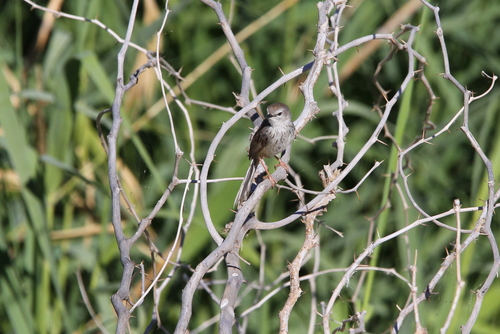
ムナフハウチワドリ (Phragmacia substriata) ムナフハウチワドリ
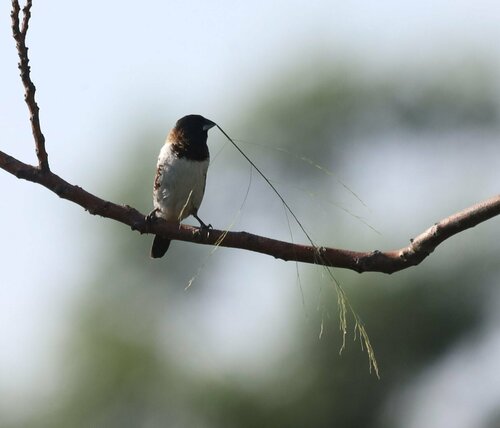
ハゴロモシチホウ (Spermestes cucullata) ハゴロモシチホウ

メディア

読み込み中…

要点

ナマクワハウチワドリとハゴロモシチホウを区別する最も信頼できるフィールドマークは、全体の構造と尾です:ナマクワハウチワドリは、傾いたふわふわした茶色の尾を持つ細長い長尾のハウチワドリであり、ハゴロモシチホウは、短い黒い尾を持つコンパクトでずんぐりしたフィンチです。幼鳥のハゴロモシチホウは無地の茶色で、ハウチワドリの白い腹部と顔の模様が欠けています。すべての羽色において、ハウチワドリの白い胸と眉斑は、ハゴロモシチホウの暗い顔と胸と対照的です。くちばしの形も診断的です:ハウチワドリは細くてまっすぐなくちばしを持ち、ハゴロモシチホウは厚くて円錐形のフィンチのくちばしを持っています。これら二種は飛行中に混同されることは少ないですが、密なカバーに止まっている鳥は混乱を引き起こす可能性があり、特に幼鳥ではそうです。

識別のコツ

  1. Tail length and shape: ナマクワハウチワドリは常に長く、茶色でふわふわした尾を示し、しばしば上向きに傾いています;ハゴロモシチホウは短く、ずんぐりした黒い尾を持っています。これはどの姿勢でも最も迅速な構造チェックです。
  2. Bill shape: ハウチワドリは細くてまっすぐな黒いくちばし(昆虫食タイプ)を持ち;ハゴロモシチホウは厚くて円錐形の黒っぽい/淡い灰色のくちばし(フィンチタイプ)を持っています。くちばしの形は年齢に関係なく診断的です。
  3. Facial pattern: ナマクワハウチワドリは淡い眉斑(アイブロウ)と白い下顔を示し;ハゴロモシチホウは暗い(黒から茶色がかった黒)顔、あご、喉を持ち、時には緑がかった虹色を持っています。幼鳥のハゴロモシチホウは暗い顔が欠けていますが、ハウチワドリの淡い眉斑も欠けています。
  4. Breast and underparts: ハウチワドリは淡い縞模様のある白い喉と胸を持ち;ハゴロモシチホウは黒っぽい胸(成鳥)または無地のバフ(幼鳥)を持ち、白い腹部と側面/尻の不規則な縞模様があります。ハウチワドリの腹部は決して縞模様がありません。
  5. Upperparts: ハウチワドリは豊かな赤褐色の上面を持ち;ハゴロモシチホウは灰色がかった茶色の上面を持ち、赤褐色の色合いが欠けています。
  6. Leg color: ハウチワドリは淡い茶色の脚を持ち;ハゴロモシチホウの脚の色はフィールドではあまり目立たないですが、一般的に暗いです。
  7. Jizz (overall impression): ハウチワドリは細長く、長尾で、しばしば尾を傾けて止まります;ハゴロモシチホウはコンパクトで短尾で、直立して止まるか、群れで寄り添います。
  8. Group size: ハウチワドリは通常、単独またはペアで見られ;ハゴロモシチホウはほぼ常に群れで、特に繁殖期以外ではそうです。
  9. Habitat: ハウチワドリは密で絡み合った低木や葦原を好み;ハゴロモシチホウは草地の端、庭、森林の縁に見られ、しばしば水の近くにいます。
  10. Flight style: ハウチワドリは敏捷で、しばしばカバーの間を低く素早く飛びます;ハゴロモシチホウは跳ねるようなフィンチのような飛行をし、しばしば密集した群れで飛びます。
  11. Juvenile confusion: 幼鳥のハゴロモシチホウは無地の茶色で顔のコントラストが欠けています;幼鳥のハウチワドリは、 duller ですが、まだ淡い腹部と眉斑を示します。
  12. Voice: ハウチワドリの鳴き声は鋭く高い 'treeep-treep-trrrrrr' です;ハゴロモシチホウは柔らかい、さえずりや 'rreep-rreeep' の鳴き声を出します。聞こえた場合、これは強い手がかりです。
  13. Tail color: ハウチワドリの尾は茶色で背中と一致します;ハゴロモシチホウの尾は黒で背中と対照的です。
  14. Association: ハゴロモシチホウは他のフィンチやワックスビルと混ざることがあります;ハウチワドリはそうではありません。
  15. Perching behavior: ハウチワドリはしばしば低い植生の中を移動し、開けた場所にはほとんど止まりません;ハゴロモシチホウはオープンに止まり、しばしば群れで、露出した水の端を訪れます。

大きさ

ナマクワハウチワドリはハゴロモシチホウ(9–10 cm)よりもわずかに大きく長い(12–13 cm)ですが、違いは比率で最も明らかです:ハウチワドリは細長く、長い尾と脚を持ち、ハゴロモシチホウはコンパクトで短尾でずんぐりしています。ハゴロモシチホウはそのサイズに対しても重く(7–12 g)、ハウチワドリの軽い体型と比較されます。フィールドでは、ハウチワドリの尾の長さと姿勢が、ハゴロモシチホウよりもさらに長く見せます。

羽色

行動

ナマクワハウチワドリは通常、単独またはペアで見られ、尾を傾けて低木の中を移動し、昆虫を探します。群れでいることはほとんどありません。ハゴロモシチホウは非常に社交的で、しばしば8–20羽の群れで見られ、種子を食べ、水を飲んだり入浴したりします。ハゴロモシチホウはしばしば相互に羽づくろいをし、共同の休息巣を作り、時には他のフィンチと関連します。ハウチワドリはより秘密主義で、オープンな群れで見られることは少ないです。

生息環境

ナマクワハウチワドリは密で低い低木や葦原を好み、しばしば乾燥または半乾燥地域に生息します。ハゴロモシチホウは湿ったサバンナ、森林の縁、庭に見られ、一般的に湿った、より開けたまたは縁のある生息地にいます。ハゴロモシチホウは人間の居住地や草地の周りにいることが多く、ハウチワドリは厚く絡み合った植生に留まります。

声

ナマクワハウチワドリは高音の 'treeep-treep-trrrrrr' の鳴き声を出します。ハゴロモシチホウは飛行中に 'rreep-rreeep' を出し、止まっているときにはさえずり、喘ぎ声またはブンブンという音の連続を出します。ハゴロモシチホウの歌は繰り返しでフィンチのようですが、ハウチワドリの鳴き声は鋭く高いです。鳴き声はよく聞こえればかなり異なりますが、どちらも混合した群れや騒がしい環境では見落とされることがあります。

より良い説明を送る

比較と同じ項目を使ってください。文章はすぐに公開されます。

The most reliable field mark to separate Namaqua Warbler from Bronze Mannikin is overall structure and tail: Namaqua Warbler is a slender, long-tailed warbler with a cocked, whispy brown tail, while Bronze Mannikin is a compact, stubby finch with a short black tail. Juvenile mannikins are plain brown and lack the warbler's white underparts and facial pattern. In all plumages, the warbler's white breast and supercilium contrast with the mannikin's dark face and chest. Bill shape is also diagnostic: the warbler has a thin, straight bill, while the mannikin has a thick, conical finch bill. These two are unlikely to be confused in flight, but perched birds in dense cover can cause confusion, especially juveniles.

  1. Tail length and shape: Namaqua Warbler always shows a long, brown, whispy tail, often cocked upwards; Bronze Mannikin has a short, stubby, black tail. This is the quickest structural check in any posture.
  2. Bill shape: Warbler has a thin, straight, black bill (insectivore type); mannikin has a thick, conical, blackish/pale grey bill (finch type). Bill shape is diagnostic at any age.
  3. Facial pattern: Namaqua Warbler shows a pale supercilium (eyebrow) and white lower face; mannikin has a dark (black to brownish-black) face, chin, and throat, sometimes with greenish iridescence. Juvenile mannikins lack the dark face but still lack the warbler's pale eyebrow.
  4. Breast and underparts: Warbler has a white throat and breast with faint streaking; mannikin has a blackish chest (adults) or plain buff (juveniles), with white belly and irregular barring on the flanks/rump. Warbler's underparts are never barred.
  5. Upperparts: Warbler is rich russet-brown above; mannikin is greyish brown above, lacking the rufous tones.
  6. Leg color: Warbler has pinkish-brown legs; mannikin's leg color is less distinctive in the field but generally dark.
  7. Jizz (overall impression): Warbler is slender, long-tailed, and often perches with tail cocked; mannikin is compact, short-tailed, and perches upright or huddled in flocks.
  8. Group size: Warbler is usually solitary or in pairs; mannikin is almost always in flocks, especially outside breeding season.
  9. Habitat: Warbler prefers dense, tangled scrub or reedbeds; mannikin is found in grassy edges, gardens, and forest margins, often near water.
  10. Flight style: Warbler is agile, often flying low and quickly between cover; mannikin has a bounding, finch-like flight, often in tight groups.
  11. Juvenile confusion: Juvenile mannikins are plain brown and lack facial contrast; juvenile warblers, though duller, still show pale underparts and eyebrow.
  12. Voice: Warbler's call is a sharp, high 'treeep-treep-trrrrrr'; mannikin gives a softer, twittering or 'rreep-rreeep' call. If heard, this is a strong clue.
  13. Tail color: Warbler's tail is brown and matches the back; mannikin's is black and contrasts with the back.
  14. Association: Mannikins may mix with other finches/waxbills; warblers do not.
  15. Perching behavior: Warbler often moves through low vegetation, rarely perches in the open; mannikin perches openly, often in groups, and visits exposed water edges.

Namaqua Warbler is slightly larger and longer (12–13 cm) than Bronze Mannikin (9–10 cm), but the difference is most obvious in proportions: the warbler is slender with a long tail and legs, while the mannikin is compact, short-tailed, and chunky. Mannikin also weighs more for its size (7–12 g) compared to the warbler's lighter build. In the field, the warbler's tail length and posture make it appear even longer than the mannikin.

  • Juvenile/immature birds: Juvenile Bronze Mannikins are uniformly dun brown above with buffy underparts and lack the sharp facial contrast of Namaqua Warbler. Juvenile warblers are duller than adults but still show a pale supercilium and white throat/breast, unlike any mannikin age.
  • Adults: Namaqua Warbler adults have rich russet-brown upperparts, a white throat and breast (with faint streaking), a pale eyebrow, and a long brown tail. Bronze Mannikin adults are dark-faced (black to brownish-black on head, chin, throat, and chest), with some greenish iridescence, greyish brown upperparts, and white underparts with irregular barring on flanks/rump. Mannikin's tail is short and black, not brown and whispy. Warbler's bill is thin and black; mannikin's is thick, conical, and blackish/pale grey.
  • Flight views: No distinctive upperwing pattern is described for either species, but the warbler's long tail and overall shape are distinctive in flight, while mannikin appears stubby and short-tailed.

Namaqua Warbler is usually seen singly or in pairs, moving low in scrub with its tail cocked and foraging for insects. It is rarely gregarious. Bronze Mannikin is highly social, often in flocks of 8–20, feeding on seeds and visiting water to drink and bathe. Mannikins often allopreen and build communal roosting nests, sometimes associating with other finches. Warblers are more secretive and less likely to be seen in open flocks.

Namaqua Warbler prefers dense, low scrub and reedbeds, often in arid or semi-arid regions. Bronze Mannikin is found in mesic savanna, forest margins, and gardens—generally in moister, more open or edge habitats. Mannikins are more likely around human habitation and grassy areas, while warblers stick to thick, tangled vegetation.

Namaqua Warbler gives a high-pitched 'treeep-treep-trrrrrr' call. Bronze Mannikin has a 'rreep-rreeep' in flight and a twittering, wheezy or buzzing series of notes when perched. The mannikin's song is repetitive and finch-like, while the warbler's call is sharper and higher. Vocalizations are quite different if heard well, but both can be overlooked in mixed flocks or noisy environments.

変更を破棄しますか?

保存していない編集があります。今離れると失われます。

ムナフハウチワドリ · ハゴロモシチホウ · 苦手な鳥