

Motmot

ナゲキバト 対 ムラサキツバメ

Zenaida macroura 対 Progne subis

ナゲキバトとムラサキツバメのクイズ
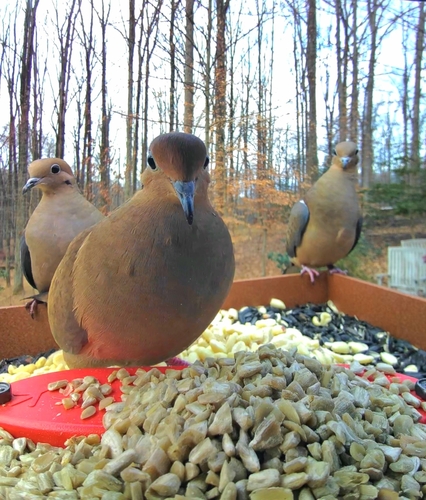
ナゲキバト (Zenaida macroura) ナゲキバト
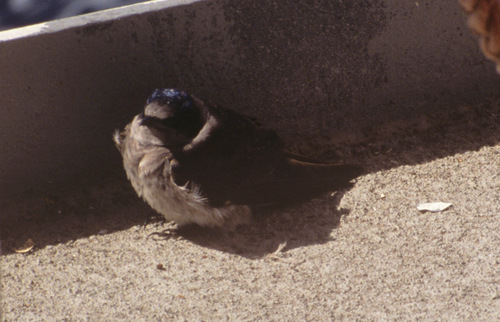
ムラサキツバメ (Progne subis) ムラサキツバメ

メディア

読み込み中…

要点

ナゲキバトとムラサキツバメを区別する最も信頼できる方法は、全体の形と羽毛によるものです:ナゲキバトは細長く、尾が長い鳩で、淡い柔らかい茶色のトーンと黒い斑点のある翼を持ち、ムラサキツバメはずんぐりした短い尾のあるツバメで、光沢のある青黒(オス)またはくすんだ淡い色(メス/未成熟)の羽毛を持っています。ナゲキバトは飛行中に白い縁のある長く尖った尾を示し、ムラサキツバメはわずかに分かれた、はるかに短い尾を持っています。幼鳥のナゲキバトは鱗状で暗く、どのムラサキツバメとも異なります。行動と文脈も役立ちます:鳩は直立して止まり、地面を歩き、ツバメはほぼ常に飛んでいるか、ワイヤーや家に止まっているのが見られます。声は非常に異なります:鳩はクークー鳴き、ツバメはおしゃべりします。

識別のコツ

  1. Tail shape and pattern in flight: ナゲキバトは白い外縁と黒い中心を持つ長く尖った尾を示し、すべての年齢で明らかで、特に飛行中に顕著です。ムラサキツバメの尾は短く、わずかに分かれているだけで、決して尖っていたり白い縁があったりしません。
  2. Juvenile plumage: 幼鳥のナゲキバトは上面が暗く鱗状で、黒い翼の斑点があります—どの年齢のムラサキツバメもこのように鱗状や斑点がありません。
  3. Adult male color: 成熟したオスのムラサキツバメは全体が光沢のある青黒で、茶色や淡い部分はありません。ナゲキバトは常に柔らかい茶色がかった灰色で、決して光沢があったり黒くなったりしません。
  4. Adult female/immature martin: メスと未成熟のムラサキツバメは上面がくすんでいて青い光沢があり、下面は淡いですが、決して鳩のピンクがかった洗い流し、黒い翼の斑点、または長い白い縁のある尾を示しません。
  5. Wing pattern: ナゲキバトは翼に黒い斑点があります(成鳥と幼鳥);ムラサキツバメの翼はすべての年齢で平坦で無地です。
  6. Bill shape: ナゲキバトは鳩に典型的な短くて暗い、わずかに曲がったくちばしを持っています;ムラサキツバメは昆虫を捕まえるのに適した短くて広い平らなくちばしを持っています。
  7. Leg color: ナゲキバトは短い赤みがかった脚を持っています;ムラサキツバメの脚は暗く目立たず、止まっているとき以外はほとんど見られません。
  8. Perching posture: ナゲキバトは直立して止まり、しばしば地面を歩きます;ムラサキツバメはより水平に止まり、地面にいるのはめったに見られません。
  9. Flight style: ナゲキバトは強く直接的な翼の打撃で飛び、滑空し、しばしば長い尾を示します;ムラサキツバメは敏捷で、急速な羽ばたきと滑空をし、短い尾を持っています。
  10. Habitat context: ナゲキバトは開けた場所、公園、地面で一般的です;ムラサキツバメは通常水の近く、巣箱のある開けた場所にいて、地面にはめったに見られません。
  11. Vocalization: ナゲキバトは遅く、悲しげなクークー音を出します;ムラサキツバメは急速でおしゃべりな呼び声を出します。クークー音を聞いたら、それは鳩です。
  12. Size impression: ナゲキバトはムラサキツバメよりもはるかに大きく重いですが、これは並んで見ると最も明らかです。
  13. Sex differences: ナゲキバトのオスは青みがかった冠と虹色の首の斑点を持っています;ムラサキツバメのオスは均一に光沢のある青黒で、メス/未成熟は決して鳩ほど茶色ではありません。
  14. Seasonal context: 渡りの際、ムラサキツバメは大きな群れで見られることがあります;ナゲキバトはほとんどの地域で年間を通じて存在し、そのような密な空中の群れを形成しません。
  15. Common pitfalls: メス/未成熟のツバメは遠くから見ると茶色がかって見えることがありますが、決して鳩の尾の形、翼の斑点、または直立した姿勢を示しません。

大きさ

ナゲキバトははるかに大きく重いです:約31 cm(12インチ)で、翼幅は37–45 cm、体重は112–170 g(通常128 g)です [wikipedia]。ムラサキツバメは小さく軽いです:19–20 cm(7.5–7.9インチ)で、翼幅は39–41 cm、体重は45–60 gです [wikidata, wikipedia]。このサイズの違いは直接比較すると明らかですが、距離がある場合や孤立した鳥ではそれほど明らかではありません。

羽色

幼鳥のナゲキバトは全体が暗く鱗状で、翼に黒い斑点があり、白い縁のある長く尖った尾を持っています—この鱗状の外観はユニークで、どのムラサキツバメの年齢とも一致しません。成鳥のナゲキバトは上面が柔らかい灰色がかった茶色で、下面はピンクがかった洗い流し、黒い翼の斑点、白い外羽と黒い内羽を持つ長いテーパー状の尾を持っています。成鳥のオスのナゲキバトは青みがかった冠と虹色の紫ピンクの首の斑点を持ち、メスはより茶色く鈍いです。ムラサキツバメは性において二形性があり:成鳥のオスは全体が光沢のある青黒で、淡いまたは茶色の部分はありませんが、成鳥のメスと未成熟は上面がくすんでいて青い光沢があり、下面は淡いです。未成熟のオスとメスは上面がより茶色がかることがありますが、決して鳩の鱗状または斑点のパターン、または白い縁のある長い尖った尾を示しません。ツバメは短く、わずかに分かれた尾を持ち、翼の斑点や鱗状のパターンはありません。

行動

ナゲキバトはワイヤー、枝、または地面に直立して止まり、しばしば歩いたり種を食べたりします。彼らの飛行は強く直接的で、広く楕円形の翼と長く尖った尾を持っています。ムラサキツバメは非常に空中性が高く、地面にいるのはめったに見られず、昆虫を捕まえるために速く敏捷な飛行をしているか、ワイヤーやツバメの家に群れで止まっているのが最もよく観察されます。彼らの飛行は急速で、頻繁に滑空し、急降下し、尾は短くわずかに分かれています。

生息環境

ナゲキバトは開けた生息地、郊外、農地、都市公園で広く一般的です。彼らはしばしば地面にいるか、開けた場所に止まっているのが見られます。ムラサキツバメは水の近くの開けた場所で繁殖し、特に巣箱やツバメの家がある場所で繁殖し、繁殖期にはそのような場所から離れているのはめったに見られません。繁殖の外では、ツバメは大きな空中の群れを形成し、ほとんどが飛行中に見られます。

声

ナゲキバトは遅く、悲しげなクークー音を出します:cooOOoo-wooo-woo-woooo、遠くからはフクロウと間違えられることがよくあります。ムラサキツバメは一連の急速なおしゃべりな音やゴロゴロ音を出し、決して遅いクークー音は出しません。二つは非常に異なり、耳で混同されることはありません。

より良い説明を送る

比較と同じ項目を使ってください。文章はすぐに公開されます。

The most reliable way to separate Mourning Dove from Purple Martin is by overall shape and plumage: Mourning Dove is a slender, long-tailed dove with pale, soft brown tones and black-spotted wings, while Purple Martin is a chunky, short-tailed swallow with glossy blue-black (male) or dusky and pale (female/immature) plumage. Mourning Doves show a long, pointed tail with white edges in flight, whereas Purple Martins have a slightly forked, much shorter tail. Juvenile Mourning Doves appear scaly and dark, unlike any Purple Martin. Behavior and context also help: doves perch upright and walk on the ground, martins are nearly always seen flying or perching on wires/houses. Voice is very different: doves coo, martins chatter.

  1. Tail shape and pattern in flight: Mourning Dove shows a long, pointed tail with white outer edges and black centers, obvious in all ages and especially in flight. Purple Martin's tail is short and only slightly forked, never pointed or with white edges.
  2. Juvenile plumage: Juvenile Mourning Doves are dark and scaly above, with black wing spots—no Purple Martin of any age is scaly or spotted like this.
  3. Adult male color: Adult male Purple Martin is glossy blue-black all over, with no brown or pale areas. Mourning Dove is always soft brownish-gray, never glossy or black.
  4. Adult female/immature martin: Female and immature Purple Martins are dusky above with some blue sheen and pale below, but never show the dove's pinkish wash, black wing spots, or long white-edged tail.
  5. Wing pattern: Mourning Dove has black spots on the wings (adults and juveniles); Purple Martin's wings are plain and unmarked in all ages.
  6. Bill shape: Mourning Dove has a short, dark, slightly decurved bill typical of doves; Purple Martin has a short, broad, flat bill suited for catching insects.
  7. Leg color: Mourning Dove has short, reddish legs; Purple Martin's legs are dark and less noticeable, rarely seen except when perched.
  8. Perching posture: Mourning Doves perch upright and often walk on the ground; Purple Martins perch more horizontally and are rarely seen on the ground.
  9. Flight style: Mourning Dove flies with strong, direct wingbeats and glides, often showing the long tail; Purple Martin is agile, with rapid flapping and gliding, and a short tail.
  10. Habitat context: Mourning Doves are common in open areas, parks, and on the ground; Purple Martins are usually near water, in open areas with nest boxes, and rarely on the ground.
  11. Vocalization: Mourning Dove gives a slow, mournful coo; Purple Martin gives rapid, chattering calls. If you hear a coo, it's a dove.
  12. Size impression: Mourning Dove is much larger and heavier than Purple Martin, but this is most obvious when seen side-by-side.
  13. Sex differences: Mourning Dove males have a bluish crown and iridescent neck patches; Purple Martin males are uniformly glossy blue-black, females/immatures are never as brown as a dove.
  14. Seasonal context: In migration, Purple Martins may be seen in large flocks; Mourning Doves are present year-round in most areas and do not form such dense aerial flocks.
  15. Common pitfalls: Female/immature martins can look brownish from a distance, but never show the dove's tail shape, wing spots, or upright posture.

Mourning Dove is much larger and heavier: about 31 cm (12 in) long with a 37–45 cm wingspan, and weighing 112–170 g (typically 128 g) [wikipedia]. Purple Martin is smaller and lighter: 19–20 cm (7.5–7.9 in) long, wingspan 39–41 cm, and weighs 45–60 g [wikidata, wikipedia]. This size difference is obvious in direct comparison, but less so at a distance or with lone birds.

Juvenile Mourning Doves are dark and scaly overall, with black spots on the wings and a long, pointed tail with white edges—this scaly look is unique and not matched by any Purple Martin age. Adult Mourning Doves are soft gray-brown above, with a pinkish wash below, black wing spots, and a long, tapered tail with white outer feathers and black inner feathers. Adult male Mourning Doves have a bluish crown and iridescent purple-pink neck patches; females are browner and duller. Purple Martins are sexually dimorphic: adult males are entirely glossy blue-black, with no pale or brown areas, while adult females and immatures are dusky above with some blue sheen, and pale below. Subadult males and females can be browner above, but never show the dove's scaly or spotted pattern, nor the long pointed tail with white edges. Martins have a short, slightly forked tail and lack any wing spots or scaly pattern.

Mourning Doves perch upright on wires, branches, or the ground, often walking or feeding on seeds. Their flight is strong and direct, with broad, elliptical wings and a long, pointed tail. Purple Martins are highly aerial, rarely seen on the ground, and are most often observed in fast, agile flight catching insects, or perched in groups on wires or martin houses. Their flight is rapid, with frequent gliding and swooping, and their tail is short and only slightly forked.

Mourning Doves are widespread and common in open habitats, suburbs, farmland, and city parks. They are often seen on the ground or perched in open areas. Purple Martins breed in open areas near water, especially where there are nest boxes or martin houses, and are rarely seen away from such sites during the breeding season. Outside breeding, martins form large aerial flocks and are mostly seen in flight.

Mourning Dove gives a slow, mournful cooing: cooOOoo-wooo-woo-woooo, often mistaken for an owl at a distance. Purple Martin gives a series of rapid, chattering notes and gurgles, never a slow coo. The two are very different and not easily confused by ear.

変更を破棄しますか?

保存していない編集があります。今離れると失われます。

ナゲキバト · ムラサキツバメ · 苦手な鳥