

Motmot

アメリカグンカンドリ 対 オオグンカンドリ

Fregata magnificens 対 Fregata minor

アメリカグンカンドリとオオグンカンドリのクイズ
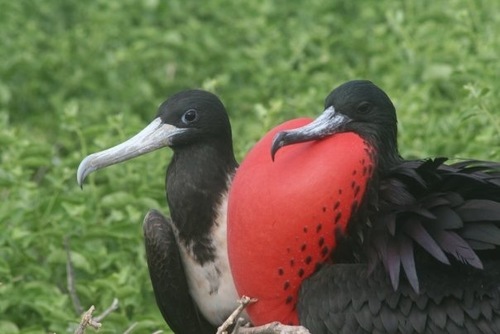
アメリカグンカンドリ (Fregata magnificens) アメリカグンカンドリ
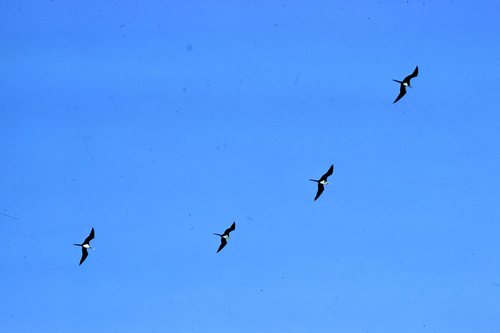
オオグンカンドリ (Fregata minor) オオグンカンドリ

メディア

読み込み中…

要点

マグニフィセントグンカンドリとオオグンカンドリを区別するための最も信頼できるフィールドマークは、成鳥オスの肩羽の虹色の色合いです:マグニフィセントは紫色の光沢を示し、オオは緑色を示します。雌と幼鳥については、頭、胸、お腹の白色のパターンと範囲、さらに目のリングの色に注目してください:マグニフィセントの雌は青い目のリングとより広範な白い胸を持ち、オオの雌は赤い目のリングと白い喉と胸を持っています。幼鳥のマグニフィセントグンカンドリは、オオにはない特徴的なダイヤモンド形の白い腹部の斑点を持っています。両種は構造と飛行において非常に似ていますが、マグニフィセントは全体的にわずかに大きいです。重なり合う範囲では、これらの微妙な羽毛と軟部の違いに注意を払うことが重要です。

識別のコツ

  1. Juvenile underparts: 幼鳥のマグニフィセントグンカンドリは、オオにはない特徴的なダイヤモンド形の白い腹部の斑点を示します。これは、飛行中の幼鳥を識別するための最も信頼できるマークです。
  2. Adult male scapular iridescence: 良い光の下で、マグニフィセントのオスは肩羽に紫色の光沢を示し、オオのオスは緑色を示します。これは微妙で、近くで見る必要があります。
  3. Female eye-ring color: マグニフィセントの雌は青い目のリングを持ち、オオの雌は赤い目のリングを持っています。これは近距離または写真で見るのが最適です。
  4. Female breast pattern: マグニフィセントの雌は白い胸と下部の首の側面を持ち、しばしば翼に茶色の帯があります。オオの雌は白い喉と胸を持ちますが、茶色の翼の帯はありません。
  5. Juvenile head and throat: オオグンカンドリの幼鳥は、さび色がかった白い顔、頭、喉を持ち、マグニフィセントの幼鳥はさび色の色合いがないより白い頭と下部を持っています。
  6. Size: マグニフィセントは全体的にわずかに大きいですが、これは鳥が並んでいない限り、ほとんど役に立ちません。
  7. Gular sac: 両方のオスは繁殖期に赤い膨張可能な喉の袋を持っていますが、これは区別する特徴ではありません。
  8. Flight structure: 両種は非常に長く、狭い翼と深く分かれた尾を持ち、構造的な違いは最小限で、区別には信頼できません。
  9. Upperwing pattern: 成鳥の上翼パターンに強い違いはありません;両方とも上面は均一に暗いです。
  10. Range: アメリカ(特に大西洋沿岸)で見られた場合、マグニフィセントの可能性が高いです;中央太平洋またはインド洋では、オオの可能性が高いです。ガラパゴスやいくつかの大西洋の島々では、両方が発生します—羽毛のマークを使用してください。
  11. Behavior: 両種は空を舞い、他の海鳥を略奪します。オオグンカンドリの雌だけがコロニーで海鳥の雛を狩ることが知られていますが、これはフィールドマークではありません。
  12. Perched views: 目のリングの色と胸のパターンは、止まっている雌に最も役立ちます。
  13. Mixed flocks: 重なり合う地域では、上記のマークを持つ各鳥を注意深くチェックしてください;群れの構成だけに頼らないでください。
  14. Voice: フィールドでの区別には役に立ちません;両方とも飛行中は静かです。
  15. Pitfalls: 幼鳥はしばしば誤認されます;常にダイヤモンド形の腹部の斑点(マグニフィセント)またはさび色の頭(オオ)を幼鳥で探し、可能な限り成鳥の目のリングの色と肩羽の光沢を確認してください。

大きさ

マグニフィセントグンカンドリは、全長89〜114 cm、翼幅2.17〜2.44 m、体重1.1〜1.59 kgで、最大のグンカンドリです。オオグンカンドリはわずかに小さく、全長85〜105 cm、翼幅2.05〜2.30 m、体重1.0〜1.59 kg(オスは雌より軽い)です。フィールドでは、このサイズの違いは微妙で、直接比較しない限り診断的ではありません。両方とも大きく、長い翼を持ち、深く分かれた尾を持つ海鳥です。

羽色

幼鳥と未成熟な個体は、腹部のパターンで最もよく区別されます:幼鳥のマグニフィセントグンカンドリは特徴的な白いダイヤモンド形の腹部の斑点を持ち、オオグンカンドリの幼鳥はさび色がかった白い顔、頭、喉を持ちますが、ダイヤモンドの腹部はありません。両種の成鳥オスは全身が黒で、膨張可能な赤い喉の袋を持っていますが、虹色の色合いは異なります:マグニフィセントは肩羽に紫色の光沢を示し、オオは緑色を示します。マグニフィセントの成鳥雌は白い胸と下部の首の側面、翼に茶色の帯、青い目のリングを持ち、オオの雌は白い喉と胸、赤い目のリングを持ち、茶色の翼の帯はありません。両種のオスは赤い喉の袋を持っていますが、周囲の羽毛の虹色が鍵です。飛行中、両方は長く狭い翼と深く分かれた尾を示し、成鳥の上翼パターンに強い違いはありません。

行動

両種は非常に空中性が高く、日中は飛行し、飛行中は静かです。彼らはしばしば熱気流に乗って舞い、海面から獲物を奪ったり、他の海鳥を脅かしたりして餌を取ります。マグニフィセントグンカンドリは長距離を飛ぶことで知られ、時には非常に高い速度で飛ぶことがあります。オオグンカンドリの雌はコロニーで海鳥の雛を狩ることが知られていますが、これはマグニフィセントには言及されていません。両種は求愛中に赤い喉の袋を示し、オスはそれを膨らませて雌を引き寄せます。

生息環境

マグニフィセントグンカンドリは、アメリカの熱帯および亜熱帯の水域(太平洋:メキシコからペルー;大西洋:フロリダから南ブラジル、ガラパゴス、カーボベルデ)で見られます。オオグンカンドリは熱帯太平洋(ハワイ、ガラパゴス)、インド洋(セーシェル、モーリシャス)でより広範囲に分布し、小さな南大西洋の存在(セントヘレナ、アセンション)があります。範囲が重なる場所(特にガラパゴス)では、注意深い識別が必要です。両種は外洋性で、内陸ではめったに見られず、遠隔の島でコロニーを作って巣を作ります。

声

両種は飛行中は静かです。マグニフィセントグンカンドリは巣でさまざまなガラガラ音を出しますが、これらは遠くからのフィールドでの区別には役に立ちません。オオグンカンドリについては、資料に記載された特有の声の違いはありません。

より良い説明を送る

比較と同じ項目を使ってください。文章はすぐに公開されます。

The most reliable field mark for separating Magnificent and Great Frigatebirds is the color of iridescence on adult males' scapular feathers: Magnificent shows a purple sheen, while Great shows green. For females and immatures, focus on the pattern and extent of white on the head, breast, and belly, as well as the color of the eye-ring: Magnificent females have a blue eye-ring and a more extensive white breast, while Great females have a red eye-ring and a white throat and breast. Juvenile Magnificent Frigatebirds have a distinctive diamond-shaped white belly patch, lacking in Great. Both species are very similar in structure and flight, but Magnificent is slightly larger overall. In overlapping ranges, careful attention to these subtle plumage and soft part differences is essential.

  1. Juvenile underparts: Juvenile Magnificent Frigatebirds show a distinctive diamond-shaped white belly patch, lacking in Great. This is the most reliable mark for immatures in flight.
  2. Adult male scapular iridescence: In good light, Magnificent males show a purple sheen on the scapulars, while Great males show green. This is subtle and requires close views.
  3. Female eye-ring color: Magnificent females have a blue eye-ring; Great females have a red eye-ring. This is best seen at close range or in photos.
  4. Female breast pattern: Magnificent females have a white breast and lower neck sides, often with a brown band on the wings. Great females have a white throat and breast but lack the brown wing band.
  5. Juvenile head and throat: Great Frigatebird juveniles have a rust-tinged white face, head, and throat, while Magnificent juveniles have a whiter head and underparts without the rusty tinge.
  6. Size: Magnificent is slightly larger overall, but this is rarely useful unless birds are side by side.
  7. Gular sac: Both males have a red inflatable throat pouch in breeding season; this is not a separating feature.
  8. Flight structure: Both species have extremely long, narrow wings and a deeply forked tail; structural differences are minimal and not reliable for separation.
  9. Upperwing pattern: No strong difference in upperwing pattern for adults; both are uniformly dark above.
  10. Range: If seen in the Americas (especially Atlantic coast), Magnificent is more likely; in the central Pacific or Indian Ocean, Great is more likely. In Galápagos and some Atlantic islands, both occur—use plumage marks.
  11. Behavior: Both species soar and kleptoparasitize other seabirds. Only Great Frigatebird females are noted to hunt seabird chicks at colonies, but this is not a field mark.
  12. Perched views: Eye-ring color and breast pattern are most useful on perched females.
  13. Mixed flocks: In areas of overlap, carefully check each bird for the above marks; do not rely on flock composition alone.
  14. Voice: Not useful for separation in the field; both are silent in flight.
  15. Pitfalls: Immature birds are often misidentified; always look for the diamond-shaped belly patch (Magnificent) or rusty head (Great) in juveniles, and check eye-ring color and scapular sheen in adults when possible.

Magnificent Frigatebird is the largest frigatebird, measuring 89–114 cm in length with a wingspan of 2.17–2.44 m and weighing 1.1–1.59 kg. Great Frigatebird is slightly smaller, at 85–105 cm in length, wingspan 2.05–2.30 m, and weight 1.0–1.59 kg (males lighter than females). In the field, this size difference is subtle and rarely diagnostic except in direct comparison, as both are large, long-winged, and deeply forked-tailed seabirds.

Juveniles and immatures are best separated by underpart pattern: juvenile Magnificent Frigatebirds have a distinctive white diamond-shaped belly patch, while Great Frigatebird juveniles have a rust-tinged white face, head, and throat but lack the diamond belly. Adult males of both species are all-black with an inflatable red throat pouch, but the iridescence differs: Magnificent shows a purple sheen on scapulars, Great shows green. Adult females of Magnificent have a white breast and lower neck sides, a brown band on the wings, and a blue eye-ring; Great females have a white throat and breast, a red eye-ring, and lack the brown wing band. Both species' males have the red gular sac, but the surrounding feather iridescence is the key. In flight, both show long, narrow wings and a deeply forked tail, with no strong difference in upperwing pattern for adults.

Both species are highly aerial, spending days on the wing, and are silent in flight. They often soar on thermals and forage by snatching prey from the ocean surface or harassing other seabirds. Magnificent Frigatebird is noted for covering long distances and sometimes flying at very high speeds. Great Frigatebird females are known to hunt seabird chicks at colonies, a behavior not mentioned for Magnificent. Both species display the red gular sac during courtship, with males inflating it and displaying to attract females.

Magnificent Frigatebird is found over tropical and subtropical waters off the Americas (Pacific: Mexico to Peru; Atlantic: Florida to southern Brazil, Galápagos, Cape Verde). Great Frigatebird is more widespread in the tropical Pacific (Hawaii, Galápagos), Indian Ocean (Seychelles, Mauritius), and has a small South Atlantic presence (St. Helena, Ascension). Where ranges overlap (notably Galápagos), careful ID is required. Both species are pelagic, rarely seen inland, and nest colonially on remote islands.

Both species are silent in flight. Magnificent Frigatebird makes various rattling sounds at the nest, but these are not useful for field separation at a distance or in flight. No distinctive vocal differences are described for Great Frigatebird in the sources.

変更を破棄しますか?

保存していない編集があります。今離れると失われます。

アメリカグンカンドリ · オオグンカンドリ · 苦手な鳥