

Motmot

マダラウミスズメ 対 ウミバト

Brachyramphus perdix 対 Cepphus columba

マダラウミスズメとウミバトのクイズ

マダラウミスズメ (Brachyramphus perdix) マダラウミスズメ
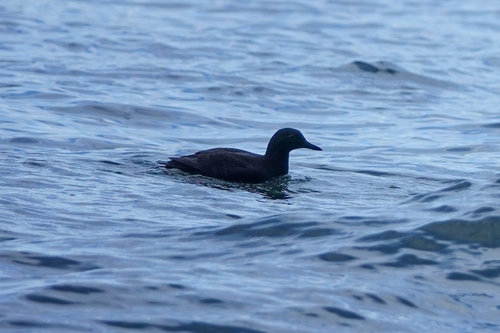
ウミバト (Cepphus columba) ウミバト

メディア

読み込み中…

要点

ロングビルド・マーレレットとウミバトの間で最も信頼できるフィールドマークは、ウミバトのすべての羽衣に見られる大胆で壊れた白い翼の斑点と暗いくさびの存在です。対してロングビルド・マーレレットの上翼は無地で暗いです。この違いは、飛行中や水面で特に明確で、幼鳥や非繁殖の鳥でも同様です。構造的には、ロングビルド・マーレレットは小さく、ずんぐりしており、より細く長いくちばしを持ち、ウミバトの明るい赤い足と足はありません。繁殖羽衣では、ロングビルド・マーレレットは茶色で鱗状で、淡い喉と白い目のリングを持ち、ウミバトは濃い茶色から黒で、目を引く白い翼の斑点があります。冬には、ロングビルド・マーレレットは下側が白く、黒い冠と背中を持ち、ウミバトの翼の斑点と赤い足が欠けています。

識別のコツ

  1. 白い翼の斑点(すべての年齢/季節): ウミバトは常に大胆な白い翼の斑点を持ち、暗いくさびが見え、飛行中や休息中に確認できます。ロングビルド・マーレレットはこれを示さず、上翼は無地の暗色です。
  2. 幼鳥/初冬の混乱: 幼鳥のウミバトでも白い翼の斑点が見られます(ただし小さい)、一方で幼鳥のマーレレットは無地の暗い翼を持っています。飛行中、これが最も早い区別です。
  3. 下翼の色: ウミバトはすべての羽衣で無地の暗い下翼を持っています。マーレレットの下翼は特に記述されていませんが、ウミバトの白い斑点はありません。
  4. くちばしの構造: ロングビルド・マーレレットはアメリカマダラウミスズメと比較して細長いくちばしを持っていますが、ウミバトも長い黒いくちばしを持っています。くちばしの形は、よく見ないと最良の区別にはなりません。翼のパターンに焦点を当ててください。
  5. 足と足の色: ウミバトはすべての羽衣で明るい赤い足と足を持ち、止まっているときや泳いでいるときに確認できます。ロングビルド・マーレレットの足は暗いです。
  6. 繁殖羽衣の体色: ロングビルド・マーレレットは茶色で、淡い羽の縁(鱗状)、淡い喉、白い目のリングがあります。ウミバトは均一に濃い茶色から黒で、光沢のある光沢があり、淡い喉や鱗状の外観はありません。
  7. 非繁殖羽衣: マーレレットは下側が白く、黒い冠、うなじ、背中を持ち、ウミバトの翼の斑点と赤い足が欠けています。ウミバトは下側が白く、上側が暗いですが、常に白い翼の斑点があります。
  8. 白い目のリング: ロングビルド・マーレレットは繁殖羽衣で特に白い目のリングを示します。ウミバトの目のリングは薄く白いですが、目立ちません。
  9. 淡い喉(繁殖): ロングビルド・マーレレットだけが繁殖羽衣で淡い喉を示します。ウミバトの喉は暗いです。
  10. 体の鱗状: マーレレットの繁殖羽衣は淡い羽の縁のために弱く鱗状です。ウミバトは滑らかで光沢があります。
  11. 飛行の印象: ウミバトは短く丸い翼とずんぐりした体を持っています。ロングビルド・マーレレットは小さく、ずんぐりしており、尖った翼を持っています。
  12. 歩行姿勢: ウミバトはしばしば陸や岩の上で直立して立っています。マーレレットは歩いているところはめったに見られません。
  13. 生息地の手がかり: ウミバトはほぼ常に沿岸に生息し、しばしば岩や港の近くにいます。マーレレットは沖合にいることもあり、漂流者として内陸の遠くに現れることもあります。
  14. 漂流: 海から遠く離れた場所や異常な場所で見つかった場合、漂流しやすいロングビルド・マーレレットを疑ってください。ウミバトはそうではありません。
  15. サイズの印象: ウミバトはマーレレットよりも明らかに大きく重いです。一緒に見た場合、サイズの違いは明確ですが、他のウミスズメとの重複が混乱を引き起こすことがあります。

大きさ

ロングビルド・マーレレットは小さく軽いです:約25 cmの長さで、アメリカマダラウミスズメよりも20%軽く、ウミバトよりも明らかに小さく、ウミバトは30〜37 cmの長さで、450〜550 gの重さです [wikipedia]。ウミバトは特に近距離で見た場合や並んで見た場合に、明らかにずんぐりしており、体が長いです。ロングビルド・マーレレットのくちばしの長さは長いですが、ウミバトのくちばしも長く黒いので、よく見ないと微妙です。ウミバトの足と足は明るい赤で、マーレレットにはないサイズと色の手がかりです。

羽色

行動

ウミバトは陸や岩の上でしっかりと歩いているのが見られる可能性が高く、しばしば直立して足の上で休んでいます。強力な泳ぎ手であり、両方の翼と足を使って潜水し、急速に離陸できますが、穏やかな水面では滑走路が必要な場合があります。ロングビルド・マーレレットはより秘密主義で、巣の場所を除いて陸上で見られることはまれで、歩いているところもあまり見られません。両種とも食物を求めて潜水しますが、ウミバトの行動は海岸線や岩の多い海岸近くでより目立ちます。

生息環境

ロングビルド・マーレレットは北太平洋の種で、通常は沖合や森林に覆われた海岸近くに見られますが、漂流しやすく、内陸の遠くや典型的な生息地から離れた場所に現れることがあります。ほとんどのウミスズメとは異なり、古い成長の森林の内陸で巣を作ります。ウミバトは沿岸性で、岩の多い海岸、島、海崖を好み、塩水から遠く離れて見られることはまれです。港や湾でも岸の近くで見られる可能性が高く、長距離の漂流にはなりません。

より良い説明を送る

比較と同じ項目を使ってください。文章はすぐに公開されます。

The most reliable field mark between Long-billed Murrelet and Pigeon Guillemot is the presence of a bold, broken white wing patch with a dark wedge in all plumages of Pigeon Guillemot, versus the plain, dark upperwing of Long-billed Murrelet. This difference is especially clear in flight or on the water, even for juveniles and non-breeding birds. Structurally, Long-billed Murrelet is smaller, chunkier, with a finer, longer bill and lacks the bright red legs and feet of Pigeon Guillemot. In breeding plumage, Long-billed Murrelet is brown and scaly with a pale throat and white eye ring, while Pigeon Guillemot is dark brown-black with a striking white wing patch. In winter, Long-billed Murrelet is white below with a black crown and back, lacking the guillemot's wing patch and red legs.

  1. White wing patch (all ages/seasons): Pigeon Guillemot always shows a bold white wing patch with a dark wedge, visible in flight and at rest. Long-billed Murrelet never shows this; its wings are plain dark above.
  2. Juvenile/First-winter confusion: Even juvenile guillemots have the white wing patch (though smaller), while juvenile murrelets have plain dark wings. In flight, this is the fastest separation.
  3. Underwing color: Pigeon Guillemot has plain, dark underwings in all plumages. Murrelet's underwings are not specifically described, but lack the guillemot's white patch.
  4. Bill structure: Long-billed Murrelet has a slender, longer bill compared to Marbled Murrelet, but Pigeon Guillemot also has a long black bill. Bill shape is not the best separator unless seen well; focus on wing pattern.
  5. Leg and foot color: Pigeon Guillemot has bright red legs and feet in all plumages, visible when perched or swimming. Long-billed Murrelet's legs are dark.
  6. Breeding plumage body color: Long-billed Murrelet is brown with pale feather edges (scaly), a pale throat, and a white eye ring. Pigeon Guillemot is uniformly dark brown-black with a glossy sheen and no pale throat or scaly look.
  7. Non-breeding plumage: Murrelet is white below with a black crown, nape, and back, lacking the guillemot's wing patch and red legs. Guillemot is white below and dark above, but always with the white wing patch.
  8. White eye ring: Long-billed Murrelet shows a white eye ring, especially in breeding plumage; guillemot's eye ring is thin and white but less conspicuous.
  9. Pale throat (breeding): Only Long-billed Murrelet shows a pale throat in breeding plumage; guillemot's throat is dark.
  10. Scaling on body: Murrelet's breeding plumage is weakly scaled due to pale feather edges; guillemot is smooth and glossy.
  11. Flight jizz: Pigeon Guillemot has shorter, rounder wings and a bulkier body; Long-billed Murrelet is smaller, chunkier, with pointed wings.
  12. Walking posture: Guillemot often stands upright on land or rocks; murrelet is rarely seen walking.
  13. Habitat clues: Guillemot is almost always coastal, often near rocks or harbors. Murrelet can be offshore or, as a vagrant, far inland.
  14. Vagrancy: If found far from the ocean or in unusual locations, suspect Long-billed Murrelet, which is prone to vagrancy; guillemot is not.
  15. Size impression: Guillemot is noticeably larger and heavier than murrelet. If seen together, size difference is clear, but overlap with other auks can cause confusion.

Long-billed Murrelet is smaller and lighter: about 25 cm long and 20% lighter than Marbled Murrelet, making it distinctly smaller than Pigeon Guillemot, which measures 30–37 cm and weighs 450–550 g [wikipedia]. The guillemot is noticeably bulkier and longer-bodied, especially at close range or when seen side-by-side. Bill length is longer in Long-billed Murrelet, but the guillemot's bill is also long and black, so this is subtle unless seen well. The guillemot's legs and feet are bright red, a size and color cue absent in murrelet.

  • Juvenile/First-winter/Non-breeding: Pigeon Guillemot of all ages shows a distinctive white wing patch broken by a dark wedge, visible in flight and at rest. Its underwings are plain and dark. Juvenile guillemots have brown-tipped underpart feathers (barring) and more brown on upperparts, but the wing patch is always present, though smaller. Long-billed Murrelet never shows a white wing patch; its upperwings are plain dark in all plumages. In non-breeding (winter), murrelet is white below with a black crown, nape, and back, and lacks the guillemot's white wing patch and red legs. Murrelet also lacks the white collar seen in Marbled Murrelet.

  • Breeding plumage: Long-billed Murrelet is mostly brown with pale feather edges (scaly look), a pale throat, and a white eye ring. Pigeon Guillemot is uniformly dark brown-black with a glossy sheen and the bold white wing patch with a dark wedge. The guillemot's legs and feet are red in all seasons, while murrelet's are dark.

  • Flight: The guillemot's white wing patch is diagnostic in all ages and seasons. Murrelet in flight shows plain dark wings, no white patch or wedge.

Pigeon Guillemot is more likely to be seen walking well on land or rocks, often upright and resting on its tarsi. It is a strong swimmer and diver, using both wings and feet, and can take off rapidly but may need a runway on calm water. Long-billed Murrelet is more secretive, rarely seen on land except at nest sites, and is less likely to be seen walking. Both species dive for food, but the guillemot's behavior is more conspicuous near shorelines and rocky coasts.

Long-billed Murrelet is a North Pacific species, usually found offshore or near forested coastlines, but is prone to vagrancy and can turn up far inland or away from typical habitat. It nests far inland in old-growth forests, unlike most auks. Pigeon Guillemot is coastal, favoring rocky shorelines, islands, and sea cliffs, and is rarely found far from saltwater. It is more likely to be seen close to shore, even in harbors and bays, and is not prone to long-distance vagrancy.

変更を破棄しますか?

保存していない編集があります。今離れると失われます。

マダラウミスズメ · ウミバト · 苦手な鳥