

Long-billed Murrelet vs Pigeon Guillemot
Brachyramphus perdix contro Cepphus columba
Fai un quiz con Long-billed Murrelet e Pigeon Guillemot
 Long-billed Murrelet
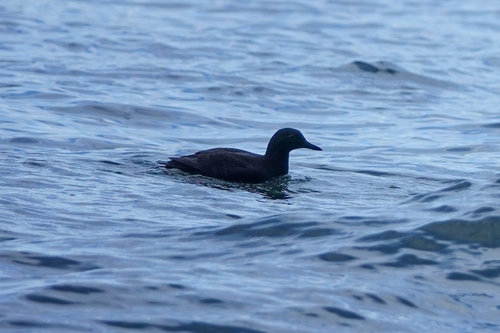 Pigeon Guillemot
In breve
Il segno distintivo più affidabile tra Long-billed Murrelet e Pigeon Guillemot è la presenza di una macchia bianca audace e spezzata sulle ali con un cuneo scuro in tutte le livree di Pigeon Guillemot, rispetto all'ala superiore semplice e scura di Long-billed Murrelet. Questa differenza è particolarmente chiara in volo o sull'acqua, anche per i giovani e gli uccelli non in riproduzione. Strutturalmente, Long-billed Murrelet è più piccolo, più tozzo, con un becco più fine e lungo e privo delle gambe e dei piedi rossi brillanti di Pigeon Guillemot. In livrea di riproduzione, Long-billed Murrelet è marrone e squamoso con una gola chiara e un anello oculare bianco, mentre Pigeon Guillemot è di un marrone scuro-nero con una macchia bianca sulle ali molto evidente. In inverno, Long-billed Murrelet è bianco sotto con una corona e un dorso neri, privo della macchia sulle ali del guillemot e delle gambe rosse.
Consigli di identificazione
- Macchia bianca sulle ali (tutte le età/stagioni): Pigeon Guillemot mostra sempre una macchia bianca audace sulle ali con un cuneo scuro, visibile in volo e a riposo. Long-billed Murrelet non mostra mai questo; le sue ali sono semplicemente scure sopra.
- Confusione giovanile/prima inverno: Anche i guillemot giovani hanno la macchia bianca sulle ali (anche se più piccola), mentre i murrelet giovani hanno ali scure semplici. In volo, questa è la separazione più rapida.
- Colore delle ali inferiori: Pigeon Guillemot ha ali inferiori scure e semplici in tutte le livree. Le ali inferiori del murrelet non sono specificamente descritte, ma mancano della macchia bianca del guillemot.
- Struttura del becco: Long-billed Murrelet ha un becco snello e più lungo rispetto a Marbled Murrelet, ma Pigeon Guillemot ha anche un becco lungo e nero. La forma del becco non è il miglior separatore a meno che non venga vista bene; concentrati sul modello delle ali.
- Colore delle gambe e dei piedi: Pigeon Guillemot ha gambe e piedi rossi brillanti in tutte le livree, visibili quando è posato o nuota. Le gambe di Long-billed Murrelet sono scure.
- Colore del corpo in livrea di riproduzione: Long-billed Murrelet è marrone con bordi delle piume chiari (squamoso), una gola chiara e un anello oculare bianco. Pigeon Guillemot è uniformemente marrone scuro-nero con una lucentezza brillante e senza gola chiara o aspetto squamoso.
- Livrea non riproduttiva: Il murrelet è bianco sotto con una corona, nuca e dorso neri, privo della macchia sulle ali del guillemot e delle gambe rosse. Il guillemot è bianco sotto e scuro sopra, ma sempre con la macchia bianca sulle ali.
- Anello oculare bianco: Long-billed Murrelet mostra un anello oculare bianco, specialmente in livrea di riproduzione; l'anello oculare del guillemot è sottile e bianco ma meno evidente.
- Gola chiara (riproduzione): Solo Long-billed Murrelet mostra una gola chiara in livrea di riproduzione; la gola del guillemot è scura.
- Squamatura sul corpo: La livrea di riproduzione del murrelet è debolmente squamosa a causa dei bordi delle piume chiari; il guillemot è liscio e lucido.
- Comportamento in volo: Pigeon Guillemot ha ali più corte e rotonde e un corpo più tozzo; Long-billed Murrelet è più piccolo, più tozzo, con ali appuntite.
- Postura di camminata: Il guillemot spesso sta in posizione eretta sulla terra o sulle rocce; il murrelet è raramente visto camminare.
- Indizi sull'habitat: Il guillemot è quasi sempre costiero, spesso vicino a rocce o porti. Il murrelet può essere al largo o, come un vagabondo, lontano nell'entroterra.
- Vagabondaggio: Se trovato lontano dall'oceano o in luoghi insoliti, sospetta Long-billed Murrelet, che è soggetto a vagabondaggio; il guillemot non lo è.
- Impressione di dimensione: Il guillemot è notevolmente più grande e più pesante del murrelet. Se visti insieme, la differenza di dimensione è chiara, ma l'overlap con altri auks può causare confusione.
Taglia
Long-billed Murrelet è più piccolo e più leggero: circa 25 cm di lunghezza e il 20% più leggero di Marbled Murrelet, rendendolo distintamente più piccolo di Pigeon Guillemot, che misura 30–37 cm e pesa 450–550 g [wikipedia]. Il guillemot è notevolmente più tozzo e lungo nel corpo, specialmente a distanza ravvicinata o quando visto fianco a fianco. La lunghezza del becco è più lunga in Long-billed Murrelet, ma il becco del guillemot è anche lungo e nero, quindi questo è sottile a meno che non venga visto bene. Le gambe e i piedi del guillemot sono rossi brillanti, un indizio di dimensione e colore assente nel murrelet.
Piumaggio
-
Giovanile/Prima-inverno/Non riproduttivo: Pigeon Guillemot di tutte le età mostra una distintiva macchia bianca sulle ali spezzata da un cuneo scuro, visibile in volo e a riposo. Le sue ali inferiori sono semplici e scure. I guillemot giovani hanno piume delle parti inferiori con punte marroni (barring) e più marrone sulle parti superiori, ma la macchia sulle ali è sempre presente, anche se più piccola. Long-billed Murrelet non mostra mai una macchia bianca sulle ali; le sue ali superiori sono semplicemente scure in tutte le livree. In non riproduzione (inverno), il murrelet è bianco sotto con una corona, nuca e dorso neri, e manca della macchia bianca sulle ali del guillemot e delle gambe rosse. Il murrelet manca anche del collare bianco visto in Marbled Murrelet.
-
Livrea di riproduzione: Long-billed Murrelet è per lo più marrone con bordi delle piume chiari (aspetto squamoso), una gola chiara e un anello oculare bianco. Pigeon Guillemot è uniformemente marrone scuro-nero con una lucentezza brillante e la macchia bianca audace sulle ali con un cuneo scuro. Le gambe e i piedi del guillemot sono rossi in tutte le stagioni, mentre quelli del murrelet sono scuri.
-
Volo: La macchia bianca sulle ali del guillemot è diagnostica in tutte le età e stagioni. Il murrelet in volo mostra ali scure semplici, senza macchia o cuneo bianco.
Comportamento
Pigeon Guillemot è più probabile che venga visto camminare bene sulla terra o sulle rocce, spesso in posizione eretta e riposando sui suoi tarsi. È un forte nuotatore e subacqueo, utilizzando sia le ali che i piedi, e può decollare rapidamente ma potrebbe aver bisogno di una pista su acqua calma. Long-billed Murrelet è più riservato, raramente visto sulla terra tranne che nei siti di nidificazione, e è meno probabile che venga visto camminare. Entrambe le specie si tuffano per cercare cibo, ma il comportamento del guillemot è più evidente vicino alle coste e alle coste rocciose.
Habitat
Long-billed Murrelet è una specie del Nord Pacifico, solitamente trovata al largo o vicino a coste boscose, ma è soggetta a vagabondaggio e può apparire lontano nell'entroterra o lontano dall'habitat tipico. Nidifica lontano nell'entroterra in foreste di vecchia crescita, a differenza della maggior parte degli auks. Pigeon Guillemot è costiero, preferendo coste rocciose, isole e scogliere marine, ed è raramente trovato lontano dall'acqua salata. È più probabile che venga visto vicino alla costa, anche in porti e baie, e non è soggetto a vagabondaggio a lungo raggio.
Long-billed Murrelet · Pigeon Guillemot · I miei uccelli difficili