

Motmot

ハシナガユミハチドリ 対 シマノドユミハチドリ

Phaethornis longirostris 対 Phaethornis striigularis

ハシナガユミハチドリとシマノドユミハチドリのクイズ
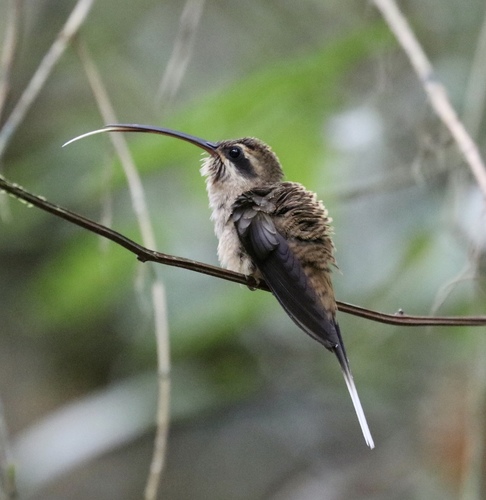
ハシナガユミハチドリ (Phaethornis longirostris) ハシナガユミハチドリ
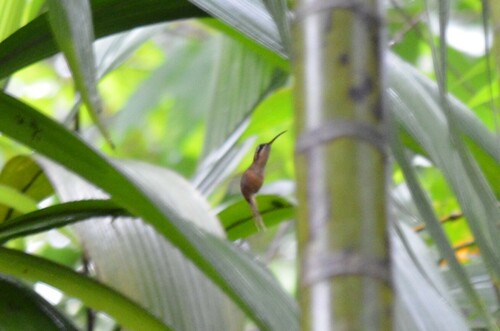
シマノドユミハチドリ (Phaethornis striigularis) シマノドユミハチドリ

メディア

読み込み中…

要点

ハシナガユミハチドリとシマノドユミハチドリを区別する最も信頼できる方法は、サイズとくちばしの構造によるものです:ハシナガユミハチドリははるかに大きく、特にオスでは目立って長く、強く下向きに曲がったくちばしを持っています。シマノドユミハチドリは小さくてコンパクトで、はるかに短いくちばしと特徴的な淡い赤褐色の尾羽を持っています。両種は全体的に似たようなユミハチドリのパターンを持っていますが、シマノドユミハチドリはわずかに縞模様のある喉と、より明白な淡い眉斑と頬斑を示します。一方、ハシナガユミハチドリはよりシンプルな喉と長い中央尾羽を持っています。幼鳥のシマノドユミハチドリは特に上面が赤褐色で、これはハシナガユミハチドリでは見られません。声、 habitat、行動も役立ちますが、サイズとくちばしの形状が現場で最も決定的です。

識別のコツ

  1. Size is the fastest check: ハシナガユミハチドリはシマノドユミハチドリよりもはるかに大きく、長いです。もし鳥が小さく、コンパクトで、繊細に見えるなら、シマノドを疑ってください。もし細長く、特に尾とくちばしが長いように見えるなら、ハシナガを疑ってください。
  2. Bill shape and length: ハシナガユミハチドリは非常に長く、強く下向きに曲がったくちばしを持っており、特にオスで顕著です。シマノドユミハチドリははるかに短く、曲がりが少ないくちばしを持っています。ハシナガの雌はオスよりも短いがより曲がったくちばしを持っていますが、それでもシマノドよりは長いです。
  3. Juvenile upperparts: 幼鳥のシマノドユミハチドリは淡い赤褐色の背中を持っており、これはハシナガユミハチドリのどの年齢でも見られません。これは未熟な個体の重要な特徴です。
  4. Central tail feathers: ハシナガユミハチドリは非常に長い中央尾羽を持ち、目立つ白い先端があります。シマノドユミハチドリは短い尾を持ち、中央の羽と先端が白っぽいから黄土色ですが、長さや目立ち度では劣ります。
  5. Face pattern: シマノドユミハチドリは強い黒っぽいマスクを示し、その上に淡い眉斑があり、下には淡い頬斑があります。ハシナガユミハチドリは対照的な顔を持ち、はっきりしたマスクや縞模様がありません。
  6. Throat pattern: シマノドユミハチドリは淡い灰褐色の喉を持ち、細かい暗い縞模様があります(時には薄いこともあります)。ハシナガユミハチドリは縞模様のないシンプルな喉を持っています。
  7. Rump color: シマノドユミハチドリは淡い赤褐色の尾羽を持っており、後ろからの迅速なフィールドマークになります。ハシナガユミハチドリにはこの特徴がありません。
  8. Uppertail coverts: ハシナガユミハチドリは上尾羽の覆い羽に暗い黄土色の帯を示し、シマノドにはありません。
  9. Underparts color: ハシナガユミハチドリは茶色から灰色の腹部を持ち、シマノドユミハチドリは淡い腹部と淡い側面を示します。
  10. Bill color: シマノドユミハチドリは下くちばしの基部が黄色で、残りのくちばしは黒です。ハシナガユミハチドリのくちばしは全て暗いです。
  11. Sex differences: ハシナガユミハチドリはくちばしの長さと曲がりに性差を示しますが、シマノドユミハチドリの性別はほぼ同じです。
  12. Vocalizations: 歌っているのが聞こえた場合、ハシナガユミハチドリは上向きにスラードした、鋭い「スウィープ」音やスズメのようなチップ音を出します(亜種によって異なります)。シマノドユミハチドリは高音で、キュッキュッとした単調な歌を歌います。呼び声はあまり信頼できませんが、識別をサポートすることができます。
  13. Behavior at leks: ハシナガユミハチドリのオスはより大きな共同レックに集まり、尾を振ってディスプレイします。シマノドユミハチドリはレック以外ではより孤独です。
  14. Habitat overlap: 両方が湿った森林の下層とエッジに生息し、両方が可能な場所では生息地だけに頼らないでください。
  15. Pitfalls: 幼いシマノドユミハチドリは喉が鈍く見え、縞模様が少ないことがありますが、赤褐色の背中は依然として診断的です。雌のハシナガユミハチドリはより曲がったくちばしを持つことがありますが、それでもシマノドよりは長いです。光が悪い場合、サイズとくちばしの形状が最も信頼できるチェックになります。

大きさ

ハシナガユミハチドリははるかに大きく、長さは13〜16 cm、性別によって重さは4〜7.5 gです。シマノドユミハチドリは最小のユミハチドリの一つで、わずか9〜10 cm、2〜3 gです。サイズの違いは、並べて見たり経験を積んだりすると際立ちます。ハシナガユミハチドリは細長く見え、シマノドユミハチドリはコンパクトで繊細に見えます。

羽色

幼鳥のシマノドユミハチドリは完全に淡い赤褐色の背中を持っており、これはハシナガユミハチドリのどの年齢でも見られません。成鳥では、シマノドユミハチドリは鈍い虹色の緑色の上面、淡い赤褐色の尾羽、淡い側面、細かい暗い縞模様のある淡い灰褐色の喉を示します(これらの縞模様は薄くて見えにくいことがあります)。その顔は強い黒っぽいマスクで、白っぽい黄土色の眉斑と頬斑に囲まれています。尾は黒っぽく、白から黄土色の先端があります。ハシナガユミハチドリの成鳥は緑がかった茶色の上面、茶色から灰色の腹部、暗い黄土色の帯のある上尾羽の覆い羽を持っています。中央尾羽ははるかに長く、長い白い先端があります。喉はシンプルで、シマノドユミハチドリの細かい縞模様がありません。ハシナガユミハチドリの亜種間には微妙な変異がありますが、シマノドユミハチドリの赤褐色や縞模様の特徴とは重なりません。

行動

両種はトラップラインの餌を食べるもので、花を訪れて蜜を吸うために回路を移動し、両方のオスがレックでディスプレイします。ハシナガユミハチドリのオスは共同レッキングで目立ち、何時間も歌いながら長い尾を振ります。シマノドユミハチドリはレック以外ではより孤独で、動きがさらに繊細で素早く見えます。両方とも植物繊維やクモの糸から吊るし巣を作りますが、巣の構造は信頼できるフィールドマークではありません。

生息環境

両種は湿った森林の下層とエッジに生息し、しばしば中央アメリカや南アメリカ北西部で重なります。ハシナガユミハチドリはメキシコからペルーまで分布し、地域によっては海面から2,500 mまで生息し、ギャラリーや雲霧林を含むより広範な森林タイプで見られます。シマノドユミハチドリは一般的に同様の生息地で見られますが、低地や丘陵の森林により厳密に関連しており、ハシナガユミハチドリほど北や南には見られません。両方が生息する場所では生息地だけに頼ることはできません。

声

ハシナガユミハチドリの北部亜種は、単独の鋭い上向きにスラードした「スウィープ」音の連続を歌い、鋭く爆発的な「ウィーク!」という呼び声を出します。南部亜種(baroni)は、スズメのような「チーチー..チーチー..チーチー..」という音と細い「シープ」という呼び声を出します。シマノドユミハチドリは高音で、キュッキュッとした単調な歌を歌い、地域によって異なりますが、一般的にはハシナガユミハチドリよりも鋭さが少なく、よりキュッキュッとした音です。呼び声は常に診断的ではありませんが、全体的な印象は、ハシナガユミハチドリがより鋭く、より鋭い音を出し、シマノドユミハチドリがより高く、よりキュッキュッとした音を出すというものです。

より良い説明を送る

比較と同じ項目を使ってください。文章はすぐに公開されます。

The most reliable way to separate Long-billed Hermit from Stripe-throated Hermit is by size and bill structure: Long-billed Hermit is much larger and has a noticeably longer, more strongly decurved bill, especially in males. Stripe-throated Hermit is small and compact, with a much shorter bill and a distinctive pale rufous rump. Both species have similar overall hermit patterns, but Stripe-throated Hermit shows a faintly streaked throat and a more obvious pale supercilium and malar stripe, while Long-billed Hermit has a plainer throat and longer central tail feathers. Juvenile Stripe-throated Hermits are especially rufous above, which is never matched by Long-billed. Voice, habitat, and behavior can help, but size and bill shape are the most decisive in the field.

  1. Size is the fastest check: Long-billed Hermit is much larger and longer than Stripe-throated Hermit. If the bird looks small, compact, and delicate, suspect Stripe-throated. If it looks lanky and elongated, especially in the tail and bill, suspect Long-billed.
  2. Bill shape and length: Long-billed Hermit has a very long, strongly decurved bill, especially in males. Stripe-throated Hermit has a much shorter, less dramatically curved bill. Females of Long-billed have a shorter but more curved bill than males, but still longer than Stripe-throated.
  3. Juvenile upperparts: Juvenile Stripe-throated Hermits have a pale rufous back, which is never seen in Long-billed Hermit of any age. This is a key mark for immatures.
  4. Central tail feathers: Long-billed Hermit has very long central tail feathers with prominent white tips, often extending well beyond the rest of the tail. Stripe-throated Hermit has a shorter tail with less pronounced central feathers and tips that are whitish to ochraceous but not as long or striking.
  5. Face pattern: Stripe-throated Hermit shows a strong blackish mask, bordered by a pale supercilium above and a pale malar stripe below. Long-billed Hermit has a less contrasting face, lacking the sharply defined mask and stripes.
  6. Throat pattern: Stripe-throated Hermit has a pale greyish-brown throat with fine dark streaks (though sometimes faint). Long-billed Hermit has a plain throat without streaks.
  7. Rump color: Stripe-throated Hermit has a pale rufous rump, which can be a quick field mark from behind. Long-billed Hermit lacks this feature.
  8. Uppertail coverts: Long-billed Hermit shows dark and ochre bands on the uppertail coverts, which Stripe-throated lacks.
  9. Underparts color: Long-billed Hermit has brownish to grayish underparts, while Stripe-throated Hermit shows buff flanks and a paler belly.
  10. Bill color: Stripe-throated Hermit has a yellow basal half to the lower mandible, with the rest of the bill black. Long-billed Hermit's bill is all dark.
  11. Sex differences: Long-billed Hermit shows sexual dimorphism in bill length and curvature; Stripe-throated Hermit sexes are virtually identical.
  12. Vocalizations: If heard singing, Long-billed Hermit gives upslurred, piercing 'sweeup' notes or sparrow-like chips (depending on subspecies); Stripe-throated Hermit gives a high-pitched, squeaky, monotonous song. Calls are less reliable but can support identification.
  13. Behavior at leks: Long-billed Hermit males gather in larger communal leks and display with tail-wiggling. Stripe-throated Hermit is more solitary outside of lekking.
  14. Habitat overlap: Both occur in humid forest understory and edges; do not rely on habitat alone where both are possible.
  15. Pitfalls: Immature Stripe-throated Hermits may appear duller and less streaked on the throat, but the rufous back is still diagnostic. Female Long-billed Hermits can have a more curved bill, but still longer than any Stripe-throated. In poor light, size and bill shape remain the most reliable checks.

Long-billed Hermit is significantly larger, measuring 13–16 cm in length and weighing 4–7.5 g depending on sex. Stripe-throated Hermit is among the smallest hermits, at just 9–10 cm and 2–3 g. The size difference is striking when seen side-by-side or with experience; Long-billed Hermit appears lanky and elongated, while Stripe-throated Hermit is compact and delicate.

Juvenile Stripe-throated Hermits have an entirely pale rufous back, which is never seen in Long-billed Hermit of any age. In adults, Stripe-throated Hermit shows dull iridescent green upperparts, a pale rufous rump, buff flanks, and a pale greyish-brown throat with fine dark streaks (though these streaks can be faint and hard to see). Its face is marked by a strong blackish mask bordered by a whitish-buff supercilium and malar stripe. The tail is blackish with whitish to ochraceous tips. Long-billed Hermit adults have greenish-brown upperparts, brownish to grayish underparts, and uppertail coverts with dark and ochre bands. The central tail feathers are much longer and have long white tips. The throat is plain, lacking the fine streaks of Stripe-throated. Subtle variation exists among Long-billed Hermit subspecies but does not overlap with the rufous or streaked features of Stripe-throated.

Both species are trap-line feeders, moving through circuits to visit flowers for nectar, and both males display at leks. Long-billed Hermit males are notable for their communal lekking, where they sing and wiggle their long tails for hours. Stripe-throated Hermit is more solitary outside of lekking and appears even more delicate and quick in its movements. Both build hanging nests from plant fibers and spider silk, but nest structure is not a reliable field mark.

Both species inhabit the understory and edges of humid forests and second growth, often overlapping in Central America and northwestern South America. Long-billed Hermit ranges from Mexico to Peru, occurring from sea level up to 2,500 m depending on region, and is found in a wider range of forest types, including gallery and cloud forest. Stripe-throated Hermit is generally common in similar habitats but is more strictly associated with lowland and foothill forests, and is not found as far north or south as Long-billed Hermit. Habitat alone is not reliable for separation where both occur.

Long-billed Hermit northern subspecies sing a continuous series of single, piercing, upslurred 'sweeup' notes, with a sharp, explosive 'week!' call, often in flight. The southern subspecies (baroni) gives a series of sparrow-like 'tchee..tchee..tchee..' notes and a thin 'seep' call. Stripe-throated Hermit sings a high-pitched, squeaky, monotonous song that varies by region but is generally less piercing and more squeaky than Long-billed Hermit's. Calls are not always diagnostic, but the overall impression is that Long-billed Hermit is sharper and more piercing, while Stripe-throated is higher and squeakier.

変更を破棄しますか?

保存していない編集があります。今離れると失われます。

ハシナガユミハチドリ · シマノドユミハチドリ · 苦手な鳥