

Motmot

ヒメオオモズ 対 シロクロモズ

Lanius minor 対 Lanius nubicus

ヒメオオモズとシロクロモズのクイズ
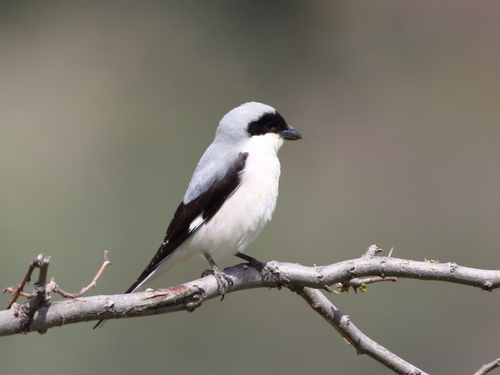
ヒメオオモズ (Lanius minor) ヒメオオモズ
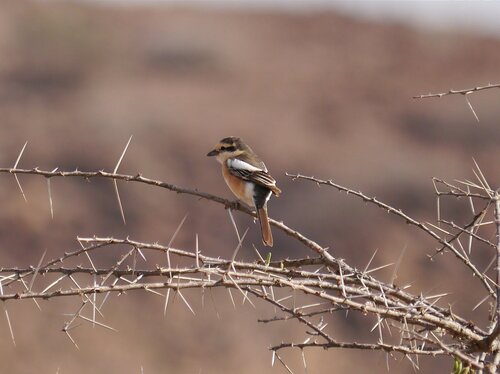
シロクロモズ (Lanius nubicus) シロクロモズ

メディア

読み込み中…

要点

ヒメオオモズとシロクロモズの間で最も信頼できるフィールドマークは、成鳥の頭の模様です:ヒメオオモズは暗い(黒または濃い灰色の)冠とうなじを持ち、淡い青灰色の背中があります。一方、シロクロモズは、黒い上面と対照的な目を引く白い冠、額、眉斑を示します。幼鳥はより難しいですが、シロクロモズの幼鳥は顔が淡く、上部と下部により広範な縞模様があり、尾が長いです。ヒメオオモズは明らかにずっしりとして重く、より頑丈な印象を持ち、開けた場所に止まる傾向がありますが、シロクロモズは小さく、より細身で、しばしばあまり露出しない止まり木に留まります。両者は翼に白を示すことがありますが、模様と文脈は異なります。

識別のコツ

  1. Head pattern in adults: ヒメオオモズは黒(オス)または濃い灰色(メス)の冠とうなじを持ち、淡い青灰色の背中があります。シロクロモズは白い冠、額、眉斑を示し、黒い上面と鋭く対照的です。これは成鳥において最も信頼できるマークです。
  2. Juvenile plumage: シロクロモズの幼鳥は顔が淡く、上部と下部により広範な縞模様があり、ヒメオオモズの幼鳥よりも尾が長いです。ヒメオオモズの幼鳥は全体的に茶色で、淡い縞模様があり、灰色の背中とうなじがありません。
  3. Wing pattern in flight (juveniles): シロクロモズの幼鳥は初列風切羽に目立つ白い斑点を示しますが、ヒメオオモズの幼鳥はコントラストが少なく、強い白い初列風切羽の斑点がありません。
  4. Size and structure: ヒメオオモズはずっとずっしりとして重く、より頑丈なくちばしと力強い外見を持っています。シロクロモズは小さく、細身で、尾が長く、比較的小さくて細いくちばしを持っています。
  5. Tail: シロクロモズの尾は体に対して長く、外側の尾羽は白です。ヒメオオモズの尾は短くて幅広く、より均一な黒と白の模様があります。
  6. Bill: ヒメオオモズは大きなモズに典型的なくちばしが太く、より強力です。シロクロモズのくちばしはより細く、特徴的なトミアル歯と三角形の隆起がありますが、この詳細はフィールドでは見えにくいです。
  7. Underparts: ヒメオオモズの成鳥は白い腹部を持ち、下胸と腹部にピンクがかっています(特にオス)。シロクロモズの成鳥は白い腹部を持ち、オレンジ色の側面と胸を持ち、色の明確な斑点のように見えることがあります。
  8. Back and rump: ヒメオオモズの成鳥は淡い青灰色の背中とうなじを持ち、シロクロモズの成鳥は暗いうなじと黒い上面を持ち、白は頭と翼の斑点に限られています。
  9. Perching behavior: ヒメオオモズはワイヤーや露出した枝にオープンに止まりますが、シロクロモズは茂みや木の中のあまり露出しない止まり木を好みます。
  10. Habitat: 開けた国、特に乾燥した低地ではヒメオオモズがより可能性が高いです。開けた森林で散在する木や茂みがある場所では、特にモズがあまり目立たないところではシロクロモズが好まれます。
  11. Flight style: ヒメオオモズの飛行は低く、波打つようで、時折滑空し、止まり木に向かって上昇します。シロクロモズの飛行はあまり記述されていませんが、一般的により繊細で、その体型に合っています。
  12. Sex differences: メスのヒメオオモズは鈍く、暗い灰色の頭と茶色がかった灰色の上面を持っています。メスのシロクロモズは上面がより茶色で、白い部分にはコントラストが少なく、バフまたは灰色の色合いがあります。
  13. Vocalizations: 聞こえた場合、シロクロモズの歌はよりメロディックでウグイスのようですが、ヒメオオモズの鳴き声はより厳しく、モズに典型的です。
  14. Exposure: 鳥が非常に目立ち、攻撃的である場合、特に開けた国ではヒメオオモズを疑います。もしそれがより控えめで隠れた場所にいる場合は、シロクロモズを疑います。
  15. Season and location: 両者は渡り鳥ですが、シロクロモズは南東ヨーロッパと東地中海でより可能性が高く、ヒメオオモズは中央および東ヨーロッパと西アジアでより広範囲に分布しています。両者は他の場所では珍しい迷鳥です。

大きさ

ヒメオオモズはシロクロモズよりもかなり大きく重い(体重約46g)です。ヒメオオモズは約20cmの長さで、13cmの翼を持ち、シロクロモズは17〜18.5cmの長さで、24〜26.5cmの翼幅を持っています。直接比較すると違いは明らかです:ヒメオオモズはずっしりとして力強く、より太いくちばしを持ち、シロクロモズは特に細身で、尾が長く、モズにしては細いくちばしを持っています。

羽色

行動

ヒメオオモズはしばしばワイヤーや露出した枝に目立つように止まり、獲物を探し、低く波打つような飛行をし、時折滑空します。大胆で攻撃的であり、頻繁に尾を扇いだり、ひらひらさせたりします。シロクロモズはより秘密主義で、開けた森林や茂みの中のあまり露出しない場所に止まることを好み、一般的に目立ちません。その行動はより繊細で、より小さく細身の体型に合っています。

生息環境

ヒメオオモズは乾燥した開けた低地を好み、しばしば電話線や開けた国の目立つ止まり木に見られます。シロクロモズは茂みやいくつかの大きな木のある開けた森林を好み、非常に開けた生息地を避け、しばしば葉の中であまり目立たないままです。彼らの分布は南東ヨーロッパで重なりますが、シロクロモズは散在する木とより密な覆いのある生息地により結びついています。

声

シロクロモズの鳴き声は短くて耳障りですが、その歌はよりメロディックでウグイスのようです。ヒメオオモズの鳴き声はここでは詳細に記述されていませんが、一般的にシロクロモズよりも厳しく、音楽的ではありません。実際には、シロクロモズの歌は他のモズよりもウグイスと混同される可能性が高いです。

より良い説明を送る

比較と同じ項目を使ってください。文章はすぐに公開されます。

The most reliable field mark between Lesser Grey Shrike and Masked Shrike is the head pattern in adults: Lesser Grey Shrike has a dark (black or dark grey) crown and nape with a pale bluish-grey back, while Masked Shrike shows a striking white crown, forehead, and supercilium contrasting with black upperparts. Juveniles are trickier, but Masked Shrike juveniles have a paler face and more extensive barring above and below, plus a longer tail. Lesser Grey Shrike is noticeably bulkier and heavier, with a more robust jizz and a tendency to perch in the open, while Masked Shrike is smaller, more slender, and often keeps to less exposed perches. Both can show white in the wings, but the pattern and context differ.

  1. Head pattern in adults: Lesser Grey Shrike has a black (male) or dark grey (female) crown and nape, with a pale bluish-grey back. Masked Shrike shows a white crown, forehead, and supercilium, sharply contrasting with black upperparts. This is the single most reliable mark in adults.
  2. Juvenile plumage: Masked Shrike juveniles have a paler face, more extensive barring above and below, and a longer tail than Lesser Grey Shrike juveniles, which are browner overall with faint barring and lack the grey back and rump.
  3. Wing pattern in flight (juveniles): Masked Shrike juveniles show a prominent white patch on the primaries, while Lesser Grey Shrike juveniles have less contrast and lack a strong white primary patch.
  4. Size and structure: Lesser Grey Shrike is much bulkier and heavier, with a stouter bill and a more robust, powerful appearance. Masked Shrike is smaller, slender, and long-tailed, with a relatively small, fine bill.
  5. Tail: Masked Shrike's tail is longer in proportion to its body, and the outer tail feathers are white. Lesser Grey Shrike's tail is shorter and broader, with a more even black-and-white pattern.
  6. Bill: Lesser Grey Shrike has a thicker, more powerful bill typical of large shrikes. Masked Shrike's bill is finer, with a distinctive tomial tooth and a triangular ridge, but this detail is hard to see in the field.
  7. Underparts: Lesser Grey Shrike adults have white underparts with a pinkish flush on the lower breast and belly (especially males). Masked Shrike adults have white underparts with orange flanks and breast, which can appear as a distinct patch of color.
  8. Back and rump: Lesser Grey Shrike adults have a pale bluish-grey back and rump; Masked Shrike adults have a dark rump and black upperparts, with white confined to the head and wing patches.
  9. Perching behavior: Lesser Grey Shrike perches openly on wires or exposed branches; Masked Shrike prefers less exposed perches within bushes or trees.
  10. Habitat: In open country, especially in drier lowlands, Lesser Grey Shrike is more likely. In open woodland with scattered trees and bushes, especially where shrikes are less conspicuous, Masked Shrike is favored.
  11. Flight style: Lesser Grey Shrike's flight is low and undulating, with occasional glides and upward swoops to perches. Masked Shrike's flight is less described but is generally more delicate, matching its build.
  12. Sex differences: Female Lesser Grey Shrike is duller, with a dark grey head and brownish-grey upperparts; female Masked Shrike is browner above, with less contrast and a buff or grey tinge to the white areas.
  13. Vocalizations: If heard, Masked Shrike's song is more melodic and warbler-like, while Lesser Grey Shrike's calls are harsher and more typical of shrikes.
  14. Exposure: If the bird is very conspicuous and aggressive, especially in open country, suspect Lesser Grey Shrike. If it is more retiring and keeps to cover, suspect Masked Shrike.
  15. Season and location: Both are migrants, but Masked Shrike is more likely in southeastern Europe and the eastern Mediterranean, while Lesser Grey Shrike is more widespread in central and eastern Europe and western Asia. Both are rare vagrants elsewhere.

Lesser Grey Shrike is significantly larger and heavier (body mass ~46 g) than Masked Shrike (~25 g). Lesser Grey Shrike measures about 20 cm in length with a 13 cm wing, while Masked Shrike is 17–18.5 cm long with a 24–26.5 cm wingspan. The difference is obvious in direct comparison: Lesser Grey Shrike appears bulkier and more powerful, with a stouter bill, whereas Masked Shrike is notably slender, long-tailed, and fine-billed for a shrike.

  • Juveniles: Lesser Grey Shrike juveniles are overall more brown, with pale brown and faintly barred upperparts, lacking the adult's grey back and rump. Underparts are white and cream, without pink. Masked Shrike juveniles have grey-brown upperparts with darker barring from head to rump, a paler grey forehead, and barred off-white underparts. Their brown wings show white primary patches. Masked Shrike juveniles also have a longer tail and paler face than Lesser Grey Shrike juveniles.

  • Adult males: Lesser Grey Shrike males have a black nape, cheeks, ear and eye coverts, and front crown, with a pale bluish-grey back and rump, white underparts with pinkish lower breast and belly, and a black-and-white tail. Masked Shrike males have mainly black upperparts, but with a bold white crown, forehead, and supercilium, large white patches on shoulders and primaries, and white underparts with orange flanks and breast. The tail is long with white outer feathers.

  • Adult females: Both species' females are duller than males. Lesser Grey Shrike females have a dark grey head, brownish-black ear coverts, brownish-grey upperparts, and less pink below. Masked Shrike females are browner above, with a grey or buff tinge to shoulder patches and underparts.

  • In flight: Both species show white in the wings, but Masked Shrike's white primary patch is more prominent, especially in juveniles. Lesser Grey Shrike has a white base to the primaries and a more uniform pale grey back in adults.

Lesser Grey Shrike often perches conspicuously on wires or exposed branches, scanning for prey, and has a low, undulating flight with occasional glides. It is bold and aggressive, frequently fanning and flicking its tail. Masked Shrike is more secretive, preferring to perch in less exposed spots within open woodland or among bushes, and is generally less conspicuous. Its behavior is more delicate, matching its smaller, slender build.

Lesser Grey Shrike favors dry, open lowlands and is often seen on telephone wires or prominent perches in open country. Masked Shrike prefers open woodland with bushes and some large trees, avoiding very open habitats and often remaining less visible within foliage. Their ranges overlap in southeastern Europe, but Masked Shrike is more tied to habitats with scattered trees and denser cover.

Masked Shrike's calls are short and grating, but its song is more melodic and warbler-like. Lesser Grey Shrike's vocalizations are not described in detail here, but are generally harsher and less musical than Masked Shrike. In practice, Masked Shrike's song is more likely to be confused with a warbler than with another shrike.

変更を破棄しますか?

保存していない編集があります。今離れると失われます。

ヒメオオモズ · シロクロモズ · 苦手な鳥