

Motmot

コグンカンドリ 対 オオグンカンドリ

Fregata ariel 対 Fregata minor

コグンカンドリとオオグンカンドリのクイズ
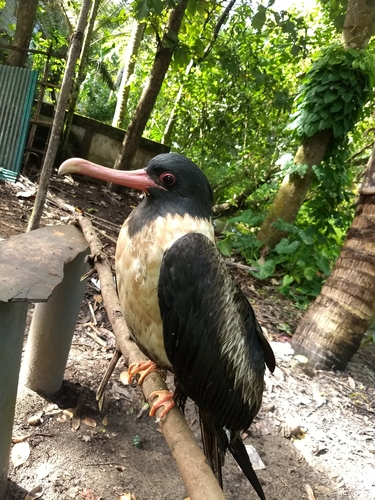
コグンカンドリ (Fregata ariel) コグンカンドリ
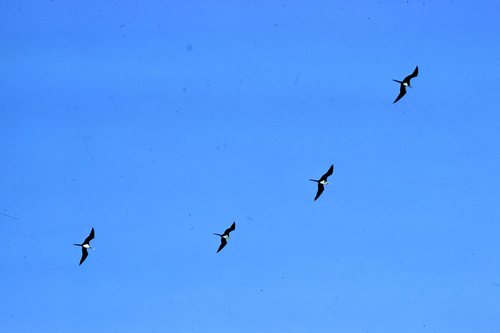
オオグンカンドリ (Fregata minor) オオグンカンドリ

メディア

読み込み中…

要点

コグンカンドリとオオグンカンドリの最も信頼できるフィールドマークはサイズです:コグンカンドリは明らかに小さく、軽量で、翼幅と体長が顕著に短いです。幼鳥と雌の場合は、腹部の白色の広がりと形状、白い「スパー」または脇のパッチの存在を確認してください—コグンカンドリでは特徴的ですが、オオグンカンドリでは欠如しているか、あまり目立ちません。飛行中、コグンカンドリはしばしばよりコンパクトで敏捷に見え、相対的に短く、深く分かれた尾を持っています。両種は、膨らんだ赤い喉の袋を持つ全黒の成鳥オスを示しますので、特に非成鳥羽毛の鳥において、構造的および翼の下の違いに焦点を当ててください。幼鳥と雌では間違いがよく起こるので、翼の下のパターンと全体的なサイズを優先してください。

識別のコツ

  1. サイズが最初のチェック:オオグンカンドリははるかに大きく、がっしりしており、翼幅と体が長いですが、直接比較なしの孤立した鳥には注意してください。
  2. 白い翼の下のスパー(脇のパッチ):コグンカンドリの成鳥オスを除くすべての年齢に存在します;オオグンカンドリでは欠如しているか、はるかに目立たないです。特に幼鳥と雌の飛行中にこれを探してください。
  3. 幼鳥の頭と喉:オオグンカンドリの幼鳥は、赤茶色がかった白い顔、頭、喉を持ち、コグンカンドリの鋭い白い翼の下のスパーが欠如しています。
  4. 成鳥オスの羽毛:両者は主に黒で赤い喉の袋を持っています;オオグンカンドリは肩羽に緑の虹色を示すことがあります(遠くからは見えにくい)。これだけに頼らないでください。
  5. 成鳥雌の顔と胸:コグンカンドリの雌は狭い赤い目の輪と鋭く定義された白い襟と胸を持っています;オオグンカンドリの雌も赤い目の輪を持っていますが、白はあまり鋭く定義されていません。
  6. 飛行中の尾の形:両者は深く分かれた尾を持っていますが、コグンカンドリの尾は相対的に短く、その小さなサイズのために「ハサミ状」に見えることがあります。
  7. ジズ/飛行スタイル:コグンカンドリはよりコンパクトで敏捷に見え、オオグンカンドリはより緩慢で広い翼を持っています。両者に経験がない限り、注意して使用してください。
  8. くちばしと頭の比率:フィールドでは信頼できる違いはありません;両者は長く、フック状のくちばしを持っています。
  9. 生息地の文脈:両者が生息する場所では診断的ではありませんが、オオグンカンドリは大きな繁殖コロニーで見られる可能性が高いです。
  10. 行動:両者は滑空し、めったに着陸しません;行動の違いはフィールドでの分離には信頼できません。
  11. 鳴き声:フィールドでの分離には役立ちません;両者はコロニーから離れるとほとんど静かです。
  12. 性的二形性:両種は赤い喉の袋を持つオスと白い腹部を持つ雌を示しますので、常に翼の下のスパーと全体的なサイズを確認してください。
  13. 直接比較:両種が存在する場合、オオグンカンドリはコグンカンドリの上にそびえ立ち、はるかに頑丈に見えます。
  14. 幼鳥の混乱:ほとんどのクイズエラーは幼鳥で発生します—常に白い翼の下のスパー(コグンカンドリ)と頭/喉の白の広がり(オオグンカンドリ)を確認してください。

大きさ

コグンカンドリは最小のグンカンドリです:体重は平均約806gで、オスは625–875g、雌は760–955gです。オオグンカンドリははるかに大きく、オスは1,000–1,450g、雌は1,215–1,590gです。コグンカンドリは66–81cm(26–32インチ)で、翼幅は155–193cm(61–76インチ)です;オオグンカンドリは85–105cm(33–41インチ)で、翼幅は205–230cm(81–91インチ)です。フィールドでは、オオグンカンドリは直接比較でよりがっしりしており、翼が長く、より威圧的に見えます。

羽色

幼鳥と未熟な鳥は最も難しいです。コグンカンドリ(すべての年齢)は、翼の下に延びる診断的な白いスパーまたはパッチを示します—これは特に飛行中に役立ち、オオグンカンドリでは欠如しているか、はるかに目立ちません。幼鳥のオオグンカンドリは赤茶色がかった白い顔、頭、喉を持っていますが、コグンカンドリの鋭い白い翼の下のスパーが欠如しています。両者の成鳥オスは主に黒で赤い喉の袋を持っていますが、オオグンカンドリのオスは肩羽に緑がかった虹色を持っています(遠くからは見えにくいことが多いです)。両者の成鳥雌は白い喉と胸を持っていますが、コグンカンドリの雌は狭い赤い目の輪とより鋭く定義された白い襟と胸を持ち、オオグンカンドリの雌は赤い目の輪を持っていますが、白はあまり鋭く区別されていません。要約すると:コグンカンドリの白い翼の下のスパー(すべての非成鳥オスの年齢)と、オオグンカンドリの幼鳥の頭と喉のより広範な白を探してください。

行動

両種は非常に空中性が高く、巣を作るためにしかめったに着陸しません。両者は滑空の達人で、泳いだり歩いたりすることはほとんどありません。コグンカンドリはその小さなサイズと軽量な体格のために、飛行中により敏捷で浮力があるように見える傾向があります。両者は窃盗寄生(他の海鳥から食べ物を奪う)を行いますが、これは分離のための信頼できるフィールドマークではありません。オオグンカンドリの雌と幼鳥はコロニーで海鳥の雛を狩る可能性が高いですが、これはカジュアルなバーダーによってはほとんど観察されません。

生息環境

両種は熱帯および亜熱帯の海で広く重なり合い、特にインド洋と太平洋で、遠隔の島や環礁の周りで見られます。オオグンカンドリは太平洋(ハワイ、ガラパゴス)、インド洋(セーシェル、モーリシャス)に主要な個体群があり、南大西洋にはわずかな存在があります。コグンカンドリもインド洋と太平洋で広く分布しており、ブラジル沖にいくつかの個体群があります。生息地だけでは両者が生息する場所では診断的ではありませんが、オオグンカンドリはより大きく、確立されたコロニーで見られる可能性が高いです。

より良い説明を送る

比較と同じ項目を使ってください。文章はすぐに公開されます。

The most reliable field mark between Lesser and Great Frigatebirds is size: Lesser is distinctly smaller and lighter, with a noticeably shorter wingspan and body length. For immatures and females, check the extent and shape of white in the underparts and the presence of a white 'spur' or armpit patch—distinctive in Lesser but absent or less pronounced in Great. In flight, Lesser often looks more compact and agile, with a relatively shorter, more deeply forked tail. Both species show similar all-black adult males with inflated red throat sacs, so focus on structural and underwing differences, especially in non-adult-plumaged birds. Mistakes often happen with juveniles and females, so prioritize underwing pattern and overall size.

  1. Size is the first check: Great Frigatebird is much larger and bulkier, with a longer wingspan and body, but beware of lone birds without direct comparison.
  2. White underwing spur (armpit patch): Present in all ages except adult males of Lesser Frigatebird; absent or much less distinct in Great. Look for this in flight, especially on immatures and females.
  3. Juvenile head and throat: Great Frigatebird juveniles have a rust-tinged white face, head, and throat, lacking the sharp white underwing spur of Lesser.
  4. Adult male plumage: Both are mostly black with a red gular sac; Great may show green iridescence on scapulars (hard to see at distance). Do not rely on this alone.
  5. Adult female face and breast: Lesser females have a narrow red eye ring and a sharply defined white collar and breast; Great females also have a red eye ring but the white is less sharply defined.
  6. Tail shape in flight: Both have deeply forked tails, but Lesser's is proportionally shorter and may look more 'scissored' due to its smaller size.
  7. Jizz/flight style: Lesser appears more compact and agile, Great more languid and broad-winged. Use with caution unless you have experience with both.
  8. Bill and head proportions: Not reliably different in the field; both have long, hooked bills.
  9. Habitat context: Not diagnostic where both occur, but Great is more likely at large breeding colonies.
  10. Behavior: Both soar and rarely land; behavioral differences are not reliable for field separation.
  11. Vocalizations: Not helpful for field separation; both are mostly silent away from colonies.
  12. Sexual dimorphism: Both species show males with red gular sacs and females with white underparts, so always check for the underwing spur and overall size.
  13. Direct comparison: If both species are present, Great will tower over Lesser and look much more robust.
  14. Immature confusion: Most quiz errors happen with immatures—always check for the white underwing spur (Lesser) and the extent of white on the head/throat (Great).

Lesser Frigatebird is the smallest frigatebird: body mass averages about 806 g, with males 625–875 g and females 760–955 g. Great Frigatebird is much larger: males 1,000–1,450 g, females 1,215–1,590 g. Lesser is 66–81 cm (26–32 in) long with a wingspan of 155–193 cm (61–76 in); Great is 85–105 cm (33–41 in) long with a wingspan of 205–230 cm (81–91 in). In the field, Great Frigatebird will look bulkier, longer-winged, and more imposing in direct comparison.

Juvenile and immature birds are the most challenging. Lesser Frigatebird (all ages) shows a diagnostic white spur or patch in the 'armpit' (axillaries) that extends onto the underwing—this is especially helpful in flight and is absent or much less distinct in Great. Juvenile Great Frigatebirds have a rust-tinged white face, head, and throat, but lack the sharp white underwing spur of Lesser. Adult males of both are mostly black with a red gular sac, but Great males have greenish iridescence on scapulars (often hard to see at distance). Adult females of both have white throats and breasts, but Lesser females have a narrow red eye ring and a more sharply defined white collar and breast, while Great females have a red eye ring but the white is less sharply demarcated. In summary: look for the white underwing spur in Lesser (all non-adult-male ages), and the more extensive white on the head and throat in Great juveniles.

Both species are highly aerial and rarely land except to nest. Both are masters of soaring and rarely swim or walk. Lesser Frigatebird tends to appear more agile and buoyant in flight due to its smaller size and lighter build. Both engage in kleptoparasitism (harassing other seabirds for food), but this is not a reliable field mark for separation. Great Frigatebird females and juveniles are more likely to hunt seabird chicks at colonies, but this is rarely observed by casual birders.

Both species overlap widely in tropical and subtropical oceans, especially in the Indian and Pacific Oceans, and both can be found around remote islands and atolls. Great Frigatebird has major populations in the Pacific (Hawaii, Galápagos), Indian Ocean (Seychelles, Mauritius), and a tiny South Atlantic presence. Lesser Frigatebird is also widespread in the Indian and Pacific Oceans, with some populations off Brazil. Habitat alone is not diagnostic where both occur, but Great is more likely at larger, established colonies.

変更を破棄しますか?

保存していない編集があります。今離れると失われます。

コグンカンドリ · オオグンカンドリ · 苦手な鳥