

Lesser Frigatebird vs Great Frigatebird
Fregata ariel contro Fregata minor
Fai un quiz con Lesser Frigatebird e Great Frigatebird
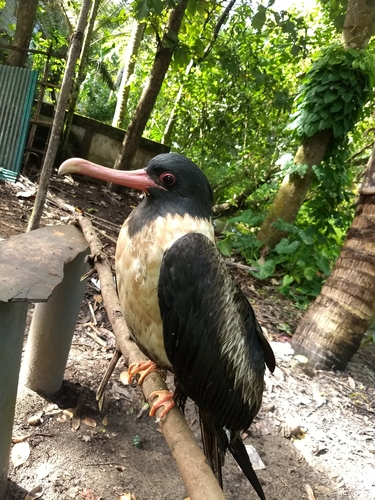 Lesser Frigatebird
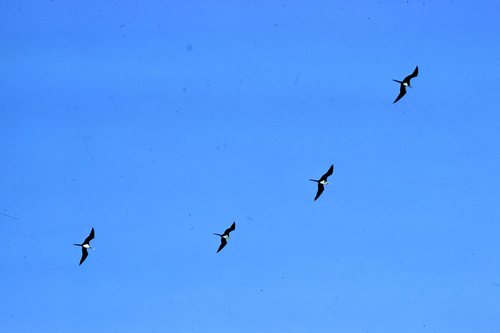 Great Frigatebird
In breve
Il segno distintivo più affidabile tra il Lesser e il Great Frigatebird è la dimensione: il Lesser è nettamente più piccolo e leggero, con un'apertura alare e una lunghezza del corpo visibilmente più corte. Per gli immaturi e le femmine, controlla l'estensione e la forma del bianco nelle parti inferiori e la presenza di una 'spina' bianca o una macchia ascellare—distintiva nel Lesser ma assente o meno pronunciata nel Great. In volo, il Lesser appare spesso più compatto e agile, con una coda relativamente più corta e profondamente forked. Entrambe le specie mostrano maschi adulti completamente neri con sacchi gulari rossi gonfi, quindi concentrati sulle differenze strutturali e nelle parti inferiori, specialmente negli uccelli non adulti. Gli errori si verificano spesso con i giovanili e le femmine, quindi dai priorità al motivo delle parti inferiori e alla dimensione complessiva.
Consigli di identificazione
- La dimensione è il primo controllo: il Great Frigatebird è molto più grande e massiccio, con un'apertura alare e un corpo più lunghi, ma fai attenzione agli uccelli solitari senza un confronto diretto.
- Spina bianca nelle parti inferiori (macchia ascellare): Presente in tutte le età tranne nei maschi adulti del Lesser Frigatebird; assente o molto meno distinta nel Great. Cerca questo in volo, specialmente sugli immaturi e le femmine.
- Testa e gola dei giovanili: I giovanili del Great Frigatebird hanno un volto, una testa e una gola bianchi con una sfumatura ruggine, privi della spina bianca nelle parti inferiori del Lesser.
- Piumaggio dei maschi adulti: Entrambi sono per lo più neri con un sacco gulare rosso; il Great può mostrare iridescenza verde sulle scapolari (difficile da vedere a distanza). Non fare affidamento solo su questo.
- Volto e petto delle femmine adulte: Le femmine del Lesser hanno un anello oculare rosso stretto e un collare e un petto bianchi ben definiti; le femmine del Great hanno anche un anello oculare rosso ma il bianco è meno ben definito.
- Forma della coda in volo: Entrambi hanno code profondamente forked, ma quella del Lesser è proporzionalmente più corta e può apparire più 'a forbice' a causa delle sue dimensioni più piccole.
- Jizz/stile di volo: Il Lesser appare più compatto e agile, il Great più languido e con ali larghe. Usa con cautela a meno che tu non abbia esperienza con entrambi.
- Proporzioni del becco e della testa: Non sono affidabilmente diversi sul campo; entrambi hanno becchi lunghi e ricurvi.
- Contesto dell'habitat: Non è diagnostico dove entrambi si trovano, ma il Great è più probabile in grandi colonie di nidificazione.
- Comportamento: Entrambi planano e raramente atterrano; le differenze comportamentali non sono affidabili per la separazione sul campo.
- Vocalizzazioni: Non utili per la separazione sul campo; entrambi sono per lo più silenziosi lontano dalle colonie.
- Dimorfismo sessuale: Entrambe le specie mostrano maschi con sacchi gulari rossi e femmine con parti inferiori bianche, quindi controlla sempre la spina nelle parti inferiori e la dimensione complessiva.
- Confronto diretto: Se entrambe le specie sono presenti, il Great sovrasterà il Lesser e apparirà molto più robusto.
- Confusione degli immaturi: La maggior parte degli errori nei quiz si verifica con gli immaturi—controlla sempre la spina bianca nelle parti inferiori (Lesser) e l'estensione del bianco sulla testa/gola (Great).
Taglia
Il Lesser Frigatebird è il più piccolo dei fregate: la massa corporea media è di circa 806 g, con maschi di 625–875 g e femmine di 760–955 g. Il Great Frigatebird è molto più grande: maschi di 1.000–1.450 g, femmine di 1.215–1.590 g. Il Lesser è lungo 66–81 cm (26–32 in) con un'apertura alare di 155–193 cm (61–76 in); il Great è lungo 85–105 cm (33–41 in) con un'apertura alare di 205–230 cm (81–91 in). Sul campo, il Great Frigatebird apparirà più massiccio, con ali più lunghe e più imponente in confronto diretto.
Piumaggio
Gli uccelli giovanili e immaturi sono i più difficili. Il Lesser Frigatebird (tutte le età) mostra una spina o una macchia bianca diagnostica nell' 'ascella' (assili) che si estende sulle parti inferiori—questo è particolarmente utile in volo ed è assente o molto meno distinto nel Great. I giovanili del Great Frigatebird hanno un volto, una testa e una gola bianchi con una sfumatura ruggine, ma mancano della spina bianca nelle parti inferiori del Lesser. I maschi adulti di entrambi sono per lo più neri con un sacco gulare rosso, ma i maschi del Great hanno iridescenza verdognola sulle scapolari (spesso difficile da vedere a distanza). Le femmine adulte di entrambi hanno gole e petti bianchi, ma le femmine del Lesser hanno un anello oculare rosso stretto e un collare e un petto bianchi più ben definiti, mentre le femmine del Great hanno un anello oculare rosso ma il bianco è meno ben demarcato. In sintesi: cerca la spina bianca nelle parti inferiori nel Lesser (tutte le età non maschili adulte), e il bianco più esteso sulla testa e sulla gola nei giovanili del Great.
Comportamento
Entrambe le specie sono altamente aeree e raramente atterrano tranne per nidificare. Entrambi sono maestri del volo e raramente nuotano o camminano. Il Lesser Frigatebird tende ad apparire più agile e galleggiante in volo a causa delle sue dimensioni più piccole e della costruzione più leggera. Entrambi si impegnano nel kleptoparassitismo (infastidire altri uccelli marini per il cibo), ma questo non è un segno distintivo affidabile per la separazione. Le femmine e i giovanili del Great Frigatebird sono più propensi a cacciare pulcini di uccelli marini nelle colonie, ma questo è raramente osservato da birdwatcher occasionali.
Habitat
Entrambe le specie si sovrappongono ampiamente negli oceani tropicali e subtropicali, specialmente negli oceani Indiano e Pacifico, e entrambe possono essere trovate attorno a isole remote e atolli. Il Great Frigatebird ha popolazioni importanti nel Pacifico (Hawaii, Galápagos), nell'Oceano Indiano (Seychelles, Mauritius) e una presenza minima nell'Atlantico meridionale. Anche il Lesser Frigatebird è ampiamente diffuso negli oceani Indiano e Pacifico, con alcune popolazioni al largo del Brasile. L'habitat da solo non è diagnostico dove entrambi si trovano, ma il Great è più probabile in colonie più grandi e consolidate.
Lesser Frigatebird · Great Frigatebird · I miei uccelli difficili