

Motmot

ドミニカヒタキモドキ 対 ハイイロタイランチョウ

Myiarchus oberi 対 Tyrannus dominicensis

ドミニカヒタキモドキとハイイロタイランチョウのクイズ
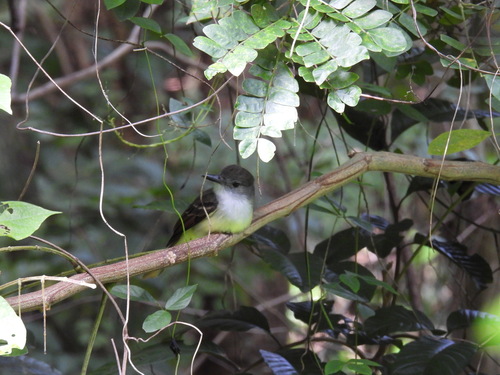
ドミニカヒタキモドキ (Myiarchus oberi) ドミニカヒタキモドキ
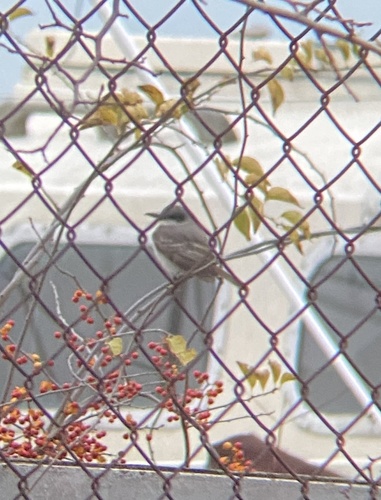
ハイイロタイランチョウ (Tyrannus dominicensis) ハイイロタイランチョウ

メディア

読み込み中…

要点

最も信頼できるフィールドマークは腹部です:ハイイロタイランチョウは胸にわずかに灰色の洗いがかかっている明るい白い腹部を示し、ドミニカヒタキモドキは灰色の胸と喉、黄色の腹部と尾羽の覆いを持っています。幼鳥のハイイロタイランチョウは翼の覆い、尾、尾羽に赤褐色の縁取りを示しますが、ドミニカヒタキモドキにはそれがありません。構造的に、ハイイロタイランチョウはよりがっしりとしており、長く、より重いくちばしを持っています。飛んでいるときや止まっているときは、タイランチョウの強い灰白色のコントラストとマスクと、ヒタキモドキのオリーブ色と黄色のトーンを探してください。両者はカリブ海で混同されることがありますが、これらのマークに注意を払うことでフィールドで区別できます。

識別のコツ

  1. 腹部の色: ハイイロタイランチョウは胸にわずかに灰色の洗いがかっている明るい白い腹部を持ち、ドミニカヒタキモドキは灰色の喉と胸、黄色の腹部と尾羽の覆いを持っています。これはすべての年齢の止まっている鳥の最良のマークです。
  2. 顔のパターン: ハイイロタイランチョウは目を通して大胆な暗いマスクと淡い灰色の顔を示し、ドミニカヒタキモドキは強いマスクのない灰色がかったオリーブ色の顔を持っています。
  3. 上面: ドミニカヒタキモドキは翼と尾に赤褐色の縁取りがある暗いオリーブ色の上面を持ち、ハイイロタイランチョウは上面が灰色で、翼と尾は茶色がかっており、成鳥には赤褐色の縁取りがありません。
  4. 幼鳥/未成熟の翼と尾: 幼鳥のハイイロタイランチョウは翼の覆い、尾、尾羽に赤褐色の縁取りを持ち、ドミニカヒタキモドキはそれを示しません。若い鳥の尾や尾に赤褐色が見られた場合、それはタイランチョウです。
  5. 翼のバー: ドミニカヒタキモドキは淡いまたは赤褐色の先端を持つ覆いから2つのわずかな翼のバーを示し、ハイイロタイランチョウは特に成鳥において明確な翼のバーがありません。
  6. 尾のパターン: ドミニカヒタキモドキは尾羽の内側の羽軸に広い赤褐色のストライプを持ち(ただし、sclateri亜種は尾に赤褐色がありません)、ハイイロタイランチョウの尾は茶色がかっており赤褐色がありません。
  7. くちばしのサイズと形: ハイイロタイランチョウは、より細いくちばしを持つドミニカヒタキモドキに比べて、より重く、太いくちばしを持っています。これは近くで見ると最も明らかです。
  8. サイズと構造: ハイイロタイランチョウはドミニカヒタキモドキ(19〜22 cm、35 g)よりも大きく、がっしりとしており、長い(23 cm、43.8 g)です。タイランチョウの頑丈な印象は、特に止まっているときに目立ちます。
  9. 冠: ドミニカヒタキモドキは冠を形成する暗いオリーブ色の冠を持ち、ハイイロタイランチョウの冠は灰色で目立つ冠がありません(ただし、隠れた黄色の冠のストライプがあります)。
  10. 行動: ハイイロタイランチョウはより攻撃的で、大きな鳥を追いかけたり、非常に目立つ場所に止まったりすることがよくあります。ドミニカヒタキモドキはより控えめで目立たず。
  11. 生息地の文脈: ワイヤーや非常に開けた沿岸地域、特に大アンティル諸島や広範囲に分布する島で見られた場合、ハイイロタイランチョウを疑ってください。ドミニカヒタキモドキは小アンティル諸島に制限されており、開けた都市環境では見られにくいです。
  12. 鳴き声: 大きく、転がるような「ピピリ、ピピリ」というトリルが聞こえたら、それはハイイロタイランチョウです。ドミニカヒタキモドキの声はここでは説明されていないため、この呼び声はタイランチョウの診断に役立ちます。
  13. 亜種の注意: セントルシア(sanctaeluciae)にいる場合や、尾に赤褐色がないドミニカヒタキモドキ(sclateri)を見た場合は、腹部の色と構造により頼るようにしてください。
  14. 性別と季節: 両種は両性において似た羽毛を持ち、年間を通じて変わらないため、性別と季節は区別に役立ちません。
  15. 落とし穴: 赤褐色の縁取りのある翼と尾を持つ幼鳥のハイイロタイランチョウに注意してください。これはMyiarchusヒタキを示唆するかもしれません。白い腹部とタイランチョウのマスクを確認して確認してください。

大きさ

ハイイロタイランチョウはドミニカヒタキモドキよりも明らかに大きく、重いです。ハイイロタイランチョウは平均して約23 cmの長さと43.8 gの質量を持ち、ドミニカヒタキモドキは19〜22 cmで約35 gです。タイランチョウはまた、よりがっしりとしており、太いくちばしを持ち、一般的により頑丈な印象を与えます。特に止まっているときや直接比較しているときに目立ちます。

羽色

行動

ハイイロタイランチョウは特に攻撃的で領土意識が強く、しばしば猛禽類を含むはるかに大きな鳥を追いかける姿が見られます。ワイヤーや露出した枝に非常に目立つ場所に止まる傾向があり、大胆で直接的な飛行で出て行きます。ドミニカヒタキモドキはあまり攻撃的ではなく、より控えめで、通常は中程度の高さの止まり木から餌を探し、目立つ追いかけ行動には関与しません。両者はヒタキであり、昆虫を捕まえるために出て行きますが、タイランチョウの行動はより積極的で目立ちます。

生息環境

両種はカリブ海に生息していますが、その範囲は一部の島でのみ重なります。ドミニカヒタキモドキは小アンティル諸島(バルブーダ、ドミニカ、グアドループ、マルティニーク、ネービス、セントキッツ、セントルシア)に制限されており、ハイイロタイランチョウはこの地域でより広く分布しています。両者は開けた森林、森林の縁、時には人間の居住地の近くで見られますが、タイランチョウはワイヤー、道路脇、沿岸地域などの開けた露出した場所で見られる可能性が高いです。

声

ハイイロタイランチョウは「ピピリ、ピピリ」と表現される大きく、転がるようなトリルを持ち、これは特徴的で多くの地元名の由来となっています。ドミニカヒタキモドキの鳴き声は提供されたメモには記載されていないため、タイランチョウの大きくトリルされた呼び声が聞こえた場合のみ、声は診断的です。

より良い説明を送る

比較と同じ項目を使ってください。文章はすぐに公開されます。

The most reliable field mark is the underparts: Grey Kingbird shows bright white underparts with only a faint gray wash on the chest, while Lesser Antillean Flycatcher has a gray breast and throat, with yellow belly and undertail coverts. Juvenile Grey Kingbirds show rufous edges on the wing coverts, rump, and tail, which Lesser Antillean Flycatchers lack. Structurally, Grey Kingbird is bulkier, longer, and has a heavier bill. In flight or perched, look for the kingbird's strong gray-white contrast and mask versus the flycatcher's olive and yellow tones. Both can be confused in the Caribbean, but careful attention to these marks will separate them in the field.

  1. Underparts color: Grey Kingbird has bright white underparts with only a faint gray wash on the chest; Lesser Antillean Flycatcher has a gray throat and breast with yellow belly and undertail coverts. This is the best mark on perched birds of all ages.
  2. Facial pattern: Grey Kingbird shows a bold dusky mask through the eye and a pale gray face; Lesser Antillean Flycatcher has a grayer olive-green face without a strong mask.
  3. Upperparts: Lesser Antillean Flycatcher is dark olive-green above with rufous edges on the wings and tail; Grey Kingbird is gray above with brownish wings and tail, lacking rufous edges in adults.
  4. Juvenile/immature wing and tail: Juvenile Grey Kingbirds have rufous edges on the wing coverts, rump, and tail, which Lesser Antillean Flycatcher never shows. If you see rufous on the rump or tail of a young bird, it's a kingbird.
  5. Wing bars: Lesser Antillean Flycatcher shows two faint wing bars from pale or rufous-tipped coverts; Grey Kingbird lacks distinct wing bars, especially in adults.
  6. Tail pattern: Lesser Antillean Flycatcher has a wide rufous stripe on the inner vanes of the tail feathers (except sclateri subspecies, which has no rufous in the tail); Grey Kingbird's tail is brownish and lacks rufous.
  7. Bill size and shape: Grey Kingbird has a heavier, stouter bill compared to the more slender bill of Lesser Antillean Flycatcher. This is most apparent in close views or photos.
  8. Size and structure: Grey Kingbird is larger, bulkier, and longer (23 cm, 43.8 g) than Lesser Antillean Flycatcher (19–22 cm, 35 g). The kingbird's robust jizz is especially noticeable when perched.
  9. Crest: Lesser Antillean Flycatcher has a dark olive-green crown that forms a crest, while Grey Kingbird's crown is gray and lacks a noticeable crest (though it has a concealed yellow crown stripe).
  10. Behavior: Grey Kingbird is more aggressive and likely to be seen mobbing larger birds or perching in very exposed locations. Lesser Antillean Flycatcher is more retiring and less conspicuous.
  11. Habitat context: If seen on a wire or in a very open, coastal area, especially in the Greater Antilles or widespread islands, suspect Grey Kingbird. Lesser Antillean Flycatcher is more restricted to the Lesser Antilles and less likely in open, urban settings.
  12. Vocalizations: If you hear a loud, rolling 'pipiri, pipiri' trill, it's Grey Kingbird. Lesser Antillean Flycatcher's voice is not described here, so this call is diagnostic for kingbird.
  13. Subspecies caution: If you are on Saint Lucia (sanctaeluciae) or see a Lesser Antillean Flycatcher without rufous in the tail (sclateri), rely more on underparts color and structure.
  14. Sex and season: Both species have similar plumage in both sexes and throughout the year, so sex and season are not helpful for separation.
  15. Pitfalls: Beware of juvenile Grey Kingbirds with rufous-edged wings and tail, which might suggest Myiarchus flycatchers; check for white underparts and the kingbird's mask to confirm.

Grey Kingbird is distinctly larger and heavier than Lesser Antillean Flycatcher. Grey Kingbird averages about 23 cm in length and 43.8 g in mass, while Lesser Antillean Flycatcher is 19–22 cm and about 35 g. The kingbird also appears bulkier, with a stouter bill and generally more robust jizz, especially noticeable when perched or in direct comparison.

  • Juvenile/immature birds: Juvenile Grey Kingbirds show rufous edges on the wing coverts, rump, and tail, a feature not present in any age of Lesser Antillean Flycatcher. This is a key separation point for young birds, especially in flight or at rest.
  • Adults: Grey Kingbird adults have uniform gray upperparts, brownish wings and tail, a bold dusky mask, and a white underside with only a faint gray chest wash. Lesser Antillean Flycatcher adults have dark olive-green upperparts with rufous edges on the wings and tail, a grayer olive-green face, gray throat and breast, and yellow belly/undertail coverts. The flycatcher's wing bars are faint and formed by grayish white or rufous tips on the coverts, while the kingbird lacks distinct wing bars but has a more uniform wing appearance.
  • Tail: Lesser Antillean Flycatcher shows a wide rufous stripe on the inner vanes of the tail feathers (except sclateri subspecies, which lacks rufous in the tail), while Grey Kingbird's tail is brownish with no such rufous pattern. Both have dark tails, but the kingbird's is more uniformly colored.

Grey Kingbird is notably aggressive and territorial, often seen mobbing much larger birds, including raptors. It tends to perch very conspicuously on wires or exposed branches and sallies out in bold, direct flights. Lesser Antillean Flycatcher is less aggressive and more retiring, typically foraging from mid-level perches and not engaging in conspicuous mobbing behavior. Both are flycatchers and sally for insects, but the kingbird's behavior is more assertive and visible.

Both species occur in the Caribbean, but their ranges only overlap in some islands. Lesser Antillean Flycatcher is restricted to the Lesser Antilles (Barbuda, Dominica, Guadeloupe, Martinique, Nevis, Saint Kitts, Saint Lucia), while Grey Kingbird is more widespread in the region. Both can be found in open woodlands, forest edges, and sometimes near human habitation, but the kingbird is more likely to be seen in open, exposed sites such as wires, roadsides, and coastal areas.

Grey Kingbird has a loud, rolling trill described as 'pipiri, pipiri,' which is distinctive and gives rise to many of its local names. Lesser Antillean Flycatcher's vocalizations are not described in the provided notes, so voice is only diagnostic if the kingbird's loud, trilled call is heard.

変更を破棄しますか?

保存していない編集があります。今離れると失われます。

ドミニカヒタキモドキ · ハイイロタイランチョウ · 苦手な鳥