

Lesser Antillean Flycatcher vs Gray Kingbird
Myiarchus oberi contro Tyrannus dominicensis
Fai un quiz con Lesser Antillean Flycatcher e Gray Kingbird
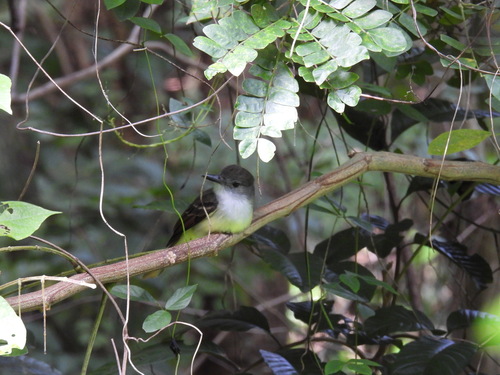 Lesser Antillean Flycatcher
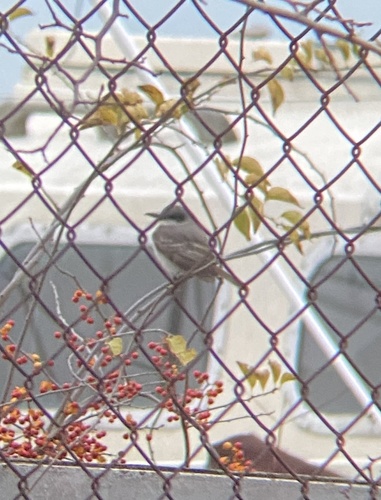 Gray Kingbird
In breve
Il segno di campo più affidabile sono le parti inferiori: il Gray Kingbird mostra parti inferiori bianche brillanti con solo una leggera sfumatura grigia sul petto, mentre il Lesser Antillean Flycatcher ha un petto e una gola grigi, con ventre giallo e copritail. I giovani Gray Kingbirds mostrano bordi rufous sulle copritrici delle ali, sul dorso e sulla coda, che i Lesser Antillean Flycatchers non hanno. Strutturalmente, il Gray Kingbird è più robusto, più lungo e ha un becco più pesante. In volo o posato, cerca il forte contrasto grigio-bianco e la maschera del kingbird rispetto ai toni oliva e giallo del flycatcher. Entrambi possono essere confusi nei Caraibi, ma un'attenta attenzione a questi segni li separerà sul campo.
Consigli di identificazione
- Underparts color: Il Gray Kingbird ha parti inferiori bianche brillanti con solo una leggera sfumatura grigia sul petto; il Lesser Antillean Flycatcher ha una gola e un petto grigi con ventre giallo e copritail. Questo è il miglior segno su uccelli posati di tutte le età.
- Facial pattern: Il Gray Kingbird mostra una maschera scura audace attraverso l'occhio e un volto grigio chiaro; il Lesser Antillean Flycatcher ha un volto verde oliva più grigio senza una maschera forte.
- Upperparts: Il Lesser Antillean Flycatcher è di un verde oliva scuro sopra con bordi rufous sulle ali e sulla coda; il Gray Kingbird è grigio sopra con ali e coda marroni, mancando di bordi rufous negli adulti.
- Juvenile/immature wing and tail: I giovani Gray Kingbirds hanno bordi rufous sulle copritrici delle ali, sul dorso e sulla coda, che il Lesser Antillean Flycatcher non mostra mai. Se vedi rufous sul dorso o sulla coda di un giovane uccello, è un kingbird.
- Wing bars: Il Lesser Antillean Flycatcher mostra due deboli barre alari da copritrici chiare o con punte rufous; il Gray Kingbird manca di barre alari distinte, specialmente negli adulti.
- Tail pattern: Il Lesser Antillean Flycatcher ha una larga striscia rufous sulle vane interne delle penne della coda (eccetto la sottospecie sclateri, che ha senza rufous nella coda); la coda del Gray Kingbird è marrone e manca di rufous.
- Bill size and shape: Il Gray Kingbird ha un becco più pesante e robusto rispetto al becco più snello del Lesser Antillean Flycatcher. Questo è più evidente in viste ravvicinate o foto.
- Size and structure: Il Gray Kingbird è più grande, più robusto e più lungo (23 cm, 43.8 g) rispetto al Lesser Antillean Flycatcher (19–22 cm, 35 g). La robustezza del kingbird è particolarmente evidente quando è posato.
- Crest: Il Lesser Antillean Flycatcher ha una corona verde oliva scura che forma una cresta, mentre la corona del Gray Kingbird è grigia e manca di una cresta evidente (anche se ha una striscia gialla nascosta sulla corona).
- Behavior: Il Gray Kingbird è più aggressivo e probabile da vedere mobbare uccelli più grandi o posarsi in luoghi molto esposti. Il Lesser Antillean Flycatcher è più ritirato e meno appariscente.
- Habitat context: Se visto su un filo o in un'area costiera molto aperta, specialmente nelle Grandi Antille o isole diffuse, sospetta il Gray Kingbird. Il Lesser Antillean Flycatcher è più ristretto alle Piccole Antille e meno probabile in ambienti aperti e urbani.
- Vocalizations: Se senti un forte trill rotolante 'pipiri, pipiri', è il Gray Kingbird. La voce del Lesser Antillean Flycatcher non è descritta qui, quindi questo richiamo è diagnostico per il kingbird.
- Subspecies caution: Se sei a Saint Lucia (sanctaeluciae) o vedi un Lesser Antillean Flycatcher senza rufous nella coda (sclateri), fai affidamento più sul colore e sulla struttura delle parti inferiori.
- Sex and season: Entrambe le specie hanno un piumaggio simile in entrambi i sessi e durante tutto l'anno, quindi il sesso e la stagione non sono utili per la separazione.
- Pitfalls: Fai attenzione ai giovani Gray Kingbirds con ali e coda bordate di rufous, che potrebbero suggerire i Myiarchus flycatchers; controlla le parti inferiori bianche e la maschera del kingbird per confermare.
Taglia
Il Gray Kingbird è nettamente più grande e più pesante del Lesser Antillean Flycatcher. Il Gray Kingbird ha una lunghezza media di circa 23 cm e una massa di 43.8 g, mentre il Lesser Antillean Flycatcher è di 19–22 cm e circa 35 g. Il kingbird appare anche più robusto, con un becco più spesso e generalmente una robustezza più evidente, specialmente quando è posato o in confronto diretto.
Piumaggio
- Juvenile/immature birds: I giovani Gray Kingbirds mostrano bordi rufous sulle copritrici delle ali, sul dorso e sulla coda, una caratteristica non presente in nessuna età del Lesser Antillean Flycatcher. Questo è un punto chiave di separazione per i giovani uccelli, specialmente in volo o a riposo.
- Adults: Gli adulti del Gray Kingbird hanno parti superiori grigie uniformi, ali e coda marroni, una maschera scura audace e un lato inferiore bianco con solo una leggera sfumatura grigia sul petto. Gli adulti del Lesser Antillean Flycatcher hanno parti superiori di un verde oliva scuro con bordi rufous sulle ali e sulla coda, un volto verde oliva più grigio, gola e petto grigi, e ventre/copritail gialli. Le barre alari del flycatcher sono deboli e formate da punte grigio chiaro o rufous sulle copritrici, mentre il kingbird manca di barre alari distinte ma ha un aspetto alare più uniforme.
- Tail: Il Lesser Antillean Flycatcher mostra una larga striscia rufous sulle vane interne delle penne della coda (eccetto la sottospecie sclateri, che manca di rufous nella coda), mentre la coda del Gray Kingbird è marrone senza tale motivo rufous. Entrambi hanno code scure, ma quella del kingbird è più uniformemente colorata.
Comportamento
Il Gray Kingbird è notevolmente aggressivo e territoriale, spesso visto mobbare uccelli molto più grandi, compresi i rapaci. Tende a posarsi in modo molto appariscente su fili o rami esposti e si lancia in voli audaci e diretti. Il Lesser Antillean Flycatcher è meno aggressivo e più ritirato, tipicamente cerca cibo da posatoi a livello medio e non si impegna in comportamenti di mobbing appariscenti. Entrambi sono flycatchers e si lanciano per insetti, ma il comportamento del kingbird è più assertivo e visibile.
Habitat
Entrambe le specie si trovano nei Caraibi, ma i loro areali si sovrappongono solo in alcune isole. Il Lesser Antillean Flycatcher è ristretto alle Piccole Antille (Barbuda, Dominica, Guadalupa, Martinica, Nevis, Saint Kitts, Saint Lucia), mentre il Gray Kingbird è più diffuso nella regione. Entrambi possono essere trovati in boschi aperti, bordi di foreste e talvolta vicino a insediamenti umani, ma il kingbird è più probabile da vedere in siti aperti ed esposti come fili, strade e aree costiere.
Voce
Il Gray Kingbird ha un forte trill rotolante descritto come 'pipiri, pipiri', che è distintivo e dà origine a molti dei suoi nomi locali. Le vocalizzazioni del Lesser Antillean Flycatcher non sono descritte nelle note fornite, quindi la voce è solo diagnostica se si sente il richiamo forte e trillato del kingbird.
Lesser Antillean Flycatcher · Gray Kingbird · I miei uccelli difficili