

Motmot

コクロアカウソ 対 ニショクコメワリ

Loxigilla noctis 対 Melanospiza bicolor

コクロアカウソとニショクコメワリのクイズ
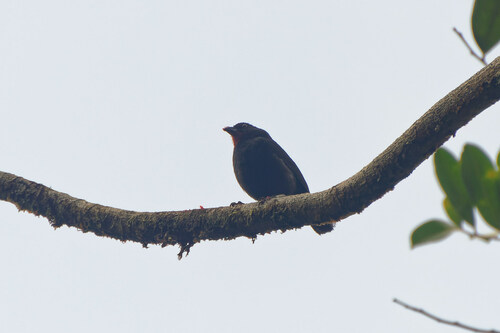
コクロアカウソ (Loxigilla noctis) コクロアカウソ
ニショクコメワリ (Melanospiza bicolor) ニショクコメワリ

メディア

読み込み中…

要点

コクロアカウソとニショクコメワリを区別する最も信頼できるフィールドマークは、全体の羽色とパターン、特に成鳥のオスにおいてです:コクロアカウソのオスは主に黒で、赤い眉斑とオレンジがかった赤い喉を持ち、ニショクコメワリのオスは黒い顔と喉を持ちますが、上面と翼は緑がかった色です。メスはより難しいですが、コクロアカウソのメスは温かみのある茶色で、翼と尾の下側に錆色の縁がありますが、ニショクコメワリのメスは上面が地味なオリーブグリーンで、下側はより鈍い色合いです。両種の幼鳥はそれぞれのメスに似ているため、翼と尾の色に注目してください。コクロアカウソは明らかに重くてがっしりしており、より太いくちばしを持っていますが、ニショクコメワリは小さくて細身です。両種は似たような生息地に出現することがあるため、構造と羽毛に注意を払うことが重要です。

識別のコツ

  1. 成鳥のオスのコクロアカウソは主に黒で、赤い眉斑とオレンジがかった赤い喉を持っています—この組み合わせを探してください。これはニショクコメワリのオスには見られません。
  2. 成鳥のオスのニショクコメワリは黒い顔、喉、下部を持ちますが、上面と翼は緑がかった色です—上の緑がかった色合いは診断的で、全体が黒いコクロアカウソのオスと区別します。
  3. メスと幼鳥のコクロアカウソは上面が温かみのある茶色で、より大きな羽覆いと尾の下側に錆色の縁があります—特に飛行中や尾を広げて止まっているときに、これらの赤褐色のトーンを確認してください。
  4. メスと幼鳥のニショクコメワリは上面が地味なオリーブグリーンで、下側はより茶色または灰色で、翼や尾に錆色や赤褐色はありません—赤褐色のヒントがあればコクロアカウソを示唆します。
  5. コクロアカウソはより大きくてがっしりしており、明らかに重く、より円錐形のくちばしを持っています—もしがっしりした大きな頭のフィンチを見たら、それはおそらくコクロアカウソです。
  6. ニショクコメワリは小さく、軽く、より繊細な体つきをしています—しばしば小柄で素早く動くように見えます。
  7. コクロアカウソのオスは赤またはオレンジの喉の斑点と眉斑を示すことがありますが、サイズと強度は亜種によって異なります—一部の亜種はより小さく、鈍い斑点を持っているため、明るい赤がないからといってコクロアカウソを除外することはできません。
  8. ニショクコメワリのオスは顔や喉に赤やオレンジを示すことはありません—そのような色はコクロアカウソを示唆します。
  9. コクロアカウソのメスは温かみのある茶色の頭を持ち、錆色の頬を持っています;ニショクコメワリのメスは対照的な顔のマーキングがない地味なオリーブグリーンです。
  10. 飛行中は、コクロアカウソの翼と尾に錆色または赤褐色の縁を探してください(成鳥のオスを除くすべての年齢で、尾の下側に黒がある場合があります);ニショクコメワリは均一な緑がかった色合いを示し、赤褐色はありません。
  11. 両種は暗い虹彩と暗い脚を持っていますが、コクロアカウソの脚はより暗い灰色または黒で、ニショクコメワリの脚は薄いピンク色です—フィールドでは常に見えるわけではありません。
  12. くちばしの色が役立つことがあります:コクロアカウソのオスは黒または暗い茶色のくちばしを持ち、ニショクコメワリのオスは黒いくちばしを持っていますが、両種のメスはより淡い下顎を持っています—常に診断的ではありません。
  13. ニショクコメワリのオスは翼の振動と歌で空中ディスプレイの飛行を行うことがあります—コクロアカウソには記載されていない行動です。
  14. 生息地の重複は一般的ですので、片方の種の範囲外でない限り、位置だけに頼らないでください。
  15. もしバズ音の強調された歌が聞こえたら、それはおそらくニショクコメワリです;コクロアカウソの歌はここでは記載されていません—歌をよく知っている場合を除いて、注意して使用してください。

大きさ

コクロアカウソは明らかに大きくて重く、体重は平均18.4g、長さは14〜15.5cmです。それに対して、ニショクコメワリは小さくて軽く、体重は7〜13g、長さは10.2〜11.5cmです。コクロアカウソはよりがっしりしており、より頑丈で円錐形のくちばしを持っていますが、ニショクコメワリは全体的により小柄で繊細です。このサイズの違いは、両種が並んで見られるときにはしばしば明らかですが、孤立しているときには地元の鳥のサイズをよく理解していない限り微妙です。

羽色

行動

両種は一般的に目立たず、低い植生や地面で餌を探します。コクロアカウソは大きくて重いため、動きがより意図的で頑丈に見えることがあり、しばしば種子や果物を食べます。ニショクコメワリは、小さな群れや緩いコロニーで見られることが多く、特に繁殖期にはオスが翼の振動を伴う短い空中ディスプレイを行うことがあります。両種は止まっているか餌を探しているのを見ることができますが、ニショクコメワリの小さなサイズとより活発でひらひらした行動は、経験を積むことで目立つかもしれません。

生息環境

両種は、スクラブ、庭、開けた森林など、レッサー・アンティル諸島と近隣の島々の類似した環境に生息しています。ニショクコメワリは、しばしば草地や雑草の生えた場所で見られ、時には緩いコロニーで、地面の上または近くに巣を作ることができます。コクロアカウソは、より低木や森林の生息地に関連していますが、庭でも見られることがあります。生息地は範囲が重なる場合には信頼できる区別にはならないため、羽毛と構造に注目してください。

声

ニショクコメワリの鳴き声のみがメモに記載されています:その歌はバズ音の強調された連続で、時には「tse-tsee-tsee-tsizzle-tsizzle-tsizzle」または細い「tsit'l, tzil'ti, ti'teet」と表現され、柔らかい音楽的な「tsip」の呼び声があります。コクロアカウソの鳴き声は提供されたメモには詳細が記載されていないため、声は経験から彼らの歌に精通していない限り信頼できる区別にはなりません。

より良い説明を送る

比較と同じ項目を使ってください。文章はすぐに公開されます。

The most reliable field mark to separate Lesser Antillean Bullfinch from Black-faced Grassquit is overall plumage color and pattern, especially in adult males: bullfinch males are mostly black with a red supercilium and orangish-red throat, while grassquit males have a black face and throat but greenish upperparts and wings. Females are trickier, but bullfinch females are warm brown with rusty edges on the wings and undertail, whereas grassquit females are drab olive-green above and duller below. Juveniles of both species resemble their respective females, so focus on wing and undertail color. The bullfinch is noticeably heavier and bulkier, with a stouter bill, while the grassquit is smaller and more slender. Both species can occur in similar habitats, so careful attention to structure and plumage is essential.

  1. Adult male bullfinch is mostly black with a red supercilium and orangish-red throat—look for this combination, which is never shown by grassquit males.
  2. Adult male grassquit has a black face, throat, and underparts but greenish upperparts and wings—the greenish cast above is diagnostic and separates it from the all-black bullfinch male.
  3. Female and juvenile bullfinch are warm brown above with rusty edges on the greater coverts and rusty undertail coverts—check for these rufous tones, especially in flight or when perched with fanned tail.
  4. Female and juvenile grassquit are drab olive-green above, browner or grayer below, and lack rusty or rufous on wings and undertail—any hint of rufous suggests bullfinch.
  5. Bullfinch is larger and bulkier, with a noticeably heavier, more conical bill—if you see a chunky, big-headed finch, it's likely the bullfinch.
  6. Grassquit is smaller, lighter, and more delicate in build—often appears petite and quick-moving.
  7. Bullfinch males may show a red or orange throat patch and supercilium, but the size and intensity vary by subspecies—some subspecies have smaller or duller patches, so absence of bright red does not rule out bullfinch.
  8. Grassquit males never show red or orange on the face or throat—any such color points to bullfinch.
  9. Bullfinch females have a warm brown head with rusty lores; grassquit females are plain olive-green with no contrasting facial markings.
  10. In flight, look for rusty or rufous edges on the bullfinch's wings and undertail (all ages except adult males, which may have black in the undertail); grassquit shows uniform greenish or olive tones with no rufous.
  11. Both species have dark irises and dark legs, but bullfinch's legs may be darker grayish or black, while grassquit's are dusky pinkish—not always visible in the field.
  12. Bill color can help: bullfinch males have a black or dark brown bill; grassquit males have a black bill, but females of both species have a paler mandible—not always diagnostic.
  13. Grassquit males may perform aerial display flights with wing vibration and song—behavior not described for bullfinch.
  14. Habitat overlap is common, so do not rely on location alone unless you are outside the range of one species.
  15. If you hear a buzzy, emphatic song, it is likely grassquit; bullfinch song is not described here—use with caution unless you know the songs well.

Lesser Antillean Bullfinch is significantly larger and heavier, averaging 18.4 g in body mass and measuring 14–15.5 cm in length. In contrast, Black-faced Grassquit is smaller and lighter, weighing 7–13 g and measuring 10.2–11.5 cm. The bullfinch appears bulkier with a more robust, conical bill, while the grassquit is more petite and delicate overall. This size difference is often apparent when both species are seen side by side, but can be subtle in isolation unless you have a good sense of local bird sizes.

  • Juveniles and Females: Both species are sexually dimorphic, but females and juveniles can cause confusion. Female and juvenile bullfinches are warm brown above with rusty edges on the greater coverts (wing) and rusty undertail coverts. Female and juvenile grassquits are drab olive-green above, browner or grayer below, and lack any rusty or rufous tones on the wings or undertail. This difference in wing and undertail color is a key field mark for non-males.
  • Adult Males: Bullfinch males are mostly black with a red supercilium and orangish-red throat (amount varies by subspecies), sometimes with rufous-chestnut undertail coverts. Grassquit males have a black face, throat, and underparts, but their upperparts, wings, and tail are greenish (not black), and rear flanks are dark greenish. Some grassquit subspecies have brighter or paler olive-green upperparts, but none are all-black above.
  • Subspecies Variation: Bullfinch subspecies differ mainly in the size and intensity of the red/orange throat and supercilium and the amount of rufous in the undertail. Grassquit subspecies vary in the brightness of olive-green upperparts and extent of black on the underparts, but all retain the greenish upperparts.

Both species are generally unobtrusive and forage low in vegetation or on the ground. The bullfinch, being larger and heavier, may appear more deliberate and robust in its movements, often feeding on seeds and fruit. The grassquit is more likely to be seen in small flocks or loose colonies, especially during the breeding season, and males sometimes perform short aerial displays with wing vibrations. Both species can be seen perched or foraging, but the grassquit's smaller size and more active, fluttery behavior may be noticeable with experience.

Both species inhabit similar environments across the Lesser Antilles and nearby islands, including scrub, gardens, and open woodland. The grassquit is often found in grassy or weedy areas, sometimes in loose colonies, and can nest on or near the ground. The bullfinch is more associated with shrubby or wooded habitats but can also be found in gardens. Habitat is not a reliable separator where ranges overlap, so focus on plumage and structure.

Only the grassquit's vocalizations are described in the notes: its song is a buzzy, emphatic series, sometimes described as 'tse-tsee-tsee-tsizzle-tsizzle-tsizzle' or a thin 'tsit'l, tzil'ti, ti'teet', with a soft musical 'tsip' call. The bullfinch's vocalizations are not detailed in the provided notes, so voice is not a reliable separator unless you are familiar with their songs from experience.

変更を破棄しますか?

保存していない編集があります。今離れると失われます。

コクロアカウソ · ニショクコメワリ · 苦手な鳥