

Motmot

アメリカヒバリシギ 対 ヒレアシトウネン

Calidris minutilla 対 Calidris pusilla

アメリカヒバリシギとヒレアシトウネンのクイズ
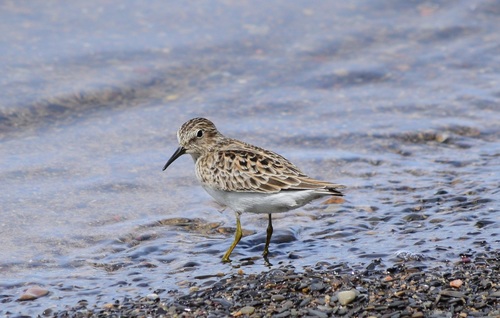
アメリカヒバリシギ (Calidris minutilla) アメリカヒバリシギ
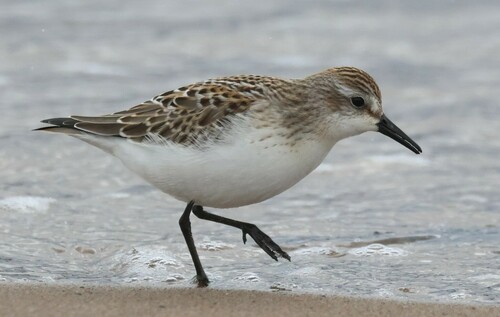
ヒレアシトウネン (Calidris pusilla) ヒレアシトウネン

メディア

読み込み中…

要点

アメリカヒバリシギとヒレアシトウネンを区別する最も信頼できるフィールドマークは脚の色です:アメリカヒバリシギは常に黄緑色の脚を示し、ヒレアシトウネンは黒い脚を持っています。この違いはすべての年齢と季節で見られますが、泥が脚の色を隠すことがあります。幼鳥のアメリカヒバリシギは、幼鳥のヒレアシトウネンよりも赤褐色で、上面の模様が大胆です。構造的には、アメリカヒバリシギはやや小さく、よりコンパクトで、細く、わずかに下向きのくちばしを持ち、ヒレアシトウネンはより大きく、太く、まっすぐなくちばしを持っています。両種は小さな「ピープ」であり、特に混合群れでは混乱を招くことがありますが、脚、くちばし、上面の模様に注意を払うことで通常は識別できます。

識別のコツ

  1. 脚の色は最も信頼できるフィールドマークです: アメリカヒバリシギは黄緑色の脚を持ち(黒ではない)、ヒレアシトウネンは黒い脚を持っています。これを最初に確認してください。ただし、泥の汚れに注意してください。
  2. くちばしの形と太さ: アメリカヒバリシギは細く、わずかに下向きのくちばしを持っています;ヒレアシトウネンのくちばしは基部が太く、短く、通常はまっすぐです。くちばしの形は横から見たときと近距離で判断するのが最適です。
  3. 幼鳥の上面の模様: 幼鳥のアメリカヒバリシギは明るく、上面が赤褐色で、鮮やかな白い背中のストライプと鱗状の外観を持っています;幼鳥のヒレアシトウネンは鈍い灰褐色で、コントラストが少なく、赤褐色はほとんどありません。
  4. 眉斑(アイブロー): アメリカヒバリシギは特に幼鳥や繁殖期の成鳥で、目の上により明白な淡い線を示します。ヒレアシトウネンの眉斑はあまり明確ではありません。
  5. 顔と頭頂: アメリカヒバリシギはより暗く、コントラストのある頭頂と淡い顔を持っています;ヒレアシトウネンはより平坦で、頭全体が均一です。
  6. サイズと構造: アメリカヒバリシギは小さく、よりコンパクトで、首が短いです。ヒレアシトウネンはより大きく、相対的に頭が大きく、翼が長いです。これは微妙で、直接比較するのが最適です。
  7. 一次羽の突出: ヒレアシトウネンはしばしば三次羽を超えて長い一次羽の突出を示し、休んでいるときに長い翼のように見えます;アメリカヒバリシギは短い翼のように見えます。
  8. 足の構造(上級): ヒレアシトウネンは足の間に部分的な水かき(半水かき)を持っていますが、これはフィールドではほとんど見えません。アメリカヒバリシギはこの水かきを持っていません。
  9. 採餌行動: アメリカヒバリシギは植物の近くや泥の縁で採餌することが多いですが、ヒレアシトウネンは開けた泥や浅い水に浸かる可能性が高いです。診断的ではありませんが、文脈で役立つことがあります。
  10. 群れの構成: 渡りの際、大きく密集した群れはヒレアシトウネンである可能性が高いです;アメリカヒバリシギはしばしば小さな群れで、混合群れの端に散らばっています。
  11. 冬の羽毛: 両種は上面が灰色になりますが、アメリカヒバリシギはより淡く、繊細な外観を保ち、ヒレアシトウネンはより暗く、平坦です。脚の色は年間を通じて重要な区別点です。
  12. 飛行時の視点: 両種は狭い白い翼帯を示しますが、これでは区別できません。脚の色と構造が見える場合はそれを使用してください。
  13. 声: 提供されたメモには記載されていません;この情報に基づいて声での区別に頼らないでください。
  14. 落とし穴: 泥が脚の色を隠すことがあり、照明がくちばしの形を判断しにくくすることがあります。幼鳥のヒレアシトウネンは上面がわずかに暖かく見えることがありますが、幼鳥のアメリカヒバリシギほど赤褐色や鮮明な模様には見えません。
  15. 季節的文脈: 両種は一緒に渡り、同じ生息地で見られることがあります。幼鳥のアメリカヒバリシギは特に明るく、初夏の終わりや初秋に際立っています。

大きさ

アメリカヒバリシギは北アメリカで最も小さな shorebird で、体長は 13–15 cm、翼開長は 27–28 cm、体重は 19–30 g です [wikipedia]。ヒレアシトウネンはやや大きく、体長は 15–18 cm、翼開長は 35–37 cm、体重は 18–51.5 g です [wikipedia]。フィールドでは、このサイズの違いは微妙で、混合群れではしばしば隠れていますが、ヒレアシトウネンは一般的により大きく、翼が長く見えます、特に直接比較するときに。

羽色

行動

両種は泥干潟で活発に採餌し、表面をつついたり、小さな無脊椎動物を探ったりします。アメリカヒバリシギはしばしばより繊細で正確な動きを示し、時には泥のプールの端ややや植生の多い場所で採餌します。ヒレアシトウネンは非常に大きく密集した群れを形成することがあり、浅い水に浸かる可能性が高いです。混合群れでは、アメリカヒバリシギはヒレアシトウネンよりもわずかに散らばっていることがあります。

生息環境

生息地の重複は渡り中に広範囲にわたり、両種は泥干潟、海岸線、池の縁を利用します。アメリカヒバリシギはやや泥が多いか、より植生の多い微生息地を利用する可能性が高いですが、ヒレアシトウネンは開けた湿った泥や砂を好みます。しかし、両種が一緒に生息する場所では、これは信頼できるフィールドの区別点ではありません。

より良い説明を送る

比較と同じ項目を使ってください。文章はすぐに公開されます。

The most reliable field mark to separate Least Sandpiper from Semipalmated Sandpiper is leg color: Least Sandpiper always shows yellow-green legs, while Semipalmated Sandpiper has black legs. This difference is visible at all ages and seasons, though mud can sometimes obscure leg color. Juvenile Least Sandpipers are more rufous and boldly patterned above than juvenile Semipalmateds, which are plainer. Structurally, Least is slightly smaller, more compact, and has a finer, slightly decurved bill, while Semipalmated is bulkier with a thicker, straighter bill. Both species are small 'peeps' and can be confusing, especially in mixed flocks, but careful attention to legs, bill, and upperpart pattern will usually clinch the ID.

  1. Leg color is the most reliable field mark: Least Sandpiper has yellow-green legs (never black), while Semipalmated Sandpiper has black legs. Check this first, but beware of mud staining.
  2. Bill shape and thickness: Least Sandpiper has a fine, slightly decurved bill; Semipalmated's bill is thicker at the base, shorter, and usually straight. Bill shape is best judged in profile and at close range.
  3. Juvenile upperpart pattern: Juvenile Least Sandpipers are brighter and more rufous above, with crisp white mantle stripes and a scaly look; juvenile Semipalmateds are duller gray-brown, with less contrast and little to no rufous.
  4. Supercilium (eyebrow): Least Sandpiper shows a more obvious pale line above the eye, especially in juveniles and breeding adults. Semipalmated's supercilium is less distinct.
  5. Face and crown: Least has a darker, more contrasting crown and a paler face; Semipalmated is plainer and more uniform across the head.
  6. Size and structure: Least is smaller, more compact, and shorter-necked. Semipalmated is bulkier, with a proportionally larger head and longer wings. This is subtle and best used in direct comparison.
  7. Primary projection: Semipalmated often shows longer primary projection beyond the tertials, giving a longer-winged look at rest; Least appears shorter-winged.
  8. Toe structure (advanced): Semipalmated Sandpiper has partial webbing (semipalmation) between the toes, but this is rarely visible in the field. Least Sandpiper lacks this webbing.
  9. Feeding behavior: Least Sandpiper may feed closer to vegetation or at the muddy edge, while Semipalmated is more likely to wade into open mud or shallow water. Not diagnostic, but can help in context.
  10. Flock composition: Large, dense flocks in migration are more likely to be Semipalmated; Least is often in smaller groups or scattered at the edge of mixed flocks.
  11. Plumage in winter: Both species become grayer above, but Least remains paler and more delicate; Semipalmated is darker and plainer. Leg color remains a key separator.
  12. Flight views: Both show a narrow white wingbar, but this does not separate them. Use leg color and structure if visible.
  13. Voice: Not described in the provided notes; do not rely on vocalizations for separation based on this information.
  14. Pitfalls: Mud can obscure leg color, and lighting can make bill shape hard to judge. Juvenile Semipalmateds can appear slightly warmer above, but never as rufous or crisply marked as juvenile Least.
  15. Seasonal context: Both species migrate together and can be found in the same habitats. Juvenile Least Sandpipers are especially bright and distinctive in late summer and early fall.

Least Sandpiper is the smallest North American shorebird, measuring 13–15 cm in length with a wingspan of 27–28 cm and weighing 19–30 g [wikipedia]. Semipalmated Sandpiper is slightly larger, at 15–18 cm long, with a wingspan of 35–37 cm and weight of 18–51.5 g [wikipedia]. In the field, this size difference is subtle and often masked in mixed flocks, but Semipalmated generally appears bulkier and longer-winged, especially in direct comparison.

  • Juvenile/first-autumn birds: Least Sandpiper juveniles are distinctly rufous above, with bright mantle stripes and a crisp, scaly pattern; Semipalmated juveniles are duller, more gray-brown above, with less contrast and lacking strong rufous tones. Least also shows a more obvious pale supercilium (eyebrow).
  • Adults (breeding): Least Sandpiper is brown above with dark streaks and a pale line above the eye; Semipalmated is darker gray-brown above, with a less distinct supercilium and a generally plainer face.
  • Adults (non-breeding/winter): Both species become grayer above, but Least retains a paler, more delicate look, while Semipalmated is darker and plainer. Leg color remains diagnostic year-round.
  • Flight/upperwing: No unique upperwing pattern is described for either species in these sources, so focus on structure and leg color in flight. Both show a narrow white wingbar, but this is not a reliable separator.

Both species forage actively on mudflats, picking at the surface or probing for small invertebrates. Least Sandpipers often appear more delicate and precise in their movements, sometimes feeding at the very edge of muddy pools or in slightly more vegetated areas. Semipalmated Sandpipers can form very large, dense flocks and may be more likely to wade into shallow water. In mixed flocks, Least Sandpipers may be slightly more scattered and less tightly packed than Semipalmateds.

Habitat overlap is extensive during migration, with both species using mudflats, shorelines, and the edges of ponds. Least Sandpiper may be more likely to use slightly muddier or more vegetated microhabitats, while Semipalmated prefers open, wetter mud or sand. However, this is not a reliable field separator where both occur together.

変更を破棄しますか?

保存していない編集があります。今離れると失われます。

アメリカヒバリシギ · ヒレアシトウネン · 苦手な鳥