

Gambecchio americano vs Gambecchio semipalmato
Calidris minutilla contro Calidris pusilla
Fai un quiz con Gambecchio americano e Gambecchio semipalmato
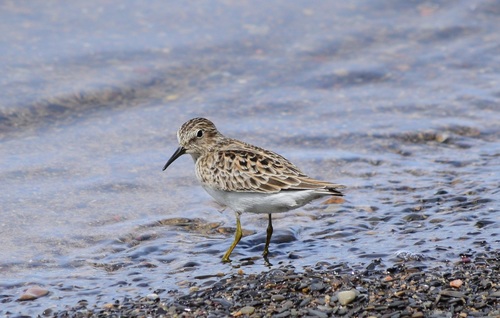 Gambecchio americano
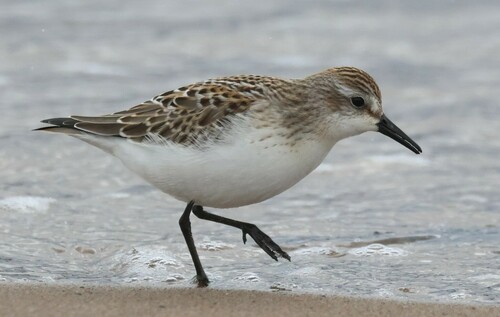 Gambecchio semipalmato
In breve
Il segno di campo più affidabile per separare il Gambecchio americano dal Gambecchio semipalmato è il colore delle gambe: il Gambecchio americano mostra sempre gambe giallo-verdi, mentre il Gambecchio semipalmato ha gambe nere. Questa differenza è visibile in tutte le età e stagioni, anche se il fango può a volte offuscare il colore delle gambe. I Gambecchi americani juvenili sono più rufous e con un motivo più audace sopra rispetto ai Gambecchi semipalmati juvenili, che sono più semplici. Strutturalmente, il Gambecchio americano è leggermente più piccolo, più compatto e ha un becco più fine e leggermente ricurvo, mentre il Gambecchio semipalmato è più robusto con un becco più spesso e dritto. Entrambe le specie sono piccoli 'peeps' e possono essere confusi, specialmente in stormi misti, ma un'attenta attenzione a gambe, becco e motivo della parte superiore di solito chiarirà l'identificazione.
Consigli di identificazione
- Il colore delle gambe è il segno di campo più affidabile: Il Gambecchio americano ha gambe giallo-verdi (mai nere), mentre il Gambecchio semipalmato ha gambe nere. Controlla questo per primo, ma fai attenzione alle macchie di fango.
- Forma e spessore del becco: Il Gambecchio americano ha un becco fine e leggermente ricurvo; il becco del Gambecchio semipalmato è più spesso alla base, più corto e di solito dritto. La forma del becco è meglio giudicata di profilo e a distanza ravvicinata.
- Motivo della parte superiore nei juvenili: I Gambecchi americani juvenili sono più luminosi e più rufous sopra, con strisce di mantello bianche nette e un aspetto squamoso; i Gambecchi semipalmati juvenili sono di un grigio-marrone più opaco, con meno contrasto e poco o nessun rufous.
- Supercilium (sopracciglio): Il Gambecchio americano mostra una linea pallida più evidente sopra l'occhio, specialmente nei juvenili e negli adulti in riproduzione. Il supercilium del Gambecchio semipalmato è meno distintivo.
- Faccia e corona: Il Gambecchio americano ha una corona più scura e contrastante e una faccia più chiara; il Gambecchio semipalmato è più semplice e più uniforme sulla testa.
- Dimensioni e struttura: Il Gambecchio americano è più piccolo, più compatto e con un collo più corto. Il Gambecchio semipalmato è più robusto, con una testa proporzionalmente più grande e ali più lunghe. Questo è sottile e meglio utilizzato in confronto diretto.
- Proiezione primaria: Il Gambecchio semipalmato mostra spesso una proiezione primaria più lunga oltre i terziali, dando un aspetto di ali più lunghe a riposo; il Gambecchio americano appare con ali più corte.
- Struttura delle dita (avanzato): Il Gambecchio semipalmato ha una parziale membrana (semipalmatura) tra le dita, ma questo è raramente visibile sul campo. Il Gambecchio americano non ha questa membrana.
- Comportamento alimentare: Il Gambecchio americano può alimentarsi più vicino alla vegetazione o al bordo fangoso, mentre il Gambecchio semipalmato è più propenso a guadare nel fango aperto o in acque poco profonde. Non è diagnostico, ma può aiutare nel contesto.
- Composizione del gruppo: Grandi stormi densi in migrazione sono più propensi a essere Gambecchi semipalmati; il Gambecchio americano è spesso in gruppi più piccoli o sparsi ai margini di stormi misti.
- Piumaggio in inverno: Entrambe le specie diventano più grigie sopra, ma il Gambecchio americano rimane più chiaro e più delicato; il Gambecchio semipalmato è più scuro e più semplice. Il colore delle gambe rimane un separatore chiave.
- Viste in volo: Entrambi mostrano una stretta striscia bianca sull'ala, ma questo non li separa. Usa il colore delle gambe e la struttura se visibile.
- Voce: Non descritta nelle note fornite; non fare affidamento sulle vocalizzazioni per la separazione basata su queste informazioni.
- Trappole: Il fango può offuscare il colore delle gambe e l'illuminazione può rendere difficile giudicare la forma del becco. I Gambecchi semipalmati juvenili possono apparire leggermente più caldi sopra, ma mai così rufous o marcati in modo netto come i juvenili Gambecchi americani.
- Contesto stagionale: Entrambe le specie migrano insieme e possono essere trovate negli stessi habitat. I Gambecchi americani juvenili sono particolarmente luminosi e distintivi a fine estate e all'inizio dell'autunno.
Taglia
Il Gambecchio americano è il più piccolo uccello di riva nordamericano, misurando 13–15 cm di lunghezza con un'apertura alare di 27–28 cm e pesando 19–30 g [wikipedia]. Il Gambecchio semipalmato è leggermente più grande, con una lunghezza di 15–18 cm, un'apertura alare di 35–37 cm e un peso di 18–51,5 g [wikipedia]. Sul campo, questa differenza di dimensioni è sottile e spesso mascherata in stormi misti, ma il Gambecchio semipalmato appare generalmente più robusto e con ali più lunghe, specialmente in confronto diretto.
Piumaggio
- Uccelli juvenili/primo autunno: I juvenili del Gambecchio americano sono distintamente rufous sopra, con strisce di mantello brillanti e un motivo squamoso netto; i juvenili del Gambecchio semipalmato sono più opachi, di un grigio-marrone più scuro sopra, con meno contrasto e privi di forti toni rufous. Il Gambecchio americano mostra anche un supercilium pallido più evidente (sopracciglio).
- Adulti (riproduzione): Il Gambecchio americano è marrone sopra con striature scure e una linea pallida sopra l'occhio; il Gambecchio semipalmato è di un grigio-marrone più scuro sopra, con un supercilium meno distintivo e una faccia generalmente più semplice.
- Adulti (non riproduzione/inverno): Entrambe le specie diventano più grigie sopra, ma il Gambecchio americano mantiene un aspetto più chiaro e delicato, mentre il Gambecchio semipalmato è più scuro e più semplice. Il colore delle gambe rimane diagnostico tutto l'anno.
- Volo/ala superiore: Non è descritto alcun motivo unico per l'ala superiore per entrambe le specie in queste fonti, quindi concentrati sulla struttura e sul colore delle gambe in volo. Entrambi mostrano una stretta striscia bianca sull'ala, ma questo non è un separatore affidabile.
Comportamento
Entrambe le specie foraggiano attivamente sulle spiagge fangose, beccando sulla superficie o sondando per piccoli invertebrati. I Gambecchi americani appaiono spesso più delicati e precisi nei loro movimenti, a volte alimentandosi proprio al bordo delle pozzanghere fangose o in aree leggermente più vegetate. I Gambecchi semipalmati possono formare stormi molto grandi e densi e possono essere più propensi a guadare in acque poco profonde. Negli stormi misti, i Gambecchi americani possono essere leggermente più sparsi e meno compatti rispetto ai Gambecchi semipalmati.
Habitat
L'overlap degli habitat è esteso durante la migrazione, con entrambe le specie che utilizzano spiagge fangose, linee costiere e i bordi delle pozzanghere. Il Gambecchio americano può essere più propenso a utilizzare microhabitat leggermente più fangosi o più vegetati, mentre il Gambecchio semipalmato preferisce fango o sabbia aperti e più umidi. Tuttavia, questo non è un separatore di campo affidabile dove entrambe le specie si trovano insieme.
Gambecchio americano · Gambecchio semipalmato · I miei uccelli difficili