

Motmot

イエスズメ 対 イワスズメ

Passer domesticus 対 Petronia petronia

イエスズメとイワスズメのクイズ
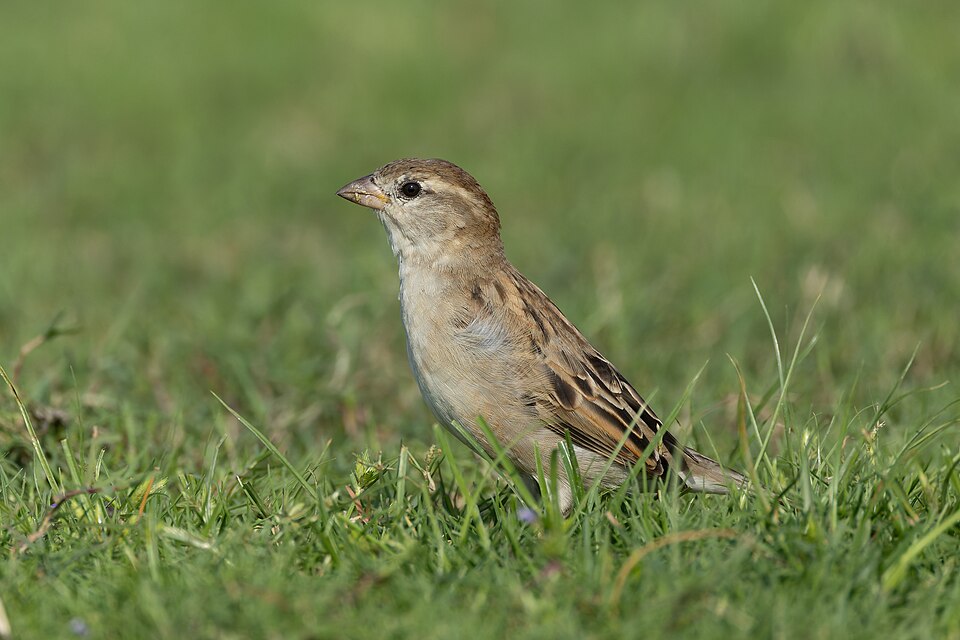
イエスズメ (Passer domesticus) イエスズメ
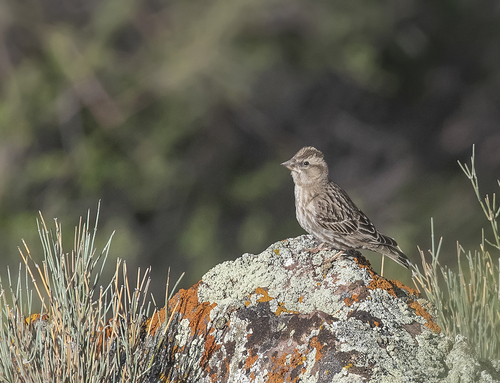
イワスズメ (Petronia petronia) イワスズメ

メディア

読み込み中…

要点

イエスズメとイワスズメを区別する最も信頼できるフィールドマークは、イワスズメの黄色い喉または上胸の斑点の存在です—これは診断的ですが、距離があると微妙に見えることがあります。イワスズメはまた、強い白っぽい眉斑(アイブロウ)を示し、明らかに大きく、円錐形のくちばしを持っていますが、イエスズメのオスは大胆な黒いビブと栗色の頭の模様を持っています。幼鳥と雌のイエスズメは顔が地味で、黄色い喉が欠けているため、地味な鳥ではイワスズメと混同される可能性が最も高いです。飛んでいる時や止まっている時は、イワスズメの縞模様のある腹部と全体的により単色の茶色のトーンを探してください。イエスズメの暖かく、より模様のある外観と対比されます。構造、特にくちばしの大きさと形は、すべての年齢と季節で信頼できるバックアップです。

識別のコツ

  1. 黄色い喉/上胸の斑点: イワスズメだけが、両性およびすべての年齢で上胸または喉に黄色の斑点を示します。これは診断的ですが、距離があると見えにくいことがあります。
  2. 白っぽい眉斑: イワスズメは強い、淡い眉のストライプを持ち、特に雌や幼鳥ではイエスズメの弱いまたは欠如した眉斑よりもはるかに目立ちます。
  3. くちばしの大きさと形: イワスズメのくちばしは、幼鳥でもイエスズメのものよりも明らかに大きく、円錐形です。これはすべての年齢と季節で信頼できる構造的な違いです。
  4. 頭の模様(オスのイエスズメ): 成熟したオスのイエスズメは灰色の冠、栗色の頭の側面、大胆な黒いビブ、白い頬(いくつかの亜種では灰色)を持っています。イワスズメはこれらの対照的な頭の模様を欠いています。
  5. 腹部の縞模様: イワスズメは縞模様のある腹部を示しますが、イエスズメは下部が地味です(オスは灰色、雌は淡い色)。
  6. 全体的な色合い: イワスズメはより単色の茶色で地味なトーンを持ち、イエスズメ(特にオス)はより暖かい茶色とより対照的です。
  7. 幼鳥の混同: 幼鳥のイエスズメは地味で、眉斑が不明瞭で黄色い喉がありません。幼鳥のイワスズメはまだ黄色の斑点と強い眉斑を示すべきです。
  8. 顔の模様(雌/未成熟): 雌と未成熟のイエスズメは地味な顔を持ち、黄色や強い眉を欠いていますが、すべての年齢と性別のイワスズメは強い眉斑と黄色い喉を示します。
  9. 飛行時の視点: どちらの種にも特有の上翼や飛行マークは記載されていません。構造と顔/喉の模様に依存してください。
  10. 生息地の文脈: 都市部では、イエスズメが圧倒的に可能性が高いです。岩の多い開けた国、特に南ヨーロッパやアジアでは、イワスズメを注意深く確認してください。
  11. 鳴き声: 大きくて喘ぐような歌(イワスズメ)と、さえずりやおしゃべり(イエスズメ)を聞いてください。
  12. 群れの行動: 両種は群れを作ることができるため、群れを成すことは診断的ではありません。
  13. くちばしの色(幼鳥): 幼いイエスズメは淡いストロー色のくちばしを持っていますが、これは微妙で、常に分離のために信頼できるわけではありません。
  14. 性的二形性: イエスズメはオスと雌の違いが強く示されますが、イワスズメは両性で似ており、両方とも黄色の斑点を示します。
  15. 地理的範囲: イエスズメはコスモポリタンであり、イワスズメは南ヨーロッパ、北アフリカ、アジアの岩の多い丘に局所的であり、他の場所では稀な迷鳥です。

大きさ

両種は長さが似ています(イエスズメ:約16 cm; イワスズメ:15–17 cm)が、イワスズメは平均してやや大きく、くちばしが明らかに重いです。イエスズメはコンパクトで胸がふっくらとした外観を持ち、短い尾を持っていますが、イワスズメはくちばしと頭の形のために少し長く、ずっしりとした印象を与えます。成鳥のイエスズメの質量は平均30.5 g [wikidata]で、イワスズメの直接的な質量データはありませんが、特に重いわけではありません。

羽色

行動

両種は群れを作り、しばしばグループで見られ、人間の居住地でも見られます。イワスズメは主に地面で餌を探し、岩の多い開けた生息地に適応していますが、イエスズメはより都市的で郊外的であり、地面を跳ねたり走ったり、ワイヤーや建物に止まったりするのがよく見られます。フィールドで診断的な主要な行動の違いは記載されていません。

生息環境

イエスズメは世界中の都市、郊外、農村の人間が改変した環境に普遍的に存在します。イワスズメははるかに制限されており、荒れた岩の丘、崖、時には適切な岩の多い国の人間の居住地で繁殖しますが、主な範囲の北では稀な迷鳥です。典型的な都市景観で見られた場合、イエスズメが圧倒的に可能性が高いです。イワスズメは岩の多い開けた国、特に南ヨーロッパやアジアで期待されます。

声

イワスズメは大きくて喘ぐような歌を持ち、これはイエスズメの馴染みのあるさえずりやおしゃべりとはかなり異なります。もし厳しい、引き延ばされた喘ぎ声が聞こえたら、イワスズメを疑ってください。もし呼び声が短く、鋭いさえずりであれば、イエスズメの可能性が高いです。

より良い説明を送る

比較と同じ項目を使ってください。文章はすぐに公開されます。

The most reliable field mark to separate House Sparrow from Rock Sparrow is the presence of a yellow throat or upper breast patch on Rock Sparrow—this is diagnostic but can be subtle at a distance. Rock Sparrow also shows a strong whitish supercilium (eyebrow) and a distinctly larger, more conical bill, while House Sparrow males have a bold black bib and chestnut head markings. Juvenile and female House Sparrows are plain-faced and lack the yellow throat, making confusion with Rock Sparrow most likely in drab birds. In flight or perched, look for Rock Sparrow's streaked underparts and overall more monochrome brown tones, versus the warmer, more patterned look of House Sparrow. Structure, especially bill size and shape, is a reliable backup in all ages and seasons.

  1. Yellow throat/upper breast patch: Only Rock Sparrow shows a yellow patch on the upper breast or throat, present in both sexes and all ages. This is diagnostic but can be hard to see at a distance or in dull light.
  2. Whitish supercilium: Rock Sparrow has a strong, pale eyebrow stripe, much more prominent than the weak or absent supercilium of House Sparrow (especially in females and juveniles).
  3. Bill size and shape: Rock Sparrow's bill is noticeably larger and more conical than House Sparrow's, even in juveniles. This is a reliable structural difference at all ages and seasons.
  4. Head pattern (male House Sparrow): Adult male House Sparrows have a grey crown, chestnut sides to the head, bold black bib, and white cheeks (grey in some subspecies). Rock Sparrow lacks these contrasting head markings.
  5. Underpart streaking: Rock Sparrow shows streaked underparts, while House Sparrow is plain below (males grey, females buffy).
  6. Overall coloration: Rock Sparrow is more monochrome brown with earth tones, while House Sparrow (especially males) shows warmer browns and more contrast.
  7. Juvenile confusion: Juvenile House Sparrows are plain, with poorly defined supercilia and no yellow throat. Juvenile Rock Sparrows should still show the yellow patch and strong supercilium.
  8. Face pattern (female/immature): Female and immature House Sparrows have plain faces and lack any yellow or strong eyebrow, while Rock Sparrow of all ages and sexes shows a strong supercilium and yellow throat.
  9. Flight views: No distinctive upperwing or flight marks are described for either species; rely on structure and face/throat pattern.
  10. Habitat context: In urban areas, House Sparrow is vastly more likely. In rocky, open country, especially in southern Europe or Asia, check carefully for Rock Sparrow.
  11. Vocalizations: Listen for a loud, wheezy song (Rock Sparrow) versus chirps and chatters (House Sparrow).
  12. Group behavior: Both species can be gregarious, so flocking is not diagnostic.
  13. Bill color (juveniles): Young House Sparrows have paler, straw-colored bills, but this is subtle and not always reliable for separation.
  14. Sexual dimorphism: House Sparrow shows strong male/female differences; Rock Sparrow is similar in both sexes, with both showing the yellow patch.
  15. Geographic range: House Sparrow is cosmopolitan; Rock Sparrow is local to rocky hills in southern Europe, North Africa, and Asia, and is a rare vagrant elsewhere.

Both species are similar in length (House Sparrow: ~16 cm; Rock Sparrow: 15–17 cm), but Rock Sparrow averages slightly larger and is notably heavier-billed. House Sparrow has a compact, full-chested look with a short tail, while Rock Sparrow appears a bit longer and bulkier due to its bill and head shape. Adult House Sparrow mass averages 30.5 g [wikidata]; no direct mass data for Rock Sparrow, but it is not markedly heavier.

  • Juveniles and immatures: House Sparrow juveniles resemble adult females—plain brown above, pale below, with poorly defined supercilia and no yellow or strong face pattern. Their plumage is scruffy, with broad buff feather edges and a generally uniform look. Juvenile Rock Sparrows are not described in detail here, but all ages show a strong whitish supercilium and a yellow throat/upper breast patch (though this can be hard to see at distance or in poor light).

  • Adult males: House Sparrow males have a grey crown, chestnut head sides, bold black bib, and white cheeks (grey in some subspecies). Rock Sparrow adults (both sexes) are more monochrome brown, with streaked underparts, a strong whitish supercilium, and a diagnostic yellow throat/upper breast patch. The face is less contrasting than male House Sparrow, but the supercilium is much bolder.

  • Adult females: Female House Sparrows are plain, buffy-brown, lacking the yellow throat and strong supercilium of Rock Sparrow. Both sexes of Rock Sparrow have the yellow patch, making this a key mark in all plumages.

  • In flight: No distinctive upperwing or flight pattern differences are described for either species in the provided notes.

Both species are gregarious and often found in groups, sometimes in human settlements. Rock Sparrow forages mainly on the ground and is adapted to rocky, open habitats, while House Sparrow is more urban and suburban, often seen hopping or running on the ground or perching on wires and buildings. No major behavioral differences are described that are diagnostic in the field.

House Sparrow is ubiquitous in urban, suburban, and rural human-modified environments worldwide. Rock Sparrow is much more restricted, breeding on barren rocky hills, cliffs, and sometimes in human settlements in suitable rocky country, but is a rare vagrant north of its main range. If seen in a typical cityscape, House Sparrow is overwhelmingly more likely; Rock Sparrow is expected in rocky, open country, especially in southern Europe and Asia.

Rock Sparrow has a loud, wheezy song, which is quite different from the House Sparrow's familiar chirping and chattering. If you hear a harsh, drawn-out wheeze, suspect Rock Sparrow; if the calls are short, sharp chirps, House Sparrow is more likely.

変更を破棄しますか?

保存していない編集があります。今離れると失われます。

イエスズメ · イワスズメ · 苦手な鳥