

Gorrión Común vs Gorrión Chillón
Passer domesticus frente a Petronia petronia
Juega un quiz con Gorrión Común y Gorrión Chillón
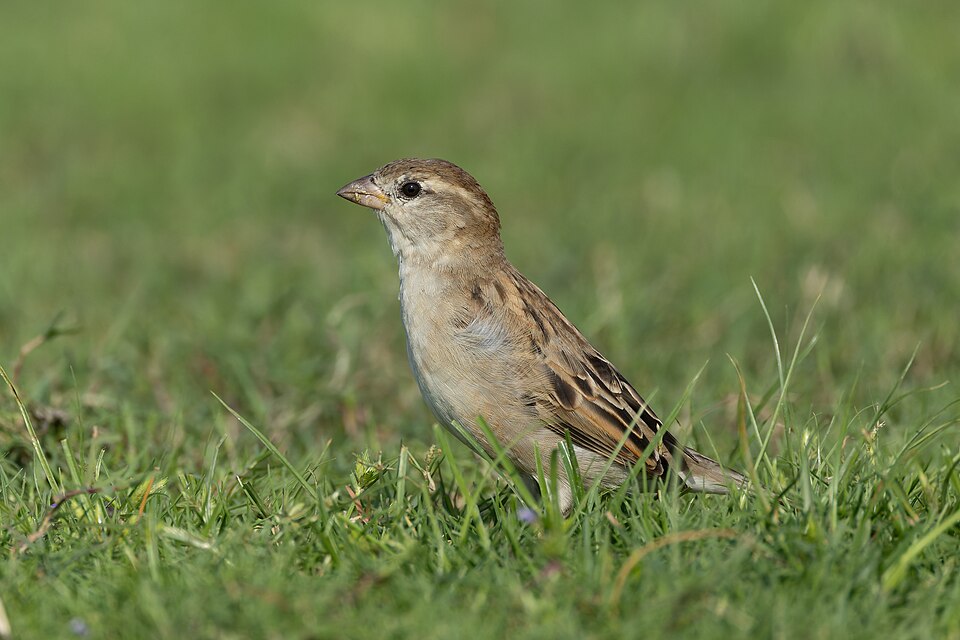 Gorrión Común
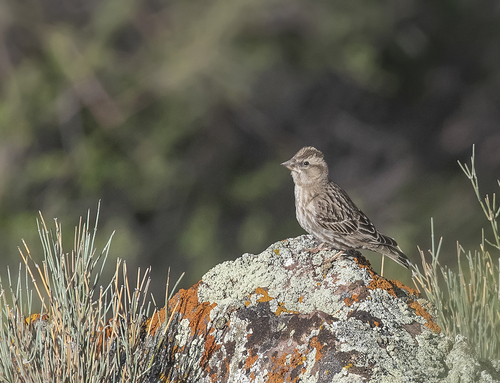 Gorrión Chillón
En breve
La marca de campo más confiable para separar el Gorrión Común del Gorrión Chillón es la presencia de un parche amarillo en la garganta o en la parte superior del pecho en el Gorrión Chillón; esto es diagnóstico pero puede ser sutil a distancia. El Gorrión Chillón también muestra un supercilio (ceja) blanquecino fuerte y un pico notablemente más grande y cónico, mientras que los machos del Gorrión Común tienen un babero negro audaz y marcas en la cabeza color castaño. Los gorriones comunes juveniles y hembras tienen un rostro simple y carecen de la garganta amarilla, lo que hace que la confusión con el Gorrión Chillón sea más probable en aves apagadas. En vuelo o posados, busca las partes inferiores rayadas del Gorrión Chillón y los tonos marrones más monocromáticos en general, frente al aspecto más cálido y más patrón del Gorrión Común. La estructura, especialmente el tamaño y la forma del pico, es un respaldo confiable en todas las edades y estaciones.
Consejos de identificación
- Parche amarillo en la garganta/parte superior del pecho: Solo el Gorrión Chillón muestra un parche amarillo en la parte superior del pecho o en la garganta, presente en ambos sexos y todas las edades. Esto es diagnóstico pero puede ser difícil de ver a distancia o en luz tenue.
- Supercilio blanquecino: El Gorrión Chillón tiene una franja de ceja pálida fuerte, mucho más prominente que el supercilio débil o ausente del Gorrión Común (especialmente en hembras y juveniles).
- Tamaño y forma del pico: El pico del Gorrión Chillón es notablemente más grande y cónico que el del Gorrión Común, incluso en juveniles. Esta es una diferencia estructural confiable en todas las edades y estaciones.
- Patrón de la cabeza (Gorrión Común macho): Los gorriones comunes machos adultos tienen una corona gris, lados de cabeza castaños, un babero negro audaz y mejillas blancas (grises en algunas subespecies). El Gorrión Chillón carece de estas marcas contrastantes en la cabeza.
- Rayado en las partes inferiores: El Gorrión Chillón muestra partes inferiores rayadas, mientras que el Gorrión Común es liso por debajo (machos grises, hembras color castaño).
- Coloración general: El Gorrión Chillón es más marrón monocromático con tonos terrosos, mientras que el Gorrión Común (especialmente los machos) muestra marrones más cálidos y más contraste.
- Confusión juvenil: Los gorriones comunes juveniles son simples, con supercilios poco definidos y sin garganta amarilla. Los gorriones chillones juveniles aún deben mostrar el parche amarillo y un supercilio fuerte.
- Patrón facial (hembra/inmaduro): Las hembras y los gorriones comunes inmaduros tienen rostros simples y carecen de cualquier amarillo o ceja fuerte, mientras que el Gorrión Chillón de todas las edades y sexos muestra un supercilio fuerte y una garganta amarilla.
- Vistas de vuelo: No se describen marcas distintivas en el ala superior o en el vuelo para ninguna de las especies; confía en la estructura y el patrón de la cara/garganta.
- Contexto de hábitat: En áreas urbanas, el Gorrión Común es vastamente más probable. En países rocosos y abiertos, especialmente en el sur de Europa o Asia, verifica cuidadosamente por el Gorrión Chillón.
- Vocalizaciones: Escucha una canción fuerte y sibilante (Gorrión Chillón) frente a chirridos y charlas (Gorrión Común).
- Comportamiento en grupo: Ambas especies pueden ser gregarias, por lo que el agrupamiento no es diagnóstico.
- Color del pico (juveniles): Los jóvenes gorriones comunes tienen picos más pálidos y color paja, pero esto es sutil y no siempre confiable para la separación.
- Dimorfismo sexual: El Gorrión Común muestra fuertes diferencias entre machos y hembras; el Gorrión Chillón es similar en ambos sexos, con ambos mostrando el parche amarillo.
- Rango geográfico: El Gorrión Común es cosmopolita; el Gorrión Chillón es local de colinas rocosas en el sur de Europa, el norte de África y Asia, y es un vagabundo raro en otros lugares.
Tamaño
Ambas especies son similares en longitud (Gorrión Común: ~16 cm; Gorrión Chillón: 15–17 cm), pero el Gorrión Chillón promedia ligeramente más grande y tiene un pico notablemente más pesado. El Gorrión Común tiene un aspecto compacto y robusto con una cola corta, mientras que el Gorrión Chillón parece un poco más largo y voluminoso debido a su pico y forma de cabeza. La masa promedio del Gorrión Común adulto es de 30.5 g [wikidata]; no hay datos directos de masa para el Gorrión Chillón, pero no es notablemente más pesado.
Plumaje
-
Juveniles e inmaduros: Los gorriones comunes juveniles se asemejan a las hembras adultas: marrón simple por encima, pálido por debajo, con supercilios poco definidos y sin patrón facial amarillo o fuerte. Su plumaje es desaliñado, con bordes de plumas color castaño amplios y un aspecto generalmente uniforme. Los gorriones chillones juveniles no se describen en detalle aquí, pero todas las edades muestran un supercilio blanquecino fuerte y un parche amarillo en la garganta/parte superior del pecho (aunque esto puede ser difícil de ver a distancia o en luz pobre).
-
Machos adultos: Los machos del Gorrión Común tienen una corona gris, lados de cabeza castaños, un babero negro audaz y mejillas blancas (grises en algunas subespecies). Los adultos del Gorrión Chillón (ambos sexos) son más marrón monocromático, con partes inferiores rayadas, un supercilio blanquecino fuerte y un parche amarillo en la garganta/parte superior del pecho diagnóstico. La cara es menos contrastante que la del Gorrión Común macho, pero el supercilio es mucho más audaz.
-
Hembras adultas: Las hembras del Gorrión Común son simples, de color castaño claro, careciendo de la garganta amarilla y el supercilio fuerte del Gorrión Chillón. Ambos sexos del Gorrión Chillón tienen el parche amarillo, lo que lo convierte en una marca clave en todos los plumajes.
-
En vuelo: No se describen diferencias distintivas en el ala superior o en el patrón de vuelo para ninguna de las especies en las notas proporcionadas.
Comportamiento
Ambas especies son gregarias y a menudo se encuentran en grupos, a veces en asentamientos humanos. El Gorrión Chillón forrajea principalmente en el suelo y está adaptado a hábitats rocosos y abiertos, mientras que el Gorrión Común es más urbano y suburbano, a menudo visto saltando o corriendo en el suelo o posándose en cables y edificios. No se describen diferencias de comportamiento importantes que sean diagnósticas en el campo.
Hábitat
El Gorrión Común es ubicuo en entornos humanos modificados urbanos, suburbanos y rurales en todo el mundo. El Gorrión Chillón es mucho más restringido, criando en colinas rocosas áridas, acantilados y a veces en asentamientos humanos en países rocosos adecuados, pero es un vagabundo raro al norte de su rango principal. Si se ve en un paisaje urbano típico, el Gorrión Común es abrumadoramente más probable; se espera que el Gorrión Chillón esté en países rocosos y abiertos, especialmente en el sur de Europa y Asia.
Voz
El Gorrión Chillón tiene una canción fuerte y sibilante, que es bastante diferente del chirrido y charlas familiares del Gorrión Común. Si escuchas un silbido áspero y prolongado, sospecha del Gorrión Chillón; si los llamados son chirridos cortos y agudos, es más probable que sea el Gorrión Común.