

Passera oltremontana vs Passera lagia
Passer domesticus contro Petronia petronia
Fai un quiz con Passera oltremontana e Passera lagia
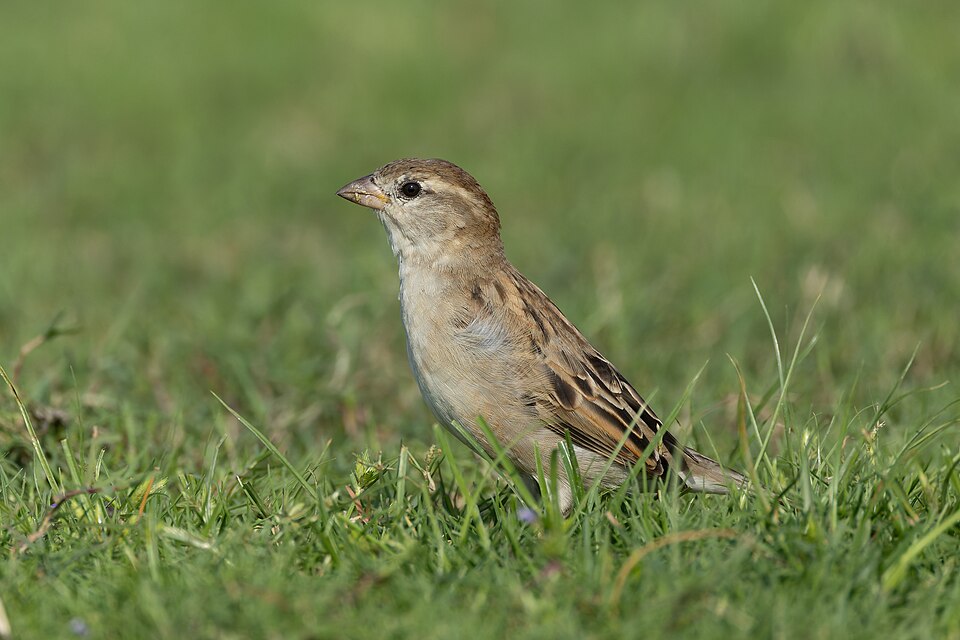 Passera oltremontana
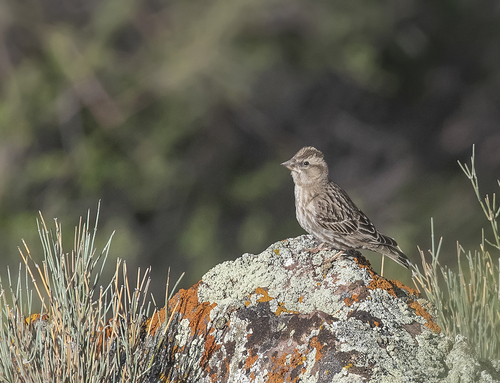 Passera lagia
In breve
Il segno di campo più affidabile per separare la Passera oltremontana dalla Passera lagia è la presenza di una macchia gialla sulla gola o sul petto superiore della Passera lagia—questo è diagnostico ma può essere sottile a distanza. La Passera lagia mostra anche un forte sopracciglio biancastro e un becco decisamente più grande e conico, mentre i maschi della Passera oltremontana hanno un bold pettorale nero e segni castani sulla testa. I giovani e le femmine di Passera oltremontana hanno un volto semplice e mancano della gola gialla, rendendo la confusione con la Passera lagia più probabile nei uccelli spenti. In volo o posati, cerca le parti inferiori striate della Passera lagia e toni marroni complessivamente più monocromatici, rispetto all'aspetto più caldo e più pattern della Passera oltremontana. La struttura, specialmente la dimensione e la forma del becco, è un affidabile supporto in tutte le età e stagioni.
Consigli di identificazione
- Macchia gialla sulla gola/petto superiore: Solo la Passera lagia mostra una macchia gialla sul petto superiore o sulla gola, presente in entrambi i sessi e in tutte le età. Questo è diagnostico ma può essere difficile da vedere a distanza o in luce fioca.
- Sopracciglio biancastro: La Passera lagia ha una forte striscia di sopracciglio pallido, molto più prominente rispetto al sopracciglio debole o assente della Passera oltremontana (soprattutto nelle femmine e nei giovani).
- Dimensione e forma del becco: Il becco della Passera lagia è notevolmente più grande e conico rispetto a quello della Passera oltremontana, anche nei giovani. Questa è una differenza strutturale affidabile in tutte le età e stagioni.
- Pattern della testa (maschio Passera oltremontana): I maschi adulti di Passera oltremontana hanno una corona grigia, lati castani della testa, bold pettorale nero e guance bianche (grigie in alcune sottospecie). La Passera lagia manca di questi segni contrastanti sulla testa.
- Striature delle parti inferiori: La Passera lagia mostra parti inferiori striate, mentre la Passera oltremontana è semplice sotto (maschi grigi, femmine color sabbia).
- Colorazione generale: La Passera lagia è più marrone monocromatica con toni terrosi, mentre la Passera oltremontana (soprattutto i maschi) mostra marroni più caldi e maggiore contrasto.
- Confusione nei giovani: I giovani Passera oltremontana sono semplici, con sopraccigli poco definiti e senza gola gialla. I giovani Passera lagia dovrebbero comunque mostrare la macchia gialla e un forte sopracciglio.
- Pattern del volto (femmina/immatura): Le femmine e i giovani Passera oltremontana hanno volti semplici e mancano di qualsiasi giallo o forte sopracciglio, mentre la Passera lagia di tutte le età e sessi mostra un forte sopracciglio e gola gialla.
- Viste in volo: Non sono descritti segni distintivi sulle ali superiori o segni di volo per nessuna delle due specie; fare affidamento sulla struttura e sul pattern del volto/gola.
- Contesto dell'habitat: Nelle aree urbane, la Passera oltremontana è di gran lunga più probabile. In paesi rocciosi e aperti, soprattutto nel sud Europa o in Asia, controlla attentamente per la Passera lagia.
- Vocalizzazioni: Ascolta per una canzone forte e wheezy (Passera lagia) rispetto a cinguettii e chiacchiere (Passera oltremontana).
- Comportamento di gruppo: Entrambe le specie possono essere gregarie, quindi il radunarsi non è diagnostico.
- Colore del becco (giovani): I giovani Passera oltremontana hanno becchi più chiari, color paglia, ma questo è sottile e non sempre affidabile per la separazione.
- Dimorfismo sessuale: La Passera oltremontana mostra forti differenze maschio/femmina; la Passera lagia è simile in entrambi i sessi, con entrambi che mostrano la macchia gialla.
- Gamma geografica: La Passera oltremontana è cosmopolita; la Passera lagia è locale a colline rocciose nel sud Europa, Nord Africa e Asia, ed è un raro vagabondo altrove.
Taglia
Entrambe le specie sono simili in lunghezza (Passera oltremontana: ~16 cm; Passera lagia: 15–17 cm), ma la Passera lagia è mediamente leggermente più grande e ha un becco notevolmente più pesante. La Passera oltremontana ha un aspetto compatto e pieno con un corto codino, mentre la Passera lagia appare un po' più lunga e robusta a causa della forma del suo becco e della testa. La massa media della Passera oltremontana adulta è di 30,5 g [wikidata]; non ci sono dati diretti sulla massa per la Passera lagia, ma non è significativamente più pesante.
Piumaggio
-
Giovani e immaturi: I giovani Passera oltremontana assomigliano a femmine adulte—marrone semplice sopra, pallido sotto, con sopraccigli poco definiti e senza pattern facciale giallo o forte. Il loro piumaggio è trasandato, con ampie bordature di piume color sabbia e un aspetto generalmente uniforme. I giovani Passera lagia non sono descritti in dettaglio qui, ma tutte le età mostrano un forte sopracciglio biancastro e una macchia gialla sulla gola/petto superiore (anche se questo può essere difficile da vedere a distanza o in scarsa luce).
-
Maschi adulti: I maschi della Passera oltremontana hanno una corona grigia, lati castani della testa, un bold pettorale nero e guance bianche (grigie in alcune sottospecie). Gli adulti della Passera lagia (entrambi i sessi) sono più marrone monocromatica, con parti inferiori striate, un forte sopracciglio biancastro e una macchia gialla sulla gola/petto superiore diagnostica. Il volto è meno contrastante rispetto a quello del maschio della Passera oltremontana, ma il sopracciglio è molto più audace.
-
Femmine adulte: Le femmine di Passera oltremontana sono semplici, marrone color sabbia, mancando della gola gialla e del forte sopracciglio della Passera lagia. Entrambi i sessi della Passera lagia hanno la macchia gialla, rendendo questo un segno chiave in tutti i piumaggi.
-
In volo: Non sono descritte differenze distintive sulle ali superiori o pattern di volo per nessuna delle due specie nelle note fornite.
Comportamento
Entrambe le specie sono gregarie e spesso si trovano in gruppi, a volte in insediamenti umani. La Passera lagia si nutre principalmente a terra ed è adattata a habitat rocciosi e aperti, mentre la Passera oltremontana è più urbana e suburbana, spesso vista saltellare o correre a terra o posata su fili e edifici. Non sono descritte differenze comportamentali maggiori che siano diagnostiche sul campo.
Habitat
La Passera oltremontana è ubiquitaria in ambienti umani modificati urbani, suburbani e rurali in tutto il mondo. La Passera lagia è molto più ristretta, nidificando su colline rocciose desolate, scogliere e talvolta in insediamenti umani in paesi rocciosi adatti, ma è un raro vagabondo a nord della sua gamma principale. Se vista in un tipico paesaggio urbano, la Passera oltremontana è di gran lunga più probabile; la Passera lagia è attesa in paesi rocciosi e aperti, soprattutto nel sud Europa e in Asia.
Voce
La Passera lagia ha una canzone forte e wheezy, che è molto diversa dal cinguettio e dalle chiacchiere familiari della Passera oltremontana. Se senti un wheeze duro e prolungato, sospetta la Passera lagia; se i richiami sono cinguettii brevi e acuti, è più probabile che sia la Passera oltremontana.
Passera oltremontana · Passera lagia · I miei uccelli difficili