

Motmot

タカネキクタイランチョウ 対 メジロシラギクタイランチョウ

Elaenia obscura 対 Elaenia parvirostris

タカネキクタイランチョウとメジロシラギクタイランチョウのクイズ
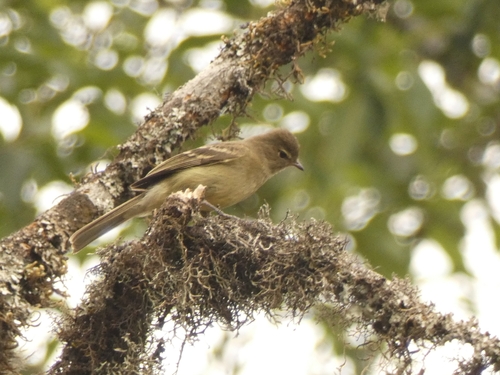
タカネキクタイランチョウ (Elaenia obscura) タカネキクタイランチョウ
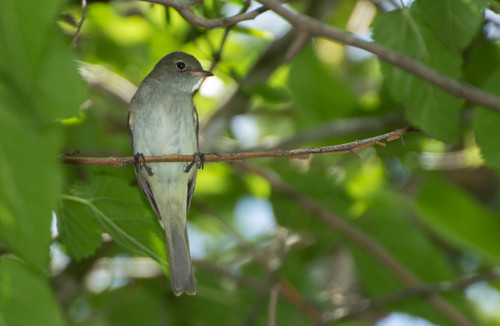
メジロシラギクタイランチョウ (Elaenia parvirostris) メジロシラギクタイランチョウ

メディア

読み込み中…

要点

タカネキクタイランチョウとメジロシラギクタイランチョウを区別する最も信頼できる方法は、全体的なサイズと翼の模様によるものです:タカネキクタイランチョウは明らかに大きくて重く、黄色がかった翼帯が2本だけあるのに対し、メジロシラギクタイランチョウは小さく、より繊細で、白っぽい翼帯が3本あります。くちばしのサイズと頭の色も役立ちます:メジロシラギクタイランチョウは明らかに小さく、細いくちばしと部分的な白い中央ストライプを持つ明るいオリーブグリーンの冠を持っていますが、タカネキクタイランチョウのくちばしはより太く、頭は暗い灰色がかったオリーブで、冠はありません。幼鳥のタカネキクタイランチョウは上面が暗く、赤褐色のトーンを持っており、これは不注意な人にとって罠になる可能性があります。両種とも冠はありませんが、翼の模様、くちばし、頭の色の微妙な違いがフィールドでの区別の鍵となります。特に止まっているときや良い光の中で見るときに重要です。

識別のコツ

  1. Size and Structure: タカネキクタイランチョウはメジロシラギクタイランチョウよりもかなり大きく、がっしりとしています。両者が一緒に見られる場合や、サイズの基準がわかっている場合にこれを利用してください。
  2. Bill Size: メジロシラギクタイランチョウは明らかに小さく、細く、より繊細なくちばしを持ち、上顎がわずかに曲がっています。タカネキクタイランチョウのくちばしはより太く、重いです。これは頭が横から見えるときの重要な特徴です。
  3. Wingbars: タカネキクタイランチョウは黄色がかった翼帯が2本だけ(翼の覆羽の先端によって形成される)見られますが、メジロシラギクタイランチョウは白っぽい翼帯が3本あります。良い光の中でバーを注意深く数えてください。これは最も信頼できるフィールドマークの1つです。
  4. Head Color and Pattern: メジロシラギクタイランチョウは部分的に見える白い中央ストライプ(常に明らかではない)を持つ明るいオリーブグリーンの冠と、薄いが明確な白いアイリングを持っています。タカネキクタイランチョウの頭は暗い灰色がかったオリーブで、頬は明るく、薄く、あまり目立たない白いアイリングを持っています。
  5. Upperparts: タカネキクタイランチョウは上面が暗い灰色がかったオリーブですが、メジロシラギクタイランチョウははるかに明るいオリーブグリーンです。この違いは良い光の中で、また新しい羽毛を持つ鳥で最も明らかです。
  6. Tail: タカネキクタイランチョウの尾は新しい羽毛の白い先端を持つ暗い色ですが、メジロシラギクタイランチョウの尾は白い先端がありません。このマークは微妙で、擦り切れた鳥では失われる可能性があります。
  7. Underparts: タカネキクタイランチョウは淡い黄色の顎、喉、腹部、尾の下部を持ち、鈍いオリーブの胸と側面を持っています。メジロシラギクタイランチョウは灰色の喉と胸(時々オリーブの洗いがかかる)、白っぽい腹部と尾の下部を持っています。灰色の胸と白っぽい腹部のコントラストはメジロシラギクタイランチョウでより際立っています。
  8. Juvenile Plumage: 幼鳥のタカネキクタイランチョウは上面が暗い赤褐色で、下面が汚れた灰色がかった白で、メジロシラギクタイランチョウよりもはるかに鈍く、暗いです。赤褐色のトーンを持つ鈍い若いエレイニアを見た場合、タカネがより可能性が高いです。
  9. Crest: 両種とも冠はないため、これは区別には役立ちませんが、明らかな冠を持つ他のエレイニア種を除外します。
  10. Habitat and Range: アルゼンチン、ボリビア、エクアドル、ペルーのアンデスの高地森林にいる場合、タカネキクタイランチョウの可能性が高いです。南アメリカの低地または開かれた、乱された生息地では、特にアンデスの外では、メジロシラギクタイランチョウの可能性が高いです。
  11. Behavior: メジロシラギクタイランチョウは混成種の群れに参加し、小さなグループで採餌する可能性が高く、時には獲物を得るためにホバリングします。タカネキクタイランチョウは群れでの記述が少ないです。
  12. Flight Views: 飛行中は、翼帯の数と色、全体的なサイズを探してください。タカネキクタイランチョウは大きく見え、黄色がかったバーが2本見えます。メジロシラギクタイランチョウは小さく見え、白っぽいバーが3本見えます。
  13. Bill Base Color: 両種ともくちばしの基部はピンクがかった色ですが、これは強力な区別要因ではありません。
  14. Sex and Season: 両種とも性別は同形であるため、性別は有用なフィールドマークではありません。季節的な変化はどちらの種にとっても重要ではないとされています。
  15. Pitfalls: くたびれた羽毛(尾の先端の喪失や色あせた翼帯)や悪い光に注意してください。これらは重要なマークを隠す可能性があります。幼鳥のタカネキクタイランチョウは、明るい鳥を期待している場合、特に混乱を招く可能性があります。

大きさ

タカネキクタイランチョウは2種の中で大きく、体重は約23.9g、長さは16〜19 cmです。メジロシラギクタイランチョウは小さく、より繊細で、長さは13〜15 cm(直接的な質量データはありませんが、一貫して小さく、細いと記述されています)。フィールドでは、タカネキクタイランチョウはがっしりと見え、重い体と比例的に太いくちばしを持ち、メジロシラギクタイランチョウは全体的により小柄でスリムに見えます。

羽色

行動

両種は行動において典型的なエレイニアであり、昆虫や果物を採餌し、しばしば中層や樹冠で行動します。メジロシラギクタイランチョウは混成種の群れに参加し、自種の小さなグループで採餌することが知られており、獲物を得るために一時的にホバリングすることもあります。タカネキクタイランチョウの採餌行動はあまり具体的に記述されていませんが、似ている可能性があります。どちらの種も飛行スタイルでは特に目立たず、メジロシラギクタイランチョウはその小さなサイズと軽い体格のためにより活発で落ち着きのないように見えることがあります。

生息環境

タカネキクタイランチョウはアルゼンチン、ボリビア、エクアドル、ペルーの山岳地帯や丘陵地域に生息し、通常は森林の縁、開けた森林、そして高地の類似の生息地に見られます。メジロシラギクタイランチョウははるかに広範囲に分布し、ほぼすべての南アメリカ本土の国(チリを除く)に生息し、開けた風景、森林の縁、二次成長、公園、庭、さらにはオーストラリアの冬の間のサバンナでも一般的です。重複する地域では、メジロシラギクタイランチョウはより開けた、乱された、または縁の生息地を好み、タカネキクタイランチョウはより高い標高やあまり乱されていない森林に結びついています。

より良い説明を送る

比較と同じ項目を使ってください。文章はすぐに公開されます。

The most reliable way to separate Highland Elaenia from Small-billed Elaenia is by their overall size and wing pattern: Highland Elaenia is notably larger and heavier, with only two yellowish wingbars, while Small-billed Elaenia is smaller, more delicate, and shows three whitish wingbars. Bill size and head color also help: Small-billed Elaenia has a distinctly smaller, finer bill and a brighter olive-green crown with a partial white median stripe, while Highland Elaenia’s bill is stubbier and its head is a darker grayish olive without a crest. Juvenile Highland Elaenia are darker and rufous-toned above, which can be a trap for the unwary. Both species lack a crest, but their subtle differences in wing pattern, bill, and head color are key for field separation, especially when seen perched or in good light.

  1. Size and Structure: Highland Elaenia is significantly larger and bulkier than Small-billed Elaenia. Use this when both are seen together or with known size references.
  2. Bill Size: Small-billed Elaenia has a distinctly smaller, finer, and more delicate bill, with a slightly curved upper mandible. Highland Elaenia’s bill is stubbier and heavier. This is a key mark when the head is visible in profile.
  3. Wingbars: Highland Elaenia shows only two yellowish wingbars (formed by the tips of the wing coverts), while Small-billed Elaenia has three whitish wingbars. Count the bars carefully in good light, as this is one of the most reliable field marks.
  4. Head Color and Pattern: Small-billed Elaenia has a bright olive-green crown with a partially visible white median stripe (not always obvious), and a thin but distinct white eyering. Highland Elaenia’s head is darker grayish olive, with lighter cheeks and a thinner, less distinct whitish eyering.
  5. Upperparts: Highland Elaenia is dark grayish olive above, while Small-billed Elaenia is much brighter olive-green. This difference is most obvious in good light and on fresh-plumaged birds.
  6. Tail: Highland Elaenia’s tail is dusky with white tips on fresh feathers, while Small-billed Elaenia’s tail is dusky without white tips. This mark is subtle and may be lost on worn birds.
  7. Underparts: Highland Elaenia has a pale yellow chin, throat, belly, and undertail, with dull olive breast and flanks. Small-billed Elaenia has a gray throat and breast (sometimes with an olive wash), and whitish belly and undertail. The contrast between the gray breast and whitish belly is more marked in Small-billed Elaenia.
  8. Juvenile Plumage: Juvenile Highland Elaenia is dark rufescent brown above and dirty grayish white below, which is much duller and darker than any Small-billed Elaenia. If you see a rufous-toned, dull young elaenia, Highland is more likely.
  9. Crest: Neither species has a crest, so this is not helpful for separation, but it rules out other Elaenia species with obvious crests.
  10. Habitat and Range: If you are in highland forests of the Andes in Argentina, Bolivia, Ecuador, or Peru, Highland Elaenia is more likely. In lowland or open, disturbed habitats across much of South America, especially outside the Andes, Small-billed Elaenia is more probable.
  11. Behavior: Small-billed Elaenia is more likely to join mixed-species flocks and forage in small groups, sometimes hovering to glean prey. Highland Elaenia is less often described in flocks.
  12. Flight Views: In flight, look for the number and color of wingbars and the overall size. Highland Elaenia will look larger and show two yellowish bars; Small-billed Elaenia will look smaller and show three whitish bars.
  13. Bill Base Color: Both species have a pinkish base to the mandible, but this is not a strong separator.
  14. Sex and Season: Both species are sexually monomorphic, so sex is not a useful field mark. Seasonal variation is not described as significant for either species.
  15. Pitfalls: Beware of worn plumage (loss of tail tips or faded wingbars) and poor light, which can obscure key marks. Juvenile Highland Elaenia can be especially confusing if you expect a brighter bird.

Highland Elaenia is the larger of the two, with a body mass around 23.9g and a length of 16–19 cm. Small-billed Elaenia is smaller and more delicate, measuring 13–15 cm in length (no direct mass data, but consistently described as small and slight). In the field, Highland Elaenia will look bulkier, with a heavier body and proportionally stubbier bill, while Small-billed Elaenia appears more petite and slim overall.

  • Juveniles: Juvenile Highland Elaenia are dark rufescent brown above with dirty grayish white below, lacking the bright olive tones of adult Small-billed Elaenia. Juvenile Small-billed Elaenia are not specifically described, but adults are already much brighter and greener above.
  • Adults: Highland Elaenia shows a dark grayish olive head and upperparts, with lighter cheeks and a thin whitish eyering. Its wings are dusky with pale edges and two yellowish wingbars. The tail is dusky with white tips (on fresh feathers). Underparts are dull olive on the breast/flanks, pale yellow on the belly and undertail. Small-billed Elaenia has a bright olive-green crown (with a partial white median stripe), bright olive-green upperparts, and a thin but distinct white eyering. The wings are dusky with three whitish wingbars, and the flight feathers have narrow whitish edges. Its throat and breast are gray (sometimes with olive wash), and the belly/undertail are whitish. The tail is dusky, lacking the white tips of fresh Highland Elaenia. Bill color is similar in both, but Small-billed Elaenia's is notably smaller and more delicate.

Both species are typical elaenias in their behavior, foraging for insects and fruit, often in the midstory or canopy. Small-billed Elaenia is noted for joining mixed-species flocks and sometimes foraging in small groups of its own kind, and it can hover briefly to glean prey. Highland Elaenia’s foraging behavior is less specifically described but is likely similar. Neither species is particularly conspicuous in flight style, but Small-billed Elaenia may appear more active and restless due to its smaller size and lighter build.

Highland Elaenia is found in montane and foothill regions of Argentina, Bolivia, Ecuador, and Peru, typically in forest edges, open woodlands, and similar habitats at higher elevations. Small-billed Elaenia is much more widespread, occurring in almost all mainland South American countries (except Chile), and is common in open landscapes, forest edges, secondary growth, parks, gardens, and even savanna during the austral winter. In areas of overlap, Small-billed Elaenia prefers more open, disturbed, or edge habitats, while Highland Elaenia is more tied to higher elevation or less disturbed woodland.

変更を破棄しますか?

保存していない編集があります。今離れると失われます。

タカネキクタイランチョウ · メジロシラギクタイランチョウ · 苦手な鳥