

Fiofío Oscuro vs Fiofío Piquicorto
Elaenia obscura frente a Elaenia parvirostris
Juega un quiz con Fiofío Oscuro y Fiofío Piquicorto
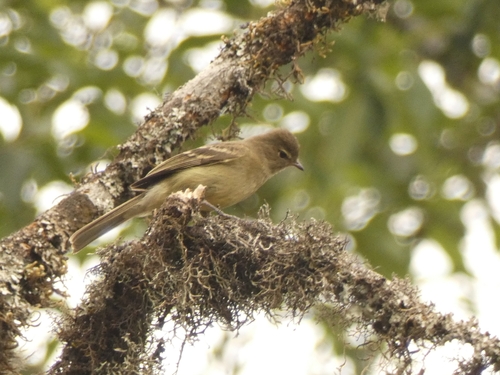 Fiofío Oscuro
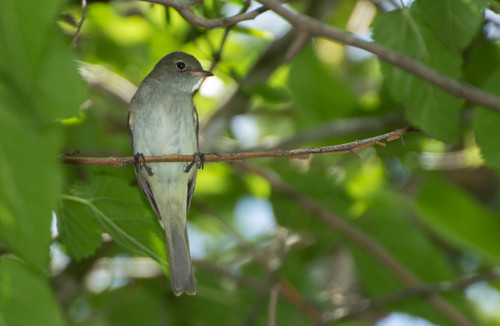 Fiofío Piquicorto
En breve
La forma más confiable de separar el Fiofío Oscuro del Fiofío Piquicorto es por su tamaño general y patrón de alas: el Fiofío Oscuro es notablemente más grande y pesado, con solo dos barras alares amarillentas, mientras que el Fiofío Piquicorto es más pequeño, más delicado y muestra tres barras alares blanquecinas. El tamaño del pico y el color de la cabeza también ayudan: el Fiofío Piquicorto tiene un pico notablemente más pequeño y fino y una corona de color verde oliva más brillante con una franja media blanca parcial, mientras que el pico del Fiofío Oscuro es más robusto y su cabeza es de un oliva grisáceo más oscuro sin cresta. Los juveniles del Fiofío Oscuro son más oscuros y de tono rufo en la parte superior, lo que puede ser una trampa para los desprevenidos. Ambas especies carecen de cresta, pero sus sutiles diferencias en el patrón de alas, pico y color de cabeza son clave para la separación en el campo, especialmente cuando se ven posadas o con buena luz.
Consejos de identificación
- Tamaño y Estructura: El Fiofío Oscuro es significativamente más grande y robusto que el Fiofío Piquicorto. Usa esto cuando ambos se vean juntos o con referencias de tamaño conocidas.
- Tamaño del Pico: El Fiofío Piquicorto tiene un pico notablemente más pequeño, fino y delicado, con una mandíbula superior ligeramente curvada. El pico del Fiofío Oscuro es más robusto y pesado. Esta es una marca clave cuando la cabeza es visible de perfil.
- Barras Alares: El Fiofío Oscuro muestra solo dos barras alares amarillentas (formadas por las puntas de las cobertoras de las alas), mientras que el Fiofío Piquicorto tiene tres barras alares blanquecinas. Cuenta las barras cuidadosamente con buena luz, ya que esta es una de las marcas de campo más confiables.
- Color y Patrón de la Cabeza: El Fiofío Piquicorto tiene una corona de color verde oliva brillante con una franja media blanca parcialmente visible (no siempre obvia), y un anillo ocular blanco delgado pero distintivo. La cabeza del Fiofío Oscuro es de un oliva grisáceo más oscuro, con mejillas más claras y un anillo ocular blanquecino más delgado y menos distintivo.
- Partes Superiores: El Fiofío Oscuro es de un oliva grisáceo oscuro en la parte superior, mientras que el Fiofío Piquicorto es mucho más brillante de color verde oliva. Esta diferencia es más obvia con buena luz y en aves con plumaje fresco.
- Cola: La cola del Fiofío Oscuro es oscura con puntas blancas en plumas frescas, mientras que la cola del Fiofío Piquicorto es oscura sin puntas blancas. Esta marca es sutil y puede perderse en aves desgastadas.
- Partes Inferiores: El Fiofío Oscuro tiene una barbilla, garganta, vientre y subcola de color amarillo pálido, con un pecho y flancos de oliva apagado. El Fiofío Piquicorto tiene una garganta y pecho grises (a veces con un lavado de oliva), y un vientre y subcola blanquecinos. El contraste entre el pecho gris y el vientre blanquecino es más marcado en el Fiofío Piquicorto.
- Plumaje Juvenil: El juvenil del Fiofío Oscuro es de un marrón rufo oscuro en la parte superior y blanco grisáceo sucio en la parte inferior, que es mucho más apagado y oscuro que cualquier Fiofío Piquicorto. Si ves un fiofío juvenil de tono rufo y apagado, es más probable que sea el Fiofío Oscuro.
- Cresta: Ninguna de las especies tiene cresta, por lo que esto no es útil para la separación, pero descarta otras especies de Elaenia con crestas obvias.
- Hábitat y Distribución: Si estás en bosques de montaña de los Andes en Argentina, Bolivia, Ecuador o Perú, es más probable que veas el Fiofío Oscuro. En hábitats de tierras bajas o abiertos y perturbados en gran parte de Sudamérica, especialmente fuera de los Andes, es más probable que veas el Fiofío Piquicorto.
- Comportamiento: El Fiofío Piquicorto es más propenso a unirse a bandadas de especies mixtas y forrajear en pequeños grupos, a veces flotando para recoger presas. El Fiofío Oscuro es menos frecuentemente descrito en bandadas.
- Vistas en Vuelo: En vuelo, busca el número y color de las barras alares y el tamaño general. El Fiofío Oscuro se verá más grande y mostrará dos barras amarillentas; el Fiofío Piquicorto se verá más pequeño y mostrará tres barras blanquecinas.
- Color de la Base del Pico: Ambas especies tienen una base del pico de color rosado, pero esto no es un separador fuerte.
- Sexo y Temporada: Ambas especies son sexualmente monomórficas, por lo que el sexo no es una marca de campo útil. La variación estacional no se describe como significativa para ninguna de las especies.
- Trampas: Ten cuidado con el plumaje desgastado (pérdida de puntas de cola o barras alares desvanecidas) y la mala luz, que pueden oscurecer marcas clave. El juvenil del Fiofío Oscuro puede ser especialmente confuso si esperas un ave más brillante.
Tamaño
El Fiofío Oscuro es el más grande de los dos, con una masa corporal de alrededor de 23.9 g y una longitud de 16–19 cm. El Fiofío Piquicorto es más pequeño y más delicado, midiendo 13–15 cm de longitud (sin datos directos de masa, pero descrito consistentemente como pequeño y delgado). En el campo, el Fiofío Oscuro se verá más robusto, con un cuerpo más pesado y un pico proporcionalmente más robusto, mientras que el Fiofío Piquicorto parece más pequeño y delgado en general.
Plumaje
- Juveniles: Los juveniles del Fiofío Oscuro son de un marrón rufo oscuro en la parte superior con un blanco grisáceo sucio en la parte inferior, careciendo de los tonos de oliva brillante del Fiofío Piquicorto adulto. Los juveniles del Fiofío Piquicorto no se describen específicamente, pero los adultos ya son mucho más brillantes y verdes en la parte superior.
- Adultos: El Fiofío Oscuro muestra una cabeza y partes superiores de color oliva grisáceo oscuro, con mejillas más claras y un anillo ocular blanquecino delgado. Sus alas son oscuras con bordes pálidos y dos barras alares amarillentas. La cola es oscura con puntas blancas (en plumas frescas). Las partes inferiores son de un oliva apagado en el pecho/flancos, amarillo pálido en el vientre y subcola. El Fiofío Piquicorto tiene una corona de color verde oliva brillante (con una franja media blanca parcial), partes superiores de color verde oliva brillante, y un anillo ocular blanquecino delgado pero distintivo. Las alas son oscuras con tres barras alares blanquecinas, y las plumas de vuelo tienen bordes blanquecinos estrechos. Su garganta y pecho son grises (a veces con un lavado de oliva), y el vientre/subcola son blanquecinos. La cola es oscura, careciendo de las puntas blancas de las plumas frescas del Fiofío Oscuro. El color del pico es similar en ambas, pero el del Fiofío Piquicorto es notablemente más pequeño y más delicado.
Comportamiento
Ambas especies son típicas de las elaenias en su comportamiento, forrajeando insectos y frutas, a menudo en el estrato medio o en el dosel. El Fiofío Piquicorto es conocido por unirse a bandadas de especies mixtas y a veces forrajear en pequeños grupos de su propia especie, y puede flotar brevemente para recoger presas. El comportamiento de forrajeo del Fiofío Oscuro se describe menos específicamente, pero es probable que sea similar. Ninguna de las especies es particularmente conspicua en el estilo de vuelo, pero el Fiofío Piquicorto puede parecer más activo e inquieto debido a su tamaño más pequeño y su construcción más ligera.
Hábitat
El Fiofío Oscuro se encuentra en regiones montañosas y de ladera de Argentina, Bolivia, Ecuador y Perú, típicamente en bordes de bosques, bosques abiertos y hábitats similares en elevaciones más altas. El Fiofío Piquicorto es mucho más extendido, ocurriendo en casi todos los países de América del Sur continental (excepto Chile), y es común en paisajes abiertos, bordes de bosques, crecimiento secundario, parques, jardines e incluso sabanas durante el invierno austral. En áreas de superposición, el Fiofío Piquicorto prefiere hábitats más abiertos, perturbados o de borde, mientras que el Fiofío Oscuro está más vinculado a bosques de mayor elevación o menos perturbados.