

Highland Elaenia vs Small-billed Elaenia
Elaenia obscura contro Elaenia parvirostris
Fai un quiz con Highland Elaenia e Small-billed Elaenia
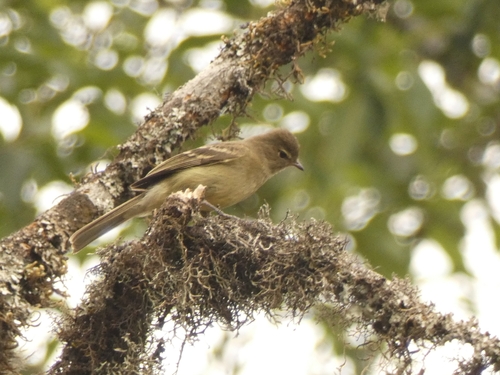 Highland Elaenia
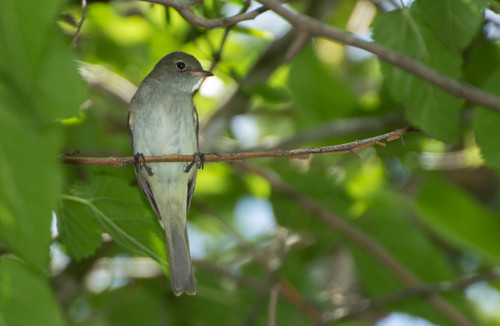 Small-billed Elaenia
In breve
Il modo più affidabile per separare Highland Elaenia da Small-billed Elaenia è attraverso le loro dimensioni complessive e il modello delle ali: Highland Elaenia è notevolmente più grande e pesante, con solo due barre alari giallastre, mentre Small-billed Elaenia è più piccola, più delicata e presenta tre barre alari biancastre. Anche la dimensione del becco e il colore della testa aiutano: Small-billed Elaenia ha un becco distintamente più piccolo e fine e una corona verde oliva più brillante con una striscia mediana bianca parziale, mentre il becco di Highland Elaenia è più tozzo e la sua testa è di un oliva grigiastra più scura senza cresta. Gli esemplari giovani di Highland Elaenia sono più scuri e con tonalità rugginose sopra, il che può essere un tranello per i meno esperti. Entrambe le specie non hanno una cresta, ma le loro sottili differenze nel modello delle ali, nel becco e nel colore della testa sono fondamentali per la separazione sul campo, specialmente quando sono viste posate o in buona luce.
Consigli di identificazione
- Size and Structure: Highland Elaenia è significativamente più grande e robusta di Small-billed Elaenia. Usa questo quando entrambe sono viste insieme o con riferimenti di dimensione noti.
- Bill Size: Small-billed Elaenia ha un becco distintamente più piccolo, fine e delicato, con una mandibola superiore leggermente curva. Il becco di Highland Elaenia è più tozzo e pesante. Questo è un segno chiave quando la testa è visibile di profilo.
- Wingbars: Highland Elaenia mostra solo due barre alari giallastre (formate dalle punte delle copritrici delle ali), mentre Small-billed Elaenia ha tre barre alari biancastre. Conta le barre con attenzione in buona luce, poiché questo è uno dei segni più affidabili sul campo.
- Head Color and Pattern: Small-billed Elaenia ha una corona verde oliva brillante con una striscia mediana bianca parzialmente visibile (non sempre ovvia), e un sottile ma distintivo anello oculare bianco. La testa di Highland Elaenia è di un oliva grigiastra più scura, con guance più chiare e un anello oculare bianco più sottile e meno distintivo.
- Upperparts: Highland Elaenia è di un oliva grigiastra scura sopra, mentre Small-billed Elaenia è molto più brillante di un verde oliva. Questa differenza è più evidente in buona luce e su uccelli con piumaggio fresco.
- Tail: La coda di Highland Elaenia è scura con punte bianche su piume fresche, mentre la coda di Small-billed Elaenia è scura senza punte bianche. Questo segno è sottile e potrebbe essere perso su uccelli usurati.
- Underparts: Highland Elaenia ha un mento, una gola, un ventre e un sottocoda giallo pallido, con un petto e fianchi di un oliva opaco. Small-billed Elaenia ha una gola e un petto grigi (a volte con una sfumatura oliva), e un ventre e sottocoda biancastri. Il contrasto tra il petto grigio e il ventre biancastro è più marcato in Small-billed Elaenia.
- Juvenile Plumage: Il giovane Highland Elaenia è di un marrone rugginoso scuro sopra e di un grigio sporco bianco sotto, che è molto più opaco e scuro rispetto a qualsiasi Small-billed Elaenia. Se vedi un elaenia giovane di tonalità rugginosa e opaca, è più probabile che sia Highland.
- Crest: Nessuna delle due specie ha una cresta, quindi questo non è utile per la separazione, ma esclude altre specie di Elaenia con creste evidenti.
- Habitat and Range: Se ti trovi nelle foreste montane delle Ande in Argentina, Bolivia, Ecuador o Perù, è più probabile che tu incontri Highland Elaenia. In habitat di pianura o aperti, disturbati in gran parte del Sud America, specialmente al di fuori delle Ande, è più probabile incontrare Small-billed Elaenia.
- Behavior: Small-billed Elaenia è più propensa a unirsi a stormi di specie miste e a foraggiare in piccoli gruppi, a volte sospendendosi per raccogliere prede. Highland Elaenia è meno frequentemente descritta in stormi.
- Flight Views: In volo, cerca il numero e il colore delle barre alari e la dimensione complessiva. Highland Elaenia apparirà più grande e mostrerà due barre giallastre; Small-billed Elaenia apparirà più piccola e mostrerà tre barre biancastre.
- Bill Base Color: Entrambe le specie hanno una base del becco di colore rosato, ma questo non è un forte separatore.
- Sex and Season: Entrambe le specie sono sessualmente monomorfiche, quindi il sesso non è un utile segno sul campo. La variazione stagionale non è descritta come significativa per nessuna delle due specie.
- Pitfalls: Fai attenzione al piumaggio usurato (perdita delle punte della coda o barre alari sbiadite) e alla scarsa illuminazione, che possono oscurare i segni chiave. Gli esemplari giovani di Highland Elaenia possono essere particolarmente confusi se ti aspetti un uccello più brillante.
Taglia
Highland Elaenia è la più grande delle due, con una massa corporea di circa 23.9g e una lunghezza di 16–19 cm. Small-billed Elaenia è più piccola e più delicata, misurando 13–15 cm di lunghezza (nessun dato diretto sulla massa, ma costantemente descritta come piccola e snella). Sul campo, Highland Elaenia apparirà più robusta, con un corpo più pesante e un becco proporzionalmente più tozzo, mentre Small-billed Elaenia appare più minuta e snella nel complesso.
Piumaggio
- Juveniles: Gli esemplari giovani di Highland Elaenia sono di un marrone rugginoso scuro sopra con un grigio sporco bianco sotto, privi delle tonalità verdi brillanti degli adulti di Small-billed Elaenia. Gli esemplari giovani di Small-billed Elaenia non sono specificamente descritti, ma gli adulti sono già molto più brillanti e verdi sopra.
- Adults: Highland Elaenia mostra una testa e parti superiori di un oliva grigiastra scura, con guance più chiare e un sottile anello oculare bianco. Le sue ali sono scure con bordi chiari e due barre alari giallastre. La coda è scura con punte bianche (su piume fresche). Le parti inferiori sono di un oliva opaco sul petto/fianchi, giallo pallido sul ventre e sottocoda. Small-billed Elaenia ha una corona verde oliva brillante (con una striscia mediana bianca parziale), parti superiori di un verde oliva brillante e un sottile ma distintivo anello oculare bianco. Le ali sono scure con tre barre alari biancastre, e le piume di volo hanno bordi bianchi stretti. La sua gola e il suo petto sono grigi (a volte con una sfumatura oliva), e il ventre/sottocoda sono biancastri. La coda è scura, priva delle punte bianche di Highland Elaenia fresca. Il colore del becco è simile in entrambe, ma quello di Small-billed Elaenia è notevolmente più piccolo e più delicato.
Comportamento
Entrambe le specie sono tipiche elaenias nel loro comportamento, foraggiando per insetti e frutta, spesso nel sottobosco o nella chioma. Small-billed Elaenia è nota per unirsi a stormi di specie miste e a volte per foraggiare in piccoli gruppi della propria specie, e può sospendersi brevemente per raccogliere prede. Il comportamento di foraggiamento di Highland Elaenia è meno specificamente descritto ma è probabilmente simile. Nessuna delle due specie è particolarmente appariscente nello stile di volo, ma Small-billed Elaenia può apparire più attiva e irrequieta a causa delle sue dimensioni più piccole e della sua struttura più leggera.
Habitat
Highland Elaenia si trova nelle regioni montane e collinari di Argentina, Bolivia, Ecuador e Perù, tipicamente ai margini delle foreste, in boschi aperti e habitat simili a elevate altitudini. Small-billed Elaenia è molto più diffusa, presente in quasi tutti i paesi del Sud America continentale (eccetto il Cile), ed è comune in paesaggi aperti, ai margini delle foreste, in crescita secondaria, parchi, giardini e persino savane durante l'inverno australe. Nelle aree di sovrapposizione, Small-billed Elaenia preferisce habitat più aperti, disturbati o ai margini, mentre Highland Elaenia è più legata a boschi di alta quota o meno disturbati.
Highland Elaenia · Small-billed Elaenia · I miei uccelli difficili