

Motmot

ヘルメットハエトリ 対 アクレコビトドリモドキ

Lophotriccus galeatus 対 Hemitriccus cohnhafti

ヘルメットハエトリとアクレコビトドリモドキのクイズ
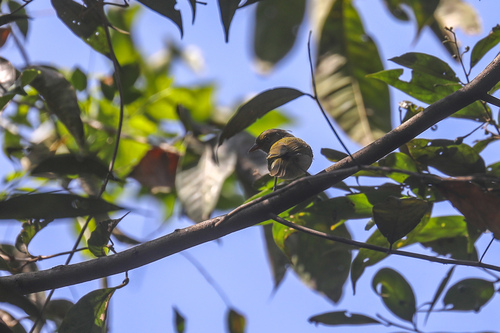
ヘルメットハエトリ (Lophotriccus galeatus) ヘルメットハエトリ
アクレコビトドリモドキ (Hemitriccus cohnhafti) アクレコビトドリモドキ

メディア

読み込み中…

要点

ヘルメットハエトリとアクレコビトドリモドキを区別する最も信頼できるフィールドマークは、ヘルメットハエトリに見られる特徴的な長い黒い時折立ち上がる冠の存在であり、アクレコビトドリモドキには決して見られません。さらに、ヘルメットハエトリは小さく、下側はより淡い色合いで、顔と下腹部は白っぽいのに対し、アクレコビトドリモドキは大きく、頭と下腹部は緑がかったオリーブ色で、顔には茶色の洗いがかかっています。両種は2本の翼のバーを示しますが、色と目立ち方は異なります。くちばしの形と色、虹彩の色、下部の縞模様も有用な手がかりを提供します。生息地の重複は可能ですが、アクレコビトドリモドキは範囲がより制限されています。

識別のコツ

  1. Crest presence: ヘルメットハエトリは、灰色がかったオリーブの縁を持つ長い黒い立ち上がる冠を示し、平らになっていてもよく見えます; アクレコビトドリモドキは決して冠を示しません。これはすべての年齢と季節において最も信頼できるフィールドマークです。
  2. Head pattern: ヘルメットハエトリは、対照的な白っぽいロアを持つ主にオリーブ色の顔をしています; アクレコビトドリモドキは、暗い縞模様のある緑がかったオリーブ色の頭と後頭部を持ち、ロアと顔には茶色の洗いがあります。淡いロアと茶色の洗いを見分けてください。
  3. Underparts color: ヘルメットハエトリは、淡い灰色の縞模様がある主に白っぽい下側を持っています; アクレコビトドリモドキは、喉と胸にクリーム色がかった黄色の縞模様があり、オリーブグリーンの側面と硫黄色の下腹部と尾の下部を持っています。全体的な印象は、ヘルメットハエトリの方がはるかに淡いです。
  4. Wing bars: 両種は2本の翼のバーを示しますが、ヘルメットハエトリのものは淡くオリーブ色の先端を持ち、アクレコビトドリモドキのものはより目立ち、黄色がかった茶色で、黒っぽい翼の覆い羽に対して際立っています。これは良い光の中で最も有用です。
  5. Wing and tail edges: ヘルメットハエトリは、暗い翼と尾にオリーブ色の縁を持っています; アクレコビトドリモドキは、飛行羽に黄色の外縁と白っぽい内縁を持ち、尾は黒っぽく、内側の羽は暗い緑色です。黄色の縁と緑のトーンは、アクレコビトドリモドキでより顕著です。
  6. Bill shape and color: ヘルメットハエトリは、下顎の基部がピンク色の灰色のくちばしを持っています; アクレコビトドリモドキは、基部が広く、大きな楕円形の鼻孔を持つ、平らで広いくちばしを持ち、下顎の基部がクリーム色の黒色です。くちばしの違いは微妙ですが、近距離で役立つことがあります。
  7. Iris color: ヘルメットハエトリは、黄色がかったオレンジ色の白い虹彩を持っています; アクレコビトドリモドキの虹彩はクリーム色から茶色がかったヘーゼルです。これは微妙で、フィールドでは常に見えるわけではありません。
  8. Leg color: ヘルメットハエトリは、灰色がかったピンクの足と足を持っています; アクレコビトドリモドリの足は灰色です。足の色は診断的であることは稀ですが、写真では役立つことがあります。
  9. Size and structure: ヘルメットハエトリは小さく、より繊細で、短く細いくちばしと全体的に小柄な印象を持っています。アクレコビトドリモドキは、より大きく、わずかに長い体と重いくちばしを持っています。これは、鳥が並んでいるときや、スケールのために知られた種と一緒にいるときに使用してください。
  10. Underpart streaking: ヘルメットハエトリの縞模様は淡く、白っぽい下部に灰色です; アクレコビトドリモドキの縞模様はオリーブグリーンにクリーム色がかった黄色で、喉と胸にのみ見られます。下腹部は無地で黄色です。
  11. Tail color: 両方とも暗い尾を持っていますが、ヘルメットハエトリの尾はオリーブ色の縁を持つ暗い色であり、アクレコビトドリモドキの尾は黒っぽく、内側の羽は暗い緑色です。これは微妙で、良い光の中で最もよく見えます。
  12. Vocalization: 短く低音のトリルの「ティック」という音を聞いた場合、アクレコビトドリモドキの可能性が高いです。歌がないことはヘルメットハエトリの診断にはなりません。
  13. Range and habitat: ボリビア、ブラジル、またはペルーの外にいる場合、アクレコビトドリモドキは除外できます。重複ゾーン内では、生息地は診断的ではありませんが、ヘルメットハエトリはより広範囲に分布しています。
  14. Sex and age: 両種は、両性およびすべての年齢で似た羽毛を持っています; 年齢特有の翼や尾のパターンは報告されていません。すべての個体に対して冠と下部の色に焦点を当ててください。
  15. Common pitfalls: ヘルメットハエトリの淡い翼のバーとオリーブ色のトーンは見落とされることがあり、アクレコビトドリモドキよりもさらに地味に見えることがあります。たとえ完全に立ち上がっていなくても、常に冠を確認し、直接比較がない限りサイズのみに依存しないでください。

大きさ

ヘルメットハエトリは明らかに小さく、平均して約6.6gの質量と10cmの長さです。アクレコビトドリモドキは大きく、約11cmで、少なくとも9g(単一のオスに基づく)です。フィールドでは、ヘルメットハエトリは明らかにより小柄で繊細に見え、全体的により細い構造を持っています。

羽色

どちらの種にも年齢特有の幼鳥や未熟な翼のパターンは記載されていないため、焦点は成鳥の羽毛にあります。ヘルメットハエトリは、灰色がかったオリーブの縁を持つ独特の長い黒い冠を持ち、立ち上げたり平らにしたりでき、頭の後ろを越えて伸びます。顔はオリーブ色で、対照的な白っぽいロアを持ち、下部は主に白っぽく、淡い灰色の縞模様があります。翼は暗い色でオリーブ色の縁があり、2本の淡い翼のバーがあります。尾は暗い色でオリーブ色の縁があります。それに対して、アクレコビトドリモドキは冠がなく、暗い縞模様のある緑がかったオリーブ色の頭を持ち、ロアと顔には茶色の洗いがあります。下部はオリーブグリーンで、喉と胸にクリーム色がかった黄色の縞模様があり、無地のオリーブグリーンの側面と硫黄色の下腹部と尾の下部を持っています。翼は黒っぽく、黄色の外縁と2本の黄色がかった茶色の翼のバーがあり、ヘルメットハエトリよりも目立ちます。尾は黒っぽく、内側の羽は暗い緑色です。

行動

両種は小さく、活発なフライキャッチャーであり、森林や林の下層から中層でひらひらしているのが見られる可能性が高いです。情報源には詳細な行動の違いは記載されておらず、両方とも昆虫を捕まえたり、止まり木の間を短い飛行をするのが見られるかもしれません。ヘルメットハエトリは、その小さなサイズのために、さらに落ち着きがなく繊細に見えることがあります。

生息環境

ヘルメットハエトリは、ブラジル、コロンビア、フランス領ギアナ、ガイアナ、ペルー、スリナム、ベネズエラに見られ、より多様な森林生息地で遭遇する可能性が高いです。アクレコビトドリモドキはより制限されており、ボリビア、ブラジル、ペルーにのみ見られます。両種はアマゾン地域に生息しているため、西アマゾニアでの重複が可能です。生息地だけではアクレコビトドリモドキの範囲外でない限り診断的ではありません。

声

アクレコビトドリモドキの声のみが記載されています: 短く低音のトリルの「ティック」という音で、通常は導入音なしで、単音の「スケップ」または「キーク」コールがあり、時には低い周波数の「クプ」コールと組み合わされることがあります。ヘルメットハエトリの声の記述はないため、アクレコビトドリモドキの特徴的なトリルが聞こえない限り、声は信頼できる区別にはなりません。

より良い説明を送る

比較と同じ項目を使ってください。文章はすぐに公開されます。

The most reliable field mark to separate Helmeted Pygmy-Tyrant from Acre Tody-Tyrant is the presence of a distinctive long, black, sometimes-erectile crest on the Helmeted Pygmy-Tyrant, which is never shown by Acre Tody-Tyrant. In addition, Helmeted Pygmy-Tyrant is smaller and paler below, with a whitish face and underparts, while Acre Tody-Tyrant is larger, with a greenish olive head and underparts, and a tawny wash on the face. Both species show two wing bars, but the color and prominence differ. Bill shape and color, iris color, and underpart streaking also provide useful clues. Habitat overlap is possible, but Acre Tody-Tyrant is more restricted in range.

  1. Crest presence: Helmeted Pygmy-Tyrant shows a long, black, erectile crest with grayish olive edges, often visible even when flattened; Acre Tody-Tyrant never shows a crest. This is the single most reliable field mark for all ages and seasons.
  2. Head pattern: Helmeted Pygmy-Tyrant has a mostly olive face with contrasting whitish lores; Acre Tody-Tyrant has a greenish olive head and nape with darker streaks and a tawny wash on the lores and face. Look for the pale lores versus tawny wash.
  3. Underparts color: Helmeted Pygmy-Tyrant is mostly whitish below with faint gray streaks; Acre Tody-Tyrant is olive-green on the throat and breast with creamy yellowish streaks, olive-green flanks, and a sulphur-yellow lower belly and undertail. The overall impression is much paler below in Helmeted Pygmy-Tyrant.
  4. Wing bars: Both species show two wing bars, but Helmeted Pygmy-Tyrant's are faint and olive-tipped, while Acre Tody-Tyrant's are more prominent, yellowish tawny, and stand out against the blackish wing coverts. This is most useful in good light.
  5. Wing and tail edges: Helmeted Pygmy-Tyrant has olive edges on dusky wings and tail; Acre Tody-Tyrant has yellow outer edges and whitish inner edges on the flight feathers, and the tail is blackish with dark green inner vanes. The yellow edges and green tones are more pronounced in Acre Tody-Tyrant.
  6. Bill shape and color: Helmeted Pygmy-Tyrant has a gray bill with a pink base to the mandible; Acre Tody-Tyrant has a flatter, broader bill with a wide base, large oval nostrils, black with a creamy base to the mandible. Bill differences are subtle but can help at close range.
  7. Iris color: Helmeted Pygmy-Tyrant has a yellowish to orangish white iris; Acre Tody-Tyrant's iris is cream to brownish hazel. This is subtle and not always visible in the field.
  8. Leg color: Helmeted Pygmy-Tyrant has grayish pink legs and feet; Acre Tody-Tyrant's are gray. Leg color is rarely diagnostic but may help in photos.
  9. Size and structure: Helmeted Pygmy-Tyrant is smaller and more delicate, with a shorter, finer bill and overall petite jizz. Acre Tody-Tyrant is bulkier, with a slightly longer body and heavier bill. Use this when birds are side by side or with known species for scale.
  10. Underpart streaking: Helmeted Pygmy-Tyrant's streaking is faint and gray on whitish underparts; Acre Tody-Tyrant's streaking is creamy yellowish on olive-green, and only on throat and breast. The lower belly is unstreaked and yellow in Acre Tody-Tyrant.
  11. Tail color: Both have dark tails, but Helmeted Pygmy-Tyrant's is dusky with olive edges, while Acre Tody-Tyrant's is blackish with dark green inner vanes. This is subtle and best seen in good light.
  12. Vocalization: If you hear a short, low-pitched trill of 'tick' notes without introductory notes, it's likely Acre Tody-Tyrant. Lack of song is not diagnostic for Helmeted Pygmy-Tyrant.
  13. Range and habitat: If outside Bolivia, Brazil, or Peru, Acre Tody-Tyrant can be ruled out. Within overlap zones, habitat is not diagnostic, but Helmeted Pygmy-Tyrant is more widespread.
  14. Sex and age: Both species have similar plumage in both sexes and all described ages; no age-specific wing or tail patterns are reported. Focus on crest and underpart color for all individuals.
  15. Common pitfalls: The faint wing bars and olive tones of Helmeted Pygmy-Tyrant can be overlooked, making it appear even plainer than Acre Tody-Tyrant. Always check for the crest, even if not fully raised, and do not rely solely on size unless you have a direct comparison.

Helmeted Pygmy-Tyrant is distinctly smaller, averaging about 6.6 g in mass and 10 cm in length. Acre Tody-Tyrant is larger, at about 11 cm and at least 9 g (based on a single male). In the field, Helmeted Pygmy-Tyrant will appear noticeably more petite and delicate, with a finer structure overall.

No age-specific juvenile or immature wing patterns are described for either species, so focus is on adult plumage. Helmeted Pygmy-Tyrant has a unique long black crest with grayish olive edges, which can be raised or flattened, extending beyond the rear of the head. Its face is olive with contrasting whitish lores, and the underparts are mostly whitish with faint gray streaks. The wings are dusky with olive edges and two faint wing bars. The tail is dusky with olive edges. In contrast, Acre Tody-Tyrant lacks a crest, has a greenish olive head with darker streaks on the crown, and a tawny wash on the lores and face. Its underparts are olive-green with creamy yellowish streaks on the throat and breast, unstreaked olive-green flanks, and a sulphur-yellow lower belly and undertail. The wings are blackish with yellow outer edges and two yellowish tawny wing bars, more prominent than in Helmeted Pygmy-Tyrant. The tail is blackish with dark green inner vanes.

Both species are small, active flycatchers, likely to be seen flitting in the lower to mid-levels of forest or woodland. There are no detailed behavioral differences described in the sources; both may be seen sallying for insects or making short flights between perches. Helmeted Pygmy-Tyrant may appear even more restless and delicate due to its smaller size.

Helmeted Pygmy-Tyrant has a broader range, found in Brazil, Colombia, French Guiana, Guyana, Peru, Suriname, and Venezuela, and is likely to be encountered in a wider variety of forested habitats. Acre Tody-Tyrant is more restricted, found only in Bolivia, Brazil, and Peru. Both species occur in Amazonian regions, so overlap is possible in western Amazonia. Habitat alone is not diagnostic unless outside the range of Acre Tody-Tyrant.

Only Acre Tody-Tyrant's vocalizations are described: a short, low-pitched trill of 'tick' notes, usually without introductory notes, and single-note 'skep' or 'keek' calls, sometimes combined with lower frequency 'kup' calls. No vocal description is given for Helmeted Pygmy-Tyrant, so voice is not a reliable separator unless Acre Tody-Tyrant's distinctive trill is heard.

変更を破棄しますか?

保存していない編集があります。今離れると失われます。

ヘルメットハエトリ · アクレコビトドリモドキ · 苦手な鳥