
Motmot

ハワイノスリ 対 アレチノスリ

Buteo solitarius 対 Buteo swainsoni

ハワイノスリとアレチノスリのクイズ
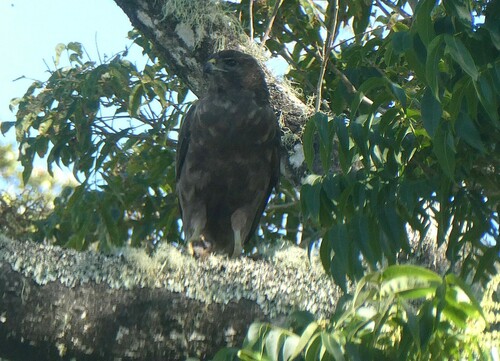
ハワイノスリ (Buteo solitarius) ハワイノスリ
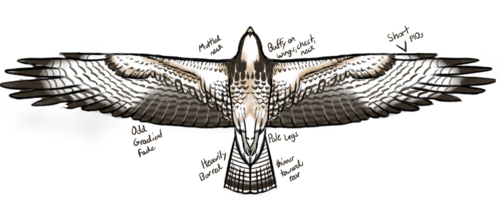
アレチノスリ (Buteo swainsoni) アレチノスリ

メディア

読み込み中…

要点

ハワイノスリとアレチノスリの最も信頼できるフィールドでの識別は、飛行中の翼の下の模様です:アレチノスリ(特に明色型の成鳥と幼鳥)は、飛行羽毛の暗い後縁と対照的な非常に淡い翼の下の覆羽を示しますが、ハワイノスリ(両方の型)はこの鋭い対比が欠けています。アレチノスリはまた、明らかに大きく、翼が長く、スリムで浮遊感のある飛行スタイルを持っています。両種の羽毛の変異は混乱を引き起こす可能性がありますが、翼の下の模様、尾の帯、全体の構造に注意を払うことで識別できます。地理的な文脈も重要です:ハワイノスリはハワイのビッグアイランドに特有であり、アレチノスリは北アメリカで広く移動する種であり、ハワイには存在しません。

識別のコツ

  1. 飛行中の翼の下の模様(すべての年齢): アレチノスリは、北アメリカのブテオの中で独特な特徴である、鋭く対照的な暗い後縁を持つ淡い翼の下の覆羽を示します。ハワイノスリはこれが欠けており、両方の型は大胆な後縁のないより均一な翼の下を持っています。
  2. 尾の模様: アレチノスリは、いくつかの狭い暗い帯と広い亜終帯を持つ灰褐色の尾を持っています。ハワイノスリの尾は、より明確に帯がなく、より均一です。
  3. 羽毛の型: 両種は明色型と暗色型を持っていますが、アレチノスリの明色型は常に白い喉と顔の斑点、そして赤褐色の胸の「ビブ」を示しますが、ハワイノスリの明色型は暗い頭と淡い腹部を持ちますが、ビブと顔の斑点が欠けています。
  4. 幼鳥の特徴: 幼鳥のアレチノスリは、腹部が淡く、斑点のある側面と胸を持ち、尾の帯はあまり鮮明ではありませんが、まだ見えます。ハワイノスリの幼鳥はそれぞれの型の成鳥に似ていますが、緑がかった足と足を持っています。
  5. 足と足の色: 成鳥のハワイノスリは黄色の足と足を持ち、幼鳥は緑がかった足を持っています。アレチノスリの足はすべての年齢で黄色ですが、フィールドで見る可能性は低いです。
  6. サイズと構造: アレチノスリは大きく、翼が長く、尾が長く、スリムでより細長いシルエットを持っています。ハワイノスリはよりコンパクトで翼が広く、止まっている時も飛行中もより頑丈に見えます。
  7. 飛行スタイル: アレチノスリは、翼を浅い二面角に持って浮遊し、浮遊感のある滑空飛行をします。ハワイノスリは平らな翼で浮遊し、飛行中はより重く、より直接的に見えます。
  8. 顔の模様: アレチノスリ(明色型)は白い顔と喉を示し、赤褐色のビブと対照的です。ハワイノスリ(明色型)は暗い頭を持ち、白い顔が欠けています。
  9. 繁殖期の黄色い前頭部: 繁殖中のハワイノスリは、くちばしの上に黄色の斑点を示すことがありますが、アレチノスリにはありません。
  10. 生息地と範囲: ハワイノスリはハワイのビッグアイランドに特有で、原生林に生息しています。アレチノスリは北アメリカと南アメリカの開けた国の移動種であり、ハワイには存在しません。
  11. 行動: アレチノスリはしばしば地面に止まり、農業機械を追い、移動中に群れを形成します。ハワイノスリは孤独またはペアで、地面に止まることはまれで、群れでは見られません。
  12. 暗色型の混乱: 両種は暗色型を持っていますが、アレチノスリの暗色型は尾の下に淡い斑点と尾の帯を保持しているのに対し、ハワイノスリの暗色型はより均一に暗いです。
  13. 季節的文脈: アレチノスリは繁殖期に北アメリカに存在し、冬には南アメリカに移動します。ハワイノスリはビッグアイランドに年間を通じて生息しています。
  14. 止まっている姿勢: アレチノスリは止まっている時に足が長く、より直立して見えますが、ハワイノスリはよりコンパクトでずんぐりしています。
  15. 声: 利用可能な情報では診断的ではありません。

大きさ

アレチノスリはハワイノスリよりも明らかに大きく、重く、平均体重は約958.5 gで、ハワイノスリの平均雌の体重は605 g、雄の体重は441 gです。アレチノスリはまた、より長く、スリムな体型を持ち、相対的に長い翼と尾を持っているため、止まっている時も飛行中もより細長いシルエットを持っています。ハワイノスリはよりコンパクトで翼が広く、頑丈な外観を持っています。

羽色

幼鳥と成鳥のアレチノスリ(特に明色型)は、飛行中の診断的な翼の下の模様を示します:淡い翼の下の覆羽(「裏地」)が暗い飛行羽毛から鋭く区別され、鮮やかな対比と暗い後縁を形成します。尾は灰褐色で、いくつかの狭い暗い帯と広い亜終帯を持ち、すべての年齢で見られますが、幼鳥ではあまり鮮明ではありません。明色型の成鳥は、赤褐色の胸の「ビブ」と白い喉と顔の斑点を持つ白い腹部を持っています。幼鳥は全体的に淡く、胸と側面に斑点があり、羽毛の摩耗により頭が淡く見えることがあります。暗色型は主に暗い茶色ですが、尾の下に淡い斑点と同様の尾の帯を保持しています。ハワイノスリは2つの色型があります:暗色相(すべて暗い茶色)と明色相(暗い頭、淡い胸と翼の下)ですが、どちらの型もアレチノスリの鋭い翼の下の対比を示しません。ハワイノスリの尾はあまり明確に帯がなく、成鳥は黄色の足と足を持ち(幼鳥は緑がかっています)。繁殖中には、1羽の個体(おそらく雌)がくちばしの上に黄色の前頭部を持つことがありますが、これはアレチノスリには見られません。

行動

アレチノスリはしばしば翼を浅い二面角に持って浮遊し、高度に移動性があり、移動中に大きな群れを形成し、開けた国で昆虫を捕食することがよくあります。しばしばポール、木、または地面に止まり、獲物を求めて農業機械や火を追うことが見られます。ハワイノスリはより定住的で、領土意識が強く、通常は孤独またはペアで見られます。主に原生林で浮遊または止まっているのが見られ、開けた国ではまれで、群れを形成しません。

生息環境

ハワイノスリはハワイのビッグアイランドに厳密に限定されており、原生のオヒアレフアの森で繁殖し、この範囲外では見られません。アレチノスリは北アメリカ西部の開けた国、草原、農業地域に生息し、冬には南アメリカに移動します。生息地だけでも通常は診断的です:ハワイで見られるブテオはほぼ確実にハワイノスリであり、アレチノスリはそこには存在しません。

より良い説明を送る

比較と同じ項目を使ってください。文章はすぐに公開されます。

The most reliable field separation between Hawaiian Hawk and Swainson's Hawk is the underwing pattern in flight: Swainson's Hawk (especially light-morph adults and juveniles) shows strikingly pale underwing coverts with a contrasting dark trailing edge to the flight feathers, while Hawaiian Hawk (both morphs) lacks this sharp contrast. Swainson's Hawk is also noticeably larger and longer-winged, with a slimmer, more buoyant flight style. Plumage variation in both species can cause confusion, especially with dark morphs, but careful attention to underwing pattern, tail banding, and overall structure will separate them. Geographic context is also crucial: Hawaiian Hawk is endemic to the Big Island of Hawaiʻi, while Swainson's Hawk is a widespread migrant in North America and never occurs in Hawaiʻi.

  1. Underwing pattern in flight (all ages): Swainson's Hawk shows pale underwing coverts with a sharply contrasting dark trailing edge (flight feathers), a unique feature among North American Buteos. Hawaiian Hawk lacks this; both morphs have more uniform underwings without a bold trailing edge.
  2. Tail pattern: Swainson's Hawk has a gray-brown tail with several narrow dark bands and a broad subterminal band. Hawaiian Hawk's tail is less distinctly banded and more uniform.
  3. Plumage morphs: Both species have light and dark morphs, but Swainson's light morph always shows a white throat and face patch and a rufous chest 'bib', while Hawaiian Hawk's light morph has a dark head and pale underparts but lacks the bib and face patch.
  4. Juvenile marks: Juvenile Swainson's Hawks are paler below with mottled flanks and chest, and the tail bands are less crisp but still visible. Hawaiian Hawk juveniles resemble adults in their respective morphs but have greenish legs and feet.
  5. Leg and foot color: Adult Hawaiian Hawks have yellow legs and feet; juveniles have greenish legs. Swainson's Hawk legs are yellow in all ages but are less likely to be seen in the field.
  6. Size and structure: Swainson's Hawk is larger, longer-winged, and longer-tailed, with a slimmer, more elongated silhouette. Hawaiian Hawk is more compact and broad-winged, appearing stockier both perched and in flight.
  7. Flight style: Swainson's Hawk soars with wings in a shallow dihedral and has a buoyant, gliding flight. Hawaiian Hawk soars on flat wings and appears heavier and more direct in flight.
  8. Facial pattern: Swainson's Hawk (light morph) shows a white face and throat, contrasting with the rufous bib. Hawaiian Hawk (light morph) has a dark head and lacks the white face.
  9. Yellow forecap (breeding season): Breeding Hawaiian Hawks may show a yellow patch above the bill, not present in Swainson's Hawk.
  10. Habitat and range: Hawaiian Hawk is endemic to the Big Island of Hawaiʻi and found in native forests. Swainson's Hawk is a migrant of open country in North and South America and never occurs in Hawaiʻi.
  11. Behavior: Swainson's Hawk often perches on the ground, follows farm equipment, and forms flocks during migration. Hawaiian Hawk is solitary or in pairs, rarely perches on the ground, and is not seen in flocks.
  12. Dark morph confusion: Both species have dark morphs, but Swainson's dark morph retains a pale patch under the tail and tail banding, while Hawaiian Hawk's dark morph is more uniformly dark.
  13. Seasonal context: Swainson's Hawk is present in North America during the breeding season and migrates to South America in winter; Hawaiian Hawk is resident year-round on the Big Island.
  14. Perched posture: Swainson's Hawk appears longer-legged and more upright when perched, while Hawaiian Hawk is more compact and squat.
  15. Voice: Not diagnostic with available information.

Swainson's Hawk is significantly larger and heavier than Hawaiian Hawk, with an average body mass of about 958.5 g compared to the Hawaiian Hawk's average female mass of 605 g and male mass of 441 g. Swainson's Hawk also has a longer, more slender build and proportionally longer wings and tail, giving it a rangier silhouette both perched and in flight. Hawaiian Hawk is more compact and broad-winged, with a stockier appearance.

Juvenile and adult Swainson's Hawks (especially light morphs) show a diagnostic underwing pattern in flight: pale underwing coverts (the 'linings') sharply set off from dark flight feathers, forming a bold contrast and a dark trailing edge. The tail is gray-brown with several narrow dark bands and a wider subterminal band, visible in all ages but less crisp in juveniles. Light-morph adults have a white underside with a rufous chest 'bib' and a white throat and face patch. Juveniles are paler overall, with mottling on the chest and flanks, and the head can appear pale due to feather wear. Dark morphs are mostly dark brown but retain a pale patch under the tail and similar tail banding. Hawaiian Hawk comes in two color morphs: dark phase (all dark brown) and light phase (dark head, pale breast and underwings), but neither morph shows the sharp underwing contrast of Swainson's. Hawaiian Hawk's tail is less distinctly banded, and adults have yellow legs and feet (juveniles greenish). During breeding, one member (likely the female) may have a yellow forecap above the bill, a feature not found in Swainson's.

Swainson's Hawk often soars with wings held in a shallow dihedral and is highly migratory, forming large flocks during migration and often foraging on insects in open country, sometimes on the ground. It frequently perches on poles, trees, or even the ground, and may be seen following farm equipment or fires for prey. Hawaiian Hawk is more sedentary, territorial, and typically solitary or in pairs. It is mostly seen soaring or perched in native forests, rarely in open country, and does not form flocks.

Hawaiian Hawk is strictly limited to the Big Island of Hawaiʻi, breeding in native ʻōhiʻa lehua forests and not found outside this range. Swainson's Hawk inhabits open country, grasslands, and agricultural areas across western North America, and migrates to South America for the winter. Habitat alone is usually diagnostic: a Buteo seen in Hawaiʻi is almost certainly a Hawaiian Hawk, while Swainson's Hawk is never found there.

変更を破棄しますか?

保存していない編集があります。今離れると失われます。

ハワイノスリ · アレチノスリ · 苦手な鳥