

Motmot

ハワイオオバン 対 アメリカオオバン

Fulica alai 対 Fulica americana

ハワイオオバンとアメリカオオバンのクイズ
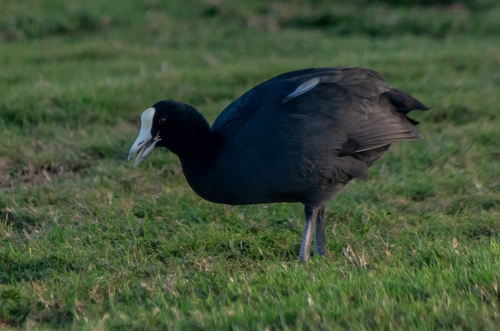
ハワイオオバン (Fulica alai) ハワイオオバン
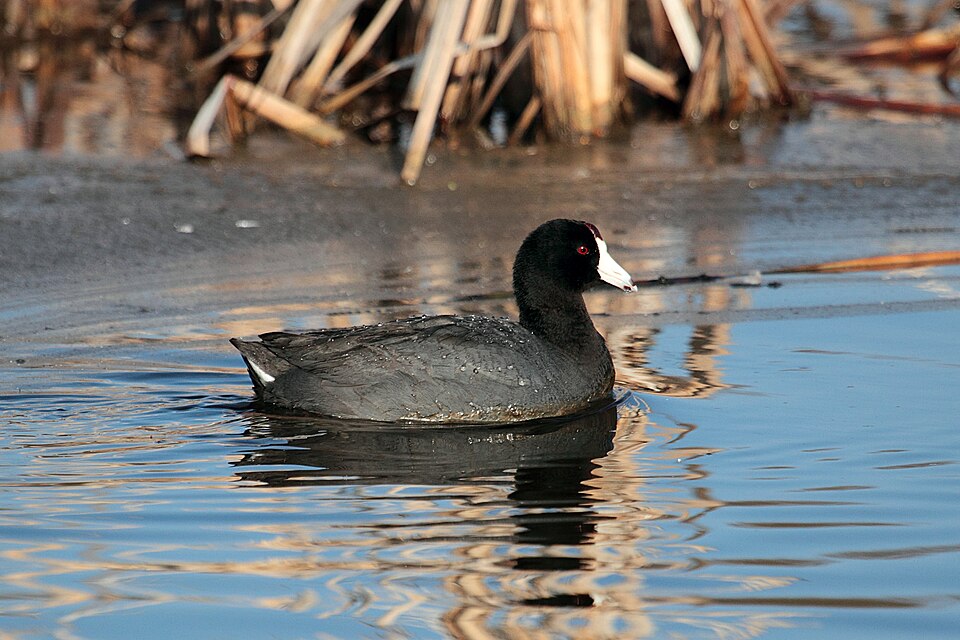
アメリカオオバン (Fulica americana) アメリカオオバン

メディア

読み込み中…

要点

ハワイオオバンとアメリカオオバンの最も信頼できるフィールドマークは、くちばしと前盾のパターンと色です:ハワイオオバンはクリーンな全白の盾とくちばしを示し、アメリカオオバンは通常、くちばしの上部近くに赤褐色の斑点がある白い盾を持っています。両種はサイズと形が似ており、全体的に黒っぽい羽毛を持っていますが、分布域は重なりません:ハワイオオバンはハワイに特有であり、アメリカオオバンは北アメリカ全体に広がっています。ハワイオオバンの幼羽は詳細には記述されていませんが、アメリカオオバンの幼鳥はオリーブブラウンの冠と灰色の体を持ち、約4ヶ月で成鳥のような黒っぽい羽毛に換羽します。フィールドでは、文脈と盾の色が最良の手がかりです。

識別のコツ

  1. 前盾とくちばしの色(すべての年齢): ハワイオオバンはクリーンな全白の前盾とくちばしを持ち、アメリカオオバンは通常、盾の上部近くに赤褐色の斑点を示します。これは、近距離または良好な光学機器での最も信頼できるフィールドマークです。
  2. 地理的分布: ハワイオオバンはハワイに特有であり、アメリカオオバンはそこには見られません。ハワイでバードウォッチングをしている場合、ほぼ確実にハワイオオバンを見ていることになります。北アメリカの本土や他の場所にいる場合は、アメリカオオバンです。
  3. 幼羽: アメリカオオバンの幼鳥は色が薄く、オリーブブラウンの冠と灰色の体を持ち、約4ヶ月で成鳥のような黒っぽい羽毛に換羽します。ハワイオオバンの幼鳥は詳細には記述されていませんが、成鳥に似ている可能性が高いため、色が薄い灰色の幼鳥はアメリカオオバンの可能性が高いです。
  4. サイズと構造: 両種はサイズと形が非常に似ており、わずかな違いしかありません。アメリカオオバンの雌はわずかに小さいですが、これはフィールドでは信頼できません。
  5. 性差: 両種は性別による形態的差異がなく、性別を使って区別しないでください。
  6. 足と脚: 両方とも広い、 lobed toes(ウェブがない)を持っており、これはオオバンの特徴であり、これら二つを区別するのには役立ちません。
  7. 行動: 両方とも似たように泳ぎ、歩きます。アメリカオオバンは繁殖期以外に特に大きな群れで見られることがあり、ハワイオオバンはより局所的で数が少ないです。
  8. 生息地: ハワイオオバンはハワイの淡水および塩水湿地に制限されています。アメリカオオバンは北アメリカ全体のさまざまな湿地生息地で見られます。
  9. 声: 利用可能な情報源には診断的な声の違いは記述されていません。
  10. 飛行時の視点: どちらの種も年齢に関係なく、特有の上翼や飛行パターンの違いは記述されていません;両方とも飛行中は地味な暗い翼を示します。
  11. 落とし穴: 主な落とし穴は、すべてのオオバンが同じ種であると仮定することです、特にハワイでは。常に盾の色を確認し、位置を考慮してください。
  12. 季節的文脈: アメリカオオバンは一部の地域で年間を通じて存在することがありますが、その数と群れの行動は季節によって変わります。ハワイオオバンは移動せず、適切な生息地で年間を通じて存在します。
  13. 盾の斑点の可視性: アメリカオオバンの盾の赤褐色の斑点は、暗い光や距離で微妙または隠されることがあります。可能であれば複数のマークを使用してください。
  14. 保全状況: ハワイオオバンは絶滅危惧種であり希少です;アメリカオオバンは一般的で広範囲に分布しています。これはフィールドでの期待を設定するのに役立ちます。
  15. チェックリストアプローチ: ハワイでは、他に強い証拠がない限り、ハワイオオバンをデフォルトとしてください。他の場所では、アメリカオオバンを仮定してください。

大きさ

両種はサイズが非常に似ています:ハワイオオバンは長さ33–40.6 cm(13–16 in)で、約700 gの重さがありますが、アメリカオオバンは34–43 cm(13–17 in)で、オスは576–848 g、メスは427–628 gの重さがあります。かなりの重なりがあり、サイズだけではフィールドでの区別には信頼できません。両方とも短い尾と丸い翼を持つコンパクトなレールのような体型です。アメリカオオバンの雌は平均してわずかに小さいですが、これは微妙であり、距離では診断的ではありません。

羽色

行動

両種は似たように行動し、開水で泳ぎ、陸上で独特のやや不器用な歩き方をします。アメリカオオバンは特に繁殖期における攻撃的な領土防衛で知られ、繁殖期以外には大きな群れで見られることがよくあります。ハワイオオバンは絶滅危惧種でありハワイに制限されているため、大きな群れで見られる可能性は低く、より警戒心が強いかもしれません。両種は広い、 lobed toesを持ち、ウェブのない足を持っており、これは水から出て歩いたり立ったりする際に見えます。

生息環境

ハワイオオバンはハワイに特有であり、淡水湖、湿地、沿岸の潟、島の水貯蔵エリアにのみ見られます。アメリカオオバンは北アメリカ全体に広がり、湿地、湖、池で繁殖し、さまざまな淡水および時には塩水の生息地で越冬します。ハワイの外にいる場合、どのオオバンもほぼ確実にアメリカオオバンです。ハワイ内ではアメリカオオバンは期待されていないため、見られるオオバンはほぼ確実にハワイオオバンです。フィールドでの生息地の重なりは問題ではありませんが、同定には文脈が重要です。

より良い説明を送る

比較と同じ項目を使ってください。文章はすぐに公開されます。

The most reliable field mark between Hawaiian Coot and American Coot is the pattern and color of the bill and frontal shield: Hawaiian Coots show a clean, all-white shield and bill, while American Coots typically have a white shield with a reddish-brown spot near the top of the bill. Both species are similar in size and shape, with overall blackish plumage, but their ranges do not overlap: Hawaiian Coot is strictly endemic to Hawaii, while American Coot is widespread across North America. Juvenile plumages are not described in detail for Hawaiian Coot, but American Coot juveniles are paler with olive-brown crowns and grayish bodies. In the field, context and shield color are your best clues.

  1. Frontal shield and bill color (all ages): Hawaiian Coot has a clean, all-white frontal shield and bill, while American Coot usually shows a reddish-brown spot near the top of the shield. This is the most reliable field mark at close range or with good optics.
  2. Geographic range: Hawaiian Coot is endemic to Hawaii; American Coot is not found there. If you are birding in Hawaii, you are almost certainly seeing Hawaiian Coot. If you are on the mainland or elsewhere in North America, it is American Coot.
  3. Juvenile plumage: American Coot juveniles are paler, with olive-brown crowns and grayish bodies, before molting into adult-like blackish plumage by about 4 months. Hawaiian Coot juveniles are not described in detail but are likely similar to adults, so a pale, grayish juvenile is more likely American Coot.
  4. Size and structure: Both species are very similar in size and shape, with only subtle differences. American Coot females are slightly smaller, but this is not reliable in the field.
  5. Sex differences: Both species are sexually monomorphic; do not use sex to separate them.
  6. Feet and legs: Both have broad, lobed toes (not webbed), which is a coot trait and not useful for separating these two.
  7. Behavior: Both swim and walk in a similar manner. American Coots may be seen in larger flocks, especially outside the breeding season, while Hawaiian Coots are more localized and less numerous.
  8. Habitat: Hawaiian Coots are restricted to freshwater and brackish wetlands in Hawaii. American Coots are found in a wide range of wetland habitats across North America.
  9. Voice: No diagnostic vocal differences are described in the available sources.
  10. Flight views: No distinctive upperwing or flight pattern differences are described for either species at any age; both show plain dark wings in flight.
  11. Pitfalls: The main pitfall is assuming all coots are the same species, especially in Hawaii. Always check the shield color and consider your location.
  12. Seasonal context: American Coots may be present year-round in some areas, but their numbers and flocking behavior change with season. Hawaiian Coots do not migrate and are present year-round in suitable habitat.
  13. Shield spot visibility: The reddish-brown spot on American Coot's shield can be subtle or obscured in poor light or at distance. Use multiple marks if possible.
  14. Conservation status: Hawaiian Coot is endangered and rare; American Coot is common and widespread. This can help set expectations in the field.
  15. Checklist approach: In Hawaii, default to Hawaiian Coot unless there is strong evidence otherwise. Elsewhere, assume American Coot.

Both species are very similar in size: Hawaiian Coot measures 33–40.6 cm (13–16 in) in length and weighs around 700 g, while American Coot is 34–43 cm (13–17 in) long, with males weighing 576–848 g and females 427–628 g. There is significant overlap, and size alone is not reliable for separation in the field. Both have a compact, rail-like build with short tails and rounded wings. Females of American Coot are slightly smaller on average, but this is subtle and not diagnostic at a distance.

  • Juvenile/immature plumage: American Coot juveniles are distinctly paler than adults, with olive-brown crowns and grayish bodies, becoming adult-like by about 4 months. There is no detailed description of Hawaiian Coot juvenile plumage, but it is implied to be similar to adults (blackish overall).
  • Adult plumage: Both species are blackish overall with a prominent white bill and frontal shield. The key difference is in the shield: Hawaiian Coot has a clean, all-white shield and bill, while American Coot usually shows a reddish-brown spot near the top of the shield (between the eyes). This spot is often visible at close range or in good light. No differences in wing pattern or upperwing markings are described for either species at any age.
  • Sexes: Both species are sexually monomorphic in plumage; males and females look alike.

Both species behave similarly, swimming on open water and walking on land with a distinctive, somewhat awkward gait. American Coots are noted for their aggressive territorial defense, especially during breeding, and are often seen in larger flocks outside the breeding season. Hawaiian Coots, being endangered and restricted to Hawaii, are less likely to be seen in large groups and may be more wary. Both species have broad, lobed toes rather than webbed feet, which is visible when they walk or stand out of water.

Hawaiian Coot is strictly endemic to Hawaii and found only in freshwater lakes, marshes, coastal lagoons, and water storage areas on the islands. American Coot is widespread across North America, breeding in marshes, lakes, and ponds, and wintering in a variety of freshwater and sometimes saltwater habitats. If you are outside Hawaii, any coot is almost certainly American. Within Hawaii, American Coot is not expected, so any coot seen is almost certainly Hawaiian Coot. Habitat overlap is not an issue in the field, but context is crucial for identification.

変更を破棄しますか?

保存していない編集があります。今離れると失われます。

ハワイオオバン · アメリカオオバン · 苦手な鳥